














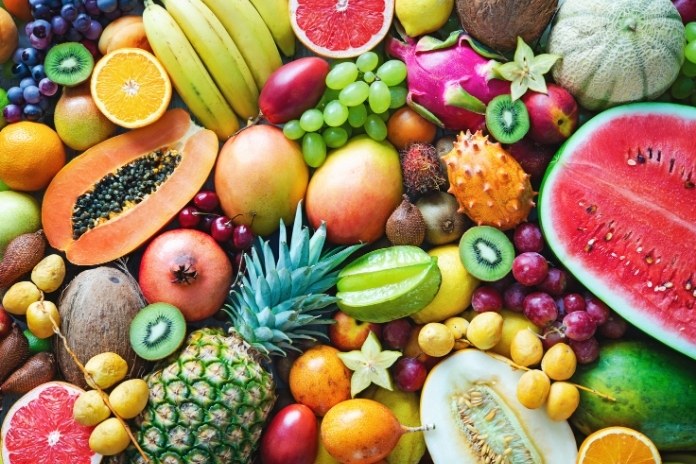
You’re standing in the kitchen, holding an apple, and a familiar thought crosses your mind: “Should I really be eating this? Isn’t fruit just sugar?” You’re not alone. Sugar has been widely demonized in popular nutrition discussions, and somewhere along the way, fruit got caught in the crossfire.
Social media trends often lump fructose, table sugar, and soda into the same “bad” category. Carbs became suspicious, and sweetness became something to feel guilty about.
Whole fruit and processed sugar may share some chemical similarities, but their effects on metabolism, digestion, and overall health are radically different.
The reality, according to nutrition science, is very different. Whether sugar is harmful depends almost entirely on where it comes from, how it’s packaged, and how your body processes it.
The goal isn’t to fear sweetness; it’s to make informed choices that work with your body. Let’s break it down properly, separating fact from hype, so you can understand how fruit sugar actually behaves in your body, which fruits are best at different times, and how to incorporate them into a healthy diet without unnecessary worry.
What Exactly Is Fruit Sugar? (Fructose Explained Simply)
When we talk about fruit sugar, we’re mostly referring to fructose, often found alongside glucose and sucrose. All three are naturally occurring carbohydrates, and they provide energy your body can use. But here’s the key: in fruit, sugar never comes alone.
The sugars in whole fruit are naturally bundled with:
- Fiber, which slows digestion and prevents rapid blood sugar spikes.
- Water, which helps with hydration and volume, so you feel fuller.
- Antioxidants, which protect cells from damage and support overall health.
- Vitamins and minerals, which provide essential nutrients without added calories.
- Plant compounds like polyphenols, which can positively influence metabolism and gut health.
This natural “packaging” dramatically changes how sugar behaves in the body.
According to the National Institutes of Health, fructose from whole foods such as fruit and vegetables is absorbed more slowly due to their fiber and food matrix, which slows digestion and reduces rapid blood sugar and insulin rises.
In contrast, isolated or added fructose in sodas, sweetened snacks, and processed foods enters the bloodstream faster, increasing hepatic fructose uptake and metabolic stress that’s linked with fat production and insulin resistance over time.
That difference is everything. Whole fruit is not just sugar; it’s a complex food that provides energy, nutrients, and health benefits all at once. Understanding this distinction allows you to enjoy fruit without guilt while still being mindful of overall sugar intake from processed sources.
Read More: Fruit Juice Or Whole Fruits? Difference and Advantages!
Fruit Sugar vs Regular Sugar: The Real Difference

This is where most confusion arises. People often lump fruit sugar together with processed sugar, but the two behave very differently in the body. Understanding why helps you make informed choices without guilt.
Whole Fruit Contains Fiber
Fiber is the key factor that sets fruit sugar apart from added sugar. It slows digestion and physically delays how quickly sugar enters your bloodstream, creating smaller blood sugar spikes, lower insulin demand, and more stable, sustained energy throughout the day.
Dr. David Ludwig, MD, PhD, professor of nutrition at Harvard Medical School, explains that fiber acts as a metabolic brake, slowing carbohydrate absorption and reducing the glycemic impact of foods like fruit. Fiber also feeds beneficial gut bacteria, which, over time, improve glucose regulation and metabolic health.
Whole Fruit Promotes Satiety
According to Dr. Barbara J. Rolls, PhD, Professor of Nutritional Sciences at Penn State University, whole fruit increases satiety and reduces overall energy intake more than liquid forms because solid fruit requires chewing and delays gastric emptying, helping people feel full and eat less overall.
Sugary processed foods, on the other hand, are easy to overconsume because they bypass these natural satiety mechanisms. This explains why people rarely binge on apples or berries but often overconsume desserts, candies, or sugary drinks.
Added Sugar Is Highly Concentrated and Drives Disease Risk
Unlike fruit, added sugars are stripped of fiber, water, vitamins, minerals, and antioxidants. Your body absorbs them quickly, often overwhelming normal glucose regulation. Added sugars refer specifically to sugars added during food processing, not the naturally occurring sugars in whole fruits and vegetables that come packaged with fiber and nutrients to moderate blood sugar responses.
Common sources of added sugar include soda and sweetened beverages, candy and chocolate, baked goods like pastries and cookies, and sweetened cereals and packaged snacks.
According to the CDC, consuming too much added sugar, especially from sugar-sweetened beverages and processed foods, is associated with increased risks of weight gain, obesity, type 2 diabetes, high blood pressure, and heart disease.
In contrast, whole fruit intake is protective. A major dose-response meta-analysis in The BMJ found that higher fruit and vegetable consumption was associated with lower risk of all-cause mortality and significantly reduced cardiovascular death.
Each additional daily serving of fruit was linked to decreased cardiovascular risk, and greater overall intake correlated with lower population-level mortality.
How Your Body Processes Fruit Sugar
Fructose metabolism often gets blamed unfairly. Yes, fructose is primarily processed in the liver, but context is everything. The way sugar enters your system drastically changes how your body handles it.
When fructose arrives slowly, alongside fiber, water, and antioxidants from whole fruit, the liver metabolizes it efficiently without stress. This controlled release helps prevent sudden spikes in blood sugar and insulin, supporting stable energy levels and long-term metabolic health. Problems tend to occur only when fructose is consumed in large, rapid doses without these protective components, as is common with soda, candy, or processed snacks.
Antioxidants Offset Oxidative Stress
Fruits are rich in antioxidants and polyphenols, which help counteract the oxidative stress that naturally occurs during sugar metabolism. Research published in Nutrients shows that polyphenols found in berries, apples, and other fruits improve insulin sensitivity and reduce post-meal glucose spikes. These compounds provide a protective effect that isolated sugars in processed foods do not offer.
Chewing Changes Digestion
Eating whole fruit requires chewing, which triggers saliva production and activates digestive enzymes. Chewing also stimulates hormonal responses that regulate appetite, glucose uptake, and energy balance. Juicing bypasses this step, which means liquid fruit sugar enters the bloodstream more rapidly, producing larger spikes in blood glucose and insulin.
When Fruit Sugar Isn’t Bad for You: The Real Health Benefits of Fruit
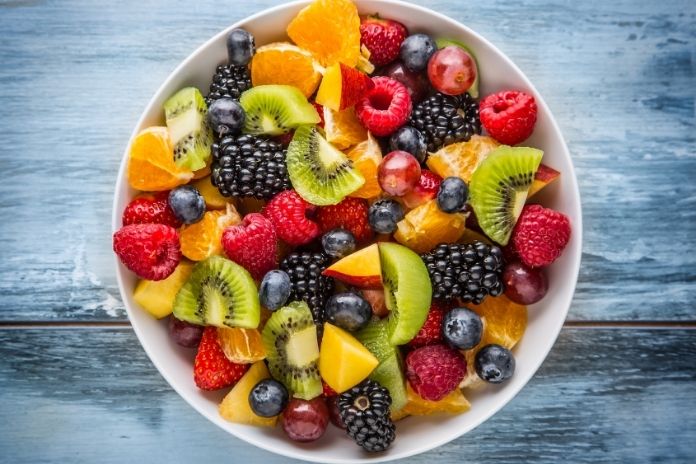
Let’s be clear: for most people, fruit is protective, not harmful. Nutrition science consistently shows that fruit consumption is linked to reduced disease risk, improved metabolism, and better overall wellness.
Supports Heart Health
Regular fruit intake has been strongly linked to cardiovascular benefits, including lower blood pressure, improved cholesterol profiles with higher HDL (“good”) cholesterol, and reduced overall cardiovascular risk.
A study on fresh fruit consumption and major cardiovascular disease in China found that adults who reported daily fruit intake had significantly lower rates of cardiovascular disease and related mortality compared with those who rarely or never ate fruit.
This study involved hundreds of thousands of participants followed over several years, showing a clear inverse association between fruit consumption and heart disease outcomes.
Lowers Inflammation and Oxidative Stress
Berries, citrus fruits, and apples are rich in flavonoids and vitamin C, compounds that combat oxidative stress and reduce inflammation. According to Harvard Health Publishing, diets rich in fruits provide antioxidants, fiber, and anti-inflammatory phytochemicals that are associated with lower levels of inflammatory markers such as C-reactive protein (CRP).
Chronic inflammation plays a central role in metabolic and cardiovascular disease, so higher fruit intake can act as a natural protective factor against these conditions.
Supports Weight Management
Despite containing natural sugar, fruit is low in energy density, high in fiber, and naturally filling. This combination makes it easier to manage calorie intake without feeling deprived.
A systematic review of prospective observational studies found that higher habitual fruit intake was associated with no increase in weight and, in many cases, modest protection against weight gain over five or more years, and increasing fresh fruit intake tended to decrease energy intake when it displaced more energy-dense foods.
Improves Gut Health and Blood Sugar Regulation
The fiber in fruit acts as a prebiotic, feeding beneficial gut bacteria. A healthy microbiome provides better glucose control, reduced systemic inflammation, and enhanced immune function. This is a major reason why fruit supports long-term metabolic health and helps prevent chronic disease.
Low-glycemic fruits like berries, apples, and pears can actually improve insulin sensitivity. A study published in Diabetes Care found that higher whole fruit intake was associated with a reduced risk of type 2 diabetes, particularly when berries and apples were consumed regularly.
Read More: Lack Of Fruits And Vegetables In The Diet Can Impose Risks Of Heart Health
When Fruit Sugar May Be a Problem
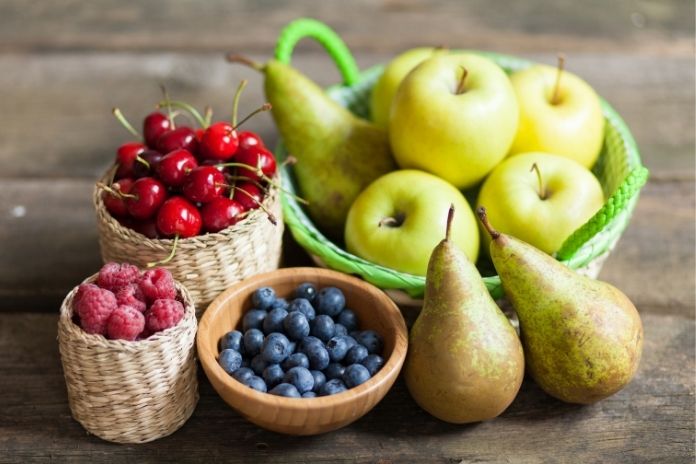
While whole fruit is generally safe and beneficial for most people, there are situations where fruit sugar requires caution. Context, portion, and individual health status determine whether fruit consumption might pose challenges.
People With Diabetes or Insulin Resistance
Fruit isn’t off-limits for individuals with diabetes or insulin resistance, but portions and the type of fruit matter. Choosing fruits with lower glycemic impact can help maintain stable blood sugar.
Pairing fruit with protein or healthy fats, such as nuts, yogurt, or cheese, slows sugar absorption and reduces post-meal glucose spikes. Regularly monitoring your blood glucose response can help you understand which fruits and portions work best for your body.
Those With Fatty Liver Disease
Excess fructose can worsen fatty liver disease, but the problem is usually highly processed sources, not whole fruit. Foods and drinks to limit include:
- Fruit juice
- Sweetened beverages
- High-fructose processed foods
According to the Mayo Clinic, whole fruit consumed in normal portions does not appear to worsen fatty liver. The fiber, water, and antioxidants in fruit help regulate sugar absorption and support liver function.
This suggests that whole fruit consumed in normal portions does not appear to worsen fatty liver and can help support liver function as part of an overall nutritious eating pattern.
Fruit Juice and Smoothie Overload
Juicing removes fiber, which slows sugar absorption, and smoothies can combine multiple servings of fruit into a single glass. This leads to:
- Rapid sugar intake.
- Poor satiety.
- Greater impact on blood glucose.
Drinking fruit is not the same as eating whole fruit. Whole fruit delivers fiber, volume, and a slower sugar release, making it more metabolically balanced.
IBS and Low-FODMAP Sensitivity
Certain fruits contain fermentable carbohydrates (FODMAPs) that can trigger bloating, gas, or abdominal discomfort in people with IBS or sensitive digestion.
This does not make fruit inherently unhealthy. It simply means that personal tolerance matters. Individuals with IBS may need to choose lower-FODMAP fruits, adjust portion sizes, or consume fruit in combination with other foods to minimize digestive discomfort.
Fruit Juice vs Whole Fruit: Why the Difference Matters
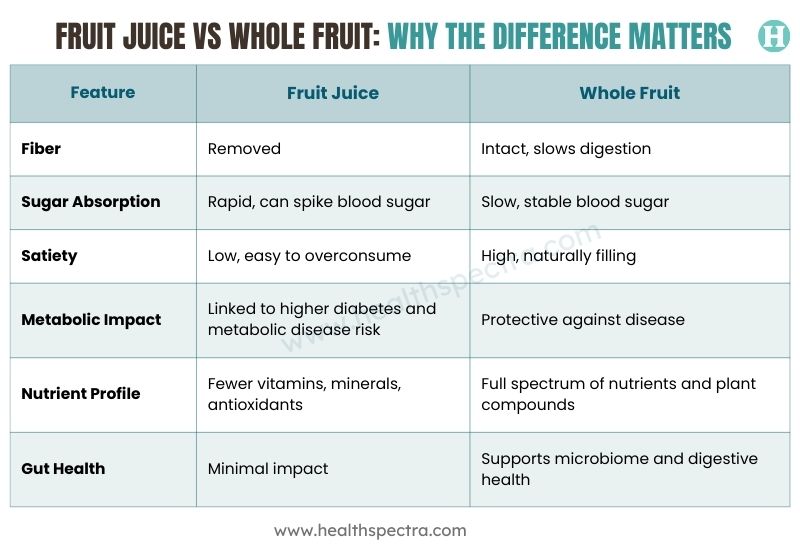
Not all forms of fruit are created equal. Whole fruit and fruit juice contain the same natural sugars, but the way your body processes them is drastically different. Whole fruit comes with fiber, water, and a host of nutrients that slow sugar absorption, support satiety, and promote gut and metabolic health.
Fruit juice, on the other hand, lacks fiber and can lead to rapid sugar spikes and overconsumption, which may increase the risk of diabetes and other metabolic issues. Understanding this distinction helps you make smarter choices for long-term health.
How Much Fruit Is Healthy Per Day?
General nutrition guidelines provide a practical framework for daily fruit intake.
For adults, 2 to 3 servings per day is recommended, while children generally benefit from 1 to 2 servings per day. A single serving can be defined as one medium fruit or approximately one cup of chopped fruit.
Spacing fruit consumption across meals, rather than eating multiple servings at once, helps maintain stable blood glucose levels and supports digestion. This approach allows your body to absorb nutrients gradually while minimizing rapid sugar spikes.
Best Fruits for Stable Blood Sugar
Not all fruits affect blood sugar in the same way. Nutritionists recommend fruits that are lower in glycemic index and higher in fiber, as they help maintain stable glucose levels while delivering essential nutrients. Including these fruits regularly supports long-term metabolic health and prevents sharp blood sugar spikes.
Top choices for stable blood sugar include:
- Berries, such as strawberries and blueberries
- Apples
- Pears
- Oranges
- Kiwi
- Grapefruit
- Peaches
These fruits release sugar slowly into the bloodstream, supporting steady energy and improved insulin response.
Fruits to Eat Mindfully
Some fruits are naturally higher in sugar or become more sugar-dense as they ripen. This doesn’t mean you should avoid them entirely, but portion awareness is important.
Fruits that require mindful consumption include:
- Mangoes
- Grapes
- Pineapple
- Dried fruits
- Very ripe bananas
Ripeness increases sugar availability, which can raise the glycemic impact. Pairing these fruits with protein, healthy fats, or fiber helps moderate their effect on blood sugar while still allowing you to enjoy their flavor and nutrients.
Conclusion
For the vast majority of people, the answer is a clear no. Whole fruit is naturally packaged with fiber, water, vitamins, minerals, and antioxidants, all of which slow sugar absorption, support digestion, and promote stable blood sugar levels.
Far from being harmful, fruit consumption is consistently linked to lower risk of heart disease, diabetes, obesity, and inflammation, making it a cornerstone of a healthy diet.
The real danger lies not in fruit itself, but in added sugars, refined carbohydrates, and liquid sugars stripped of fiber. Sugary drinks, candies, pastries, and many processed foods deliver sugar rapidly, overwhelming your body’s normal metabolic controls. This is what drives the negative health outcomes often mistakenly attributed to “fruit sugar.”
If you eat fruit in its whole form, in reasonable portions spread throughout the day, your body processes it efficiently. Blood sugar rises gently, digestion proceeds smoothly, and satiety signals work as intended. Your liver, pancreas, and gut know exactly what to do with these naturally occurring sugars.
Fruit didn’t suddenly become unhealthy. The internet just forgot how biology works, equating all sugar with harm and ignoring the protective matrix in which it exists naturally. Recognizing this distinction empowers you to enjoy fruit without guilt while supporting long-term health.
References
- BYJU’S. (n.d.). Fructose.
- CDC. (2024). Added sugars and health. Centers for Disease Control and Prevention.
- CK-12 Foundation. (n.d.). What is fructose and why is it known as fruit sugar?
- EUFIC. (n.d.). What is glucose-fructose syrup? Q&A.
- Harvard Health Publishing. (2015, December 16). Dr. David Ludwig clears up carbohydrate confusion.
- Harvard Health Publishing. (n.d.). Fighting inflammation with food.
- IFIC. (n.d.). What is fructose? International Food Information Council.
- ALIble Diet. (n.d.). Fruit fructose.
- Mayo Clinic. (n.d.). Fatty liver disease (MASLD) diet: What to eat.
- MedlinePlus. (n.d.). Fruits and vegetables: How much do you need?
- PubMed Central. (n.d.). Effects of whole fruit on satiety and energy intake.
- NCBI Bookshelf. (n.d.). Fructose.
- National Center for Biotechnology Information. (2017). Fructose and metabolism: Implications for health.
- PubMed Central. (2017). Polyphenols rich diets and type 2 diabetes.
- PubMed. (2014). Fresh fruit consumption and cardiovascular disease in China.
- PubMed. (2019). Fruit intake and long-term weight management: Systematic review.
- BMJ. (2013). Fruit consumption and risk of type 2 diabetes: A prospective study.
- Wikipedia. (n.d.). Fructose.
- WebMD. (n.d.). What’s the difference between sucrose and fructose?
- ScienceDirect. (n.d.). Fructose: Medicine and dentistry topics.
- Times of India. (2023). Top doctor shares 4 reasons to prioritize fiber for longevity.
In this Article