













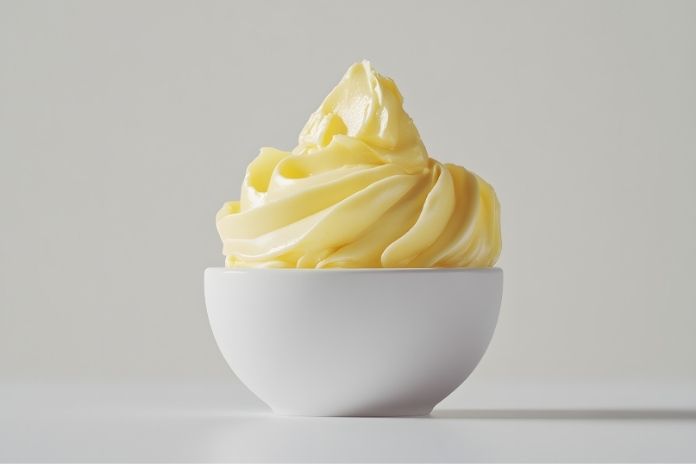
Butter has long been a kitchen staple, thanks to its rich flavor and versatility in all kinds of cooking. But in recent years, it has also become the focus of ongoing discussion about weight, heart health, flavor, and the growing trend toward plant-based diets.
The dairy aisle is lined with dozens of styles of butters, making it difficult to determine which one is “healthiest.” The choices can quickly mount up, whether it’s salted or unsalted, grass-fed or standard, light or whipped, plant-based or traditional. In actuality, there is no one-size-fits-all option for the “most nutritious” butter.
We’ll break down the most popular choices in this article so you can see how each fits into various lifestyles and health objectives.
Read More: Can You Eat the Skin on Butternut Squash? What You Should Know
What Makes a Butter “Healthy”? Understanding Key Nutrients
Whether butter can be considered “healthy” depends on its fat composition, micronutrient content, processing level, and portion size, not just its calorie count. While butter is a traditional food made from churned cream, different types of butter vary in their nutritional value, and their health impact depends on the overall dietary context.
Nutritional Composition of Butter
Butter is composed of approximately 80% milk fat, with the remaining portion consisting of water and milk solids. During the churning process, most carbohydrates and proteins are removed, leaving a fat-rich product. Butter fat is chemically diverse and contains hundreds of distinct fatty acids, reflecting the complexity of dairy fat.
Types of Fats in Butter
Butter contains several types of dietary fats in the following approximate proportions:
- Saturated fatty acids:~65–70% of total fat
- Monounsaturated fatty acids:~25–30% of total fat
- Polyunsaturated fatty acids:~2–4% of total fat
- Other fat-related compounds:cholesterol and small amounts of phospholipids
Because butter is high in saturated fat, major health organizations generally recommend moderation, particularly for individuals managing cardiovascular risk.
Dairy Trans Fats in Butter
Butter naturally contains small amounts of trans fatty acids that occur in ruminant animals, such as vaccenic acid and conjugated linoleic acid (CLA). These naturally occurring trans fats are structurally different from industrially produced trans fats found in partially hydrogenated oils.
Current research suggests that naturally occurring dairy trans fats are not associated with the same cardiovascular risks as industrial trans fats. However, they are present in small quantities, and their health effects in humans are still being studied.
CLA has been studied for potential effects on body composition, immune function, and inflammation, primarily in animal studies and as a supplement.
While butter does provide CLA, the amount obtained from normal dietary intake is much lower than doses used in clinical research, and clear health benefits from butter-derived CLA in humans have not been conclusively established.
Vitamins and Minerals in Butter
Butter contains several vitamins, particularly fat-soluble vitamins, though most are present in modest amounts.
- Vitamin A: Butter is a meaningful source of vitamin A, providing approximately 10–12% of the recommended daily intake per tablespoon, supporting vision, immune function, and skin health.
- Vitamin D: Butter contains small amounts of vitamin D, but it is not a significant dietary source unless fortified.
- Vitamin E: Present in minor amounts; butter contributes far less vitamin E than foods such as nuts, seeds, and vegetable oils.
- Vitamin B12: Butter contains trace amounts of vitamin B12, but is not a substantial source compared to other animal-based foods.
- Vitamin K2: Butter provides small quantities of vitamin K2 (menaquinone), particularly in butter made from grass-fed cows. Vitamin K2 is being studied for its potential role in bone and cardiovascular health, though more human research is needed.
Is Butter Healthy?
Butter can fit into a balanced diet when consumed in moderation, especially when used in minimally processed forms. However, due to its high saturated fat content and limited micronutrient density compared to other fats, butter should not be relied upon as a primary source of essential nutrients.
For overall health, dietary fats are best obtained from a variety of sources, including unsaturated fats from plant oils, nuts, seeds, and fatty fish, alongside modest amounts of butter if desired.
Pros & Cons of Butter
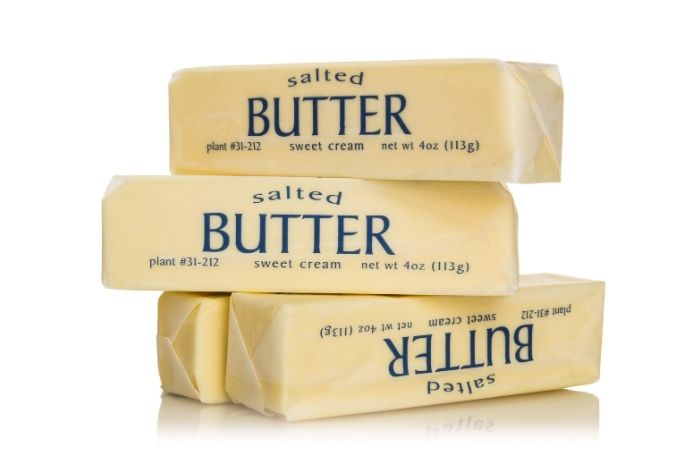
When consumed in moderate amounts, butter has many nutritional benefits, depending on how it is made and the combination of fats and fat-soluble vitamins it contains. Below is a summary of some of the principal ways in which butter can be healthful:
Pros of Butter:
- Supports Gastrointestinal Function: Butter contains glycosphingolipids, a type of lipid that helps support gut health. These fats are anti-inflammatory, meaning they may reduce the risk of inflammatory bowel diseases and IBS. If you consume butter in moderation, you may be supporting your gut health.
- Enhance Immune Function: Butter is a rich source of fat-soluble vitamins A, D, E, and K, all of which are important for immune health! Vitamins D, E, and K support healthy bones and immunity, while vitamin A supports vision and skin health.
Cons of Butter:
- High in Saturated Fat: Trans and saturated fats can raise cholesterol and potentially lead to heart disease. Butter contains high levels of saturated fat, which may raise “bad” LDL cholesterol and increase the risk of developing cardiovascular disease. Keeping a balanced fat diet requires moderation.
- Unsuitable for People Who Are Lactose Intolerant: Contains traces of lactose that some people may be sensitive to. If you’re sensitive, you should try ghee/clarified butter as a lactose-free substitute. Butter may be harmful to your health (especially if you are lactose intolerant), so please limit your intake and keep to the daily recommendations.
Grass-Fed Butter: The Top Choice for Most People
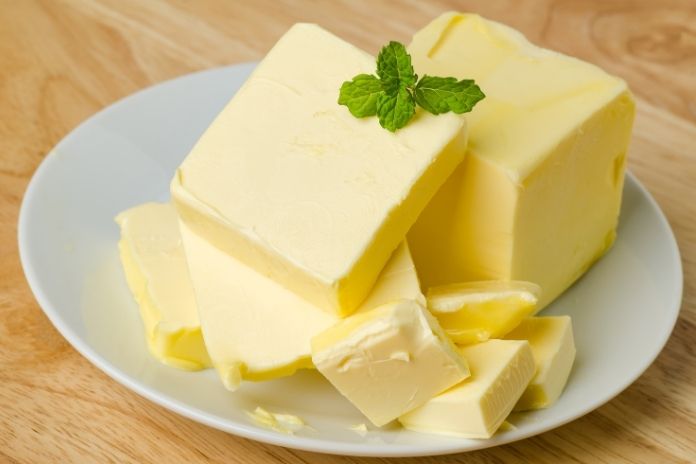
Producers make grass-fed butter from the milk of cows that graze on grass and other pasture feed. Compared to ordinary butter, grass-fed butter has a smoother, softer texture and is higher in beta-carotene and good fats. It can be a healthy choice, but it’s typically more costly.
Fats: Grass-fed butter has more unsaturated fatty acids than regular butter. It contains higher omega-3 fatty acids, for example, which are known to reduce the risk of heart disease. Omega-3 provides your body with energy, maintains the structure of your cells, and produces substances that support your immune system.
Conjugated linoleic acid, or CLA, is another fatty acid that is more prevalent in butter from grass-fed cattle. Research indicates that when the proportion of pasture-based grass and forage in a cow’s diet rises, so does the amount of CLA in milk.
Vitamins and Minerals: Grass-fed butter contains a variety of vitamins and minerals in varying quantities. Beta-carotene, a precursor to vitamin A, is abundant in butter that is grass-fed. White blood cell function, bone healing, and healthy eyes all depend on vitamin A.
While conventional dairy is high in selenium, iodine, zinc, and copper, grass-fed dairy also has higher levels of calcium and phosphorus.
Color and Flavor: Grass-fed butter is yellow, whereas regular butter is paler. The chemical that gives carrots their orange hue, beta-carotene, is present in higher concentrations in grass-fed butter, which accounts for the color difference.
Additionally, the two varieties have different flavors. Grass-fed butter has a grassy taste, while regular butter is sweet, malty, or milky. It is sometimes described as having a medicinal flavor and scent, or as a green vegetable.
Potential Drawbacks: People with severe lactose intolerance may experience symptoms even if butter contains less lactose than milk. Since grass-fed butter still contains milk proteins, people who are allergic to dairy products should avoid it altogether.
Portion control is very essential here, too; grass-fed butter has its benefits, but it’s still loaded with saturated fat that people with elevated LDL cholesterol or an existing risk of heart disease may need to restrict or consult their health practitioner about before making it their go-to.
While grass-fed butter has a slightly different fat profile, it still contains similar amounts of saturated fat as other butters, explains Serena Pratt, M.S., RD. Grass-fed butter can make a great choice for taste or preference, but doesn’t significantly change saturated fat content.
Organic Butter: A Cleaner Choice with Fewer Chemicals
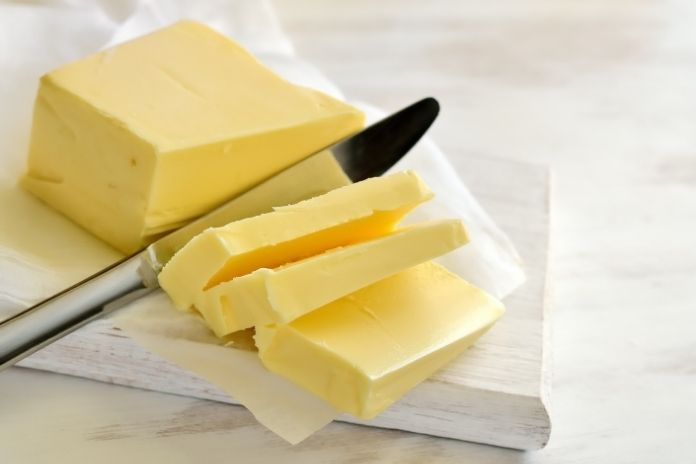
Organic butter is made from milk produced by cows raised according to USDA organic standards, which regulate animal feed and farming practices. These standards focus on how the butter is produced, rather than guaranteeing major nutritional differences.
Key Features of Organic Butter
- Organic feed: Cows must consume 100% organic feed grown without synthetic pesticides, chemical fertilizers, or sewage sludge.
- No GMOs: USDA organic rules prohibit genetically modified crops at all stages of production, including animal feed.
- Restricted antibiotics and hormones: Routine use of antibiotics and synthetic growth hormones is not allowed.
- Pasture access: Cows must have access to pasture during the grazing season.
Is Organic Butter Healthier?
Organic butter may differ slightly in fatty acid composition, particularly when cows consume more grass, but the organic label does not guarantee higher nutrient content. The main benefits relate to reduced exposure to synthetic chemicals and GMO-free production, not significant changes in calories or fat.
Bottom Line: Organic butter is a good option for consumers who prioritize GMO avoidance, fewer synthetic agricultural chemicals, and environmentally conscious farming. Like all butter, it should still be consumed in moderation.
Read More: Are Peanut Butter and Jelly Sandwiches Healthy? Nutrition, Pros, and Cons
Ghee: Healthier for Digestion & High-Heat Cooking
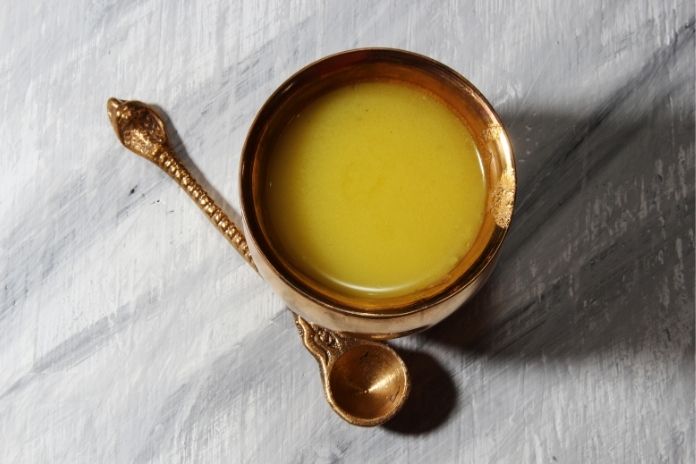
Indian, Middle Eastern, and Southeast Asian cuisines often include ghee, which is a form of clarified butter originating in South Asia. To make it, cooks simmer butter for many hours until the water evaporates.
When cooks boil butterfat until the milk particles caramelize and then filter it, they leave behind a transparent, golden liquid with a rich, nutty flavor and a higher smoke point than ordinary butter. Its high smoke point allows it to withstand higher temperatures without burning, giving ghee a smooth, creamy texture that makes it ideal for cooking and frying.
Cons: Ghee’s high saturated fat content can hurt heart health if consumed in excess. It may cause artery blockage. In fact, those with fatty liver problems should also avoid or reduce their intake of ghee.
Steer clear of ghee if you have indigestion, acid reflux, or bloating. Ghee has high fat and cholesterol content, which may cause cancer and cardiac problems in older adults. Therefore, older people are advised to avoid using clarified butter to protect their hearts. Ghee is a natural laxative, so avoid eating it if you have diarrhea.
Fatty foods may worsen symptoms in those with sensitive digestion, according to a study in the American Journal of Gastroenterology. Buffalo ghee, in particular, can be difficult to digest because it is rich in saturated fats and dense in texture, which can slow digestion in sensitive individuals.
Plant-Based Butter: Heart-Friendly or Highly Processed?
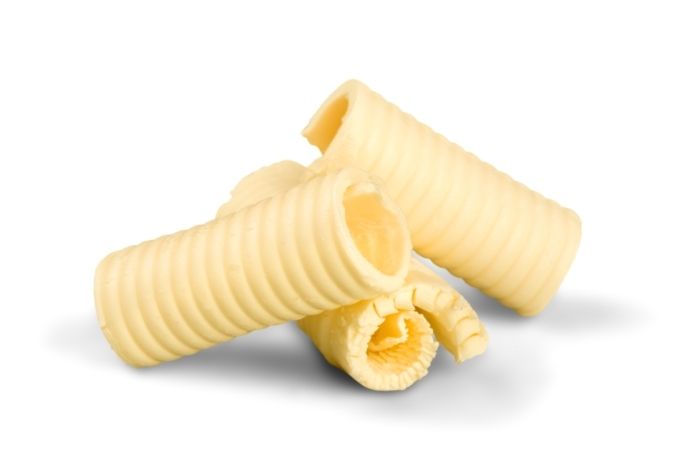
Common names for plant-based butter include non-dairy butter, dairy-free butter, vegan butter, and plant-based spread. People often use the latter to prevent confusing vegan butter with dairy-based butter.
These days, plant-based butter is so similar to its counterparts that you won’t even notice a difference. It may easily be mistaken for real butter prepared from milk.
Most typically, a mixture of oils is used to make plant-based butter. There are varieties made using coconut oil, avocado oil, olive oil, and even palm oil.
Mixing various oils changes the smoke point. Certain oils cannot withstand high temperatures. Several varieties of sunflower, canola, and coconut oils, among others, have low smoke points, so you should avoid cooking with these oils at high temperatures if your butter contains them.
According to research, plant-based butter contains more heart-friendly monounsaturated fat and less saturated fat than conventional butter. That all sounds wonderful, but don’t polish off the entire tub at once, taking spoonfuls at a time.
Like regular butter, you shouldn’t consume an entire tub at once, but as a rule, plant-based butter is healthier than dairy-based butter, so feel free to spread it on your toast.
Read More: What Happens to Your Body When You Eat Peanut Butter Every Day
Which Butter Is Healthiest for Specific Health Goals?
Choosing the healthiest butter and butter substitute is more about your individual needs, health goals, and how you want to use it than current trends. Selected for use, butter and butter substitutes produce different effects.
1. Grass-Fed Butter
Most people agree that grass-fed butter is the healthiest option. Because it originates from cows that are naturally fed grass, it is higher in:
- Omega-3 fatty acids: Inflammation-reducing, heart-healthy fats.
- Conjugated Linoleic Acid (CLA): A substance associated with better metabolic health and weight loss.
- Vitamin K2: It is essential for maintaining healthy bones and also preventing the buildup of calcium in the arteries that can lead to vascular blockages.
Grass-fed butter derives its golden colour from a high level of beta-carotene, which is a powerful antioxidant.
2. Organic Butter
Producers do not use synthetic hormones, antibiotics, or pesticides in the production of organic butter. If you’re concerned about chemical exposure, this is a cleaner alternative to grass-fed butter, though it might not have the same nutritional richness.
3. Clarified Butter, or Ghee
Traditional clarified butter, or ghee, is usually promoted as a healthier substitute:
- Because it contains no lactose or casein, it is suitable for people sensitive to dairy products.
- Abundant in fat-soluble vitamins such as A, D, E, and K.
- It is perfect for cooking at higher temperatures without forming hazardous compounds, thanks to its high smoke point.
- It is particularly well-liked in Ayurvedic medicine for its claimed therapeutic properties.
4. Butter Blends
Some butter blends add heart-healthy oils, such as avocado or olive oil, to traditional butter. These options usually have more heart-healthy monounsaturated fats and less saturated fat. Choose ones without hydrogenated oils added and a minimal number of other ingredients.
How Much Butter Is Healthy to Eat? Portion & Usage Guide
A healthy diet can include butter; however, moderation is essential due to its high saturated fat content.
- Moderation is key:Butter contains lots of calories (approximately 102 per tablespoon, who knew?) and saturated fat (7 grams per tablespoon), and you can easily pack on extra weight and high cholesterol if you indulge too much without making adjustments.
- Respect Saturated Fat limits:The American Heart Association and most other major health groups advise consuming no more than 6–10% of your daily calories from saturated fat. It translates to 13–20 grams of saturated fat per day on a 2,000-calorie diet.
- Select Unsalted Butter:Using unsalted butter gives you more control over the amount of sodium in your food, which is better for your heart.
- Think of your Diet as a whole:The rest of your diet determines how much butter you can safely consume. You should be even more cautious while consuming butter if your diet already contains other sources of saturated fat, such as cheese and red meat.
Read More: Is Sunflower Oil Healthy? What the Research Really Says
Advice for Selecting Healthy Butter
- Select quality: The better the butter quality (e.g., organic or grass-fed), the more nutrients it will contain.
- Watch portion size: Use butter sparingly, as even the healthiest butters are calorically dense.
- Examine the label: Steer clear of butter that has preservatives, artificial flavors, or additional oils.
Cooking, Baking & Flavor: Choosing the Right Butter for the Right Job
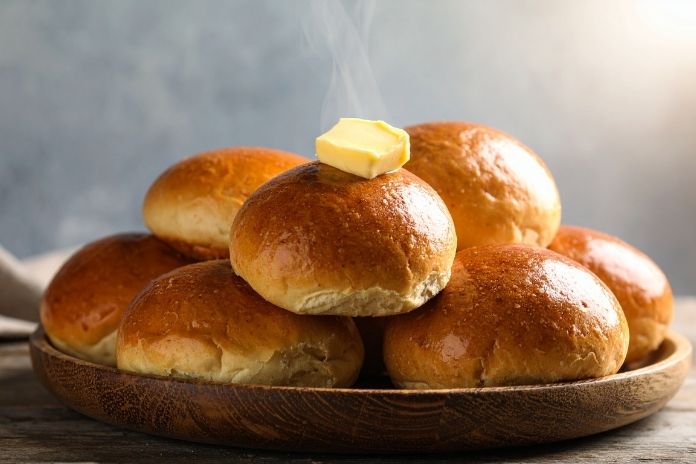
In the kitchen, different butters have different functions. Selecting the appropriate variety for each task can enhance flavor, texture, and even nutritional content.
Grass-fed Butter:
- Unless the recipe specifies otherwise, you should almost always use unsalted grass-fed butter while baking.
- When you want to add salt to your food, such as with fish, meat, vegetables, stews, and soups, you can use salted grass-fed butter. To counterbalance the use of salted butter, reduce or omit sea salt.
Ghee:
Ghee produces flawlessly crisp exteriors and adds a fantastic depth of flavor to your food.
- Tossing vegetables (Brussels sprouts, carrots, potatoes, etc.) with ghee and spices and roasting them creates a delicious side dish.
- Apply ghee to chicken before roasting to create a flavorful, golden skin.
- Substitute ghee for butter to achieve a golden, crispy crust & a richer flavour on your grilled sandwich.
- Frying eggs and hash browns in ghee will give your favourite breakfast items a delicious upgrade.
- Sauté green beans in ghee for an easy, tasty side dish.
- Use ghee to add richness to curries or as a foundation for stir-fried veggies.
Plant-based butters:
Use plant butters best at low temperatures and as spreads; melt them on warm veggies, in sandwiches, and on toast. Many of them, unless labelled “cooking,” are not stable at the higher temperatures and will not stand baking or frying.
Conclusion
It’s not possible to classify butter into two or even three easy divisions. Butter has evolved into a pantry staple, with each variety offering a slightly different set of benefits, drawbacks, and ideal uses. It might be better to ask which butter is best for you, rather than which butter is “best.” Your diet, cooking style, palate, and health goals all play a part.
Plant-based choices promote heart-healthy and dairy-free lifestyles, ghee provides heat stability and better digestion, grass-fed butter offers the flavor and nutrient density, and a unique blend helps reconcile traditional and contemporary nutrition. None is flawless, and when applied purposefully, none is inherently harmful to your health.
The frequency of use, the quantity, and the level of care taken when applying it are the keys to success with butter.
References
- Center for Science in the Public Interest. Lindsay Moyer, MS, RDN, Marlena Koch. (Updated: August 12, 2025). What’s the healthiest “butter”? Spoiler: It’s not butter.
- San Diego Miramar College. 7 reasons why butter is good for you.
- U.S. Dairy. Butter: Nutrition facts and benefits.
- MedicineNet. What Is the Difference Between Butter and Grass-fed Butter and Which Is Better?
- Annie Price, CHHC. (October 28, 2024). Grass-fed butter nutrition: Facts, health benefits & uses.
- TOI Lifestyle Desk. (2024, October 17). Ghee isn’t suitable for everyone; know who should avoid it.
- U.S. Dairy. (February 19, 2018). What is ghee?
- Annie Price, CHHC. (2024, October 28). Grass-Fed Butter: 7 Benefits that May Surprise You.
- MedicineNet. Dr. Sruthi M., MBBS. Is Plant-Based Butter Healthy? Nutrition and How It Compares.
In this Article