















You’re sitting comfortably, maybe reading, working, or watching TV, and suddenly a wave of chills runs through your body. Your teeth chatter slightly, your skin prickles, yet you’re not cold, and the room temperature is normal. It can be unsettling, especially if it happens repeatedly or seemingly out of nowhere.
When it occurs without a fever or other obvious symptoms, your mind naturally jumps to serious possibilities, sometimes even cancer. Here’s the reassuring reality: most episodes of chills are not linked to cancer. More often, they’re caused by things like infections, sudden anxiety, hormonal shifts, dehydration, or reactions to certain medications.
In many cases, chills are the body’s way of reacting to temporary stressors, changes in blood flow, or mild imbalances that are easily corrected. That said, certain cancers can, in rare circumstances, trigger chills. When this happens, chills are usually part of a broader constellation of symptoms rather than appearing in isolation.
Patterns such as unexplained weight loss, persistent fatigue, night sweats, or recurrent infections, along with chills, are what typically raise concern for physicians. Understanding these patterns helps distinguish harmless episodes from ones that require evaluation. This article will guide you through the nuances.
You’ll learn which chills are harmless and self-limiting, which warrant a visit to a doctor, and how cancer-related chills generally present. You’ll also see what medical professionals look for when assessing unexplained or recurrent chills, giving you clarity and practical guidance on when to seek help.
Can Chills Be a Sign of Cancer? The Short Answer
Yes, chills can be associated with cancer, but only in particular situations.
Cancer-related chills typically occur because of:
- Immune system activation
- Inflammatory cytokine release
- Infections in people with weakened immunity
- Cancers involving the blood or lymphatic system
What matters most is context.
Isolated chills, especially once in a while, are rarely a symptom of cancer. Cancer-related chills usually appear alongside other systemic symptoms such as fever, night sweats, weight loss, persistent fatigue, or swollen lymph nodes.
According to Mayo Clinic’s explanations on cancer and diagnosis, many serious illnesses don’t present with clear, isolated signs early on, and symptoms are often interpreted together rather than on their own.
Mayo Clinic’s symptom checkers and disease guides consistently emphasize that individual signs alone aren’t enough to diagnose a condition; doctors look at patterns and multiple symptoms together to guide investigation and care.
Why Cancer Can Cause Chills
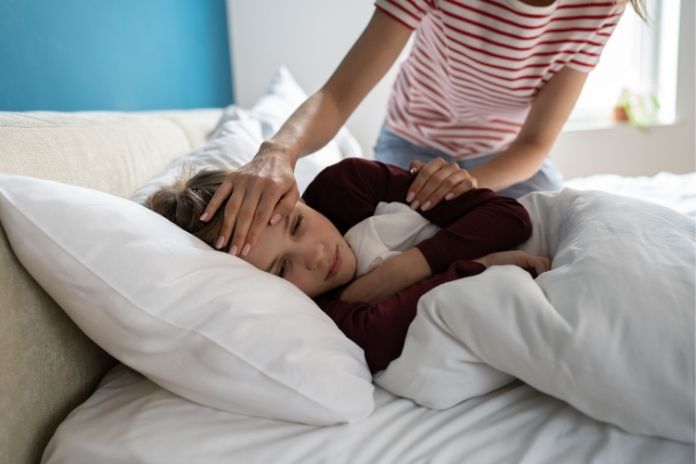
To understand how cancer might lead to chills, it helps to first understand what chills are. Chills occur when your body tries to raise its core temperature. Even if you’re in a warm room, your muscles may shiver, your skin may feel prickly, and your teeth may chatter.
This response is driven primarily by the immune system, which signals the body to generate heat, rather than by cold exposure alone. In the context of cancer, chills are usually linked to the body’s reaction to abnormal internal signals or stressors, rather than to the cancer itself directly “causing” the shivering.
Some of the mechanisms include:
- Cytokine release: These inflammatory molecules are produced by immune cells. Tumors or the body’s reaction to them can trigger a surge in cytokines, which may cause chills.
- Tumor-related inflammation: Certain cancers can cause localized or systemic inflammation, which can disrupt the body’s temperature regulation and lead to shivering.
- Infections: People with blood cancers (like leukemia or lymphoma) or those undergoing chemotherapy may have weakened immune systems, making infections more likely. Chills often appear before a fever in these cases.
- Fever cycles: In some cancers, chills occur in cycles that precede spikes in body temperature, a pattern doctors often use to differentiate cancer-related chills from everyday shivering.
While these mechanisms explain why chills can appear in cancer, it’s important to remember that chills alone rarely indicate cancer. They are almost always accompanied by other symptoms such as unexplained weight loss, night sweats, persistent fatigue, or repeated infections. Understanding these patterns helps both patients and doctors decide when further investigation is warranted.
Types of Cancer Most Commonly Linked to Chills

While most chills are harmless, certain cancers can trigger them, usually alongside other noticeable symptoms. Understanding which cancers are most often associated with chills helps put the symptom into context.
Lymphoma (Hodgkin and Non-Hodgkin)
Lymphoma is the cancer most commonly associated with chills. In lymphoma, chills are part of the well-known “B symptoms”, which include:
- Fever
- Night sweats
- Unintentional weight loss
People with lymphoma may experience repeated chills even without an obvious infection, often followed by intense sweating. Additional common lymphoma signs include:
- Painless swelling of lymph nodes in the neck, armpits, or groin
- Persistent fatigue
- Itching
- Chest discomfort or cough
The National Cancer Institute explains that isolated symptoms, such as chills, are common and nonspecific, but the presence of night sweats alongside enlarged lymph nodes signals the need for further medical assessment.
Leukemia
Leukemia affects the bone marrow and blood, which are central to immune function. Chills in leukemia often occur because of:
- Recurrent infections
- Fever
- Systemic inflammation
Other accompanying symptoms typically include:
- Easy bruising or bleeding
- Frequent infections
- Persistent fatigue
- Pale skin
- Shortness of breath
According to the Cleveland Clinic’s overview of leukemia symptoms, chills are listed alongside other systemic signs such as fever, night sweats, fatigue, frequent infections, and swollen lymph nodes, the kind of symptoms doctors pay attention to when evaluating for blood cancers rather than minor illnesses.
This combination of signs reflects how serious conditions like leukemia affect multiple body systems and often present with multiple abnormalities rather than one isolated complaint.
Kidney Cancer
Although less commonly discussed, kidney cancer can also cause persistent chills or fevers without an infection. Warning signs often include:
- Chills or fever that come and go
- Blood in the urine
- Flank or lower back pain
- Unexplained weight loss
These symptoms are persistent, tend to worsen over time, and do not resolve on their own.
Advanced or Metastatic Cancers
In advanced cancers, systemic inflammation or immune activation can trigger persistent chills. This is typically accompanied by multiple warning signs, such as:
- Profound fatigue
- Pain
- Loss of appetite
- Weight changes
The underlying cause is usually a widespread immune response, tumor-related cytokine release, or secondary infections. Unlike harmless chills, these episodes are persistent, severe, and clinically significant.
What Cancer-Related Chills Usually Look Like

When it comes to evaluating chills, pattern and context are far more important than the shivering itself. Most everyday chills, caused by brief cold exposure, stress, or minor infections, come and go quickly. Cancer-related chills, however, have distinctive features that can help differentiate them from benign causes.
Key characteristics often include:
- Recurrent or persistent over weeks: Unlike typical chills that resolve within hours, cancer-related chills can happen repeatedly over several days or weeks. They often do not respond to usual measures like warming up or resting.
- Not clearly linked to cold exposure, stress, or minor illness: These chills occur without a clear trigger. You might feel them even while sitting comfortably indoors or at normal room temperature.
- Often paired with night sweats: Chills may alternate with or occur alongside profuse sweating at night, sometimes drenching clothing or bed sheets. This cyclical pattern is a hallmark of certain cancers, particularly lymphoma.
- Frequently associated with unexplained fever: Many cancer-related chills precede or accompany low-grade or intermittent fevers. The fever is usually not linked to infection and may be difficult to detect without regular monitoring.
- Accompanied by unintentional weight loss: Chills in combination with gradual, unexplained weight loss are particularly concerning and warrant prompt evaluation.
- Occur alongside ongoing fatigue or weakness: Persistent tiredness or a sense of overall body weakness often accompanies these chills, reflecting the systemic impact of the underlying disease.
According to Harvard Health Publishing, systemic signs such as fever, night sweats, unexplained weight loss, and extreme fatigue often occur together in conditions like lymphoma and are more concerning when persistent. While a single symptom like chills on its own rarely suggests cancer, this cluster of systemic signs is a reason to seek medical evaluation.
Chills Without Fever: Does That Mean Cancer?
This is a common concern.
Chills without fever can occur in cancer, but they are much more commonly caused by non-cancerous conditions.
In cancer, chills may appear:
- Early in a fever cycle
- During cytokine release
- In immune dysregulation.
However, repeated chills with no fever are much more commonly linked to anxiety, hormonal shifts, blood sugar changes, or medication reactions. The presence or absence of fever alone does not confirm or rule out cancer. The full symptom picture matters.
“A fever and chills can be your body’s natural immune response to infection or illness,” explains family medicine specialist John Hanicak, MD, of the Cleveland Clinic. “But when chills are paired with other severe symptoms or a persistent fever, it’s important to contact a healthcare provider for further evaluation.”
When Chills Are NOT a Sign of Cancer

Most chills are harmless and do not indicate cancer. They often reflect temporary stressors, physiological changes, or mild infections. Understanding these patterns can provide reassurance and help you identify when medical attention is truly needed.
Viral or Mild Infections
Even minor viral infections can trigger chills as the immune system ramps up, sometimes before a fever develops. These chills are typically short-lived and resolve within days without treatment.
- Usually accompanied by mild fatigue or body aches.
- Resolve as the infection runs its course.
Stress and Anxiety
High stress or anxiety can trigger chills due to adrenaline surges, causing shivering or goosebumps. These episodes often occur during panic attacks or periods of heightened stress.
- Appear suddenly during stressful moments.
- Subside once the nervous system calms.
- These chills are common and harmless.
Hormonal Fluctuations
Changes in hormone levels can affect the body’s temperature regulation, resulting in occasional chills. This is often seen in:
- Thyroid disorders can disrupt metabolism and body heat.
- Menopause or perimenopause causes hot flashes and cold chills.
- Adrenal imbalances, which affect stress hormone regulation.
Low Blood Sugar (Hypoglycemia)
Hypoglycemia can trigger chills, sweating, shakiness, and weakness. This is more likely in people with diabetes or in those who skip meals.
- Regular balanced meals can prevent episodes.
- Chills usually resolve after eating or treating low blood sugar.
Dehydration
Insufficient fluid intake can reduce circulation and affect body temperature regulation, producing chills without a fever.
- Common after exercise, in hot weather, or with alcohol/caffeine use.
- Often improves after rehydration.
Medication Reactions
Certain medications may trigger chills as a side effect, especially after dose changes or new prescriptions.
- Examples include some antibiotics, antidepressants, blood pressure drugs, and chemotherapy medications.
- Chills often resolve once the body adjusts or the medication is changed.
Iron Deficiency or Anemia
Anemia reduces oxygen delivery to tissues, which can cause fatigue, cold intolerance, and chills.
- Often accompanied by pale skin or weakness.
- Treating the underlying iron deficiency usually resolves the symptoms.
By recognizing these common, non-cancer causes, it becomes clear that isolated chills are rarely serious. Lifestyle adjustments, hydration, and managing underlying conditions often provide relief, and persistent or unusual patterns should be discussed with a healthcare professional.
Red Flags That Mean You Should See a Doctor
Doctors don’t worry about a single episode of chills. They pay attention to persistence, clustering of symptoms, and progression over time. Chills become medically significant when they show up alongside other systemic warning signs or refuse to resolve.
You should seek medical evaluation if chills are accompanied by any of the following:
- Night sweats several times a week: Especially if they soak clothes or bedding and occur without room overheating or heavy blankets.
- Fever over 100.4°F (38°C) with no clear cause: Recurrent or unexplained fevers, particularly when they cycle with chills, deserve investigation.
- Unexplained weight loss: Losing weight without changes in diet or activity is a key systemic red flag when paired with chills.
- Persistent or worsening fatigue: This is not ordinary tiredness. It’s fatigue that doesn’t improve with rest and slowly interferes with daily functioning.
- Enlarged lymph nodes lasting more than three weeks: Nodes in the neck, armpits, or groin that are painless, firm, or growing over time warrant evaluation.
- Frequent or unusual infections: Repeated infections may indicate immune dysfunction, which can present with chills.
- Easy bruising or bleeding: This may indicate blood-related conditions when combined with chills and fatigue.
- Chills that persist for weeks without explanation: Chills that are recurrent, unexplained, and not linked to illness, stress, or environment should not be ignored.
What this really means is this: chills alone are rarely dangerous, but chills that persist or occur together with multiple systemic symptoms deserve medical attention. Early evaluation helps rule out serious causes and, just as importantly, provides reassurance when nothing concerning is found.
Read More: 9 Daily Habits That May Reduce Cancer Risk
How Doctors Evaluate Chills When Cancer Is a Concern

When chills raise concern, doctors focus on patterns, duration, and associated symptoms, and not worst-case assumptions. Most evaluations are designed to rule out common, reversible causes first and only escalate if findings point in that direction.
- Review of when chills started, how often they occur, and whether they follow a fever pattern.
- Questions about night sweats, unintentional weight loss, fatigue, and recent infections.
- Full medication review, including recent changes or new prescriptions.
- Physical examination focused on lymph nodes, abdomen, skin color, and signs of infection or anemia.
- Blood tests such as a complete blood count, inflammatory markers, thyroid panel, and metabolic panel.
- Imaging studies, such as ultrasound, X-ray, or CT scan, should be used only if symptoms or exam findings justify them.
- Infection screening to rule out bacterial, viral, or fungal causes before considering malignancy.
According to the National Cancer Institute, when someone has symptoms that could be cancer, doctors don’t assume cancer right away; they start with a clinical evaluation that includes looking for more common causes, taking a history, doing a physical exam, and ordering tests.
This process helps clinicians determine whether symptoms are due to a benign condition or something more serious, and it prevents unnecessary testing while ensuring serious conditions aren’t missed.
What to Do If You’re Experiencing Persistent Chills

If you’re dealing with repeated chills, chills without fever, or episodes that don’t have an obvious explanation, the smartest move is a calm, structured approach. Most causes are manageable, but patterns matter.
Track Your Symptoms
Pay attention to details over time rather than isolated episodes. Write things down if needed. Note:
- How often do the chills occur?
- Time of day or night they appear.
- Whether followed by a fever.
- Presence of night sweats.
- Any unintentional weight changes.
- Ongoing fatigue or weakness.
Patterns give doctors far more useful information than a single complaint.
Evaluate Recent Changes
Many causes become obvious once you step back and review what’s changed recently. Ask yourself:
- Have you had an infection, even a mild one?
- Started, stopped, or adjusted a medication.
- Been under sustained stress or anxiety.
- Skipped meals or experienced low blood sugar.
- Been dehydrated or consuming more caffeine or alcohol.
Small shifts in routine often explain persistent chills.
Support Basic Health First
Before assuming something serious, stabilize the basics that commonly trigger chills.
- Stay consistently hydrated throughout the day.
- Eat regular, balanced meals.
- Dress in layers if you’re temperature-sensitive.
- Reduce alcohol and stimulant intake.
- Manage stress intentionally.
- Prioritize adequate sleep.
These steps won’t hide serious disease, but they often resolve benign causes and make actual warning signs easier to recognize.
Seek Medical Care When Needed
If chills persist for weeks, worsen, or appear alongside symptoms like night sweats, fever, weight loss, or profound fatigue, don’t wait it out. Seeing a healthcare provider brings clarity, rules out serious conditions, and often provides reassurance when the cause is benign.
The goal isn’t to panic. It’s to pay attention, respond thoughtfully, and escalate only when the pattern calls for it.
Read More: Mindfulness and Meditation: Stress Reduction for Cancer Prevention
Conclusion
So, are chills a sign of cancer? Sometimes, but rarely on their own.
For the vast majority of people, chills are caused by common, manageable issues such as infections, stress, dehydration, hormonal shifts, or medication side effects. These episodes are usually short-lived, explainable, and resolve once the underlying trigger is addressed.
Cancer-related chills follow a different pattern. They tend to be persistent or recurrent, show up without obvious triggers, and almost always appear alongside other systemic symptoms. Night sweats, unexplained weight loss, ongoing fever, enlarged lymph nodes, and deep, unrelenting fatigue are what raise concern, not chills in isolation.
What this really means is that context matters more than the symptom itself. If your chills feel unusual, frequent, or don’t fit your normal patterns, a medical evaluation isn’t about assuming the worst. It’s about clarity. Most of the time, the explanation is straightforward and reassuring.
And in the uncommon situations where something more serious is involved, early attention changes outcomes. Paying attention without panicking is the balance to aim for.
References
- Blood Cancer UK. (n.d.). Signs & symptoms of blood cancer
- Cancer Center. (n.d.). Cancer symptoms
- Health.com. (n.d.). Causes of chills
- Hopkins Medicine. (n.d.). Early cancer warning signs
- Keck Medicine of USC. (n.d.). 5 reasons why you might have the chills
- Mayo Clinic. (n.d.). Leukemia: Symptoms & causes
- Times of India. (2022, November 26). Started with chills: Man shares symptoms of stage 4 bowel cancer
- UCSF Health. (n.d.). 17 cancer symptoms you shouldn’t ignore
- WebMD. (n.d.). Cancer early warning signs
In this Article