















You wake up tired. You go through the day on autopilot. By evening, you’re drained again, even if nothing physically demanding happened. If this sounds familiar, you’re not alone.
When people ask why I always feel lethargic, they’re usually not talking about normal tiredness after a long day. They’re describing a persistent, low-level exhaustion that doesn’t fully go away with sleep or rest and keeps coming back day after day.
Lethargy refers to ongoing physical and mental sluggishness, reduced motivation, poor focus, and consistently low energy. It can make simple tasks feel harder than they should and drain interest from things you normally enjoy. Unlike short-term fatigue, chronic lethargy lasts for weeks or months and is often dismissed as stress, burnout, or getting older.
The reality is that constant tiredness usually has an underlying cause. Sometimes it’s driven by lifestyle factors like poor sleep quality, irregular eating patterns, dehydration, chronic stress, or long periods of inactivity. Other times, it’s linked to medical issues such as nutrient deficiencies, hormone imbalances, sleep disorders, or mental health conditions.
This article breaks down the most common causes of persistent lethargy, how to tell whether your fatigue is lifestyle-related or something that needs medical attention, and what steps can help you regain steady, usable energy throughout the day.
What Does Always Feeling Lethargic Actually Mean?
Feeling tired once in a while is normal. Feeling tired all the time is not.
Always feeling lethargic describes a persistent state of low physical and mental energy that doesn’t fully resolve with sleep, rest, or a lighter schedule. It sits on a spectrum between everyday fatigue and diagnosed medical fatigue syndromes, which is why many people struggle to explain it or get taken seriously.
Chronic lethargy often shows up in subtle but disruptive ways. Energy feels consistently low rather than dramatically absent. Thinking feels slower. Motivation drops, even for tasks you normally handle easily. The body can feel heavy or sluggish, and concentration becomes harder to maintain, especially as the day goes on.
Common features include:
- Persistent low energy throughout the day.
- Mental fog or slowed thinking.
- Reduced motivation or drive.
- A sense of physical heaviness or weakness.
- Difficulty concentrating or staying mentally sharp.
From a medical standpoint, fatigue becomes clinically relevant when it lasts longer than two to four weeks, interferes with daily functioning, and doesn’t improve with adequate rest or sleep. At that point, it’s no longer just about being overworked or underslept.
The challenge is that chronic lethargy rarely has a single cause. It’s often the result of multiple overlapping factors, such as sleep disruption, stress, nutritional gaps, hormonal changes, or underlying health conditions. Because the symptoms build gradually and don’t always look dramatic, they’re easy to dismiss or normalize, even when they’re quietly affecting quality of life.
10 Common Reasons People Feel Persistently Lethargic

Persistent lethargy rarely comes from just one issue. In most cases, it’s the result of overlapping habits, physiological stressors, or underlying health conditions that quietly drain energy over time. Some causes are obvious once you know where to look. Others are easy to miss because they feel normal or develop gradually.
Below are the most common reasons people feel constantly tired, even when they think they’re doing everything right.
1. Poor Sleep and Sleep Disorders
Sleep issues are the single most common cause of persistent fatigue.
This isn’t just about how long you sleep. It’s about how well you sleep. You can spend eight hours in bed and still wake up exhausted if your sleep quality is poor.
Deep sleep is where real recovery happens. That’s when your brain clears metabolic waste, hormones reset, and tissues repair. Insomnia, frequent nighttime awakenings, irregular sleep schedules, and screen exposure before bed all interfere with these deeper stages of sleep, leaving you technically rested but functionally drained.
According to the Mayo Clinic, adults who consistently get fewer than seven hours of quality sleep experience higher rates of fatigue, mood disturbances, and impaired concentration. Even small, ongoing sleep deficits add up quickly.
Certain sleep disorders can severely drain energy without being obvious.
Common culprits include:
- Sleep apnea, where breathing repeatedly stops and starts during sleep.
- Restless legs syndrome disrupts sleep continuity.
- Circadian rhythm disorders, especially common in shift workers or people with irregular schedules.
The Cleveland Clinic notes that untreated sleep apnea can cause significant daytime lethargy, brain fog, and low energy even if someone believes they slept through the night. Loud snoring, morning headaches, and waking up unrefreshed are common red flags.
If you wake up tired most days, rely heavily on caffeine to function, or feel mentally foggy by mid-morning, sleep quality deserves a closer look before anything else.
Read More: The Man’s Guide to a Restful Night: 8 Sleep Hacks for Better Sleep
2. Sedentary Lifestyle and Lack of Movement
It sounds counterintuitive, but doing too little can make you feel more tired than doing too much.
Physical inactivity reduces circulation, lowers oxygen delivery to the brain and muscles, and decreases mitochondrial efficiency, which is how your cells produce energy. Over time, your baseline energy drops, making even small tasks feel exhausting.
Key effects of a sedentary routine include:
- Slower blood flow and reduced oxygen delivery.
- Lower cellular energy production.
- Increased physical heaviness and stiffness.
According to Anthony L. Komaroff, MD, medical editor at Harvard Health, it may sound strange, but in order to get more energy, you have to do the very thing you don’t feel you have enough energy to do: exercise. When you’re inactive, you lose muscle cells, and the cells that remain have fewer mitochondria, lowering their ability to produce energy.
You don’t need intense workouts. Regular walking alone can significantly reduce fatigue by improving circulation and metabolic function.
3. Poor Nutrition, Diet, or Hydration
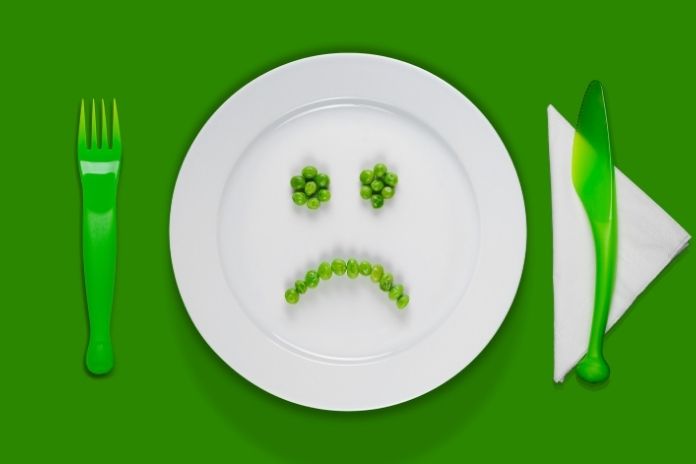
What you eat and drink directly affects how much energy your body can produce and sustain.
Nutrient deficiencies are a common but overlooked cause of lethargy. Low iron, vitamin B12, folate, or vitamin D levels are strongly linked to chronic fatigue. Iron-deficiency anemia, in particular, reduces oxygen delivery to tissues.
Common signs include:
- Weakness or low stamina.
- Breathlessness with mild activity.
- Brain fog or poor focus.
Dehydration also plays a major role. Even mild fluid loss reduces blood volume and circulation, which limits energy delivery to the brain and muscles.
Clinicians note that dehydration-related fatigue often appears as:
- Headaches
- Mental sluggishness
- Difficulty concentrating
According to the Mayo Clinic, eating meals that combine lean protein, high-fiber foods, and healthy fats helps manage blood sugar and provide steady energy throughout the day. The Mayo Clinic’s guidance on nutrition emphasizes choosing nutrient-dense foods like vegetables, fruits, whole grains, beans, lean proteins, nuts, and healthy fats to slow glucose absorption and avoid the rapid spikes and crashes associated with highly processed foods.
4. Underlying Medical Conditions
Sometimes, persistent tiredness is a symptom of an underlying medical issue rather than lifestyle habits.
Common causes include:
- Hypothyroidism, which slows metabolic energy.
- Diabetes and insulin resistance.
- Metabolic disorders.
- Chronic kidney or liver disease.
Henry Ford Health reports that thyroid disorders are frequently missed in patients with long-term lethargy, especially when symptoms develop gradually. “While it’s true that hypothyroidism slows down the body’s processes (since it’s not making enough thyroid hormone), many symptoms of the condition are easy to dismiss,” explains Shiri Levy, M.D., an endocrinologist with Henry Ford Health. “And they often mimic other conditions.”
Chronic Fatigue Syndrome (ME/CFS) involves profound fatigue that worsens with exertion and does not improve with rest. It requires a thorough medical evaluation.
5. Mental Health Issues: Stress, Anxiety, and Depression
Mental fatigue is just as real as physical fatigue.
Chronic stress keeps cortisol elevated, which disrupts sleep, digestion, immune function, and energy regulation. Over time, the body remains stuck in a constant state of exhaustion.
Depression often presents physically rather than emotionally. Common signs include:
- Constant tiredness
- Loss of motivation
- Slowed thinking
- Physical heaviness
Fatigue is one of the most common physical symptoms of depression. Psychological fatigue is often misattributed to busy schedules, delaying proper care.
Read More: 12 Evidence-Based Strategies to Counter Depression: A Complete Guide
6. Medication Side Effects or Substance Use

Fatigue is a known side effect of many commonly used medications.
These include:
- Sleep aids
- Certain antihistamines
- Some antidepressants
- Blood pressure medications
When you consume alcohol before bedtime, REM sleep typically pays the price.
“Alcohol in your system leads to your sleep being fragmented, meaning your brain briefly wakes up and interrupts your sleep cycle over and over,” explains Dr. Foldvary-Schaefer. “Every ‘awakening’ can send you back to the light sleep stage, and cuts down on your REM sleep.”
That’s bad because the REM cycle is essential for feeling bright-eyed and rested when you get up in the morning. It’s also critical for brain function, memory, and mood.
7. Burnout, Overwork, and Inadequate Recovery
Burnout isn’t just mental. It’s physical.
Chronic overwork without proper recovery depletes stress hormones, disrupts sleep cycles, and weakens immune function. The nervous system never gets a chance to reset. Burnout-related fatigue often doesn’t improve with weekend rest alone.
Common signs include:
- Feeling exhausted even after time off.
- Reduced resilience to stress.
- Frequent illness or low motivation.
Read More: Emotional Burnout vs. Depression: How to Tell the Difference
8. Circadian Rhythm Disruption
Your body runs on a 24-hour internal clock regulated primarily by light exposure.
Disruption can come from:
- Irregular sleep schedules.
- Night-shift work.
- Late-night screen use.
- Poor morning light exposure.
Circadian misalignment leads to persistent fatigue, poor focus, mood changes, and metabolic disruption. This is especially common in people who sleep enough hours but at inconsistent times.
Read More: Circadian Rhythms: Unlocking the Secrets of Your Body’s Internal Clock
9. Undiagnosed Infections or Post-Illness Fatigue
Fatigue can persist long after an infection appears resolved.
Post-viral fatigue has been documented after influenza, mononucleosis, COVID-19, and other infections. Ongoing immune activation and inflammation can continue draining energy.
Johns Hopkins Medicine notes that when fatigue starts after an illness and doesn’t go away or returns over time, it can be a sign of a deeper condition that deserves medical evaluation rather than being brushed off as normal tiredness.
Persistent fatigue that interferes with daily life long after the triggering illness may fit patterns seen in post-infectious fatigue syndromes such as chronic fatigue syndrome, and Hopkins experts recommend talking with a clinician to rule out underlying causes.
10. A Combination of Factors
In many cases, there isn’t a single cause.
Low-grade sleep deprivation, mild nutrient deficiencies, chronic stress, inactivity, and subtle medical issues often stack together. Each one alone may seem manageable. Together, they produce constant exhaustion.
This is why quick fixes rarely work. Sustainable energy comes from addressing the full picture, not just one factor.
How to Self-Check: Lifestyle Issue or Medical Concern?

Before jumping to conclusions or ignoring the problem altogether, it helps to take a structured look at what’s actually happening. Persistent lethargy often leaves clues. The goal is to spot patterns that point toward lifestyle fatigue versus signs that warrant medical evaluation.
A simple self-check can bring clarity and help you decide your next step with confidence.
Track Your Daily Habits
For one to two weeks, pay attention to how your body responds to everyday routines. Small, repeated habits often explain big energy dips.
Track the following:
- Sleep duration and sleep quality, not just time in bed.
- Meals, meal timing, and hydration.
- Physical activity, including long periods of sitting.
- Mood, stress levels, and emotional load.
- Energy highs and lows throughout the day.
When written down, patterns often become obvious. Many people notice energy crashes tied to poor sleep, skipped meals, dehydration, or prolonged screen time.
Watch for Red Flags
Some symptoms suggest that fatigue may not be purely lifestyle-related. These signs shouldn’t be ignored.
Seek medical evaluation if fatigue is accompanied by:
- Unexplained weight loss or weight gain.
- Persistent physical weakness.
- Shortness of breath with minimal activity.
- Dizziness or fainting episodes.
- Ongoing low mood or loss of interest.
- Poor concentration that affects work, driving, or safety.
These symptoms don’t automatically mean something serious, but they do mean it’s time for a professional assessment.
Consider Basic Medical Tests
When fatigue doesn’t improve with lifestyle adjustments, doctors often begin with basic screening tests to rule out common causes.
Initial tests may include:
- Complete blood count (CBC) to check for anemia or infection.
- Thyroid function tests to assess metabolic health.
- Iron and vitamin B12 levels.
- Blood glucose to screen for diabetes or insulin issues.
- Vitamin D levels.
If sleep quality is a concern, sleep studies may be recommended to evaluate conditions like sleep apnea or other sleep disorders.
This kind of self-check doesn’t replace medical care, but it helps you approach the problem informed, prepared, and less overwhelmed.
Practical Steps to Overcome Lethargy

Once you’ve identified possible contributors, the next step is making changes that actually restore usable energy. Small, consistent adjustments tend to work better than drastic overhauls.
Improve Sleep Hygiene
Sleep quality matters as much as sleep duration. Supporting your body’s natural sleep rhythm improves recovery, hormone balance, and daytime alertness.
Focus on the following:
- Keep a consistent sleep and wake schedule, even on weekends.
- Sleep in a dark, cool, and quiet room.
- Avoid screens at least one hour before bed.
- Get natural sunlight exposure soon after waking.
These changes help regulate melatonin and circadian rhythm, significantly improving sleep quality over time.
Read More: The Importance of Sleep Hygiene: Creating Your Ideal Sleep Environment
Eat for Steady Energy
Energy crashes are often driven by blood sugar swings and missed meals. Eating to stabilize energy prevents the highs and lows that worsen fatigue.
Aim to:
- Prioritize whole, minimally processed foods.
- Include a source of protein at every meal.
- Choose fiber-rich carbohydrates over refined sugars.
- Stay hydrated throughout the day.
- Avoid skipping meals or relying heavily on sugar and caffeine.
Balanced meals support sustained energy rather than short bursts followed by crashes.
Move Daily, Even Lightly
Regular movement improves circulation, insulin sensitivity, and nervous system regulation. This directly supports better energy levels.
Helpful options include:
- Walking.
- Light stretching.
- Gentle strength or mobility work.
You don’t need intensity. You need consistency. Even small amounts of daily movement add up.
Manage Stress Intentionally
Chronic stress drains energy by keeping the body in a constant state of alertness. Recovery requires deliberate downshifting.
Helpful strategies include:
- Taking real breaks, not just switching screens.
- Practicing slow breathing or mindfulness.
- Scheduling downtime without guilt or productivity pressure.
Mental recovery matters as much as physical rest.
Reevaluate Substances
Certain substances quietly interfere with sleep and energy regulation.
Consider the following:
- Limit alcohol, especially in the evening.
- Moderate caffeine intake and avoid it late in the day.
- Review medications with a doctor if fatigue persists.
Small adjustments here can lead to noticeable improvements in energy.
Address Mental Health Early
Anxiety and depression commonly present as physical fatigue rather than emotional distress. Ignoring this connection delays recovery.
If symptoms persist:
- Talk to a mental health professional.
- Seek support early rather than waiting for burnout.
Fatigue often improves significantly when mental health is properly addressed.
When Lethargy Could Signal Something Serious

Occasional tiredness is common. Persistent or worsening lethargy is not something to ignore. When fatigue doesn’t respond to basic lifestyle changes, it may be a sign of an underlying medical issue that needs evaluation.
Lethargy becomes more concerning when it starts to interfere with daily life, work performance, or safety. Early attention matters because many causes of chronic fatigue are highly treatable when identified early.
See a doctor if:
- Lifestyle changes don’t improve energy levels after several weeks.
- Fatigue continues to worsen instead of stabilizing or improving.
- New or unexplained symptoms begin to appear.
- Daily functioning, work, or concentration is significantly affected.
Medical evaluation is especially important if fatigue is accompanied by symptoms such as shortness of breath, dizziness, unexplained weight changes, or persistent low mood.
Conditions like anemia, thyroid disorders, sleep apnea, chronic fatigue syndrome, and metabolic disorders often present first as ongoing fatigue. These conditions respond best to early diagnosis and targeted treatment, which can prevent symptoms from becoming more severe or long-lasting.
If tiredness starts to feel limiting rather than temporary, it’s a signal worth listening to.
Final Thoughts
If you’re asking why I’m always feeling lethargic, your body is asking for attention, not panic. Persistent tiredness is rarely random. It’s usually a signal that something in your routine, health, or recovery cycle needs adjustment.
For many people, energy improves when sleep quality, nutrition, daily movement, stress management, and mental recovery are addressed together. These factors don’t work in isolation. When one is off, the others often follow. Small, consistent changes across multiple areas tend to be more effective than chasing a single quick fix.
At the same time, ongoing or unexplained fatigue shouldn’t be overlooked when tiredness persists despite lifestyle changes; a medical evaluation is necessary. Conditions like anemia, thyroid imbalance, sleep disorders, and mood-related fatigue are common, treatable, and easier to manage when caught early.
Energy isn’t about willpower or pushing harder. It’s the outcome of habits, physical health, and mental well-being working in balance. Paying attention to early signs and responding thoughtfully makes recovery simpler, faster, and far more sustainable.
References
- Star Health Insurance. (n.d.). Symptoms of hyponatremia.
- Lifehack. (n.d.). Always feeling tired? Your lymphatic system might be to blame.
- Cleveland Clinic. (n.d.). Sleep disorders.
- StatPearls Publishing. (2024). Hyponatremia. In StatPearls. National Center for Biotechnology Information.
- Jason, L. A., Mirin, A. A., & Sunnquist, M. (2021). Chronic fatigue syndrome and post-exertional malaise. Journal of Clinical Medicine, 10(1), 1–14.
- Author(s). (2025). [Article on fatigue or metabolic health]. European Journal of Clinical Nutrition.
- Clinical Excellence Commission. (n.d.). Spotting the signs of poor nutrition.
- Cleveland Clinic. (n.d.). Malnutrition.
- Revista de Nutrición Clínica y Metabolismo. (n.d.). Importance of hydration as nutrition in a balanced diet.
- Mayo Clinic. (n.d.). Chronic fatigue syndrome: Symptoms and causes.
- StatPearls Publishing. (2024). Fatigue. In StatPearls. National Center for Biotechnology Information.
- Mayo Clinic. (n.d.). Mental illness: Symptoms and causes.
- Better Health Channel. (n.d.). Types of mental health issues and illnesses.
- Cleveland Clinic. (n.d.). Mental health disorders.
- National Institute of Mental Health. (n.d.). Mental illness.
- Cleveland Clinic. (n.d.). Circadian rhythm.
- StatPearls Publishing. (2024). Circadian rhythm sleep-wake disorders. In StatPearls. National Center for Biotechnology Information.
- Sleep Foundation. (n.d.). Circadian rhythm.
- Cleveland Clinic. (n.d.). Circadian rhythm disorders.
- Harvard Medical School. (n.d.). Circadian rhythms and the brain.
In this Article