







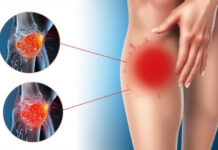









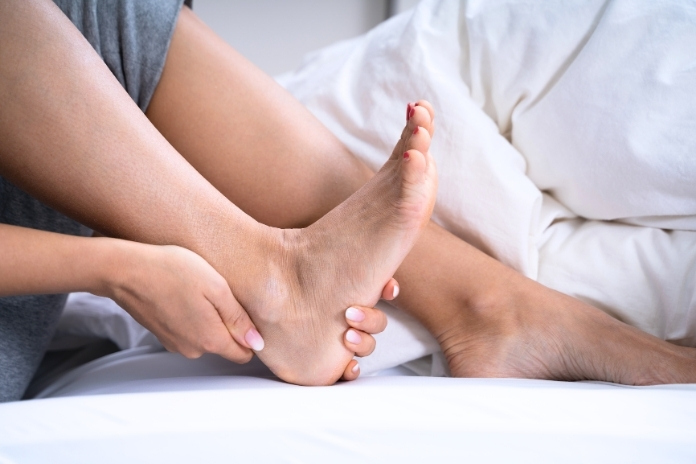
The experience of “heavy legs” is surprisingly common but often very puzzling. It is typically experienced as fatigue, heaviness, or lethargy in the legs, as if they are weighed down or harder to move than usual.
Heavy legs affect a wide range of individuals, including senior adults, people who stand all day, office workers who sit for extended periods, and anyone experiencing circulation problems or lifestyle-related strain.
This article explains the definition of “heavy legs” by examining typical lifestyle and medical causes.
Read More: 10 Curable Home Remedies To Relieve Tired Legs And Feet
Common Causes of Heavy Legs at the End of the Day
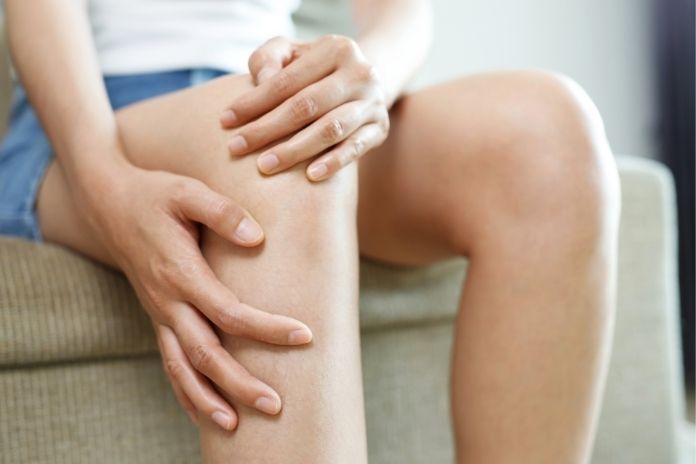
Your legs may feel heavy for several reasons. After a long day or vigorous activity, it’s common to feel a little tired in your legs, but persistent heaviness may indicate a more serious problem. Here are a few typical reasons:
Poor Circulation: Poor circulation is the primary cause of heavy legs. When blood flow to your legs is poor, your muscles simply aren’t getting the correct amount of oxygen they need to function correctly, which can directly contribute to that feeling of heaviness in your legs, especially when you are standing or walking for a long time.
Chronic Venous Insufficiency (CVI): Abnormal functioning of vein valves causes this condition. Your legs may feel heavy and swollen due to blood pooling. Your physician may prescribe the use of compression stockings to apply pressure to your legs and improve blood flow in case of venous insufficiency.
Your leg heaviness could be a sign of chronic venous insufficiency if it worsens at night or after prolonged sitting or standing. Leg cramps, restless legs syndrome, aching leg veins, leg swelling, spider veins, and varicose veins are just a few symptoms of vein disease. You should consult a vein specialist, as the only way to treat chronic venous insufficiency is through minimally invasive treatments such as Venaseal and radiofrequency ablation.
Muscle Fatigue: If you stand or walk for extended periods, your leg muscles may become weary. It becomes especially true when you’re not accustomed to working out. Your legs may feel achy, weak, and heavy due to muscle fatigue. Rest your legs frequently to relieve muscle strain.
To lessen swelling, raise your legs above your heart. You can also take a warm bath or massage your legs.
Peripheral Artery Disease: An accumulation of fat and cholesterol in your arteries can lead to peripheral artery disease (PAD). These accumulation areas, called plaques, constrict the arteries, reducing the amount of blood that may pass through them. Oxygen-rich blood is transported from your heart to your arms and legs by your arteries.
Leg cramps, discomfort, and heaviness may result from PAD because blood has a harder time getting to your legs.
These are frequently the initial signs of the illness. Tell your doctor or vein specialist if you suffer from PAD-related leg heaviness. Your treatment approach may need to be modified if you have PAD, since some medications may do more harm than good.
Obesity or Excess Weight: Individuals who are obese or are overweight are at higher risk of developing CVI and having impaired circulation in their legs. Being overweight strains the veins in the legs and pelvis, which, over time, might harm the vein valves.
The vein walls eventually become too weak to regain their normal size and shape, and they are unable to adequately return blood to the heart. The legs and feet feel heavier than usual as blood accumulates there.
Leg heaviness can also result from a sedentary lifestyle, characterized by prolonged sitting and insufficient exercise. Blood circulation slows down if your leg muscles aren’t pushing blood into your veins. Leg heaviness is a common problem among those who work in occupations that require prolonged sitting.
Pregnancy: Pregnancy is a typical cause of heavy legs. It is because the legs and pelvis are under more weight and strain. Edema, or swelling in the legs and feet, is common in pregnant women and can contribute to heaviness.
Deep Vein Thrombosis (DVT): A blood clot that develops in a deep vein, typically in the leg. This clot may cause leg heaviness, discomfort, swelling, and cramping. DVT is a dangerous illness that requires treatment. If you suspect DVT, you need to consult a doctor right away.
To remove the clot, your doctor can advise taking blood thinners or having surgery. DVT may be fatal if left untreated.
Restless Legs Syndrome: This disorder causes unpleasant sensations in the legs that create a compelling urge to move them. Many RLS sufferers report their legs as feeling heavy, creeping, throbbing, or painful. Once you start moving your legs, these symptoms usually go away, but they come back nearly instantly when you stop.
Since symptoms of RLS are typically severe at night, it can also be challenging to get to sleep and stay asleep.
Researchers and doctors are quite unsure of the exact cause of RLS, though they suspect low iron levels or specific genes may trigger it. Pregnancy, alcohol use, and nicotine use increase the likelihood of RLS, and all of these factors have been linked to vein problems and possible leg heaviness.
Other Medical Conditions and Specific Medications: Injuries such as sprains and strains can occasionally cause a sensation of heavy legs. Kidney, liver, or heart diseases can occasionally cause edema and heavy legs. You should consult a doctor as soon as you notice odd swelling that does not go away.
Related Symptoms to Pay Attention To
Usually, leg heaviness results from another illness that may influence your symptoms.
The following are typical signs of heavy legs:
- Swelling in lower legs, ankles, and feet
- Scorching, tingling, aching, or throbbing sensations
- Skin that is tight and shiny
- Purple, brown, or red skin
- Open ulcers on your shins or ankles
- Any varicose or spider veins
CVI is only one cause of leg heaviness; other conditions and factors can also make your legs feel heavy and full. Having trouble walking or standing at the end of the day is another issue. You have some control over these elements, but not all of them.
It’s also crucial to remember that having one or more of these risk factors does not guarantee that you will experience leg heaviness.
Read More: Treating Blood Clots in Legs and 8 Impressive Home Remedies Without Side Effects
Home Remedies and Lifestyle Fixes That Help Reduce Heavy Legs

Making changes to your daily routine in terms of exercise, diet, and stress management can have a significant impact on your health and on how easily you get heavy legs.
- Regular exercise, such as brisk walking, cycling, and swimming, will strengthen your leg muscles, improve circulation, help fight fatigue, and increase endurance. Stretching your leg muscles with yoga postures and gentle stretches will increase strength and flexibility, improve circulation, and help reduce leg pain.
- Maintaining a good, healthy weight by eating a balanced diet and exercising regularly can ease leg discomfort and reduce the risk of becoming overweight.
- Steer clear of standing or sitting for extended periods of time. If you work a sedentary job, take breaks to move around and avoid standing for long stretches.
- Drink plenty of water during the day. This is crucial for overall health and can also improve circulation.
- To guarantee enough nutrition, eat a diet strong in antioxidants from fruits and vegetables, high-quality protein from grass-fed sources, healthy fats from fatty fish, olives, avocados, nuts and seeds, and whole grains.
- Steer clear of fast or processed foods that are high in sugar, unhealthy fats, and artificial additives, as well as refined carbohydrates and added sugars.
- Limit your intake of alcohol and caffeine. These two substances may worsen dehydration. You should avoid alcohol because it harms the body in multiple ways.
- Try to keep your legs uncrossed while sitting, as excessive leg crossing can impede blood flow and cause discomfort.
- Leg massages can improve circulation and relax tense muscles, helping reduce the feeling of heaviness.
- Periodically raising the legs above the level of the heart helps ease strain on the veins in the legs and encourages blood flow back to the heart. It can also be beneficial to sleep with your legs slightly raised.
- Give up smoking. Smoking directly impacts varicose veins, other venous disorders, and their consequences.
“If your legs routinely feel heavy, especially after sitting or standing in one position for a long time, the culprit may surprise you.” According to Duke Health vascular surgeon Sathish Mohan, MD, varicose veins are a common cause. “Most people think varicose veins are only a cosmetic concern, but this condition can progress to cause significant discomfort, including feeling like your legs are made of lead,” Dr. Mohan said. “The good news is there are things we can do to help.”
Medical Treatment Options (When Home Remedies Aren’t Enough)
Heavy legs may warrant a visit to the doctor if they don’t respond to lifestyle changes, natural remedies, or other self-care. Correct diagnosis is the key to finding the most effective help.
Compression Stockings: One of the first steps to combat heaviness in the legs caused by poor circulation is to wear compression stockings. They help to push against your legs to promote blood flow and reduce swelling.
They help reduce heaviness when worn regularly, especially when standing or sitting for long periods.
Endovenous Laser Ablation (EVLA): EVLA is a standard treatment for venous insufficiency. This technique uses the laser energy to seal off damaged veins. It is perfect for treating varicose veins and other underlying causes of leg heaviness because it is minimally invasive.
Within weeks, the majority of patients who undergo this outpatient procedure report feeling a great deal of comfort.
Radiofrequency Ablation: Another very successful treatment for venous insufficiency is radiofrequency ablation, or RFA. RFA shuts off troublesome veins and reroutes blood to healthier veins by heating them with radiofrequency energy.
This therapy is an excellent choice for people who have leg heaviness because it is minimally invasive and has a short recovery period.
VenaSeal: VenaSeal is a newer procedure that seals varicose veins with a medical adhesive. In contrast to more conventional methods that use heat or laser radiation, VenaSeal is a non-invasive process that provides a quick recovery with no discomfort.
This treatment effectively addresses the underlying cause of leg heaviness associated with venous insufficiency.
Sclerotherapy: This treatment involves injecting a solution into the vein, causing the vein to collapse and eventually disappear. For tiny varicose veins or spider veins that cause leg heaviness, this is the perfect remedy. Sclerotherapy is a short-term solution with little recovery time.
Read More: Understanding Knock Knees: Causes, Treatment, and Prevention Strategies
When to See a Doctor
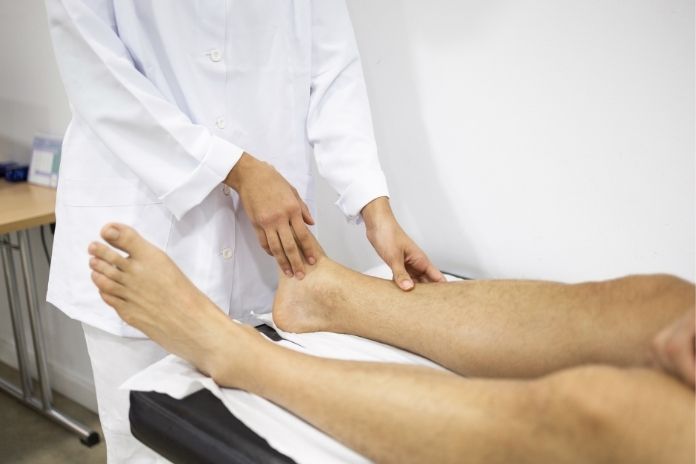
You should get medical help right away if you have any of the following symptoms:
- After two days, your swelling hasn’t gone down
- There is no apparent cause or injury (such as an ankle sprain), and the swelling is limited to one side
- Your swelling began suddenly and is really painful
- You have chills and a fever
- If you’re diabetic
Make sure to mention any recent travels, recent surgeries, heart conditions, and any skin changes on the affected limb if you are visiting a new doctor who is unaware of your medical history. It will help them decide which tests to run to identify what is causing your edema and heavy legs.
Seek medical help if your edema is persistent or chronic. The progressive nature of chronic edema may lead to infections and long-term impairment. Consult your physician to determine the best course of action, as results are far better when the underlying disease is detected early.
Conclusion
Heavy legs are most often the result of everyday activities, like sitting or standing for too long, a challenging workout, or the heat. Typically, the heaviness is temporary and resolves with rest, hydration, and gentle movement. But if heavy legs won’t go away, it may indicate a problem with circulation, nerves, or fluid retention.
Don’t ignore neuropathy, chronic edema, peripheral artery disease (PAD), or chronic venous insufficiency (CVI).
Recognizing the symptoms early can make a very significant difference. When you realize what your body is calling for, it is much easier to make the right moves and protect your long-term leg health.
There are simple lifestyle habits you can adopt to prevent chronic leg heaviness and promote overall good health, such as remaining physically active, elevating your legs when appropriate, using compression if needed, and maintaining an adequate weight.
References
- Varicose and Spider Veins Treatment Institute. Leg heaviness.
- Vein Institute. Legs feel heavy? 4 causes backed by medical insight.
- The Vein Institute. (2020, September 4). Why do my legs feel heavy at the end of the day?
- Oceana Vein Specialists. Why do my legs feel heavy?
- Vein Treatment Clinic. (December 7). What makes your legs feel heavy? 7 Possible causes
- VeinSolutions. What heavy legs could be saying about your vein health.
- Vein Treatment. Best Treatment for Heaviness in Legs: Find Relief Today.
- Vein Centers Long Island. Treatment for heaviness in legs.
In this Article