














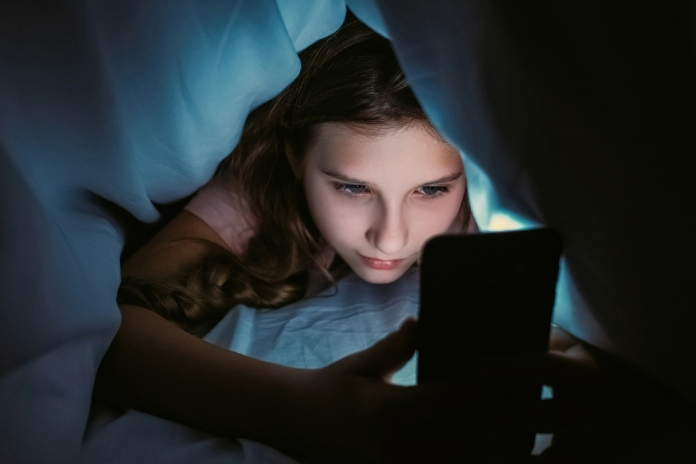
Screens have slowly consumed almost every aspect of our daily lives. From scrolling through social media at the end of the day to waking up to a phone alarm, the average person spends hours addicted to their electronics. While most conversations about screen addiction are about productivity or mental health, several medical professionals are now voicing concern over the impact of screen addiction on fertility as well.
Screen addiction may be slowly sabotaging your fertility without you even knowing it, from wrecking your sleep cycle to leading a sedentary life, and also affecting intimacy between couples.
As the lines between work and home blur and our screens demand our attention, it’s essential to understand the effect of modern lifestyles on fertility. In this article, we summarise the exciting findings of a new study looking at hormonal health, screen time, and fertility.
Read More: Tech Neck Epidemic: Exercises to Combat Screen Time Strain
How Long Working Hours Affect Fertility
Working long hours in front of computers and mobile devices has become the new norm for many professionals, particularly in metropolitan areas. Even after work, when many employees may be responding to late-night emails and job demands, stressful work environments frequently encourage workers to remain hooked to their screens.
To truly relax, people too often spend their time scrolling through social media and binge-watching television, which usually involves screens and late nights.
These behaviors eventually lead to stress, poor diet, and lack of sleep, which in turn cause hormone imbalances and other lifestyle choices that impair fertility.
Fertility experts are seeing an increasing number of couples in the modern era who struggle to conceive despite having no structural or genetic issues. Their daily decisions are frequently the underlying cause of this.
How Screen Time May Affect Fertility

There are various ways that screen time can affect fertility:
Hormonal Disruption and Blue Light: Spending too much time on screens at night floods the eyes with blue light, which can suppress melatonin and interfere with sleep. One of the hormones that helps regulate the sleep-wake cycle in the body is melatonin. Its levels usually rise at night to promote sleep and decrease during the day to help wake us up.
The result? A hormone fooled by blue light from screens, disrupting sleep and the circadian cycle. Interestingly, melatonin is also instrumental in helping women preserve egg quality and ovarian function. Infertility results from this impact on ovulation and egg quality.
“When melatonin levels drop, our sleep cycles can be disturbed,” reproductive health expert Dr Puneet Rana Arora tells Health Shots. This makes it harder for our bodies to recover and maintain a healthy balance of hormones.
High-Stress Workplaces: One of the most significant workplace variables affecting fertility is stress. Chronic stress can also lead to changes in hormone levels, which explain men’s falling sperm counts and women’s erratic periods.
Learning stress-busting behaviours, such as taking a break, exercising, or mindfully watching the world, can help you maintain your work-life balance, fertility, and reproductive health.
Sedentary Work Lives: Sitting over desks for hours (as many sedentary jobs require) has been associated with low sperm motility in men, as well as irregular ovulation in women.
Obesity already contributes to infertility, and an increasingly sedentary lifestyle only intensifies the problem.
Balance out those negatives (plus improve your quality of life and fertility!) by incorporating mobility into your day, with standing desks, some stretching, and short walks.
Screens and Stress: Because our brains are constantly scrolling and overstimulated, we are almost in a perpetual state of stress, as the so-called “stress hormone,” cortisol, is released in response to this constant digital stimulation.
The hormonal pathway regulating our fertility, the hypothalamic-pituitary-gonadal (HPG) axis, can become disrupted by continually high levels of cortisol, ultimately making some men less likely to produce sperm and some women prone to menstrual cycle irregularities.
Read More: Combat Digital Eye Strain: 7 Blue Light Blocking Glasses for Screen Time Relief
Gender-Specific Effects of Overwork and Screen Exposure
In Women
Women who spend excessive time on screens can disrupt their hormonal cycles because of constant stimulation and irregular routines:
- Blue light disrupts sleep quality.
- Uneven sleep patterns are caused by using screens too late into the night.
- Digital overload and greater stress levels.
Ovulation, regular menstruation, and general reproductive health can all be impacted by these disturbances, particularly in women who already have low AMH or other hormonal imbalances.
In Men
Watching screens daily can increase exposure to radiation or heat, which can reduce sperm quality.
- Long-term laptop use can raise the temperature around the testicles, potentially reducing sperm count.
- Over time, carrying cell phones in trouser pockets might have a similar effect.
It could be a contributing factor, particularly for men who are already experiencing low motility or sperm count.
Science-Backed Ways to Protect Fertility While Working Long Hours
Experts advise making these helpful adjustments:
Establish clear Boundaries at Work: Make an effort to complete tasks by the same time every day. Plan brief pauses every hour to take a quick stroll or stretch. These initiatives enhance overall well-being and reduce stress.
Follow the 20-20-20 rule while taking Screen Breaks: Spend 20 seconds staring at something at least 20 feet away for every 20 minutes of screen time. Additionally, to promote melatonin production and better sleep, turn off electronics at least an hour before bed.
Maintain a Regular Meal Schedule: Hormones that regulate hunger and insulin sensitivity can be affected by irregular eating, such as skipping meals at work and then overindulging the next day. Throughout the day (or night!), try to eat three big meals and two to three snacks.
If you work overnight and eat during this time, remember that it’s normal for your body to feel less full after eating at night than during the day. To help promote fullness, you should eat plenty of high-fiber vegetables, meat, fish, eggs, high-protein Greek yoghurt, tofu, legumes, and other protein-rich foods.
You should also avoid grazing all night long on a quick energy source to keep you awake.
Make getting a good night’s Sleep a Priority: Try to get between seven and eight hours every night. Maintaining hormonal balance and reproductive health is made easier with a routine and a cold, dark sleeping area.
Snack with a Purpose: Although people sometimes overlook it, snacking can actually play a decisive role in supporting your fertility diet. Aim for protein-rich (boiled eggs, yoghurt, protein muesli bar), fiber-filled (fruit with nut butter, wholegrain crackers & hummus), and nutrient-dense (nuts, berries, homemade bliss balls) snacks instead of quick-release carbohydrate-rich snacks that spike your blood sugar.
Intentional snacking helps you avoid energy slumps and provides you with several chances to sneak in essential nutrients that are good for conception.
Exercising Regularly: Going for a brisk walk, cycle ride, or some yoga for 30 minutes a day increases blood flow, reduces body fat and stress, and helps both sides of the reproductive divide.
Limit Caffeine: Although you may need coffee to stay awake, moderation is essential for fertility. When you’re trying to conceive or are pregnant, consuming more than 200 mg of caffeine daily can delay conception, lower birth weight, and increase the risk of pregnancy loss.
Read More: I Tried No Screens During Meals – Here’s How It Changed My Health and Mindset
When to Seek Professional Help

Although changing one’s lifestyle can significantly improve reproductive health, there are situations where professional advice is crucial. It’s time to see a specialist if you have been trying to conceive for a year, or six months if you’re over 35.
If lifestyle changes don’t tip the scale in your favor, consider your options for fertility treatment. If you’re hoping to become pregnant or are trying to, consulting with a fertility doctor can help you identify a more individualized option, such as hormone therapy, IVF, or IUI.
It’s also nice to understand how your everyday schedule at work and elsewhere impacts your reproductive health, so you can optimize your fertility and enhance your path toward parenting.
Conclusion
In the rush of modern life, fertility can quietly become yet another thing that gets pushed aside. Long hours, annoying notifications, and sleepless nights gradually erode that balance, often creeping up on us quietly. Most of us don’t realise how intertwined our work, stress, screen time, and reproductive health are.
The good news? Small, mindful adjustments create a tangible effect on fertility. You don’t have to quit your job to protect your fertility; you have to start living in accordance with your biology, not against it.
Scheduling downtime, leaving technology behind, controlling stress levels while staying active are all ways to help your natural rhythms find their way back home.
References
- MSN. Is screen addiction quietly fuelling infertility? Doctors explains the hidden risks.
- Dr. Trupti Shirole. (2025, November 23). How digital life could be affecting your fertility.
- Allahbadia IVF Clinic. 6 surprising ways your job could impact your fertility.
- India TV. Shivani Dixit. (2025, November 17). Constant screen time, rising stress: Why young couples are facing hidden fertility issues.
- The Dietologist. How to support your fertility while working shift work.
- Tavishi Dogra. (2025, November 8). Can long working hours and screen time affect fertility? Doctor suggests 5 lifestyle changes to help.
In this Article