











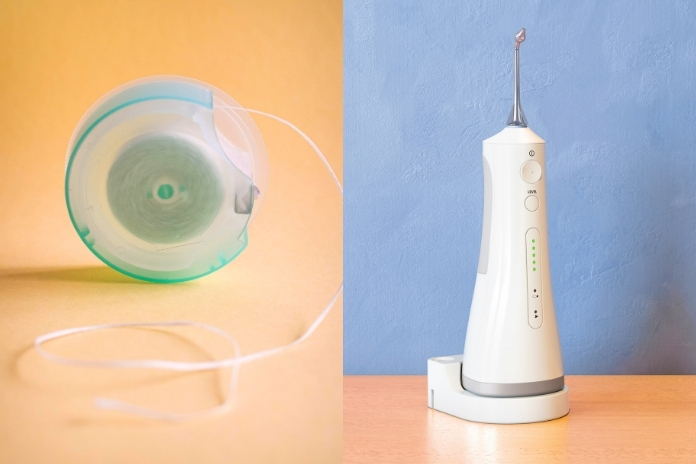
You brush twice a day, but how often do you floss? And more importantly, what’s the best way to do it?
For years, traditional string floss has been the go-to for cleaning those tight spaces your toothbrush can’t reach. But today, with advanced oral hygiene tools gaining popularity, many are switching to water flossers. The water flosser vs string floss debate has become one of the most common questions in home dental care.
Both methods aim to remove plaque and food particles between teeth and below the gumline, but they work differently. String floss uses direct contact to scrape away buildup, while a water flosser (often known by the brand name Waterpik) uses a steady jet of water to gently clean around teeth and gums.
This difference in technique can affect not just how your teeth feel, but also your long-term gum health. Dentists say the best method depends on your needs. Traditional floss remains highly effective when used correctly; it offers a deep clean for those with healthy gums and good manual dexterity.
However, water flossers are ideal for people with braces, implants, or sensitive gums. They’re easier to maneuver, more comfortable for daily use, and still deliver impressive plaque removal
Ultimately, flossing in any form is essential for a healthy smile. Understanding the strengths of each method helps you make smarter choices for cleaner teeth, stronger gums, and better oral health every day.
Read More: 20 Habits That Wreck Your Teeth: Know What You Are Doing Wrong!
Key Takeaways: What You’ll Learn
Water flossers and traditional string floss differ mainly in how they clean your teeth.
- Traditional floss uses a thin string to scrape away plaque and food particles between tight spaces, giving you more control but needing a bit of skill.
- Water flossers, like Waterpik, use a gentle, pulsating stream of water to wash away debris between teeth and below the gum line.
- They’re a great option if you have braces, dental implants, or sensitive gums, or simply want an easier, gentler way to keep your mouth clean.
When it comes to plaque removal and supporting gum health, research suggests water flossers may remove up to 29-50% more plaque and reduce gingivitis better than string floss.
They are effective in hard-to-reach areas and promote consistent use due to their ease of operation. However, traditional floss remains highly effective, especially for precise cleaning in narrow spaces, and is recommended by the ADA.
Choosing between the two depends on your dental needs. Water flossers are excellent for those with dental appliances, dexterity challenges, or gum sensitivity, while traditional floss suits those who prefer precise control and portability. Some experts recommend combining both methods for optimal oral care.
Experts agree that the best flossing routine is the one you can maintain regularly. Incorporating flossing, whether water, string, or both, into your daily oral hygiene is key to healthier gums, reduced plaque, and overall dental health.
Read More: Best Oral Hygiene Routine Beyond Brushing and Flossing
Why Flossing Matters More Than You Think
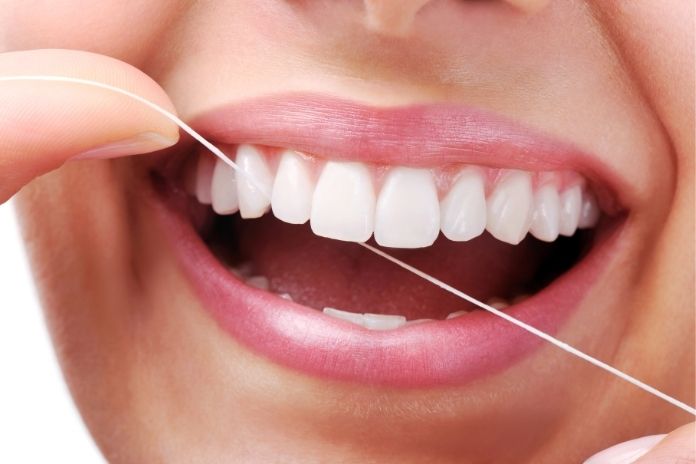
Flossing matters more than you might realize because even the best toothbrush misses about 40% of tooth surfaces, especially those tricky spots between teeth and along the gumline. These are the very areas where plaque tends to build up, which can lead to gum inflammation (gingivitis), bad breath, and eventually cavities if left unchecked. That’s why flossing is a crucial step in dental care at home.
The American Dental Association (ADA) recommends flossing daily but doesn’t prioritize one method over another, whether it’s traditional string floss or water flossers, because both effectively remove plaque when used consistently. The key takeaway is that the best floss is the one you’ll actually use regularly.
Consistent flossing supports gum health by clearing the plaque and bacteria that brushing alone can’t reach. Over time, this simple habit helps prevent gum disease and promotes fresher breath. So, whether you prefer the tactile feel of string floss or the ease of a water flosser, incorporating flossing into your daily routine is essential for a healthier mouth and smile.
Read More: Effortless Oral Care: The Top 7 Water Dental Flossers For Superior Dental Hygiene
How They Work: Water Flosser vs. String Floss
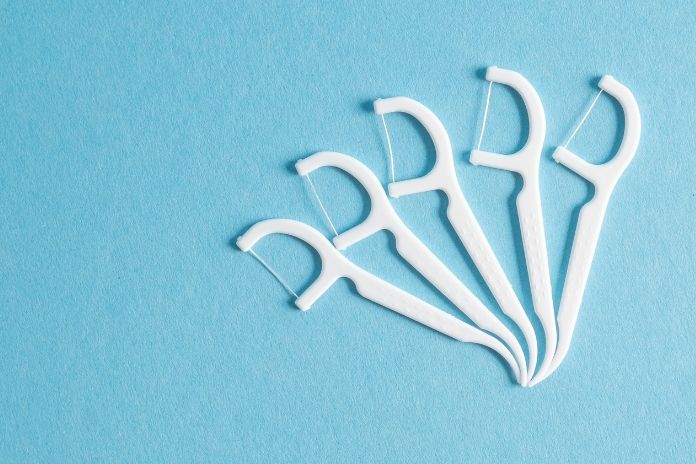
Water Flosser (Oral Irrigator)
A water flosser uses a motor-driven pump to create a pressurized, pulsating stream of water that effectively dislodges food particles and plaque from between teeth and below the gumline. This gentle yet powerful water jet not only cleans where your toothbrush can’t reach but also massages and stimulates gums, promoting healthier tissues.
The pressure and pulsations work together to break up plaque and wash it away, which is especially beneficial for people with sensitive gums, braces, or dental implants.
Popular brands include Waterpik®, Philips Sonicare AirFloss, and Oral-B WaterJet. This tool offers an easier-to-use alternative to string floss, making consistent flossing more achievable for many users.
Traditional String Floss
String floss relies on a thin filament to physically scrape plaque and trapped food off the surfaces between your teeth. It demands manual dexterity and proper technique to avoid injuring gums but offers precise control and tactile feedback, which some users prefer.
When used correctly, it efficiently cleans narrow gaps that water flossers might miss. Both methods are effective for maintaining oral hygiene, with the best choice being the one you use consistently.
Read More: Best Oral Hygiene Routine Beyond Brushing And Flossing
Side-by-Side Comparison
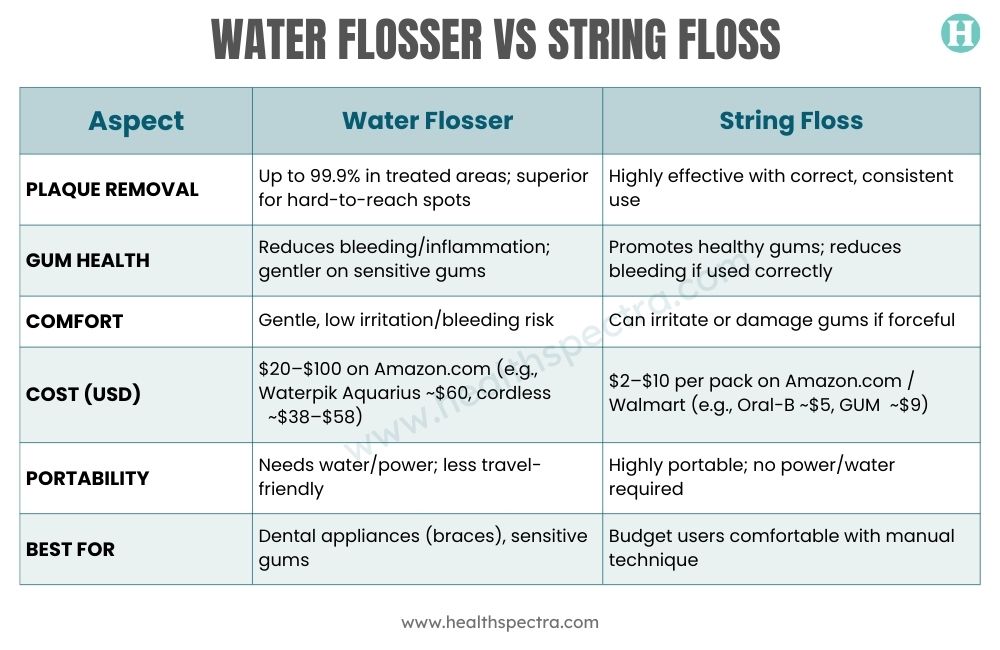
Water flossers and string floss both effectively clean between teeth, but they differ in plaque removal, ease of use, and suitability for various needs. Studies indicate water flossers remove up to 99.9% of plaque from treated areas and excel in hard-to-reach spots. String floss works well, too, though it requires proper technique for best results.
Read More: Oral Health Matters: Unique Practices For National Dental Hygiene Month
Benefits and Limitations
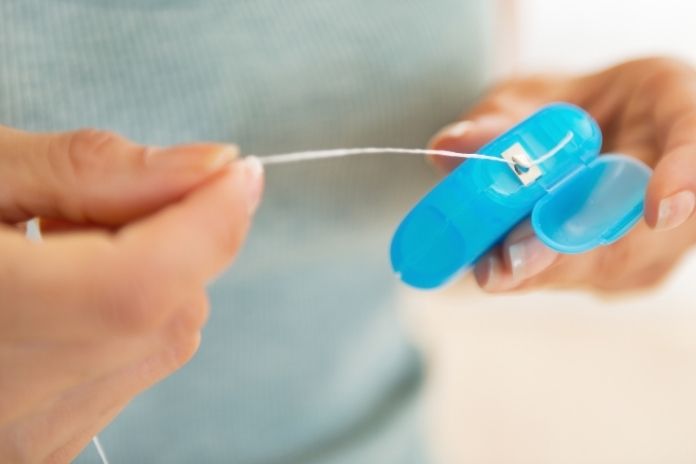
Water flossers are gentle, easy to use, and great around braces, implants, and sensitive gums, encouraging more consistent cleaning. However, they cost more, take space, need power and water, and may not scrape sticky plaque as effectively as string floss, which is precise, cheap, and portable but technique-sensitive and sometimes uncomfortable.
Water Flosser: The High-Tech Helper
Water flossers offer a gentle and effective way to boost gum health. Their pulsating water streams reach deep between teeth and below the gumline, removing food particles and plaque that brushing alone often misses. This makes them especially useful for cleaning around braces, bridges, and dental implants, where traditional floss might struggle to navigate.
The water’s massaging action also improves circulation in the gums, reducing inflammation and bleeding, which is vital for maintaining healthy gums during orthodontic treatment or for those with sensitive tissues.
One of the biggest advantages of water flossers is that they encourage consistent use. Many users find them easier and quicker to use compared to manual string floss, which can be fiddly or uncomfortable. This convenience helps people maintain better daily oral hygiene without the effort of traditional flossing demands.
However, water flossers have some limitations. They have a higher upfront cost and require countertop space along with access to electricity and water, which can make them less portable than string floss.
Additionally, while water flossers excel at flushing out debris, they may not be as effective at scraping away sticky plaque as string floss can. For this reason, some dental experts suggest incorporating water flossers alongside traditional flossing for the most thorough cleaning.
String Floss: The Classic Standard
String floss offers a direct, mechanical way to remove plaque by physically scraping it off between teeth. It’s portable, inexpensive, and widely available, making it a convenient choice for many.
One of its biggest advantages is the control it gives you, allowing you to precisely clean tight contacts and curve the floss around each tooth for a thorough clean. Because it’s simple and compact, you can carry it easily when traveling or on the go.
However, string floss has some limitations. It is technique-sensitive, meaning improper use can harm your gums by causing cuts or irritation. Some people find reaching back molars or cleaning under bridges particularly challenging with string floss.
Additionally, many find the process tedious or uncomfortable, which often leads to skipping flossing altogether.
Despite these challenges, string floss remains a tried-and-true method for effective interdental cleaning. With proper technique and regular use, it plays a vital role in preventing plaque buildup, gum disease, and cavities.
The key is developing a consistent flossing habit, whether you prefer string floss or an alternative tool, to maintain optimal oral health.
What Science Says? Research Findings
Clinical studies consistently highlight the effectiveness of water flossers in improving gum health. Waterpik research shows that using a water flosser can reduce gingival bleeding by up to 93% compared to string floss.
In fact, one study found that when used with regular toothbrushing, the Waterpik water flosser was twice as effective as traditional floss in reducing gum bleeding after just two weeks, with even greater improvement over a month.
A 2019 review in the Journal of Clinical Dentistry concluded that both water flossers and string floss are effective at controlling plaque. However, water flossers excel in reducing gum inflammation and encouraging patient compliance, likely due to their ease of use.
These findings support why many dental professionals recommend water flossers, especially for those with sensitive gums or orthodontic appliances.
Importantly, the American Dental Association (ADA) grants its Seal of Acceptance to both water flossers and certain dental floss products, signaling they meet high standards for safety and clinical efficacy when used properly.
This endorsement reinforces that whether you choose a water flosser or traditional floss, the key to oral health is consistent and correct use tailored to your personal needs.
Ultimately, the science backs both tools as valuable parts of oral care that can significantly reduce plaque, prevent gingivitis, and promote healthier gums.
Read More: 8 Home Remedies Remove Tartar Plaque
Expert Insights: Which One Do Dentists Recommend?
Dentists commonly recommend string floss for its precision in scraping plaque from between teeth, especially for patients with healthy gums and good manual dexterity. Its direct mechanical action allows for thorough cleaning in tight spaces, making it a trusted choice for many.
However, for patients with orthodontic appliances, gum disease, dental implants, or dexterity challenges, water flossers are often preferred. These devices use a pulsating stream of water that gently cleans around braces and dental work while reducing gum inflammation and bleeding.
Many dental professionals endorse combining both methods for the most thorough oral care: start with string floss to remove sticky debris, then follow with a water flosser to flush out remaining particles and bacteria. This dual approach can improve gum health and make flossing easier to maintain consistently.
Dr. Mark Burhenne, a well-known dentist and author, often shares expert insights on flossing. He recommends using both string floss and water flossers as complementary tools for maintaining optimal oral health. Dr. Burhenne emphasizes that the best flossing routine is one that suits your personal dental needs and is used consistently.
Ultimately, whether you choose a water flosser, string floss, or both, the key is consistent, proper flossing to maintain a healthy smile.
How to Use Each the Right Way
For Water Flossers
To use a water flosser the right way, start by filling the reservoir with lukewarm water, which is gentle on your gums and teeth. Lean over the sink, place the tip inside your mouth, and keep your lips slightly closed to avoid splashing. Begin with the lowest pressure setting and aim the water stream along your gumline.
Move slowly from tooth to tooth, spending about 1 to 2 minutes cleaning both the front and back sides of your teeth. After flossing, empty and clean the tank to keep the device hygienic and ready for your next use.
For String Floss
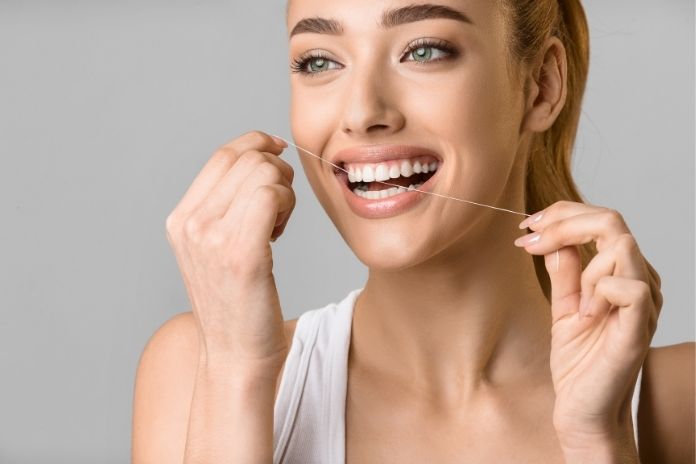
For string floss, take about 18 inches and wind the ends around your middle fingers, leaving a few inches to work with. Slide the floss gently between your teeth, curving it into a “C” shape around each tooth. Rub the floss up and down against both tooth surfaces to remove plaque and debris.
Always use a clean section of floss for each tooth to avoid transferring bacteria. Once done, rinse your mouth to clear out any loosened particles. Regular and careful use of these flossing methods will help maintain a healthy, clean smile.
This routine maximizes effectiveness, protects your gums, and fits easily into daily oral care.
Choosing What’s Best for You
If you have braces, bridges, implants, or sensitive gums, a water flosser might be your best choice. It offers gentle yet effective cleaning, and many people find it more convenient and easier to use, especially if you have limited dexterity.
Water flossers can reach tricky areas that traditional floss might miss, making them ideal for those with dental appliances or gum sensitivity.
On the other hand, if you want maximum plaque removal and enjoy precise control, string floss is excellent. It’s cost-effective, portable, and great for those who travel often or prefer a simpler, no-electricity-needed routine. String floss lets you scrape plaque directly from tight contacts, which is difficult for water flossers to replicate.
For the best of both worlds, many dental experts recommend using both once daily string floss first to remove sticky debris, then a water flosser to flush out remaining particles and bacteria. This combination approach leverages the strengths of each method and supports comprehensive oral hygiene.
Ultimately, the best floss is the one that fits your lifestyle and you’ll use consistently. Consult your dentist to tailor the right routine for your individual needs and dental health goals.
Read More: Naturally Fresh The Top 7 Fluoride Free Toothpastes For A Healthy Smile
Quick Recap
Both water flossers and string floss are effective tools for maintaining good oral hygiene, but they excel in different areas. Water flossers improve gum health by using a pulsating stream of water that reaches below the gumline,helping reduce inflammation and bleeding.
They are especially helpful for people with braces, implants, or sensitive gums who might find traditional flossing difficult or uncomfortable.
On the other hand, string floss excels at plaque removal through direct mechanical scraping between teeth. It allows precise control and is particularly effective in cleaning tight spaces where water flossers might not reach as thoroughly. String floss is also portable, inexpensive, and does not require power or water, making it convenient for travel and everyday use.
However, what truly matters more than the tool itself is consistent use and proper technique. The effectiveness of any flossing method depends on how regularly and correctly you use it. For most people, the best flossing solution is the one they will comfortably use daily without skipping.
Dentists often suggest combining both methods for optimal results, using string floss to clear stubborn plaque and following up with a water flosser for a deep clean and gum stimulation. Ultimately, adopting a flossing routine you can maintain consistently will do the most for your oral health, whether you prefer water flossers, string floss, or both.
Read More: Toothache – Causes, Treatment, and Home Remedies
References
- Mohapatra, S., Rajpurohit, L., Mohandas, R., & Patil, S. (2023). Comparing the effectiveness of water flosser and dental floss in plaque reduction among adults: A systematic review. Journal of Indian Society of Periodontology, 27(6), 559–567.
- Mayo Clinic Staff. (2025, January 29). Dental floss vs. water flosser: Which is better? Mayo Clinic.
- Harvard Health Publishing. (n.d.). Gingivitis: Reversing and preventing early gum disease. Harvard Medical School.
- Merck Manuals Professional Edition. (n.d.). Systemic disorders and the mouth. Merck & Co.
- Oral-B. (n.d.). Water flossers vs. string floss: Which is better for you? Oral-B.
- Mohapatra, S., Rajpurohit, L., Mohandas, R., & Patil, S. (2024). Comparing the effectiveness of water flosser and dental floss in plaque reduction among adults: A systematic review. Journal of Indian Society of Periodontology, 27(6), 559–567.
- A New Smile. (n.d.). Should you skip the string floss and opt for a water flosser instead?
- Oracura. (n.d.). String vs. water flosser: Which one is right for you?
- Abdellatif, H., & Goyal, C. R. (2021). Comparison between water flosser and regular floss in the efficacy of plaque removal. Journal of Dental Sciences.
- AlMoharib, H. S., et al. (2024). The effectiveness of water jet flossing and interdental flossing on plaque reduction: A systematic review. PMC.
- Kotsakis, G. A., et al. (2018). A network meta-analysis of interproximal oral hygiene methods. Scientific Reports.
- Xu, X., et al. (2023). Effects of water flossing on gingival inflammation and supragingival plaque. PubMed.
- Sharma, N. C., et al. (2007). Evaluation of the plaque removal efficacy of two power interdental cleaning devices. PubMed.
- Sälzer, S., et al. (2019). Home use of interdental cleaning devices, in addition to toothbrushing, for preventing and controlling periodontal diseases. PubMed.
- American Dental Association. (2025). Waterpik™ water flosser earns the ADA Seal of Acceptance. Waterpik.
- Mancinelli-Lyle, D., et al. (2025). Efficacy of a water flosser compared to an interdental brush. PubMed.
- Lyle, D. M. (2020). Efficacy of the use of a water flosser in addition to an oscillating-rotating powered toothbrush. PubMed.
- Schwendicke, F., et al. (2022). Interdental cleaning aids are beneficial for oral health at 7-year follow-up. Journal of Clinical Periodontology.
- Beals, D. H., et al. (2008). Plaque-removal efficacy of four types of dental floss. PubMed.
- Jain, A., et al. (2022). Effectiveness of Super Floss and Water Flosser in plaque removal. PMC.
- Leung, A. K. C., et al. (2024). The effectiveness of water jet flossing and interdental flossing on plaque reduction. PubMed.
- Goyal, C. R., et al. (2023). Efficacy of water flossing on clinical parameters. PubMed.
- Sälzer, S., et al. (2020). Effectiveness of the GumChucks flossing system compared to string floss. PMC.
In this Article