














Many of the initial symptoms of vitamin deficiency may not be that obvious and do not show signs like fainting or falling seriously ill. However, these vitamin deficiencies start quietly, and most of the time, they are right before your eyes. However, we might overlook and brush them off as something ‘normal’.
These can be slight facial changes, changes in skin color, hair quality, or nail strength, even the look of the whites of your eyes, which can be the body’s first sign of being deprived of essential nutrients.
The skin, hair, eyes, lips, and nails of the human body are highly metabolically active tissues. They are rapidly renewing and, therefore, need a significant amount of vitamins and minerals for oxygen supply, collagen production, pigmentation, immune defense, and moisture balance.
Many people are aware of the changes but treat them as stress, an age-related problem, lack of good sleep, or some cosmetic issues. Although those factors do have an effect, constant or progressive changes indicate a vitamin deficiency. We need to address these symptoms to prevent further complications.
When the nutrition drops, these parts of the body reveal it first, making them some of the most visible signs of vitamin deficiency. This article is not intended to diagnose, treat, cure, or prevent any disease. It is always best to seek the advice of your physician in case of a vitamin deficiency.
Read More: Relationship Between Vitamin Deficiency and Diabetes
How Vitamin Deficiencies Affect Your Appearance
Your body is a survival machine. When the intake of vitamins or minerals is insufficient, essential organs, like the heart and brain, are affected. Skin, hair, and nails, which are the most overlooked, are next in line for nutrient deprivation.
Oxygen and nutrients are delivered to the hair roots through tiny blood vessels. Hence, keeping those vessels healthy is the best preventive measure for hair loss. Constant lack of iron and vitamin B is one of the major reasons for diffuse hair loss.
A clean, balanced diet with a multivitamin complex providing 50mg of iron and 50µg of vitamin B12 is the usual treatment of choice.
Hair stops growing or grows very slowly in the area where the follicles are destroyed. This is the reason why hair becomes thin and shows balding patches. This process is called hair thinning. The most common causes of hair thinning are androgenetic alopecia, alopecia areata, and telogen effluvium.
Skin Changes You Can See in the Mirror
1. Pale or Dull Skin
One of the most visible signs of vitamin deficiency in the face is pale or a lack of brightness without any known cause.
Common Deficiencies: Iron, vitamin B12, and folate.
When iron or B12 is deficient, it reduces the flow of oxygen to the skin. This takes away the healthy undertone, resulting in pale, grey, or washed-out skin. Deficiency pallor, unlike naturally fair skin, is often accompanied by fatigue, dark circles, and sensitivity to cold.
Sudden paleness, pale nail beds, or paleness combined with breathlessness are some of the patterns that should raise your concern.
2. Dry, Cracked, or Flaky Skin
You experience continuous dryness, particularly when moisturizers seem to be ineffective, which is a sign that there might be nutritional gaps.
Common Deficiencies: Vitamin A, vitamin C, and omega-3 fatty acids.
As vitamin A supports skin cell turnover, vitamin C maintains the collagen matrix. Omega-3 is responsible for the skin barrier. In the absence of these components, the skin becomes less elastic and deprived of its natural moisture. Thus, making it look rough, flaky, or cracked.
Nutrition-related dryness is a common and long-lasting condition, unlike seasonal dryness, which improves with the application of topical products or increased room humidity.
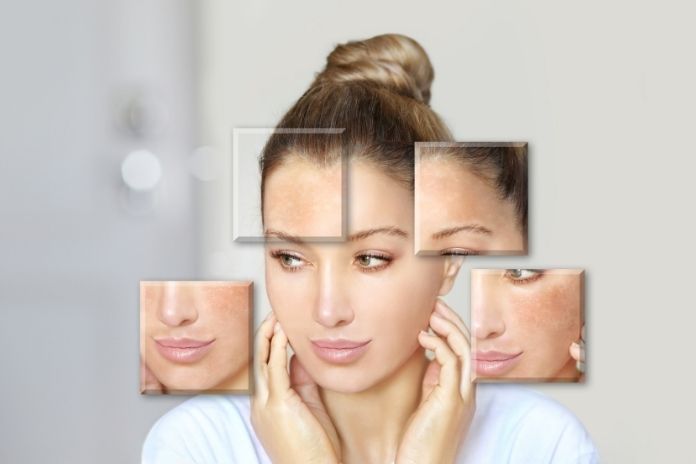
3. Hyperpigmentation or Dark Patches
Skin getting darker than usual, especially the face, knuckles, and area around the mouth, can be a very subtle clue.
Common Deficiencies: Vitamin B12 and folate.
B12 deficiency may disrupt melanin regulation, resulting in uneven pigmentation. However, this is not to be confused with melasma, sun damage, or hormonal pigmentation, which generally follow certain patterns.
4. Slow Wound Healing
When your cuts, acne marks, or insect bites take longer than usual to resolve. It may indicate that the body is not efficient in repairing the tissues.
Common Deficiencies: Vitamin C and zinc.
Vitamin C is an essential element in collagen synthesis, while zinc strengthens the immune system and supports cell regeneration. Slow healing is one of the few vitamin deficiency signs that goes unnoticed by most people.
Read More: Top 3 At-Home Vitamin Deficiency Tests for Better Wellness
Hair Changes Linked to Vitamin Deficiency

1. Hair Thinning or Excessive Shedding
Significant hair loss or a decrease in hair volume is one of the most typical signs of a vitamin deficiency, with the hair and nails being the most impacted.
Common Deficiencies: Iron, vitamin D, biotin, and zinc.
When the iron is insufficient, the oxygen supply to the hair follicles is reduced. Additionally, vitamin D influences the hair growth cycle. Hair loss caused by deficiency is generally diffuse (overall thinning) and rarely patchy.
2. Dry, Brittle, or Weak Hair
Hair that breaks easily, feels rough, and is dull may be an indication of deeper nutritional problems.
Common Deficiencies: Protein, essential fatty acids, and vitamin E.
In the absence of enough structural nutrients and antioxidants, the hair shaft becomes weak and loses its ability to retain moisture.
3. Premature Graying
Most of the time, early graying is the result of genetic factors. However, sometimes it may be an indication of nutritional deficiencies.
Common Deficiencies: Vitamin B12, folate, and copper.
These substances promote melanin production. Nutritional graying is typically accompanied by other symptoms such as tiredness, pale skin, and neurological problems.
Nail Changes That Are Warning Signs
1. Brittle or Easily Breakable Nails
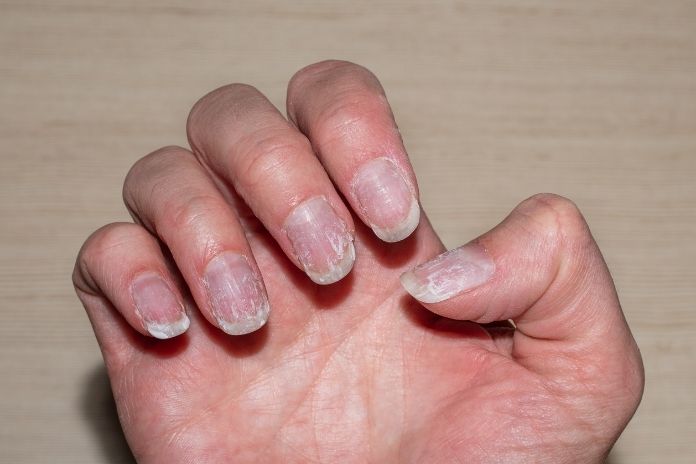
In the event of nail peeling, splitting, or being prone to breaking, the person is likely experiencing a brittle nail vitamin deficiency.
Common Deficiencies: Biotin, iron, and magnesium.
Healthy nails depend on continuous keratin synthesis, a process that weakens when key micronutrients are deficient.
2. Spoon-Shaped Nails (Koilonychia)
One of the most typical signs of iron deficiency anemia is the presence of nail concavity or spoon-shaped nails.
This change in condition is much more alarming than general brittleness. This usually comes together with symptoms such as tiredness and shortness of breath.
“The nail matrix (where nail growth starts) is highly vascularized and requires a steady supply of oxygen. When oxygen is low, it impairs keratin production, weakening the nail structure,” says Andrea Ballenthin, MS, CNS, LDN.
3. Ridges, Lines, or Beau’s Lines
Indentation running horizontally or the presence of ridges may be because the growth of nails is temporarily hindered.
Possible Causes: Zinc deficiency, poor overall nutrition, and recent illness
4. Pale or Blue-Tinted Nail Beds
If you have nails that are abnormally pale or have a bluish tint, it may be due to a lack of oxygen.
Deficiencies Involved: Iron and vitamin B12.
Eye Changes That Signal Vitamin Deficiency
1. Dry Eyes or Poor Night Vision
Seeing poorly in dim light, as well as long-standing eye dryness, may be a result of a vitamin deficiency affecting the eyes. Lack of Vitamin A can cause night blindness, dry eyes, corneal damage, and even vision loss.
Deficiency Involved: Vitamin A
Vitamin A is essential for retinal function as well as for tear secretion.
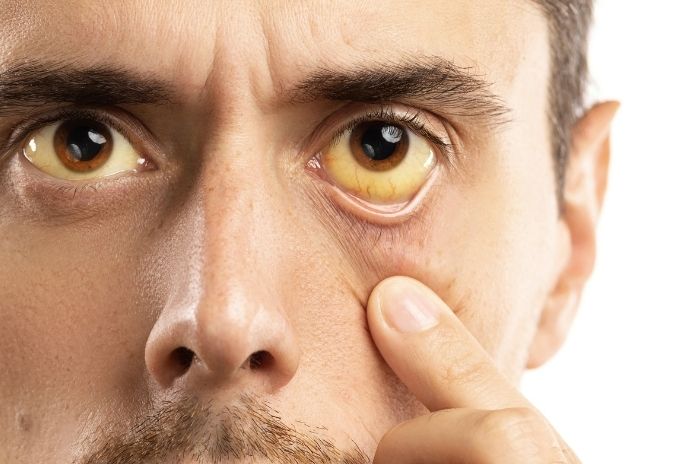
2. Yellowing of Eyes (Jaundice)
One of the most important red flags is the yellowing of the whites of the eyes.
Possible Causes: Vitamin B12 deficiency and liver disorders.
It requires an immediate medical examination and cannot be self-treated.
3. Red, Irritated, or Bloodshot Eyes
Riboflavin deficiency may be indicated by symptoms like chronic redness and irritation.
Deficiency Involved: Vitamin B2
Lip & Mouth Changes You Can See Up Close
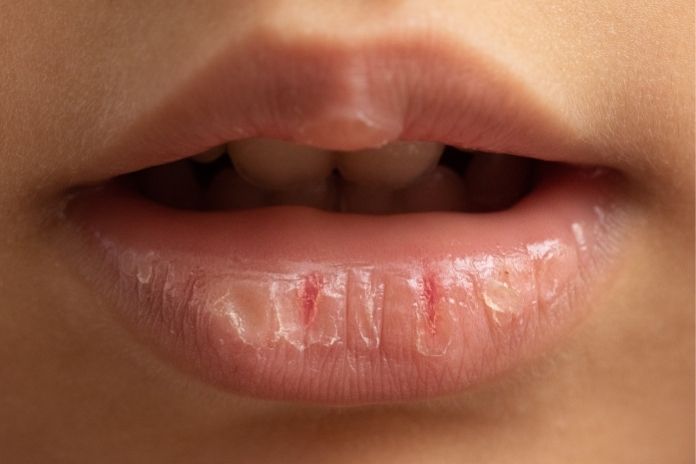
1. Cracked Lips (Cheilitis), Especially at Corners
If you experience continuous cracking, especially at the corners of the mouth. It is one of the most common symptoms of a condition called angular cheilitis.
Deficiencies Involved: Vitamin B2, B3, B6, iron
2. Swollen, Smooth, or “Beefy Red” Tongue
An inflamed, shiny tongue may be a sign that the body’s production of red blood cells is being affected.
Deficiencies Involved: Vitamin B12 and folate.
3. Mouth Ulcers
One of the most common causes of recurrent ulcers may be nutritional deficiencies rather than stress.
Deficiencies Involved: Vitamin B12, folate, and zinc.
Other Visible Signs to Watch For
1. Puffy Face or Swelling
If there is puffiness to the face that cannot be explained, it may mean that the thyroid is not functioning properly.
Possible Cause: Iodine deficiency
2. Bruising Easily
If you find yourself bruising, often without hitting oneself, it can be a sign of blood vessel support being weakened.
Deficiencies Involved: Vitamin C and vitamin K.
3. Redness Around Nose or Cracks in Skin Folds
One of the symptoms of riboflavin deficiency in the body may be greasy redness or the appearance of fissures in the nose, ears, or skin folds.
When These Signs Suggest a Deficiency (vs. Something Else)
Consider it to be a deficiency more likely when:
- Symptoms appear suddenly.
- Several signs occur simultaneously.
- You are on a restrictive diet, such as a vegan or calorie-deficient diet.
- You take little sun exposure.
- You have digestive or absorption disorders.
It is often at this point that people start wondering how to know if they have a vitamin deficiency.
Read More: Vitamin D Deficiency – Causes, Symptoms, Diseases, And Treatment
When to See a Doctor (Red Flags)

If you observe the following, you should seek medical help:
- Severe fatigue with pale skin.
- Rapid or unexplained hair loss.
- Yellowing of eyes or skin.
- Painful tongue swelling or mouth sores.
- Unexplained easy bruising.
Recommended tests may be ferritin, vitamin B12, folate, vitamin D, zinc, and thyroid panels.
How to Correct Vitamin Deficiencies Safely
Fixing a vitamin deficiency depends on where it comes from and its severity:
Food sources can be:
- Leafy greens and legumes
- Eggs and dairy
- Fatty fish
- Whole grains and seeds
Supplements can help only when a doctor prescribes them, but self-diagnosing may not only delay the proper treatment but also cause toxicity. The time that these deficiencies take to show up on the face, skin, or hair is often weeks or months.
Conclusion — Your Mirror Can Give Early Clues, but Testing Confirms the Truth
Your reflection in the mirror can help you detect early signs of vitamin deficiency before it affects your overall health. Being aware of slight changes can help you take action quickly. However, the final confirmation is always through proper testing.
Balanced nutrition, timely lab work, and medical guidance are the most reliable ways to restore health from the inside out. So the next time you look into the mirror, it can divulge something more than your looks, and that’s your health!
References
- MD Anderson Cancer Center. (n.d.). Signs of thyroid issues: Hypothyroidism vs. hyperthyroidism—How do you know if you have them?
- National Center for Biotechnology Information. (n.d.). Hematinic deficiency anemia (StatPearls)
- Osmosis. (n.d.). Angular cheilitis
- Clinikally. (n.d.). Unraveling Beau’s lines: Causes, symptoms, and solutions
- Singh, A., & Verma, R. (2022). Micronutrients and nail health: A clinical perspective. Journal of Dermatological Research, 14(3), 215–223
- Patel, K., Shah, M., & Mehta, R. (2022). Nutritional deficiencies and hair loss: An evidence-based review. Clinical Dermatology Review, 6(4), 289–298
- ThriveCo. (n.d.). Hair thinning: Causes, types, and treatment
In this Article