














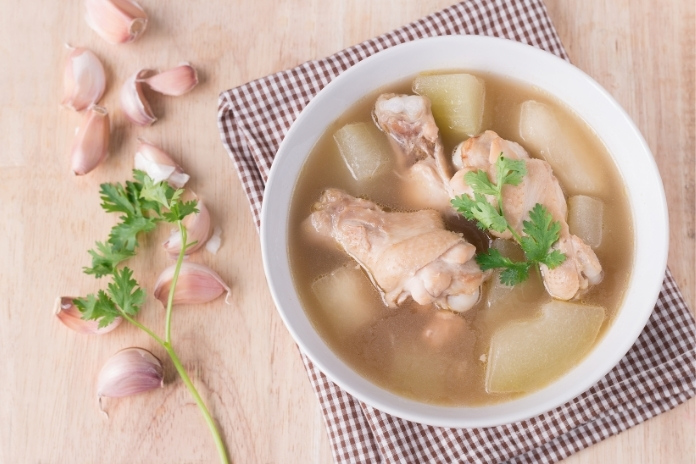
Chicken soup, across different cultures, has always been one of the most common comfort remedies when one is ill. No matter if it is a cold, the flu, or just a general feeling of weakness, people tend to grab a warm bowl of soup. However, the question remains: ‘Does chicken soup really help heal the disease?’, or ‘is it just a warm bowl of comfort food that hits us with nostalgia?’
Certain studies confirm that there is more science than myth in the matter. Chicken soup remains one of the best ways to provide hydration. It helps to soothe nasal congestion and exhibits certain anti-inflammatory effects. Moreover, chicken soup can also provide the nutrients that your immune system needs during an illness.
What are the main reasons to eat chicken soup if you are ill? What do clinical trials say about it? How do the ingredients work? Can the product really be a support in the recovery from the cold or the flu? This article answers all the questions, such as whether chicken soup works for colds and why chicken soup makes you feel better.
Read More: Hearty and Healthy Soups: Warm Bowls for Nourishing Comfort
What Science Says — Chicken Soup Does Have Measurable Benefits
The most cited research on chicken soup for colds is the study of the University of Nebraska Medical Center, which showed that chicken soup can slow the movement of neutrophils. These are the immune cells that cause inflammation. This indicates that chicken soup exhibits real anti-inflammatory effects, which can relieve symptoms in the upper respiratory tract.
“In the laboratory, UNMC scientists diluted the soup and subjected the neutrophils to several variations of the soup, including vegetables, chicken and a combination of the ingredients. The team found the movement of neutrophils was reduced.” said Dr. Stephen Rennard, Larson Professor of Medicine in the Pulmonary and Critical Care Medicine Section at UNMC.
Warm fluids are comforting in many ways. For example, they help clear mucus, soothe the throat, and keep the body hydrated, which are essential when dealing with a cold.
Among other scientifically backed advantages, there are also:
- Warm fluids help to get rid of mucus, easing nasal congestion.
- Hydration during an illness replenishes the lost energy and makes you feel comfortable.
- Amino acids derived from chicken imitate the compounds used in cold medicines.
- Vegetables offer antioxidants that support the immune system function.
Note: Chicken soup is not a cure, but research shows that it can be a very good means of recovery and comfort during a sick period.
How Chicken Soup Helps Your Body When You’re Sick

1. Helps Clear Nasal Congestion & Improves Breathing
One of the reasons chicken soup helps you feel better during illness is that it relieves congestion. Warm broth helps the body clear the sticky mucus and promotes expulsion. At the same time, it also improves the airway through the blocked nasal passages. The heat of the soup helps loosen congestion, alleviating pressure in the sinuses and giving immediate relief.
Keeping the body hydrated with the help of warm fluids also ensures that the mucus membranes do not dry out and that there is less irritation. This makes breathing more comfortable.
2. Provides Anti-Inflammatory Effects
Various studies have indicated that chicken soup may slow neutrophil activity. Neutrophils are a component of the immune system. However, upon their vigorous movement, they can further worsen the inflammation of the respiratory tissues.
By reducing this inflammation, chicken soup may help in the following functions:
- Reducing swelling in the nasal passages.
- Lessening throat irritation.
- Decreasing the discomfort caused by cold and flu.
Chicken soup is one of the most gentle yet powerful anti-inflammatory foods that is effective during sickness.
3. Supports Immune Function Through Nutrients
Chicken soup for colds is not only a broth that provides warmth, but also packed with nutrients.
- Chicken: Rich in protein and amino acids such as cysteine. This may thin mucus and strengthen immune system responses.
- Vegetables: Carrots, celery, onions, and leeks provide antioxidants, vitamin A, vitamin C, and minerals that counter oxidative stress and support the immune system.
- Herbs: Garlic, ginger, parsley, thyme, and bay leaf offer antimicrobial and anti-inflammatory properties. These compounds support the body’s defense against pathogens.
The above combination turns chicken soup into a well-balanced food that promotes immunity and overall health.
4. Hydration & Electrolyte Support
The symptoms of cold and flu, such as fever, sweating, and excessive mucus, result in rapid loss of fluids from the body. This dehydration makes you feel tired, which can worsen the condition and slow down the healing process.
Chicken broth is a source of:
- Fluids that replenish hydration.
- Sodium and other electrolytes provide energy.
- Warm fluids help the body temperature return to normal.
This makes it very suitable for hydration during illness, especially when the appetite is low.
5. Gentle on Digestion During Illness
When sick, many people do not prefer consuming heavy meals. Chicken soup is a light, easy, and digestion-friendly nourishment option in such situations.
The benefits include:
- Soft vegetables and noodles provide continuous energy.
- Protein without putting too much pressure on the stomach.
- Warm broth that relieves nausea and comforts the digestive system.
It is one of the few foods that are well tolerated during the first stage of cold and flu symptoms.
Read More: 15 Easy Yet Effective Cold and Flu Remedies
The Comfort Factor — Why Chicken Soup Helps Emotionally, Too
Apart from being a good source of nutrition, chicken soup works emotionally as well. This is scientifically proven, as studies indicate that chicken soup promotes a better mood and reduces anxiety and stress.
Such warm and savory foods promote the function of the vagus nerve, responsible for calming down the nervous system and promoting relaxation. When one feels warm and taken care of during illness, stress hormones are reduced, which is beneficial for the immune system.
Even the smell of the soup promotes a feeling of safety and comfort. Whether the cooking is done by someone else or you do it on your own, emotional support is one of the factors that helps you get well quicker.
Key Ingredients That Make Chicken Soup Effective

- Onions & Garlic:
Loaded with quercetin and sulfur compounds, onions and garlic may provide antiviral and antibacterial effects. Additionally, they also help the immune system cells to become more active.
- Carrots & Celery:
Vegetables such as carrots and celery provide antioxidants, vitamin A, and phytonutrients that regulate inflammation and strengthen the respiratory system.
- Chicken:
Chicken, the primary ingredient of the soup, is a rich source of cysteine. It is a protein building block closely related to acetylcysteine, which is a component in mucus-thinning medicines. This is the reason why chicken is the most important element for congestion relief.
- Ginger:
Ginger helps reduce nausea, supports digestion, and provides anti-inflammatory benefits. Additionally, many people prefer including ginger in their meals when sick. This is due to its cold-fighting anti-viral abilities.
- Herbs (Parsley, Thyme, Bay Leaf):
When sick, many of us like to consume something warm, comforting, and tasty. Using herbs such as parsley, thyme, and bay leaf enhances the taste and adds antioxidants. These support the body’s detoxification and digestive processes.
- Broth:
Broth is refreshing, full of minerals, and a good option when the appetite is weak, the throat is sore, and the body needs to expel mucus.
Read More: 15 Foods to Eat When You Are Sick and Don’t Have an Appetite
Does Store-Bought Chicken Soup Work Too?
The answer is yes, but only to a certain extent. Soups in cans or packs provide significant levels of hydration. They are warm and bring some comfort.
However, store-bought chicken soups might:
- Have a high amount of sodium.
- Contain fewer vegetables.
- Provide a lower content of protein.
- Lack the fresh herbs and spices.
- Offer very few nutrients compared to homemade versions.
Soups made at home or those that are minimally processed have:
- Better amino acids
- More antioxidants
- Greater anti-inflammatory properties
- More intense flavor and higher nutrient density
Although the soup you buy might help, the homemade version efficiently supports recovery during a cold and flu.
When Chicken Soup Helps the Most — And When It Won’t

Chicken soup is beneficial in the cases of:
- Colds
- Mild flu symptoms
- Nasal congestion relief
- Sore throat discomfort
- Reduced appetite
- Nausea
- General fatigue
However, chicken soup won’t be able to help in the following conditions:
- Treat bacterial infections that require antibiotics.
- Severe flu with complications
- Pneumonia
- A fever that lasts for more than 3 days
- Continuous vomiting
- Breathing difficulties
Chicken soup is a recovery aid. However, it does not substitute medical treatment when symptoms are severe or have lasted for a long time.
How to Make Chicken Soup More Healing

To get the most out of chicken soup:
- Try adding in some garlic, turmeric, ginger, and black pepper. These ingredients have strong anti-inflammatory and antimicrobial effects.
- Include leafy greens such as spinach or kale, which are high in vitamin C and antioxidants.
- Adding bone-in chicken or bones helps to provide collagen, gelatin, and minerals that are essential for the immune system.
- Add some noodles or rice to the pot. These are energy sources that will keep the body going when the appetite is very low.
These things not only improve taste but also are more effective in immune support. Furthermore, they also provide the body with much-needed nutrients.
When to See a Doctor Instead of Relying on Soup

Chicken soup helps relieve your cold and flu symptoms. However, sometimes professional guidance is essential.
Visit a doctor if you have:
- Temperature over 102°F for more than 48-72 hours
- Shortness of breath or pain in the chest
- Signs of severe dehydration
- Symptoms that worsen after day 5-7
- Continuous vomiting
- A sick baby under 1 year with persisting symptoms
What chicken soup can do is limited. The need for a medical check becomes urgent when these red-flag symptoms occur.
Conclusion: Why Chicken Soup Really Makes You Feel Better
Chicken soup is very helpful when a person is sick because it provides the body with much-needed hydration, anti-inflammatory effects, and relief from nasal congestion. Chicken soup can also provide necessary nutrients for building immunity, along with required electrolytes, and emotional comfort.
Although it will not cure a cold or the flu, the soup can be of great help to your body, ease the symptoms, and make you feel better soon. It is no surprise that chicken soup is still one of the most reliable home remedies for colds and flu nowadays. If you feel sick the next time, or simply wish to indulge in comfort food, grab a bowl of chicken soup right away!
References
- Claudia’s Concept article
Claudia’s Concept. (n.d.). Will chicken soup really cure your cold? - PMC Article (PMC7019938)
Pizzorno, J. (2020). Glutathione! Integrative Medicine: A Clinician’s Journal, 19(1), 8–12 - AHA Journal – Cysteine
Jakubowski, H. (2015). Homocysteine modification in protein structure/function and human disease. Stroke, 46(5), 1348–1353 - Halal Box article
Halal Box. (n.d.). Health benefits of eating fresh chicken - ResearchGate – Antioxidant and Antiproliferative Activities of Common Vegetables
Sun, J., Chu, Y. F., Wu, X., & Liu, R. H. (2002). Antioxidant and antiproliferative activities of common vegetables. Journal of Agricultural and Food Chemistry, 50(23), 6910–6916. - Immuse Health article
IMMUSE Health. (n.d.). Immune system boosters: Natural herbs and spices - PubMed – Chicken Soup and Upper Respiratory Symptoms (PMID: 11035691)
Rennard, B. O., Ertl, R. F., Gossman, G. L., Robbins, R. A., & Rennard, S. I. (2000). Chicken soup inhibits neutrophil chemotaxis in vitro. Chest, 118(4), 1150–1157
In this Article