
Most people have a morning ritual they swear by: wake up, grab coffee, and pair it with whatever’s convenient, maybe a pastry, maybe a salty snack, maybe breakfast leftovers.
But if you’ve ever had coffee with the wrong food and immediately felt heartburn, jittery, nauseous, or just “off,” you’re not alone.
Coffee is acidic, stimulating, and fast-acting. When paired with certain foods, the combination hits your digestive system harder than expected.
What you eat with your coffee can shape how it affects your stomach, your energy, your nutrient absorption, and even your teeth. That’s why searches for foods to avoid with coffee, what not to eat with coffee, and foods that don’t mix with coffee are more relevant than ever.
This guide walks you through the biggest food categories that clash with coffee, the science behind why they don’t mix well, and how to make smarter pairings that feel better on your stomach and your energy system.
Why Some Foods Don’t Go Well With Coffee
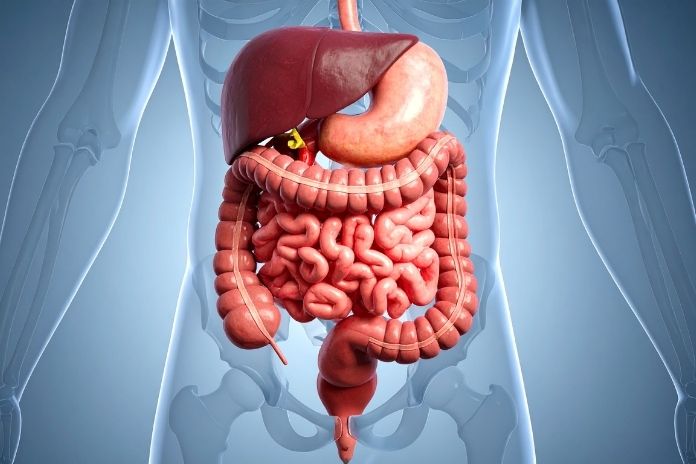
Coffee feels simple, but your body doesn’t treat it like water. It’s acidic enough to irritate your stomach lining, it speeds up digestion, and caffeine ramps up stress hormones like cortisol. That combination makes your gut more reactive.
When you pair that with foods that are already heavy, acidic, or hard to digest, the whole system becomes more sensitive. This is why some people feel fine with coffee alone, but miserable when they mix it with certain foods.
Here’s what’s happening under the hood:
- Acid plus acid increases GERD symptoms and heartburn.
- Caffeine speeds gut motility, which can trigger urgency or loose stools.
- Tannins in coffee bind to nutrients like iron, blocking proper absorption.
- Bitter compounds interact with certain fats and proteins, creating odd flavors.
- Saliva dries up, which increases bad breath and aftertaste.
All of that adds up to more than just a “food pairing” problem. It affects digestion, energy levels, and even nutrient status over time. And since coffee curbs appetite for a short while, people often drink it in place of food, then crash later because their blood sugar dips.
So when someone says coffee and certain foods “don’t go well,” it’s not about flavor preference. It’s chemistry, digestion, and timing working together, and sometimes working against you.
Read More: Is Your Morning Coffee Sabotaging Your Gut Health?
Acidic Foods That Increase Stomach Irritation
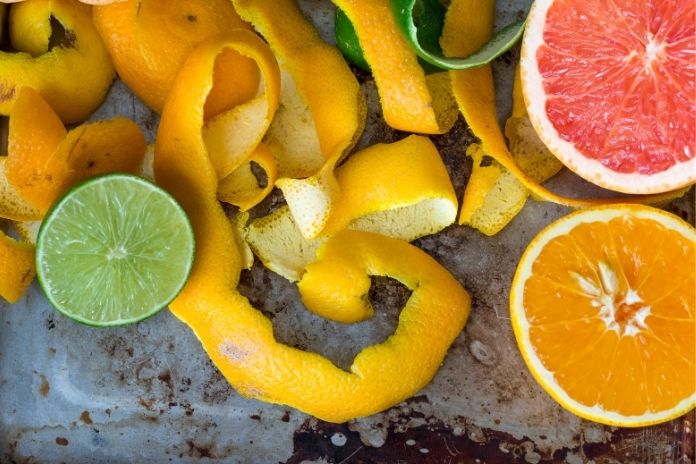
Coffee is already acidic, so your digestive tract has to buffer that acid every time you drink it. When you pair coffee with another acidic food, you increase the total acid load hitting the stomach and esophagus at once.
Foods to be careful with
- Citrus fruits like orange, lemon, and grapefruit.
- Tomato-based foods like pasta sauce or salsa.
- Vinegar-heavy dressings or dishes.
- Sour candies or acidic snacks.
Why does this combo cause trouble?
- Higher acidity triggers heartburn and reflux.
- The esophagus becomes more irritated.
- Tooth enamel softens under repeated acid exposure.
- People with GERD notice symptoms much faster.
- Even healthy digestion can feel the burn when acids stack.
Harvard Health warns that acidic drinks (like coffee, tea, soda) and acid-rich foods (like citrus, tomato, vinegar) each can trigger reflux, because some beverages may relax the LES and stimulate acid, while acidic foods may irritate the esophagus or increase stomach acidity.
Spicy Foods
Why Coffee + Spice Is a Rough Combo
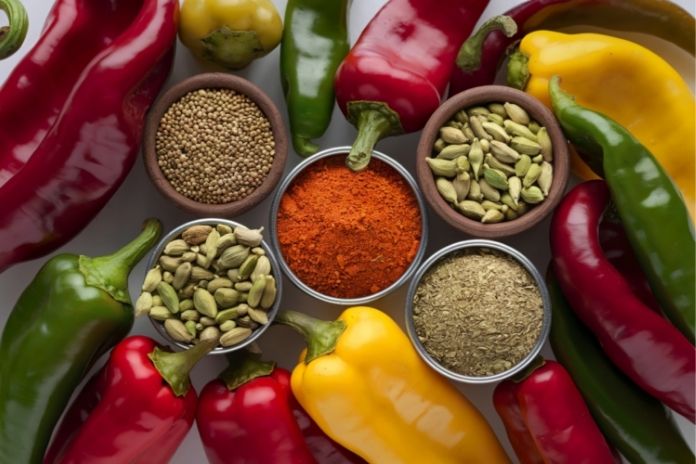
Coffee triggers acid release, while spicy foods push your digestive system into an inflammatory state. When both signals overlap, your gut starts producing more acid than it can manage, which sets the stage for reflux or that slow, burning sensation.
Dr. Saurabh Sethi, a gastroenterologist, explains that caffeine and irritating foods like spices are common triggers for acid reflux and gut irritation. He advises limiting both and watching how your body responds, because they can “relax the lower esophageal sphincter and increase stomach acid production, which makes reflux symptoms more likely.”
What this really means is that people with gastritis, reflux, or delayed digestion feel the effects faster and more intensely. Even for someone without a condition, the combination can slow down normal digestion enough to cause heaviness or bloating later rather than right away.
Possible Effects
- Acid reflux
- Bloating
- Burning sensations
- Indigestion
Spicy Foods to Avoid With Coffee
- Chili-heavy dishes
- Hot sauces
- Spicy curries
- Jalapeño snacks
High-Sodium Foods
Why Coffee + High Sodium = Dehydration
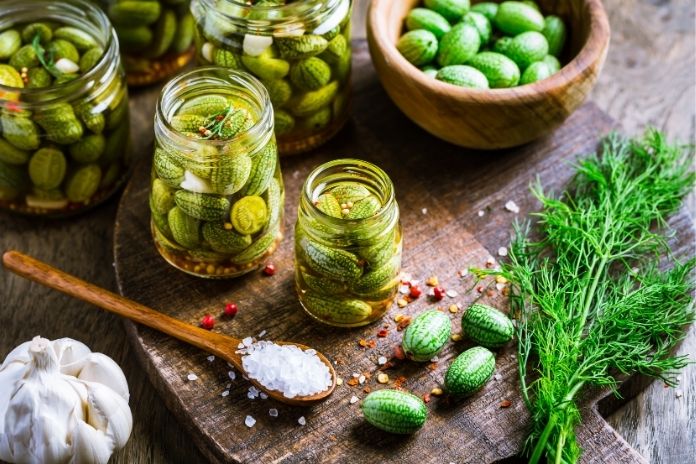
Caffeine nudges your body to make more urine, while salty foods draw water out of your cells.
Here’s what this really means: your body is trying to hold on to salt while your coffee is pushing out water, so the balance tilts quickly. If you’re someone who already deals with low energy or headaches, the combo can make your morning feel heavier than it should.
That’s when the symptoms hit. It’s less about dehydration in the dramatic sense and more about your body running low on usable fluid for a few hours.
What You Might Feel
- Dry mouth
- Headaches
- Fatigue
- Sudden energy drop
Salty Foods to Avoid
- Chips
- Pickles
- Salted nuts
- Cured meats (bacon, sausage, ham)
Greasy or Fried Foods

Why Coffee + Grease Don’t Mix
Fat-heavy meals take longer to digest, and coffee speeds the gut up. Put them together, and the body reacts fast, usually in ways you can clearly feel. For most people, the fallout looks familiar: stomach cramps, bloating, loose stools, or a wave of nausea that shows up not long after eating.
Beth Czerwony, RD, LD, explains that fatty and acidic foods can loosen the valve between your stomach and esophagus and increase acid production, which raises the risk of heartburn and reflux. She specifically points out that greasy foods linger in the stomach and that coffee’s acidity and caffeine also contribute to that irritation, making these common triggers for digestive discomfort.
If you want to keep your coffee in the routine, just let your meal settle first or choose something lighter. Minor adjustments help you dodge most of the digestive pushback.
Foods to Avoid
- Burgers
- Fries
- Fried snacks
- Fast-food breakfast sandwiches
Dairy-Heavy Foods (If You’re Lactose Sensitive)
Why Coffee + Dairy Causes Problems
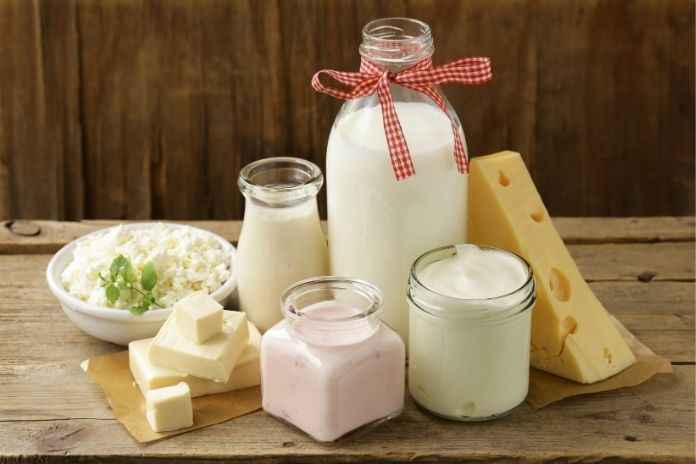
Some people have zero issues mixing dairy with coffee, so it’s not an automatic problem. The trouble starts when your body can’t break down lactose well.
When lactose isn’t processed properly, it ferments and creates gas. Add coffee’s push on gut movement, and those symptoms show up quicker and with more intensity.
That’s why someone might handle a bit of cheese without a problem but feel uncomfortable when they pair a dairy-heavy breakfast with a cup of coffee.
If you’re unsure where you stand, watch how your body reacts to the pair. Sometimes a simple switch to lactose-free or plant-based milk makes your whole routine calmer.
Foods to Avoid (if lactose sensitive)
- Cheesy dishes
- Cream-heavy foods
- Ice cream
- Milkshakes
Iron-Rich Foods (Especially Plant-Based Iron)
Why Coffee + Iron Is Not a Good Match
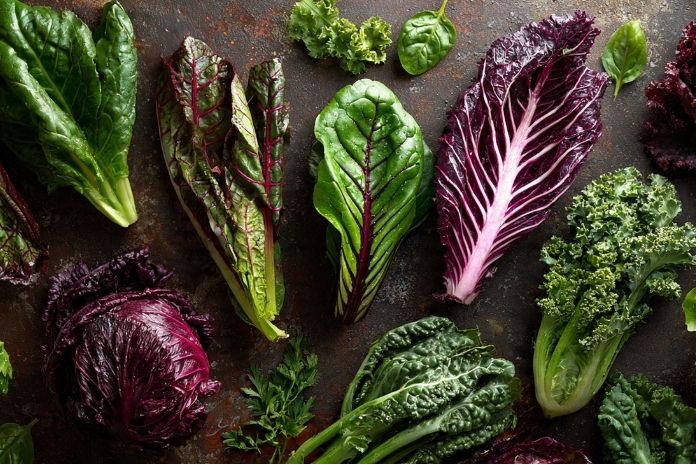
Coffee contains polyphenols and tannins, compounds that bind to iron in the gut and reduce how much your body can absorb. This is especially important for people who are already at risk of low iron: those with anemia, pregnant individuals, plant-based eaters relying on non-heme iron, and anyone taking iron supplements.
The effects often show up gradually as fatigue, low energy, or declining iron levels. Research from the NIH shows that drinking coffee with meals or immediately afterward can reduce non-heme iron absorption by up to 60%.
Because plant sources provide only non-heme iron, the type most affected by coffee, vegetarians and vegans tend to feel the impact more strongly. That beloved morning latte may be blocking the very nutrients you’re trying to take in.
Foods to Avoid With Coffee
- Spinach
- Beans
- Lentils
- Iron-fortified cereals
What to do instead
Drink coffee 1 to 2 hours away from iron-rich foods. That one small timing adjustment gives your body a much better chance to use the iron you’re eating, without asking you to quit coffee at all.
Foods With Strong or Clashing Flavors
Why Coffee + Strong Umami Flavors Clash
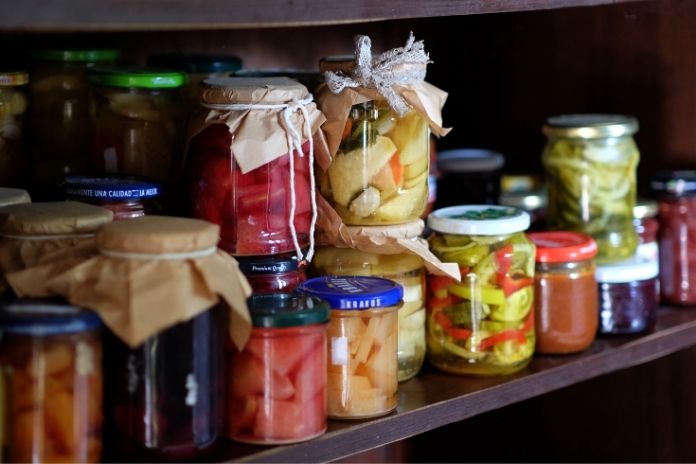
When coffee’s bitterness meets foods rich in umami or sulfur, the result can be a noticeable sensory clash – metallic notes, lingering sourness, heavier breath, or odd aroma combinations.
Instead of softening these compounds, coffee actually emphasizes them, which is why even a great savory dish can taste “off” if you follow it immediately with espresso.
Coffee already carries bold bitterness, acidity, and roasted depth. Pairing it with foods that have their own powerful flavor signatures throws the palate off balance; the flavors compete rather than blend.
This effect is strongest after savory meals because those flavors tend to linger on the tongue longer than most people realize.
If you’ve ever sipped coffee right after garlic-heavy noodles or fish and suddenly tasted something metallic or strangely sour, that’s simply the leftover compounds being amplified. Neither food nor coffee is flawed on its own—you’re just giving your senses two assertive profiles at once with no buffer in between.
Foods to Avoid
- Fish dishes
- Garlic-heavy meals
- Onions
- Fermented foods
Sweet Pastries High in Sugar
Why Coffee + Sugar Leads to a Crash
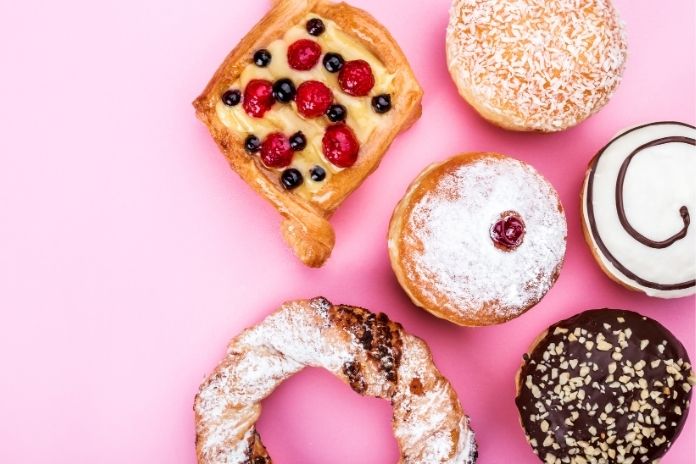
Sugar sends your blood glucose soaring, while caffeine elevates stress hormones and boosts alertness. Combined, they create a quick, intense burst of energy, followed by an equally fast drop. As blood sugar falls and caffeine tapers off, hunger rebounds, acidity rises, and that familiar mid-morning slump hits.
Research from the American Journal of Clinical Nutrition shows that caffeine actually magnifies the blood-sugar spike that follows a sugary meal. So if pastries and coffee are your usual breakfast, the later crash isn’t random, it’s predictable.
The pairing feels comforting and energizing at first because sugar acts fast and caffeine sharpens focus. The problem comes an hour or two later when both effects dip at the same time.
If you’ve ever gone from buzzing after a latte and donut to feeling foggy, tired, and hungry by mid-morning, that’s the cycle at work: quick fuel burned off, caffeine wearing down, and cravings kicking in.
Over time, those repeated spikes and drops can throw off mood, focus, and appetite, even if the breakfast itself seems harmless.
Foods to Avoid
- Donuts
- Croissants
- Sweet muffins
- Sugary cereals
Chocolate (Especially Dark Chocolate)
Why Coffee + Chocolate Is a Double Hit
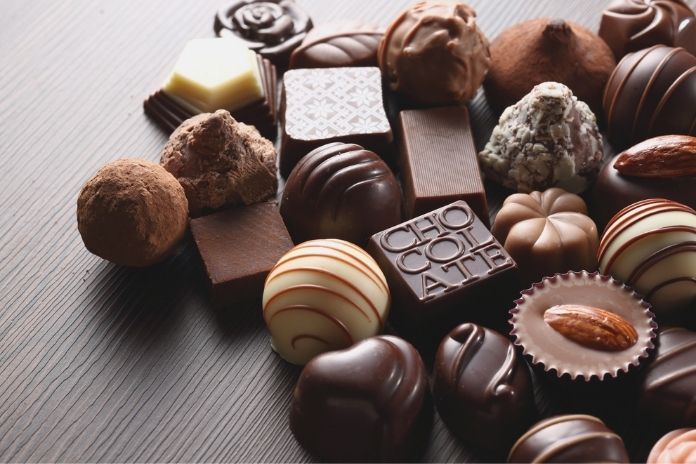
Coffee and chocolate may taste like a perfect match, rich, bitter, and aromatic, but inside your body, they stack their effects rather than blend them. Both contain caffeine and acidic compounds, so pairing them delivers a stronger stimulant load and a higher chance of stomach irritation.
Physiologically, here’s what happens:
- Caffeine adds up. Both coffee and chocolate contribute to your total intake, increasing nervous-system stimulation.
- Acidity doubles. The combined acidity can aggravate reflux or general stomach sensitivity.
- Stimulant effects intensify. Jitters, anxiety, rapid heart rate, and later sleep disruption become more likely.
The Cleveland Clinic notes that caffeine from different sources has a cumulative effect, meaning your body reacts to the total amount, not where it came from. So even a small square of dark chocolate alongside a cup of coffee can feel stronger than expected.
That’s why this delicious pairing can sometimes backfire: it amplifies the usual caffeine responses and may trigger restlessness or digestive discomfort. The flavors may be perfect together, but physiologically, it’s very much a double hit.
Foods to Be Cautious With
- Dark chocolate bars.
- Chocolate desserts (brownies, truffles).
- Mocha drinks or chocolate-flavored coffee mixes.
Foods to Avoid If You Get Coffee Stains on Your Teeth
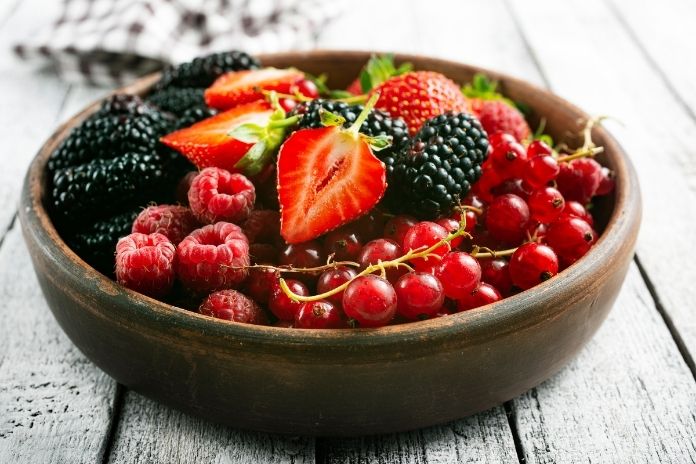
Coffee temporarily softens your enamel, creating a brief window where your teeth are more prone to staining. Eating other highly pigmented foods during this time can make discoloration worse, even if you brush later.
Harvard School of Dental Medicine notes that acidic beverages like coffee weaken enamel temporarily, allowing pigments from certain foods to penetrate more deeply. This is why back-to-back consumption of staining foods and coffee accelerates discoloration.
Foods to Avoid After Coffee
- Dark sauces (soy sauce, balsamic vinegar)
- Beets
- Berries (blueberries, blackberries, raspberries)
- Tomato paste or ketchup
- Red wine (if drinking coffee earlier in the day)
Tips to Reduce Staining
- Wait at least 30 minutes before consuming highly pigmented foods.
- Rinse with water after coffee to wash away surface pigments.
- Maintain good oral hygiene and consider using a straw for iced coffee.
Read More: Gut-Friendly Alternatives to Coffee – What to Drink Instead
Final Takeaway
Coffee is more than just a beverage; it’s a ritual, a comfort, and a source of energy for millions. But pairing it thoughtlessly with certain foods can create a cascade of small but cumulative problems: heartburn, bloating, energy crashes, enamel erosion, and even nutrient malabsorption. Acidic foods, greasy meals, high-sugar pastries, and iron-rich plant foods all interact with coffee in ways that can reduce its benefits or heighten discomfort.
By understanding these interactions, you can enjoy coffee without the negative side effects. Simple adjustments, like spacing coffee away from iron-heavy meals, limiting sugary pastries, or avoiding acidic combinations on an empty stomach, make a big difference in digestion, energy stability, and overall comfort.
Ultimately, coffee doesn’t need to be sacrificed to protect your body or taste experience. With mindful pairings and timing, you can savor your cup, maintain optimal nutrient absorption, and enjoy its energizing effects, all while keeping your digestion smooth and your mornings pleasant.
References
- https://www.uhhospitals.org/blog/articles/2014/04/best-and-worst-foods-for-acid-reflux
- https://www.pacehospital.com/8-foods-to-avoid-with-acid-reflux-and-follow-healthy-lifestyle
- https://www.rockwallsurgicalspecialists.com/blog/10-foods-that-trigger-acid-reflux
- https://www.1mg.com/articles/6-foods-that-can-worsen-your-acidity/
- https://oshihealth.com/worst-foods-for-acid-reflux/
- https://www.mountelizabeth.com.sg/health-plus/article/stomach-disorder-eat-avoid
- https://www.franciscanhealth.org/community/blog/foods-make-gerd-worse
- https://www.mountelizabeth.com.sg/health-plus/article/stomach-disorder-eat-avoid
- https://www.vinmec.com/eng/blog/7-foods-to-help-reduce-acid-reflux-en
- https://www.foodnhotelasia.com/blog/fnb/acidic-foods/
- https://www.relainstitute.com/articles/acidity-causes-foods-to-avoid-and-remedies/
- https://www.health.harvard.edu/diseases-and-conditions/gerd-diet-foods-to-avoid-to-reduce-acid-reflux
In this Article