











If you’ve ever wondered why your cholesterol numbers creep up even when you’re not living on burgers and fries, it might be time to look closer at what’s happening in your own kitchen.
Most people think high cholesterol comes from genetics or eating obviously unhealthy foods, but that’s only part of the picture.
What really flies under the radar are the subtle everyday habits that seem harmless. These everyday habits can nudge LDL levels higher over time without you noticing.
So instead of lecturing you to give up foods you enjoy, this article focuses on the practical side. You’ll learn which kitchen mistakes matter most, how they influence cholesterol biology, and simple tweaks that fit into real life.
No complicated diets, no drastic rules, just the science and the fixes that actually move the needle.
1. Using the Wrong Cooking Oils
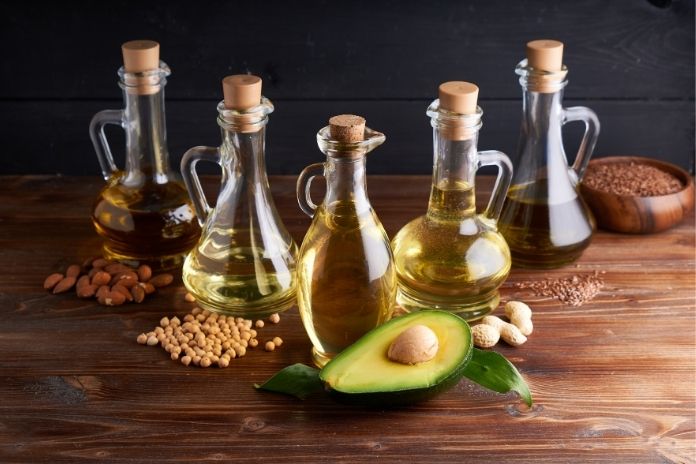
Butter, ghee, and coconut oil are part of many kitchens, and they’re fine in moderation. The issue is that they’re high in saturated fat, and saturated fat tends to push LDL cholesterol up.
Harvard School of Public Health explains that saturated fats change how your liver processes cholesterol particles, which is why frequent use can shift your numbers in the wrong direction.
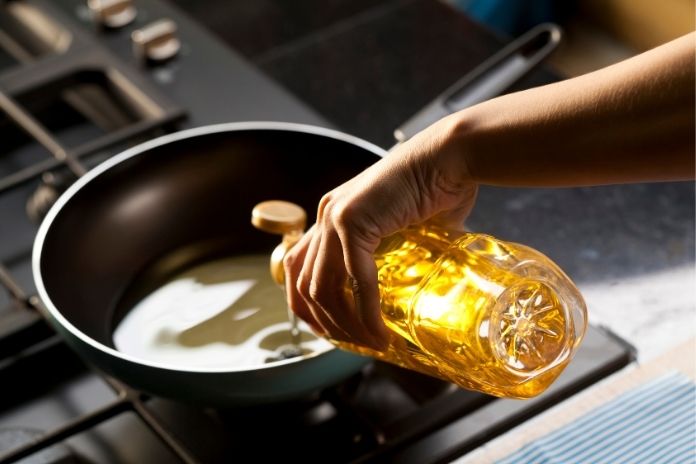
Here’s where people slip up: using these fats as the default for every sauté, stir-fry, or pan sear. There’s a big difference between a teaspoon melted over steamed vegetables and pouring generous amounts into a hot pan every day.
Saturated fats aren’t banned, but they need boundaries. Use butter or ghee for flavor, not as your everyday frying oil.
According to Tara M. Schmidt, M.Ed., RDN, LD, lead dietitian for the Mayo Clinic Diet program, if the only thing you eat butter on is sourdough toast on a Sunday morning, just eat the butter.
“But if you’re using butter in your baking and in your sauteing, and you’re spreading it on your toast, and you’re putting it in your coffee, because apparently people do that too, then we need to look at the overall composition of your diet.” The goal would be to find ways to reduce your intake of butter and other saturated fats, but still enjoy your food.
2. Reusing Oil for Deep Frying
Reusing oil might feel economical, but chemically, it’s one of the most damaging habits for your heart. Each heating cycle accelerates fat breakdown. That creates compounds your body doesn’t handle well, including trans fats, oxidation products, and inflammatory aldehydes.
A 2020 study in BMC Complementary Medicine and Therapies found that repeatedly heated mixed vegetable oils in rabbits boosted oxidized-LDL, total cholesterol, and promoted atherosclerosis. The takeaway: reused oil doesn’t just add calories. It actively promotes the kind of lipid changes linked to heart disease.
If you deep-fry, use fresh oil, and don’t save it for later.
3. Not Knowing Which Oils to Use for What
Every oil has a smoke point, the temperature at which it starts breaking down. Once an oil hits that temperature, it oxidizes faster and forms unhealthy byproducts, including small amounts of trans fats. That breakdown process is what makes an otherwise healthy oil a problem.
A simple guide helps:
- High heat: avocado oil, rice bran oil, groundnut (peanut) oil.
- Low heat or finishing: extra-virgin olive oil.
Think of oils like tools. Use the right one for the right job. When you constantly heat oils beyond their smoke point, you raise oxidation levels in your food, and over time, that can move LDL in the wrong direction even if the rest of your diet looks good.
Read More: The Best (and Worst) Cooking Oils for Hormonal Balance and Fertility
4. Overusing Packaged Seasoning Mixes and Sauces
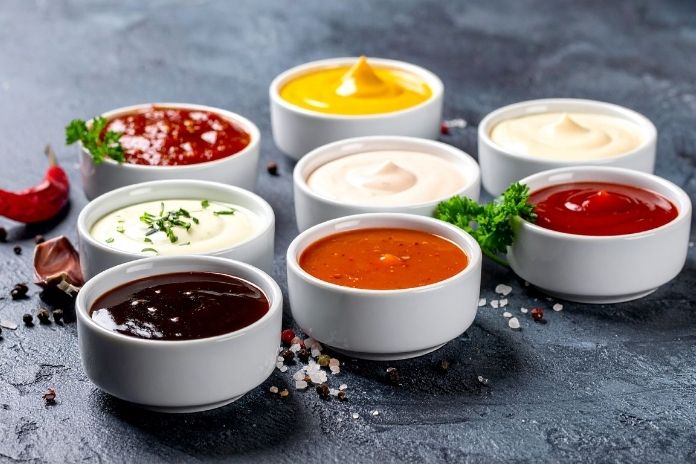
Many seasoning packets, instant noodle flavor mixes, and gravy powders rely on added fats and preservatives that can raise cholesterol. They’re designed for long shelf life and strong flavor, not heart health.
Hidden Trans & Saturated Fats
Some mixes still contain hydrogenated oils (including imported products), which raise LDL and lower HDL even in small amounts.
Watch for: hydrogenated or partially hydrogenated oils, shortening, palm oil.
Why it matters:
- Trans fats raise LDL and lower HDL.
- Saturated fats push LDL higher over time.
- Regular use adds up quickly.
- Research shows partially hydrogenated fats worsen cholesterol more than saturated fats.
High Sodium Levels
Sodium doesn’t directly increase cholesterol, but it strains your cardiovascular system and amplifies overall heart risk. Many seasoning packets deliver more sodium than an entire homemade meal.
Common problem points:
- More than 1,000 mg of sodium per packet.
- Flavor enhancers are dissolved in oil concentrate, added fats that aren’t obvious on the front label.
What this really means is your cholesterol number might look like the main villain, but the supporting cast (sodium, hidden fats, preservatives) quietly worsen the total risk picture.
Smarter Swaps
Use DIY spice blends, low-sodium broth powders, fresh herbs, and check labels for hydrogenated oils. Small changes cut LDL-raising ingredients without sacrificing flavor
5. Frying Everything Instead of Switching Cooking Methods
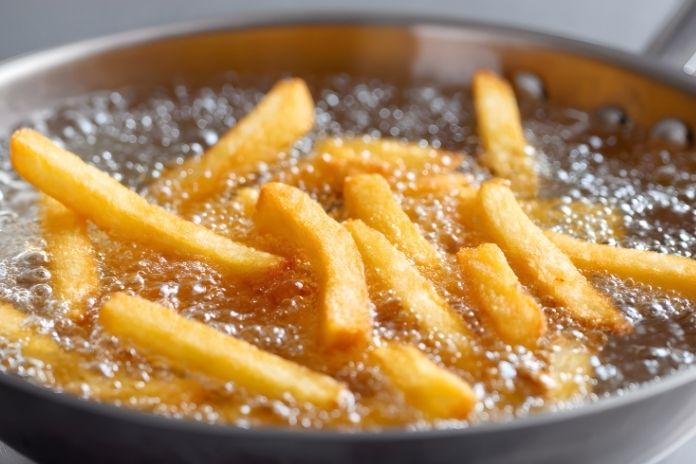
Frying isn’t the problem—it’s relying on it for most meals. When deep-frying becomes your default, your overall fat and calorie intake rises without you realizing it.
Why habitual frying raises cholesterol:
- Deep-frying increases fat absorption as moisture evaporates. Even healthy foods (fish, potatoes, vegetables, lean chicken) become saturated-fat-heavy once submerged in oil.
- A 2021 meta-analysis found high fried-food consumption was linked to a 28% higher risk of major cardiovascular events.
- Key issues with frying: more saturated fat, more calories, oxidized compounds, and repeated exposure to degraded oils.
What you miss out on: Healthier methods like baking, air-frying, grilling, steaming, and light sautéing deliver flavor and texture without the excess oil.
Better options:
- Air-fry for crispiness
- Bake or grill meats
- Steam vegetables
- Sauté with minimal oil
Why it helps: Less oxidized oil, lower saturated fat, fewer hidden calories, and easier cholesterol control.
You don’t need to give up fried food. Just make it an occasional choice rather than the everyday default, small shifts make a big difference over time.
6. Overloading the Pan With Oil
When pouring oil becomes a habit instead of a measured choice, your meals quietly get heavier in saturated fats and calories. Most people underestimate how quickly those little extra pours add up.
Most home cooking relies on instinct: splash, drizzle, swirl. The problem is simple math. One extra tablespoon of oil delivers about 120 calories and around 14 grams of fat. Multiply that by two meals a day, and you can see how cholesterol numbers start creeping up even if the food looks healthy.
Meta-analyses and lipid-research reviews conclude that diets higher in saturated fat reliably raise LDL cholesterol compared with unsaturated-fat or low-saturated-fat diets.
Common pitfalls:
- Eyeballing instead of measuring.
- Coating the entire pan when you don’t need to.
- Adding oil twice (pre-heat + mid-cook).
- Using high-fat oils by default.
Better Alternatives
Small changes go a long way:
- Use measuring spoons instead of guessing.
- Choose nonstick, ceramic, or cast-iron pans so you need less oil.
- Start with half the amount you think you need.
- Spray or brush oil instead of pouring.
These adjustments reduce saturated fat intake without changing the flavor of your meals. Better control of oil means better control of LDL levels, and you don’t have to overhaul your recipes to make it happen.
7. Cooking Meats Incorrectly

Even if you choose lean cuts, cooking methods, and timing can turn a healthy protein source into a higher-saturated-fat dish.
Removing Visible Fat After Cooking Instead of Before
Many people wait until after cooking to trim fat, thinking it won’t matter. The problem is that fat left on meat during cooking melts into the dish, raising the overall saturated fat content. Trimming before cooking is much more effective.
The American Heart Association highlights pre-cooking fat trimming as one of the easiest and most practical ways to reduce cholesterol-raising fat in your meals.
Frying or Deep Frying Meats
Breaded chicken, fried fish, mutton fry, and crispy cutlets are popular, but they’re heavy in saturated fat, especially when fried in reused oil.
Frying meats can:
- Increase fat absorption.
- Produce oxidized cholesterol compounds.
- Raise LDL cholesterol levels.
These chemical changes matter over time, not just the immediate calorie count.
Better Meat Prep Habits
Simple adjustments make a big difference:
- Trim visible fat before cooking.
- Choose healthier cooking methods: grilling, baking, boiling, or pressure-cooking.
- Opt for lean cuts whenever possible.
These methods lower saturated fat intake and reduce the formation of cholesterol-raising compounds, helping you enjoy meat without the hidden risks.
Read More: Cooking for Heart Health: Delicious Recipes to Lower Cholesterol
8. Ignoring Fiber-Rich Ingredients in Daily Cooking
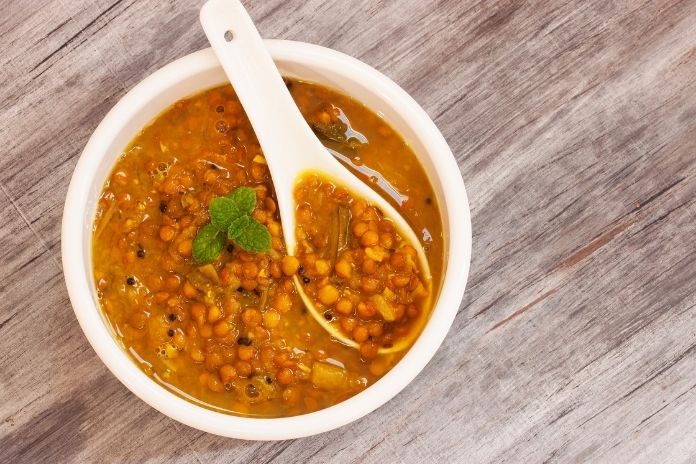
Many home-cooked meals are low in soluble fiber because they rely heavily on refined grains, minimal vegetables, and few legumes. Over time, this can silently raise LDL cholesterol, even if you keep saturated fat in check.
Soluble fiber binds to bile acids in the gut, which forces your liver to pull cholesterol from the bloodstream to make more bile. This natural process helps lower LDL cholesterol. Meals that are refined-carb heavy and fiber-poor miss this benefit, leaving LDL levels higher than they could be.
Easy Fixes
Small adjustments go a long way in boosting fiber intake:
- Add beans or lentils to curries, soups, or stews.
- Use whole-wheat flour instead of refined flour in rotis or baked goods.
- Mix oats into batters, porridges, or smoothies.
- Include extra vegetables in stir-fries, veggies, and side dishes.
These tweaks increase soluble fiber effortlessly, helping reduce cholesterol without overhauling your diet.
9. Relying on Processed Foods for Quick Meals
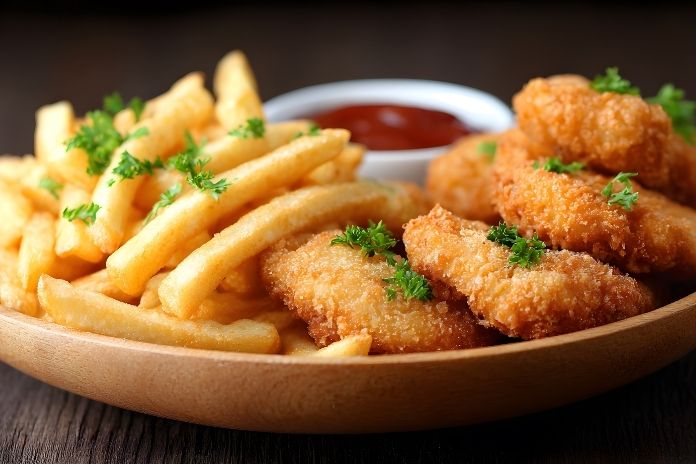
Frozen fries, nuggets, cutlets, and other ready-to-eat items save time, but they often bring along cholesterol-raising components that you might not notice. Even if your diet looks “clean” otherwise, frequent reliance on these foods can quietly affect LDL levels over time.
Ultra-processed foods commonly contain:
- Hydrogenated oils
- Trans fats
- High sodium
- Saturated fat stabilizers
A review pooled data from 45 meta-analyses (involving nearly 10 million participants) and found convincing evidence that ultra-processed food consumption is associated with increased risk of cardiovascular disease, obesity, type-2 diabetes, and other chronic conditions.
Choosing Smarter Options
You don’t have to give up convenience completely. Small swaps and smarter cooking methods can protect your cholesterol while keeping prep easy:
- Bake homemade snacks instead of grabbing frozen options.
- Use minimally processed ingredients whenever possible.
- Air-fry foods rather than deep-frying in oil.
These steps help you control hidden fats, trans fats, and sodium, letting you enjoy quick meals without sabotaging your cholesterol goals.
Read More: How High Blood Pressure and Cholesterol Levels Affect Diabetes Risk
10. Storing Food Incorrectly
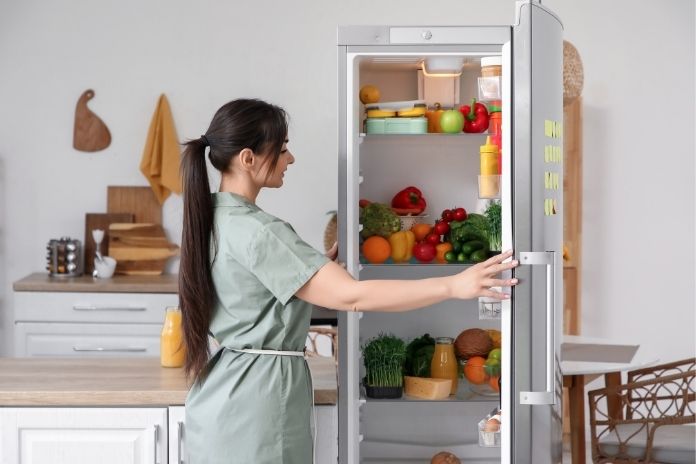
Small habits in the kitchen, like leaving food in oil overnight or using the wrong containers, can increase cholesterol-related risks without you realizing it.
When cooked dishes sit for hours or overnight, the oil often separates and rises to the top. Reheating this mixture repeatedly accelerates oxidation, creating harmful compounds in the fats.
Why it matters: oxidized fats contribute to atherosclerosis, the buildup of plaque in arteries, which is a major risk factor for heart disease. A recent study on thermally-oxidized oils given to ovariectomized (post-menopausal model) rats showed significantly elevated “pro-aerogenic lipids” and markers of vascular inflammation and oxidative stress.
Refrigeration Mistakes
The type of container you use also matters. Storing oily gravies or sauces in thin, low-quality plastic containers can lead to chemical leaching when reheated. Certain plastics may release compounds that interfere with metabolic health or promote inflammation, indirectly affecting cholesterol management.
Better storage practices include:
- Using glass containers or high-quality BPA-free options.
- Cooling food quickly before refrigeration.
- Minimizing repeated reheating of oily dishes.
These small adjustments reduce the formation of oxidized fats and harmful chemicals, helping protect both your cholesterol and overall metabolic health.
11. Using Nonstick Cookware That’s Scratched or Worn Out
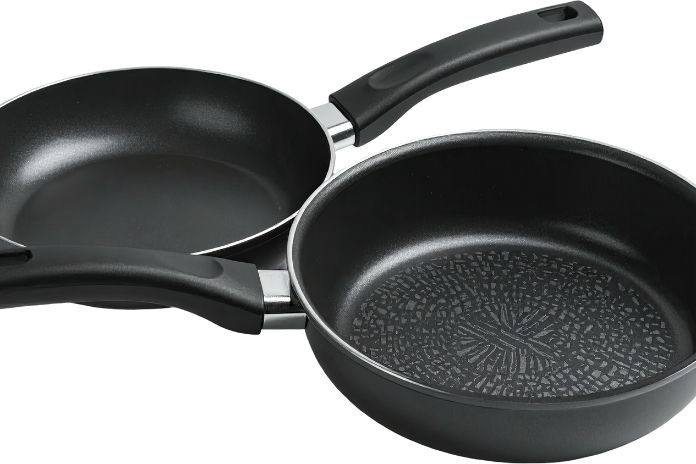
While damaged nonstick coatings don’t directly raise cholesterol, they often force you to use extra oil to prevent food from sticking. Over time, that added fat contributes to higher saturated fat intake and can indirectly affect LDL levels.
Why Worn Nonstick Pans Are a Problem
- Scratched or degraded coatings may release particles or fumes when heated.
- Food sticks more easily, prompting you to pour in extra oil.
- Overuse of oil increases overall fat and calorie intake, even in meals that seem healthy.
Better Cookware Choices
You don’t have to give up nonstick entirely, but switching to safer, more durable options can help control added fat:
- Stainless steel or enamel-coated pans for everyday cooking.
- Cast iron pans which naturally develop a nonstick surface over time.
- Well-maintained, intact nonstick pans with no scratches.
Using the right cookware helps you use just enough oil for cooking without adding unnecessary saturated fat, keeping your meals healthier and heart-friendly.
Read More: Is Nonstick Cookware Safe? What Experts Say About Teflon and Alternatives
Quick Fixes: How to Make Your Kitchen Cholesterol-Friendly
You don’t need a complete kitchen overhaul to support healthy cholesterol levels. Small, consistent changes can have a big impact over time. Think of this as your practical, everyday checklist for heart-friendly cooking:
- Measure oil instead of eyeballing: Use measuring spoons or oil sprayers to control added fat. Even small reductions in daily oil use add up over weeks.
- Choose the right oil for the right cooking method: High-heat cooking calls for oils with a higher smoke point, like avocado, rice bran, or groundnut oil. Finish dishes with extra-virgin olive oil for flavor and health benefits.
- Avoid reusing deep-fry oil: Reheating oil repeatedly creates oxidized fats and harmful compounds. Fresh oil for each fry reduces LDL-raising effects.
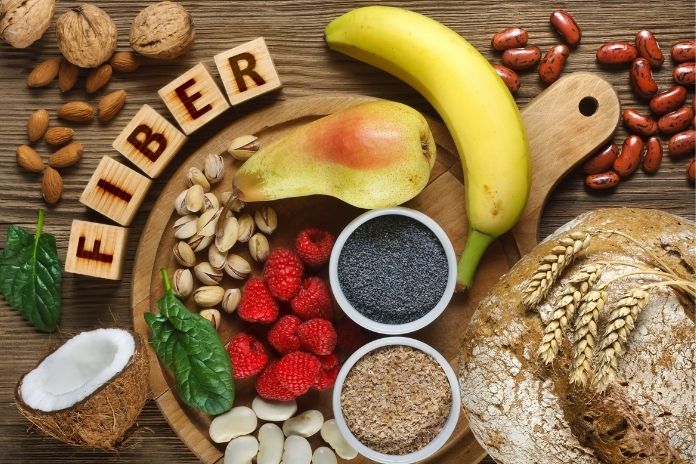
- Add more fiber-rich ingredients: Incorporate vegetables, legumes, oats, and whole grains into everyday meals. Soluble fiber helps lower LDL naturally.
- Reduce heavily processed foods: Packaged seasoning mixes, frozen snacks, and ready-to-eat meals often contain trans fats, saturated fats, and high sodium. Limit these where possible.
- Rely more on air-frying, baking, steaming, and grilling: These methods reduce fat absorption, preserve nutrients, and prevent the formation of oxidized compounds.
- Replace old or damaged cookware: Worn nonstick pans may force you to add extra oil. Switching to intact nonstick, stainless steel, or cast iron helps you cook efficiently with less fat.
According to Angie Murad, a dietitian at Mayo Clinic, plant and seed oils contain monounsaturated and polyunsaturated fats that support a healthier cholesterol balance. She explains that these fats help raise HDL and lower LDL. Murad adds that choosing these oils instead of saturated fats can influence long-term heart health.
In other words, the type of fat you cook with matters just as much as the amount you use.
Each step might seem small, but together they create a kitchen environment that naturally supports healthier LDL levels. Over time, these tweaks compound, making your everyday meals heart-friendly without compromising flavor or convenience.
Read More: Food Swaps to Manage High Cholesterol Without Sacrificing Taste
Final Takeaway
High cholesterol isn’t only about the obvious culprits like fried fast food or fatty snacks. More often, it’s the everyday kitchen habits, the small, repeated choices, that quietly stack your meals with hidden fats, excess calories, and sodium.
From using too much oil, over-relying on processed seasoning mixes, frying meat excessively, to ignoring fiber-rich ingredients, these subtle patterns can steadily raise LDL cholesterol over time.
The encouraging part is that these issues are entirely fixable without overhauling your life. Simple adjustments, measuring oil, choosing the right cooking methods, trimming fat before cooking, adding fiber-rich foods, and using quality cookware, compound over time to make a real difference in your heart health.
What this really means is that managing cholesterol isn’t about perfection; it’s about consistent, smarter habits in the kitchen. By addressing these everyday mistakes, you give your body a natural advantage in keeping LDL levels in check, supporting overall cardiovascular health, and maintaining flavorful, satisfying meals.
In short, small, intentional tweaks in how you cook and store your food can have a big impact on long-term cholesterol control, without ever feeling like a sacrifice.
References
- https://thehealthsciencesacademy.org/health-tips/oils-for-cooking/
- https://fssai.gov.in/upload/media/FSSAI_NEws_Oil_Insider_30_09_2019.pdf
- https://timesofindia.indiatimes.com/life-style/food-news/3-best-and-3-worst-oils-for-cooking-and-the-common-mistakes-that-turn-them-toxic/photostory/125761957.cms
- https://ajantasoya.com/shop/blog/5-cooking-oil-myths-debunked-facts-about-healthy-oils/
- https://m.economictimes.com/news/india/6-common-cooking-mistakes-that-destroy-nutrients-in-your-food/cooking-with-old-or-refined-oils/slideshow/120730293.cms
- https://lifespa.com/health-topics/liver-gallbladder/cooking-oils/
- https://ecoil.in/news-and-blogs/good-cooking-oil-vs.-bad-how-to-choose-the-right-oil-for-your-health
- https://nayeshamills.com/blogs/news/a-simple-guide-to-using-cooking-oil-without-the-health-risks
- https://www.healthpartners.com/blog/healthy-cooking-oils/
- https://www.saffola.in/blogs/debunking-myths-heres-what-you-should-know-about-your-cooking-oil
- https://www.freedomhealthyoil.com/sunflower-oil/basic-cooking-mistakes-you-should-avoid-in-the-kitchen/
- https://www.chhs.colostate.edu/krnc/monthly-blog/cooking-with-fats-and-oils/
- https://www.bbc.com/news/articles/cj3y7j2dz44o
- https://health.clevelandclinic.org/how-to-choose-and-use-healthy-cooking-oils
- https://www.msn.com/en-in/health/other/3-best-and-3-worst-oils-for-cooking-and-the-common-mistakes-that-turn-them-toxic/ss-AA1RHbVe
In this Article