














You brush your teeth every day, but when was the last time you replaced your toothbrush? It’s one of those small tasks we seldom consider, even though using a good toothbrush is essential for maintaining healthy teeth and gums.
Most people continue using the same brush far longer than recommended, allowing bacteria to build up and making brushing less effective. If your bristles look frayed, flattened, or worn out, it’s a clear sign your toothbrush can no longer clean properly.
Changing your toothbrush on schedule is one of the easiest ways to stay on top of your oral health. You’ll learn how often to change your toothbrush, why it is essential, what the science says about bacteria and worn-down bristles, and how to pick the best toothbrush for your needs.
Read More: Best Oral Hygiene Routine Beyond Brushing and Flossing
Why Replacing Your Toothbrush Matters
The American Dental Association recommends replacing your toothbrush every three to four months. While some brushes have colorful bristles that fade to indicate wear, this isn’t always reliable, so it’s better to follow the timeline rather than rely on color changes.
With each use, the bristles become a little more frayed. They lose their shape and flexibility after extended use, and it’s harder to brush away plaque and food. Old toothbrushes can also harbor bacteria, especially if they are wet and not allowed to dry out.
Worn bristles can even cause gum irritation or recession, turning a daily responsibility into a potentially serious problem. For this reason, dentists stress that regularly replacing your toothbrush is as important as brushing your teeth.
“Your mouth is full of bacteria. Some are good, some are bad. And those bacteria can cling to our toothbrushes,” Dr. Sonoko Nakasato, DMD, points out. “You need to replace it often so you’re not growing a community of bacteria on your toothbrush.”
How to Know It’s Time to Replace Your Toothbrush
1. Your Teeth Don’t Feel as Clean After Brushing: If you have just brushed your teeth, and when you run your tongue across them, they still feel fuzzy and unclean, it’s time to get a new toothbrush. It is a sign that either you are no longer brushing as well as you used to, or the toothbrush is worn out and not cleaning as well as it once did.
2. Frayed or Splayed Bristles: The most obvious sign of wear to the bristles is the most critical factor. Bristles that are splayed, frayed, or discolored will clean less efficiently, especially between your teeth and at the gum line. Inspect your toothbrush often – if the bristles are worn or look like a frayed broom, it is time to replace it.
3. It Smells: Any smell indicates the presence of microorganisms. (Our breath occasionally smells foul because of microorganisms in our mouths.) If your toothbrush smells, it may harbor bacteria that could harm your oral and overall health.
Because it introduces bacteria into your mouth each time you brush, it can make it impossible for your toothbrush to keep your teeth and gums healthy. Therefore, if your brush smells, it’s time to purchase a new one.
4. After Sickness: To prevent reintroducing bacteria or viruses into your mouth, replace your toothbrush or brush head if you’ve just recovered from a cold, flu, or other sickness. Although there is little chance of reinfection, changing your toothbrush is a straightforward hygienic measure.
5. You Can’t Remember When You Last Replaced It: Generally speaking, toothbrushes need to be changed every few months. Therefore, it’s probably time to replace your electric toothbrush if you can’t recall when you last bought a new one or fitted a new head.
Read More: National Dental Hygiene Month 2025: Strategies to Transform Your Oral Health
Manual vs. Electric Toothbrush — Does It Affect Replacement Time?
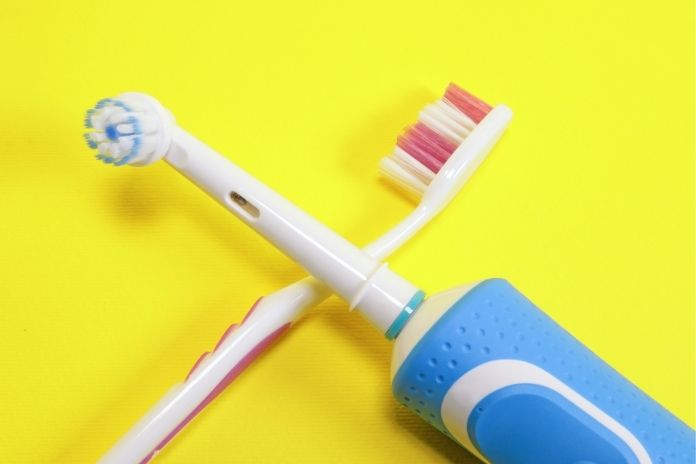
Both electric and manual toothbrushes will get the job done, but they differ slightly in how long they last.
Manual Toothbrushes:
- Replacement Frequency: Three to four months, or sooner, if the bristles are frayed.
- Things to Monitor: Brush pressure is significant. Excessive pressure can wear the bristles more quickly, so individuals who apply more aggressive pressure when brushing their teeth may need to replace their toothbrushes more frequently.
Electric Brush Heads for Toothbrushes:
- Replacement interval: Usually every three months, but brands may recommend slightly different intervals. Read the manufacturer’s instructions.
- Considerations: Electric toothbrushes may include additional, useful functions that can cause wear, such as vibrating bristles or pressure sensors. Consult the manufacturer’s instructions for best use.
Link Between Toothbrush Hygiene and Oral Diseases
If your toothbrush is clean and in good condition, it might be your first line of defense against the bacteria that cause oral disorders.
You run a far higher risk of developing common oral health issues if you use a toothbrush that is dirty or full of bacteria.
Buildup near the gum line results from bristles losing their shape, making them less effective at removing plaque. This accumulation all significantly triggers gingivitis, gum inflammation, and ultimately more severe periodontal problems.
Because germs can still damage enamel after brushing, an unclean toothbrush can also lead to cavities. Furthermore, poor breath is often caused by trapped debris and microbial growth on worn bristles, making your oral hygiene regimen far less effective than you might think.
Read More: Are You Overbrushing? Signs You Might Be Damaging Your Teeth
Conclusion
Despite its small size, your toothbrush has a significant impact on your dental health every day. Nevertheless, it is among the most neglected instruments in our personal hygiene regimen.
With each stroke, a fresh toothbrush promotes a healthy mouth, strengthens your defenses against bacteria, protects your gums, and improves cleaning.
Not only are you replacing the bristles and plastic when they’re due, but your entire oral hygiene routine is also becoming more effective.
References
- Cleveland Clinic. (2025, April 30). How often should you change your toothbrush? Health Essentials.
- A New Smile Dental Center. Is it time for a new toothbrush? How often you should replace it.
- Dr. Harding. (2022, April 11). Get your toothbrush ready! 5 signs that you need to change your toothbrush.
- Clear Creek Family Dental. How often should you change your toothbrush?
- Burgmeier Dentistry. How often should you replace your toothbrush?
- Bradenton Perio. When to replace your toothbrush or brush head.
- Dr. Richard Brown Jr. (2025, August 29). How often should you replace your toothbrush?
- Mayo Clinic Staff. (2024, March 14). Oral health: A window to your overall health.
- Cleveland Clinic. (2022, April 21). Oral hygiene: Best practices & instructions for good routine.
In this Article