











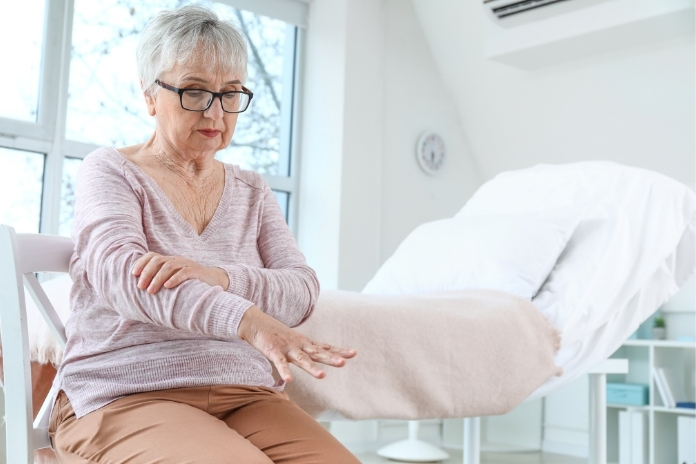
Parkinson’s disease has long been seen through a male-centered lens. The stereotype is that it’s a man’s condition, and because early research leaned heavily toward male participants, that idea stuck. But let’s break it down: women develop Parkinson’s too, and when they do, the journey often plays out differently than what most textbooks or clinical norms describe.
Their first symptoms aren’t always the classic tremor. Their progression can be slower or faster in unexpected ways. Medications may hit differently because of hormonal shifts, body composition, or timing across the lifespan.
And while all patients shoulder the weight of a neurodegenerative disease, women often face an extra layer: delayed diagnosis, under-recognized pain, care responsibilities that don’t pause just because symptoms appear, and emotional stressors that the traditional narrative rarely factors in.
Here’s the thing: these differences aren’t minor footnotes. They shape how early a woman gets help, how effectively her symptoms are managed, and how much control she retains over her daily life. What this really means is that care for women with Parkinson’s has to be built around their biology, their hormonal patterns, and the social reality they live in, not borrowed from data on men and assumed to fit.
This article breaks down what the research actually shows, how symptom profiles diverge, and where the biggest gaps in awareness still sit. You’ll also find practical guidance for women, families, and caregivers who want to advocate for more informed, more personalized care and better long-term outcomes.
Key Takeaways: What You’ll Learn
- Women often show a different symptom pattern than men, particularly with more non-motor symptoms.
- Hormonal shifts, especially menopause, shape symptom onset and severity.
- Female biology affects medication response, side effects, and progression.
- Supportive care needs differ, especially around bone health, mood, bladder symptoms, and caregiver burden.
- Early recognition improves quality of life, and women often need more proactive screening.
Gender Differences in Parkinson’s Disease: What the Research Shows

Before we get into the details, let’s set the stage. Parkinson’s doesn’t play out the same way for everyone, and sex is one of the most important variables shaping how the disease appears, progresses, and responds to treatment.
For years, most research focused on men, which left huge blind spots in how women experience the condition. Once scientists started looking more closely, a different picture began to emerge, one where hormones, biology, social roles, and access to care all intersect in ways that can meaningfully change outcomes for women.
What follows breaks down those patterns with a mix of clear explanations and key takeaways so the differences are easy to understand and easier to act on.
Incidence & Epidemiology in Women
Epidemiological research consistently shows higher diagnosis rates in men, with men having about 1.5–2x greater incidence.
In a systematic review, Danielle S. Abraham and colleagues pulled together evidence from multiple clinical studies and showed that women with Parkinson’s don’t just differ in how often they develop the disease, but also in how it unfolds after diagnosis.
Their analysis highlighted consistent sex-linked differences in motor presentation, non-motor symptoms, treatment responses, and long-term progression, underscoring that women often follow a distinct clinical trajectory compared to men.
Key insights:
- Some studies show that women with Parkinson’s disease (PD) may experience faster functional decline in mobility and daily-living skills compared with men. For instance, in a longitudinal study of activities of daily living among people with PD, women reported greater deterioration over time in domains such as shopping and household cleaning.
- A large cohort-based study comparing men and women with PD found that although women reported worse self-reported disability and quality of life at initial visits (and more psychological distress), objectively physician-rated progression over 5 years did not show a significant sex difference.
- These patterns don’t necessarily mean the disease is biologically “worse” in women. They may reflect delayed diagnoses, later access to specialists, and less personalized symptom management.
What this really tells us is that understanding gender differences isn’t a technical footnote; it’s part of closing a care gap.
Biological & Hormonal Factors
One of the biggest differentiators between men and women with Parkinson’s is estrogen. Its influence shows up repeatedly in both animal models and human studies.
Here’s how:
- Estrogen has been shown to offer neuroprotective effects, including better mitochondrial efficiency and reduced oxidative stress in dopamine pathways.
- Research suggests estrogen signalling can protect dopamine-producing neurons from toxin-induced damage, potentially helping explain why the onset of Parkinson’s disease appears later in many women.
For example, studies using neurotoxins (like MPP⁺ or MPTP) in cell culture and animal models show that pre-treatment with 17β‑estradiol preserves dopamine-neuron survival and reduces inflammation or oxidative stress in the brain.
- As menopause approaches and estradiol levels drop, many women notice worsening tremor, stiffness, mood changes, and sleep issues.
- A narrative review summarizing sex-based differences in PD neurobiology notes that women have been observed to retain higher striatal dopamine binding levels and a larger baseline number of dopamine neurons than men. This has been proposed as one reason clinical symptoms often emerge later in women.
Not all studies agree on magnitude, but the consensus is clear: hormonal shifts matter, and they matter most around menopause and the decade after.
“Neuroinflammation is an important piece of the pathogenic puzzle of PD. Since estrogens have anti-inflammatory properties, their actions throughout the lifespan could partially account for sex-related risk and manifestation of PD.” – Silvia Cerri, PhD, Laboratory of Cellular and Molecular Neurobiology, IRCCS Mondino Foundation.
Read More: Top 8 Hormone-Balancing Foods: Supporting Women’s Hormonal Health Naturally
Non-Biological Factors: Care, Social Roles & Gender Gaps
Biology explains part of the equation. The rest comes from how women navigate life while living with a chronic disease, and research shows consistent gaps here, too.
What the data highlights:
- Women are less likely to see a movement-disorder specialist, despite evidence that specialist care improves long-term outcomes.
- Many women continue to be the primary caregiver in their homes even while managing PD themselves.
- Women report higher rates of anxiety, depression, and perceived stress than men with PD.
Why this matters:
- Caregiver load eats into time for exercise, rehab, medication routines, and rest, all crucial for symptom control.
- Stress can amplify motor and non-motor symptoms, increasing fatigue and fall risk.
- Delayed or underreported early symptoms can push diagnosis later, which then pushes treatment later.
In short, the gender gap isn’t just biological; it’s built into the way care is accessed, roles are structured, and symptoms are recognized.
Unique Symptoms and Warning Signs in Women
Women often experience a different constellation of symptoms than men. Some differences are subtle; others completely change the trajectory of the disease.
Motor Symptoms
Women more commonly develop the tremor-dominant subtype of Parkinson’s. That means they may have milder rigidity or bradykinesia early on but experience more prominent shaking in the hands or chin.
Research from the American Parkinson’s Disease Association suggests that because women with Parkinson’s often present with tremor or milder motor symptoms, their condition may be mistaken for stress or other benign issues, which contributes to longer delays before correct diagnosis and specialist care.
Progression is also somewhat different. Early motor symptoms may advance slowly in women, but research shows that women eventually experience greater issues with balance, posture, and gait stability, which increase fall risk significantly in later stages.
Non-Motor Symptoms (Especially Important in Women)
This is where the gender divide becomes more obvious. Women consistently report higher rates of:
- Depression
- Anxiety
- Fatigue
- Sleep problems (especially REM sleep disruption)
- Pain syndromes
- Lower urinary tract symptoms
- Constipation
- Restless legs
Several quantitative studies support sex differences in non-motor symptom burden among people with Parkinson’s disease (PD): in one large international sample (951 PD patients), women more often reported fatigue, feelings of nervousness or sadness, pain, restless legs, and mood/apathy than men.
From a biological angle, estrogen also interacts with serotonin and norepinephrine pathways, which may amplify mood changes during disease progression.
Female-Specific Health Considerations
This category rarely gets enough attention, but it matters.
- Menopause: Many women notice worsening of tremor and stiffness during perimenopause. Hormone shifts can aggravate sleep disturbances, hot flashes, and mood swings, all of which overlap with and intensify PD symptoms.
- Osteoporosis and Bone Health: Women already face a higher lifetime risk of osteoporosis, and Parkinson’s multiplies that risk. Reduced mobility, lower muscle mass, vitamin D deficiency, and increased fall risk create the perfect storm for fractures, especially hip fractures.
- Urinary and Sexual Health: Women with PD report higher rates of urinary urgency, nocturia, pelvic floor dysfunction, and sexual discomfort. Decreased lubrication and pelvic muscle weakness can cause pain during intercourse, which many women hesitate to discuss unless asked directly.
- Medication Side Effects: According to a recent review covering sex-specific aspects of Parkinson’s disease (PD), female sex remains one of the strongest independent risk factors for levodopa-induced dyskinesia (LID), even after accounting for body weight.
Read More: 5 Essential Nutrients for Women’s Bone Health After 40
Diagnosis & Assessment With a Female-Focused Lens

Catching Parkinson’s early can completely shift a woman’s long-term path, but that only happens when clinicians look beyond the standard checklist. Women often present with subtler motor symptoms, stronger non-motor complaints, and hormonal changes that overlap with early PD.
If those aren’t explored properly, the diagnosis gets delayed, and treatment starts later than it should. This section breaks down what women should bring up during appointments, what specialists should be checking for, and why early recognition matters so much.
What Women Should Discuss With Their Neurologist
A good assessment goes beyond tremor and stiffness. Women need evaluations that acknowledge their hormonal background, emotional load, and daily-life demands. These conversations help doctors understand not just what symptoms are happening, but why.
Key areas to cover:
- Menstrual and menopausal history.
- Any past or current hormone replacement therapy.
- Bone health concerns like osteopenia or osteoporosis.
- Urinary or pelvic symptoms.
- Mood-related changes.
- Sleep quality, including night sweats or insomnia.
- Caregiver responsibilities, stress levels, and burnout risks.
These aren’t side notes; they shape medication choices, timing, and overall treatment strategy.
Physical and Neurologic Examination
A movement-disorder specialist will handle the usual motor exam, tremor, rigidity, gait, and coordination, but women often need a broader set of screenings because their non-motor symptoms can be more intense or appear earlier.
Additional assessments worth including:
- DXA scan to evaluate bone density.
- Depression and anxiety questionnaires.
- Sleep assessments, especially for REM sleep behavior disorder.
- Urinary function tests and pelvic floor evaluation.
Because symptoms can shift quickly around hormonal changes, most neurologists recommend check-ins every 6–12 months to adjust medication schedules, monitor progression, and make sure quality of life stays stable.
Why Early Recognition Matters
Women are more likely to be misdiagnosed with anxiety, stress, chronic fatigue, or perimenopausal complaints in the early stages. When doctors catch the pattern early instead of treating symptoms in isolation, the benefits stack up fast.
Early recognition can:
- Reduce long-term disability.
- Improve responsiveness to medications.
- Lower fracture risk by addressing bone density earlier.
- Cut down on hospitalizations.
- Help preserve independence and daily function.
The bottom line: early diagnosis isn’t just helpful, it’s protective. A gender-aware assessment gives women a real chance to stay ahead of their symptoms and maintain control over their lives.
Treatment Options & How They May Differ for Women
The fundamentals of Parkinson’s treatment apply to everyone, but sex-specific nuances often require a modified approach.
Standard Pharmacologic Treatments
Levodopa combined with carbidopa remains the gold standard. But women metabolize levodopa differently and often require:
- Lower starting doses.
- More frequent but smaller doses.
- Closer monitoring for dyskinesias.
Dopamine agonists (like pramipexole or ropinirole) may cause more nausea and dizziness in women, and the risk of impulse-control disorders, while present in both sexes, tends to be higher in those with past anxiety or mood disorders.
MAO-B inhibitors and COMT inhibitors can help smooth out motor fluctuations, but women sometimes experience more pronounced blood-pressure fluctuations. Clinicians often adjust doses more conservatively for women with lower body weight or cardiovascular risks.
Hormonal status is also relevant. Postmenopausal women may lose some of the subtle “protection” estrogen offers, making them more sensitive to even small medication changes.
Surgical and Advanced Therapies
Deep-brain stimulation (DBS) is one of the most effective treatments for advanced PD. Yet women are significantly less likely to be referred or approved for DBS, even when they qualify. Research from the Parkinson’s Foundation shows that women who undergo DBS often achieve the same, or even greater, quality-of-life improvements as men.
Common barriers include caregiving responsibilities, delay in specialist referral, and outdated assumptions about which patients “do well” with surgery. Any woman struggling with motor fluctuations or dyskinesias should discuss DBS candidacy early.
Supportive and Adjunctive Treatments
Supportive care is where women see enormous benefit, especially because their non-motor burden tends to be higher.
Physical Therapy
Women with Parkinson’s often deal with balance issues and declining bone density, so PT usually zeroes in on the essentials:
- Fall-prevention strategies.
- Strength training.
- Hip-stabilizing routines.
- Gait and posture retraining.
These help steady mobility, reduce injury risk, and keep day-to-day movement safer and more confident.
Occupational Therapy
OT steps in to make daily life workable without adding strain. The focus tends to be on:
- Home-safety adjustments.
- Energy-conservation techniques.
- Adapting activities to cut down fall and fracture risks.
It’s all about helping women maintain independence while protecting their bodies.
Speech Therapy
Speech therapists work on areas that tend to decline quietly in PD:
- Voice volume and clarity.
- Swallowing safety.
- Facial expression and articulation.
Even small improvements here can make communication easier and meals safer.
Mood and Mental-Health Support
Since depression and anxiety show up more often in women with PD, steady psychological support becomes part of the treatment plan. One of the most effective tools is:
- Cognitive-behavioral therapy (CBT) for PD-related mood and coping challenges.
A regular check-in with a mental-health professional can make a meaningful difference in motivation, adherence, and overall well-being.
Bladder and Pelvic Care
Pelvic symptoms are common but rarely discussed. Targeted pelvic-floor therapy can help with:
- Urinary urgency and frequency.
- Sexual comfort and pelvic pain.
Many women don’t realize these issues are treatable, but they absolutely are.
Bone-Health Management
Women face a double hit of bone loss from both aging and Parkinson’s, so clinicians often reinforce a structured plan:
- Vitamin D supplementation.
- Monitoring calcium intake.
- Weight-bearing exercises.
- Bisphosphonates for significant osteoporosis.
Stronger bones mean fewer fractures and more confidence during movement.
Lifestyle and Complementary Approaches
Exercise carries some of the strongest evidence in the PD world. Aerobic workouts, resistance training, and mobility drills strengthen the motor system and support mood and sleep. Women often benefit from yoga or tai chi, which improve balance and reduce fall risk.
Exercise can make the greatest impact on the course of your disease, says Denise Padilla-Davidson, a Johns Hopkins physical therapist who works with patients who have Parkinson’s disease. “Movement, especially exercises that encourage balance and reciprocal patterns [movements that require coordination of both sides of your body], can actually slow progression of the disease,” she says.
A Mediterranean-style diet, rich in fiber, healthy fats, and antioxidants, supports brain health and digestive regularity. This diet also helps counter constipation, which disproportionately affects women with PD.
Mind-body practices like meditation or guided breathing can help women manage the psychological load, especially if they’re simultaneously caregiving for spouses or aging parents.
Quick Recap
Parkinson’s in women isn’t an anomaly; it’s a reality that’s been overlooked for far too long. Once you step back and look at the research, the pattern is obvious: women experience the disease differently, report different symptoms, and respond to treatment in ways traditional studies never accounted for.
The gaps we see today are less about biology being mysterious and more about medicine not paying enough attention. What really stands out is how strongly non-motor symptoms, hormonal transitions, and everyday responsibilities shape a woman’s experience with Parkinson’s.
Mood shifts, sleep changes, bladder issues, bone health, and menopausal fluctuations don’t just add layers to the disease; they change its trajectory. Add in the fact that women metabolize medications differently and face a higher risk of dyskinesia, and it becomes clear why a one-size-fits-all approach fails them.
The good news is that women do better when their care reflects these realities. Supportive therapies, early specialist involvement, and treatment plans tailored to hormonal and lifestyle factors can dramatically improve quality of life.
The more clinicians, families, and patients recognize these sex-based differences, the closer we get to a model of Parkinson’s care that’s not centered on men, but centered on the person actually living with the disease.
References
- National Center for Biotechnology Information. (n.d.). Parkinson’s disease in women and men: What’s the difference? PubMed Central.
- Epoch Elder Care. (n.d.). Parkinson’s symptoms in women vs men: Understanding gender-based differences. Epoch Elder Care.
- American Parkinson Disease Association. (n.d.). Differences in Parkinson’s disease for women. APDA.
- Cleveland Clinic. (n.d.). Parkinson’s disease research in women [Podcast]. MyClevelandClinic.
- Altoida. (n.d.). Is Parkinson’s in women different than in men? Altoida Blog.
- Parkinson’s Foundation. (n.d.). Women & Parkinson’s. Parkinson’s Foundation.
- NPRC SWFL. (n.d.). Gender differences in Parkinson’s disease.
- PBS NewsHour. (n.d.). Why women with Parkinson’s are misdiagnosed more often than men. PBS NewsHour.
- Parkinson’s UK. (n.d.). Women and Parkinson’s. Parkinson’s UK.
- Parkinsons Africa. (n.d.). Women and Parkinson’s. Parkinsons Africa.
- YouTube. (n.d.). [Video on women and Parkinson’s] [Video]. YouTube.
- National Council on Aging. (n.d.). Parkinson’s: Early signs, symptoms, and what to do when diagnosed. NCOA.
- The Open University. (n.d.). [Online module/resource on Parkinson’s]. OpenLearn Create.
- National Center for Biotechnology Information. (n.d.). [Article on Parkinson’s — PMC3003756]. PubMed Central.
- Kuhan (Medium). (n.d.). 10 things you didn’t know about Parkinson’s. Medium.
In this Article