














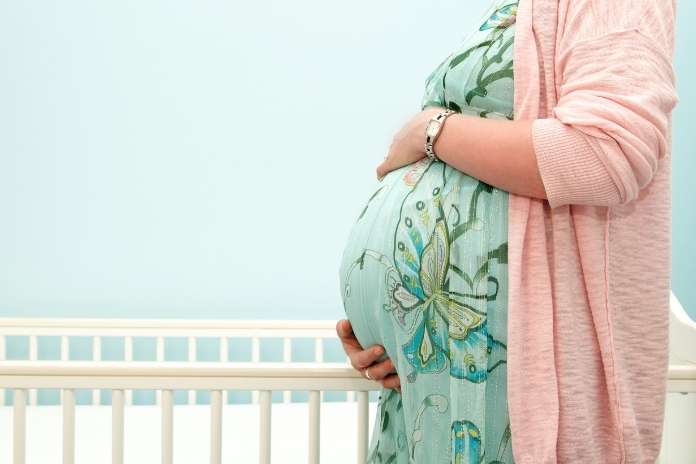
Hormonal changes during pregnancy are enormous, but an overactive thyroid can make this joyful time problematic. The most frequent cause of pregnancy-related hyperthyroidism is Graves’ disease — an autoimmune disorder in which the body mistakenly attacks the thyroid, leading to excessive hormone production.
Increased thyroid hormone levels accelerate metabolism, alter energy utilization, and affect body growth. The body needs these hormones for metabolism, energy balance, and, most importantly, for the development of the baby’s brain and organs. When the level is too high, it can cause problems for both the mother and the baby, e.g., high blood pressure, premature birth, or poor fetal growth.
This article will explore the risks, diagnosis, treatment options, and postpartum care needed to ensure a healthy pregnancy despite thyroid challenges.
Read More: What It Means If You’re Always Cold: Hormones, Iron, and Thyroid Explained
Understanding Graves’ Disease in Pregnancy
The thyroid has to work a little more complicated than usual during pregnancy. If a woman with Graves’ disease gets pregnant, it may impact both her health and the pregnancy.
Some women may also develop Graves’ disease during pregnancy. Additionally, the federal Office for Women’s Health reports that the chance of contracting the condition is seven times higher in the 12 months following childbirth.
Approximately 1 in 1,500 pregnant women have Graves’ disease, which accounts for nearly 80% of all occurrences of maternal hyperthyroidism. Furthermore, in the year before their symptoms appeared, about 30% of young women with Graves’ illness were pregnant.
If you are pregnant or intend to become pregnant, make sure to consult your doctor about Graves’ disease if you have a family member who has it. Throughout your pregnancy, your doctor may want to check your thyroid levels periodically. Soon after birth, your infant will also get a thyroid screening to see if postnatal care is necessary.
Risks of Graves’ Disease During Pregnancy
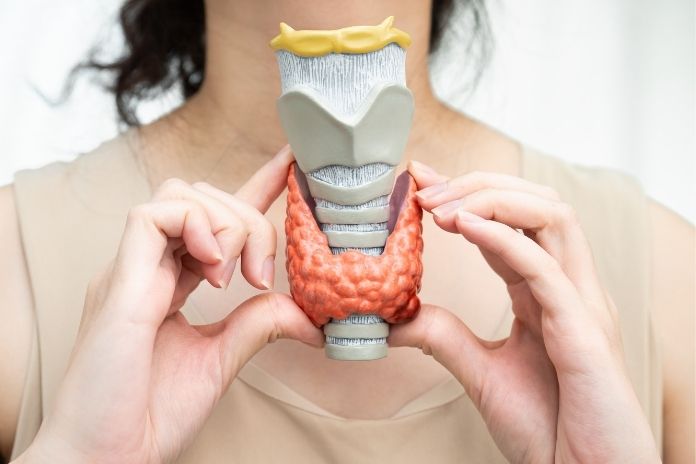
Many consequences result from uncontrolled hyperthyroidism. Low birth weight and the premature birth (before 37 weeks of pregnancy) are possible outcomes. According to specific research, women with hyperthyroidism are more likely to experience pregnancy-induced hypertension, or elevated blood pressure during pregnancy.
Thyroid storm is a severe, potentially fatal form of hyperthyroidism that can make pregnancy more difficult. Extremely high thyroid hormone levels in this illness can lead to high fever, dehydration, diarrhea, an irregular and fast heartbeat, shock, and even death if left untreated.
You should plan your pregnancy and consult your physician to optimize your thyroid status and treatment before conception and ensure close monitoring throughout your pregnancy.
If this does not occur and you discover that you are pregnant, you should get in touch with your doctor right away to set up more thyroid function testing and maybe a medication adjustment.
What are the symptoms of Graves’ disease?
- The thyroid gland bulges in front of the neck, known as a goiter
- Eyes which bulge
- Skin thickness above the shin
- Anxiety
- Irritability
- Sweating excessively
- Skin thinning
- Brittle, fine hair
- Weak muscles, particularly in the thighs and upper arms
- Hands that shake
- Rapid heartbeat
- Elevated blood pressure
- Increased bowel motions
- Reduction of weight
- Issues with sleep
- Light sensitivity of the eyes
Read More: Unexplained Fatigue? It Could Be a Thyroid Issue
Diagnosing Graves’ Disease in Pregnancy
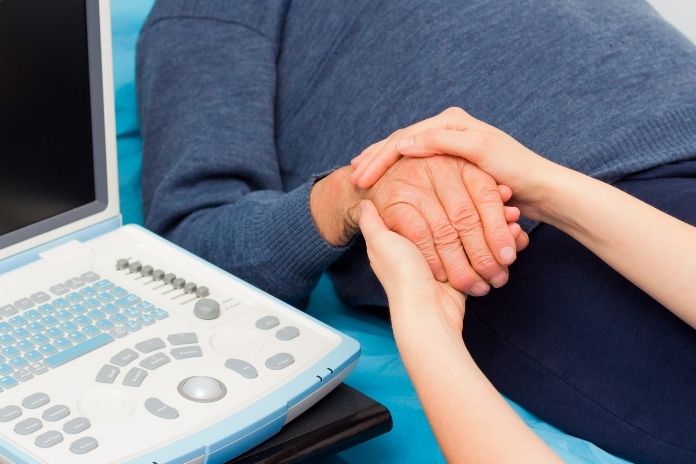
Your healthcare provider may perform physical examination and inquire about your medical and family history to diagnose Graves’ disease. Tests could consist of:
Blood examinations: Blood tests measure thyroid-stimulating hormone (TSH) and thyroid hormone levels. The pituitary hormone which stimulates the thyroid gland is called TSH. TSH levels are often lower, and thyroid hormone levels are higher in those with Graves’ illness.
Another laboratory test measures the antibody levels that cause Graves’ disease. If the test does not detect these antibodies, another condition may be causing hyperthyroidism.
Radioactive iodine uptake: Iodine is necessary for the body to produce thyroid hormones. In this test, you take a small amount of radioactive iodine, and a specialized scanning camera later shows how much iodine your thyroid gland absorbs.
This test can determine the thyroid gland’s iodine absorption rate. Doctors can determine whether hyperthyroidism results from Graves’ disease or another condition by measuring how much radioactive iodine the thyroid gland absorbs. They can also combine this test with a radioactive iodine scan to display the uptake pattern.
Treating Graves’ Disease During Pregnancy
Your doctor will tailor Graves’ disease treatment during pregnancy based on your condition’s severity, how far along you are, and your specific symptoms. Doctors often advise women to delay pregnancy and use contraception to manage Graves’ disease effectively.
When taking large doses of antithyroid drugs, women with hard-to-control Graves’ disease frequently choose definitive therapy, including thyroid gland removal surgery, before getting pregnant.
Anti-Thyroid Drugs
If these drugs seem to have more advantages than disadvantages, your doctor may recommend them. In the United States, the two antithyroid medications used to treat hyperthyroidism are propylthiouracil (PTU) and methimazole (Tapazole). The two drugs can cross the placenta and may give rise to congenital disabilities and hypothyroidism in the developing fetus. The danger may be reduced by attempts to use the lowest dosage of antithyroid drugs.
“We used to think that the antithyroid drug methimazole caused congenital disabilities and that PTU didn’t,” says Douglas Ross, MD, a professor of medicine at Harvard Medical School and co-director of thyroid associates at Massachusetts General Hospital. “A few years ago, a large study from Denmark also showed that PTU does cause birth defects, although they are much less severe than methimazole birth defects.”
Beta-Blockers
Doctors often prescribe beta-blockers to lower blood pressure and manage the hyperadrenergic symptoms of Graves’ disease, such as sweating, tremors, anxiety, irritability, and a rapid heartbeat.
Although doctors frequently prescribe beta-blockers during pregnancy, studies provide conflicting information about the potential risks involved. Talk to your doctor about the relative risks and advantages of beta-blockers if you are prescribed one during pregnancy or are already taking one at the time of your pregnancy.
Surgery
To treat Graves’ disease, a thyroidectomy—a procedure in which the thyroid gland is removed entirely or in part- is occasionally carried out. Since most patients develop hypothyroidism (an underactive thyroid) after surgery, doctors may prescribe thyroid medications.
Some women may have a thyroidectomy before attempting to conceive. Discussing the risks and options with your doctor is essential because surgery can be dangerous if done at different stages of pregnancy.
No Treatment
Although there are dangers associated with treating Graves’ illness during pregnancy, there are also hazards associated with not receiving treatment during pregnancy. Low birth weight babies are about ten times more likely to be born to women who do not manage their Graves’ condition. Preterm birth is 16 times more likely to occur in them, while preeclampsia and stillbirth are 5 times more likely to occur in them.
Read More: Best Yoga Poses for Thyroid Treatment
Lifestyle and Monitoring Tips
Taking care of physical and emotional health is crucial if you have Graves’ illness. It includes:
Exercising and eating healthy: During treatment, these can help reduce some symptoms and improve your general health. Your thyroid regulates your caloric expenditure. So you may gain weight when the hyperthyroidism is treated.
Brittle bones can also happen with Graves’ illness. Weight-bearing workouts can help maintain bones strong.
Stress reduction: Graves’ disease can be caused, or aggravated by stress. You can improve your mood and relax through walking, taking hot baths, and listening to music.
Work with a health care team to develop a good plan to include healthy eating, regular exercise, and relaxation into your daily routine.
Thyroid Monitoring: Regular thyroid function testing every 4-6 weeks is critical to ensure hormone levels remain within a safe range for both mother and baby. By helping doctors to change the medication dosages as the pregnancy progresses and by preventing sudden changes that may be dangerous, these tests help to ensure safety.
After Delivery — Postpartum and Newborn Care

Postpartum Considerations
Even though Graves’ disease may have been controlled during pregnancy, it may become aggravated or recur due to the woman experiencing another significant hormonal change following delivery. Since these changes usually occur within weeks or months after delivery, regular monitoring of thyroid function is essential. Physicians must be prepared to adjust the medication dose to balance hormone levels and prevent symptom aggravation.
Because PTU and methimazole both transfer into breast milk, doctors usually advise nursing moms to take their prescription after nursing an infant and to decrease their dosage.
Furthermore, your doctor will likely want to check the thyroid function of both you and your unborn child for several months after birth if you are on one of these medications.
Unless your doctor instructs you otherwise, you must continue taking any anti-thyroid medications you were on at the time of delivery.
Screening for Newborns
Thyroid function testing of infants is critical soon after birth in infants whose mothers have Graves’ disease. Antibodies from the mother may cross the placenta and harm the infant’s thyroid gland. The medications the mother is receiving for her Graves’ disease can also pass the placenta, but will not be effective long after the infant is born.
Premature birth, abortion, or stillbirth may result from the effect of Graves’ disease in pregnant mothers. Early diagnosis and treatment help ensure a return of thyroid function to normal in the infant and enhance proper growth and development.
Read More: The Complete Guide to Iodine-Rich Foods: Boost Your Thyroid Health Naturally
Conclusion
Graves’ disease during pregnancy can be frightening, but with awareness, vigilance, and appropriate care, it doesn’t have to define motherhood. Being aware of how the thyroid functions during pregnancy, testing regularly, and following medical advice can make it manageable for what could be a dangerous situation.
Everything must be done to protect the two connected lives, whether that means dealing with stress, eating healthy, or adjusting medications.
Partnership is what counts, both between the mother and the physician and between the body and the mind. A healthy pregnancy and a healthy infant are not hampered by Graves’ illness when regularly managed.
References
- Stanford Children’s Health. Graves disease in pregnancy.
- UR Medicine. Graves disease in pregnancy.
- Mayo Clinic. (2024, June 14). Graves’ disease — Symptoms & causes.
- Phoenix Children’s Hospital. (Reviewed: 9 January 2025). Graves disease in pregnancy.
- Kathleen Smith, PhD. Everyday Health. (Updated on November 1, 2022). Graves disease in pregnancy.
- Nikolay Petrov Botushanov, Aleksandar Nikolaev Botushanov and Albena Dimitrova Botushanova (06 May 2021). Graves’ disease and pregnancy.
- Giuseppe Barbesino, M.D. (2010). Graves’ disease and pregnancy.
- Children’s Hospital of Philadelphia. Thyroid disorders and pregnancy.
- American Thyroid Association. (2019, December). Clinical Thyroidology for the Public, 12(12), 5–6.
- Mayo Clinic Staff. (2024, June 14). Graves’ disease — Diagnosis & treatment.
- Breen, L., & Shepherd, L. (2024). Women with Graves’ disease: A nurse perspective on holistic treatment.
- Ashleigh Smith, Jade Eccles-Smith, Michael d’Emden, Karin Lust (2017, December 1). Thyroid disorders in pregnancy and postpartum. Australian Prescriber.
- Nationwide Children’s Hospital. (2025, May 1). Graves disease in a newborn (neonatal Graves disease).
- Amy Marturana Winderl. (Updated Aug 5, 2024). The Connection Between Graves’ Disease and Pregnancy.
In this Article