










Do you know what prediabetes is? It is when your blood sugar levels are higher than normal but not high enough to be considered diabetes. The good news is that studies show you can naturally reverse prediabetes, especially in the first few months after diagnosis.
The first step to learning how to reverse prediabetes in three months is to make small lifestyle changes backed by research that help keep your blood sugar levels healthy.
Many people are able to get their blood sugar back to normal in three months by sticking to healthy habits instead of trying to be perfect.
Read More: Diabetes Diet Can Transform Your Health
Key Takeaways — What You’ll Learn
- Why early action is crucial in preventing Type 2 diabetes.
- The exact diet, exercise, and lifestyle strategies proven to reverse prediabetes.
- How to track progress through glucose and A1C readings.
- When to consult a doctor or dietitian, especially if you have risk factors or underlying health conditions, or if lifestyle changes alone are not enough, seeking professional advice helps personalise your plan.
- A consistent approach of healthy habits offers real hope that you can reverse prediabetes naturally and avoid progression to Type 2 diabetes.
Read More: Simple Steps to Lower Your Risk of Diabetes
Understanding Prediabetes — The Warning Before Type 2
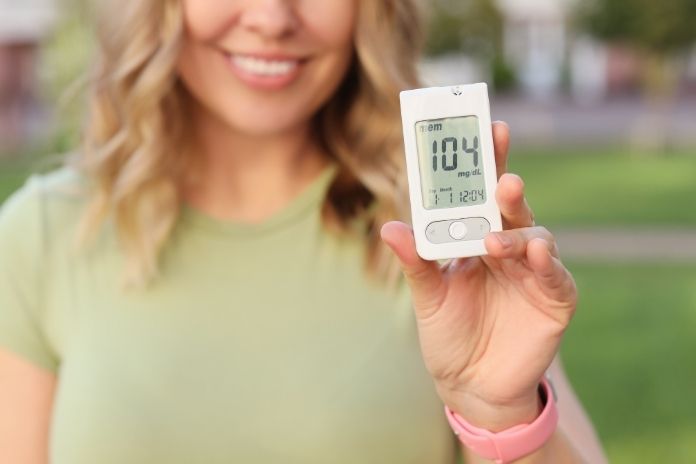
Prediabetes is an early warning sign where blood sugar rises but hasn’t yet reached diabetes levels.
What Happens in the Body During Prediabetes
Prediabetes begins when the body becomes less responsive to insulin, a condition known as insulin resistance. Because the cells do not use insulin effectively, glucose remains in the bloodstream instead of entering cells for energy.
This causes fasting blood sugar levels to slowly rise. If ignored, this can progress to Type 2 diabetes, but early action can stop or even reverse the process.
How Prediabetes Is Diagnosed
Doctors use two main tests to diagnose prediabetes. A fasting glucose level between 100-125 mg/dL and an HbA1c reading of 5.7-6.4% indicate elevated blood sugar levels that haven’t yet reached the diabetic range.
Risk factors include weight gain, especially around the abdomen, a sedentary lifestyle, family history, chronic stress, and poor sleep habits. These factors make the body more insulin-resistant over time.
Read More: How Quality Sleep Supports Diabetes Management
Why Early Reversal Matters
The encouraging news is that prediabetes can be reversed. Research, including Diabetes Prevention Program studies, shows that lifestyle changes can reduce the risk of developing Type 2 diabetes by 58% or more.
Steps to reverse prediabetes naturally can lead to significant prediabetes reversal success for many people. With consistent effort, the body can regain insulin sensitivity and return blood sugar levels to a healthier range.
Step 1 — Transform Your Diet for Blood Sugar Balance
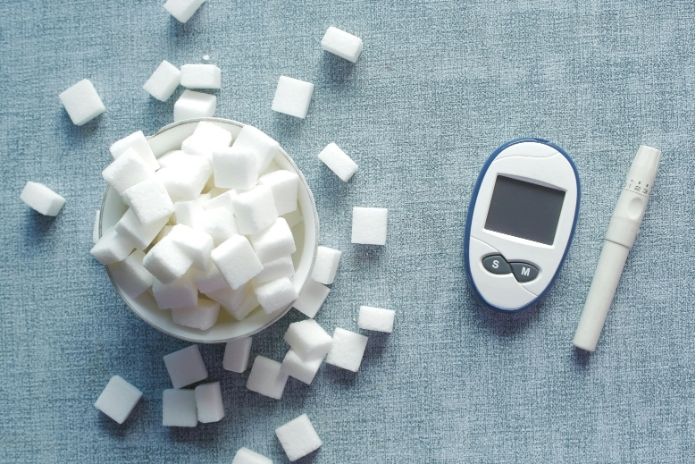
A smart prediabetes diet plan can help stabilise blood sugar, improve insulin response, and prevent progression to Type 2 diabetes. Small, consistent changes to food choices and meal timing make a big difference.
Prioritize Low-Glycemic, Whole Foods
- Choose slow-digesting, high-fiber carbs such as vegetables, lentils, beans, quinoa, millets, and oats to prevent sharp rises in prediabetes blood sugar levels.
- Avoid refined sugars and processed carbs like white bread, bakery items, fried snacks, packaged foods, and sugary drinks that cause glucose spikes.
- Follow this method when building your plate: ½ vegetables, ¼ protein, ¼ whole grains or legumes to support a sustainable prediabetes diet plan.
- Limit sugary beverages, juices, and alcohol, which contribute to quick blood sugar jumps and excess calorie intake.
Incorporate Protein and Healthy Fats in Every Meal
- Protein and healthy fats slow digestion, support insulin function, and reduce cravings.
- Add protein sources like eggs, fish, chicken, tofu, paneer, Greek yogurt, dals, and sprouts to every meal.
- Choose healthy fats such as nuts, seeds, avocados, peanuts, coconut, and olive or mustard oil in moderation.
- Build balanced meals: for example, lentils and vegetables with brown rice, or a bowl with cottage cheese, tofu, quinoa, and sautéed veggies.
- Snack smartly with protein-rich options like roasted chickpeas, boiled eggs, yogurt, or nut mixes instead of high-sugar snacks.
Try Time-Restricted Eating or Balanced Meal Timing
- Eating within a 10-12-hour window (e.g., 8 AM–6 PM) may improve insulin sensitivity and help regulate hunger hormones.
- Avoid late-night snacking, as the body becomes less responsive to insulin in the evening; finish dinner 2–3 hours before bed.
- Keep mealtimes consistent to avoid large gaps that trigger overeating and unstable glucose levels.
- If using time-restricted eating, ensure meals remain nutritious and balanced, not overly restrictive.
- Hydrate with water, herbal teas, or infused water throughout the eating window to support metabolism.
Read More: How to Make Oatmeal Diabetes Friendly?
Step 2 — Move Daily to Improve Insulin Sensitivity

Daily movement is one of the fastest ways to improve insulin sensitivity and bring down prediabetes blood sugar levels. Even simple, consistent activity can greatly speed up prediabetes reversal progress.
Aim for 150 Minutes of Moderate Activity Weekly
- A strong routine includes 30 minutes of brisk walking, five days a week, which follows American Diabetes Association guidelines and significantly improves how the body uses insulin.
- Moderate activities like cycling, swimming, dancing, or fast-paced household chores further enhance results and work even better when combined with a supportive prediabetes diet plan.
Include Resistance Training
- Building muscle helps your body absorb glucose more efficiently, lowering prediabetes blood sugar levels throughout the day and improving long-term metabolic health.
- Aim for 2-3 strength sessions weekly using bodyweight moves, resistance bands, or weights to increase muscle mass and stabilize glucose levels.
Reduce Sedentary Time
- Long hours of sitting slow metabolism, so stand, stretch, or walk for a few minutes every 30-60 minutes, especially if you work at a desk.
- Light movement breaks, walking during calls, climbing stairs, or stretching, improve circulation, support insulin function, and strengthen the benefits of your exercise routine.
Read More: How to Protect Your Kidneys Impacted by Diabetes?
Step 3 — Lose Even a Small Amount of Weight

Even a small, steady reduction in weight can lead to major improvements in insulin sensitivity and long-term metabolic health, making success in reversing prediabetes much more attainable.
Why Even Modest Weight Loss Makes a Big Difference
To improve your body’s sensitivity to insulin and, in turn, lower the level of blood sugar linked with pre-diabetes, even a 5-7% loss of your current weight can help. A small yet powerful percentage: even minor fat reduction minimizes inflammation, reduces stress on organs, and favors better glucose control.
For instance, if you weigh 165 pounds, losing just 8-10 pounds may be enough to return your glucose levels to normal. Early weight loss is repeatedly emphasized by many studies as one of the most powerful predictors of successful natural reversal of prediabetes.
How Reducing Belly Fat Improves Insulin Sensitivity
Visceral fat, or fat around the abdomen, secretes chemicals that block the proper function of insulin. This makes your body resistant to insulin and, as explained, keeps glucose in the blood rather than allowing it to enter cells for use as energy.
Losing belly fat, even a little bit, relieves pressure on the pancreas and helps insulin function properly, allowing glucose to enter muscle cells more easily and thus decreasing fasting glucose levels, post-meal spikes, and overall A1C. These effects will be enhanced with an appropriate prediabetes diet plan and regular movement.
Simple Ways to Support Sustainable Weight Loss
Whole foods over processed foods include vegetables, fruits, whole grains, lean proteins, and healthy fats. These foods will allow the individual to cut calories naturally without having that restrictive feeling.
Build an active lifestyle. Combine walking, strength training, and reducing sitting time throughout the day to burn more calories, thus improving metabolism.
Eat more mindfully. Slow down, chew thoroughly, and stop when you are satisfied to avoid overeating and promote consistent fat loss.
Read More: 8 Must-Have Diabetes-Friendly Fitness Gears for Safe Workouts
Step 4 — Manage Sleep and Stress (The Silent Saboteurs)

Managing sleep and stress is just as important as diet and exercise. When these two areas improve, your body responds better to insulin, making prediabetes reversal smoother and more achievable.
Get 7–8 Hours of Quality Sleep
Poor sleep disrupts hormones like cortisol, which raises blood sugar and increases insulin resistance. When you consistently sleep less than 7 hours, your body struggles to regulate appetite, cravings, and glucose control. Over time, this makes reversing prediabetes harder, even if your diet and exercise routine are strong.
To improve sleep quality, follow simple habits: stick to a fixed bedtime and wake-up time, avoid screens at least one hour before bed, and keep your bedroom cool, dark, and quiet. A calming routine, such as light stretching, reading, or deep breathing, helps your body wind down.
Good sleep naturally lowers stress hormones and supports healthier prediabetes blood sugar levels.
Reduce Stress to Support Blood Sugar Control
Chronic stress triggers the release of cortisol and adrenaline, making the liver release extra glucose into the bloodstream. This can keep blood sugar elevated even when you are eating well and staying active. Over time, stress becomes a hidden driver of insulin resistance and weight gain, especially around the abdomen.
Stress-reducing practices like deep breathing, meditation, yoga, or nature walks help calm the nervous system and improve insulin sensitivity. Even five minutes of slow breathing can lower cortisol. Creating small pauses throughout your day, stretching, stepping outside, or listening to calming music, helps reset your stress response.
Build Daily Habits That Support Balance
- Maintain consistent eating and sleeping routines to stabilize hormones and reduce nighttime cravings.
- Limit caffeine late in the day and avoid heavy meals close to bedtime to support uninterrupted sleep.
Read More: Family History and Diabetes Risk
Step 5 — Monitor Your Progress Weekly
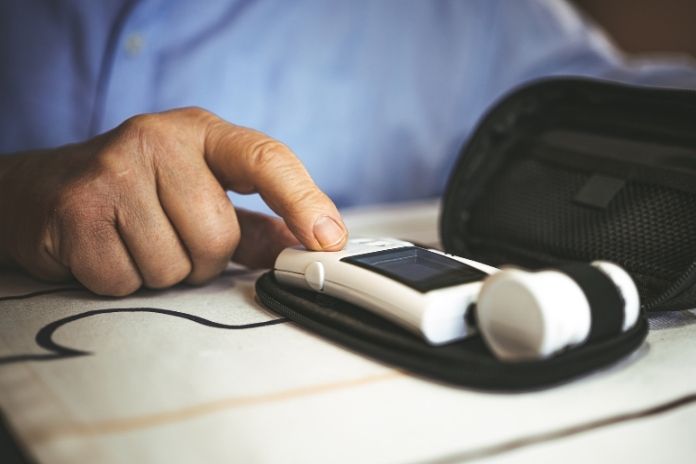
You may get a clear picture of what’s working and when by regularly checking your blood sugar, doing A1C testing periodically, and keeping a close eye on your lifestyle behaviors. This helps you remain on track and make smart changes, which will make it more likely that you can naturally reverse prediabetes.
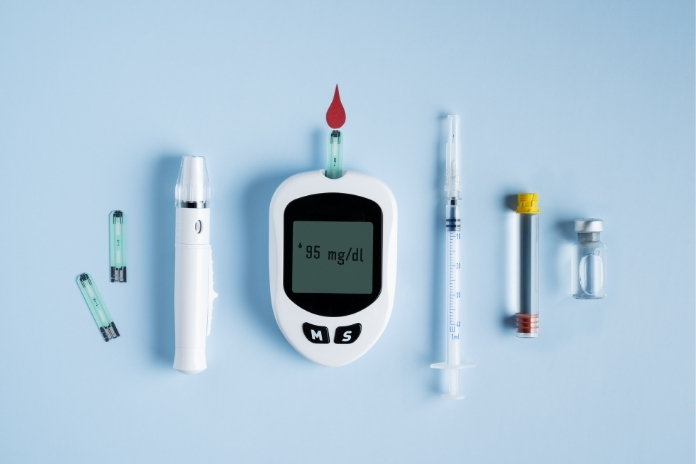
Track Blood Sugar with a Glucometer
- Check your fasting glucose with a glucometer first thing in the morning.
- You can also check your glucose levels after meals to evaluate how your body reacts to food. This helps you see if your efforts are lowering your blood sugar levels over time, which is what you want.
- You might want to use a continuous glucose monitor (CGM) or do finger-prick tests on a regular basis, but don’t go overboard with the testing.
- Instead of testing all day, several experts say you should check once a day (when fasting) or a few times a week.
Recheck HbA1c Every 3 Months
- Every three months, ask your doctor to do a hemoglobin A1C test to see how your blood sugar levels change over time. This tells you if your overall glucose management is becoming better, not just from day to day.
- If your A1C stays below the prediabetes range (5.7% or lower), it’s a good sign that your lifestyle adjustments are working and you may have reversed prediabetes.
Keep a Log of Meals, Workouts, and Energy Levels
- Keep a simple diary or utilize apps to keep track of what you eat, how much you walk, and how you feel, such as your energy level, mood, hunger, and so on. This lets you see patterns: some foods or habits may elevate your blood sugar, while others may help keep it stable.
- Keeping a record helps you remain on track and lets your doctor or dietitian help you more. It also demonstrates that more than one thing affects how well you control your glucose, like what you eat, how much you work out, how stressed you are, and how well you sleep.
Use Digital Tools: Apps, Trackers, and Glucose Monitors
- Digital tools, such as fitness apps, food trackers, or glucometers that work with smartphones, make it easier and more consistent to keep track of things than paper diaries.
- Apps also let you see patterns over weeks or months, demonstrate how different foods or activities affect your blood sugar, and make it easy to communicate information with your doctor so they can give you advice or make changes.
Read More: The Science Behind Type 1 Diabetes and Its Effects on Your Body
Step 6 — Consider Natural Support (With Doctor Guidance)
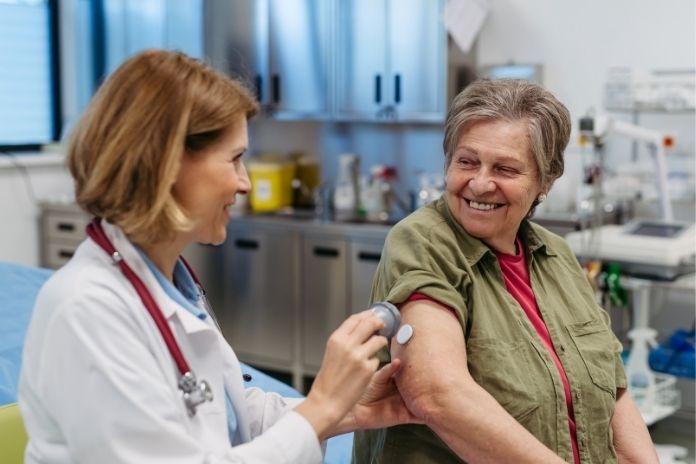
Some natural supplements may help support insulin sensitivity and assist efforts to lower prediabetes blood sugar levels, but only when used carefully and under professional supervision.
Supplements That Show Promise
Berberine — This plant-based compound has been shown in multiple studies to improve insulin sensitivity, reduce how much glucose the liver releases, and lower fasting blood sugar. In some trials, its effects were comparable to standard diabetes drugs.
Alpha-Lipoic Acid (ALA), Magnesium, and Cinnamon extract — These may also support improved insulin action and blood sugar control. For instance, cinnamon has been linked with reduced post-meal glucose and better insulin responsiveness, while ALA and magnesium are believed to assist with glucose metabolism and insulin signaling.
Important Cautions and Professional Oversight Required
Supplements should never replace a solid prediabetes diet plan, regular exercise, healthy sleep, and stress management. The strongest and most reliable evidence supports lifestyle changes as the first-line approach.
Because supplements can interact with medications, affect digestion, or cause other side effects, it’s critical to get approval from your doctor or a registered dietitian before starting any of them. This is especially important if you are on other medications or have other health conditions.
What Experts Say
“Early intervention is absolutely key,” says endocrinologist Shirisha Avadhanula, MD. “Studies show that lifestyle interventions can be just as good as some of our standard diabetic treatment for the progression of prediabetes to Type 2 diabetes.”
Tara Seymour, R.D., L.D.N., C.D.C.E.S. (Dietitian & Diabetes Educator, Johns Hopkins Medicine), says, “People with prediabetes do not have to eliminate entire food groups,” she explains.
“All foods can fit in the meal plan, and patients should steer clear of fad diets and other strategies that promise quick fixes, since their claims are not supported. We encourage making gradual behavior changes. Small changes can lead to big results.”
Read More: The Interplay of Vitamin D Deficiency and Diabetes Risk
Step 7 — Build Long-Term Habits Beyond 3 Months

The goal isn’t just short-term reversal; it’s building lasting habits to keep blood sugar stable and prevent relapse.
Keep Up a Balanced Diet, Regular Exercise, and Stress Management
- Continue your prediabetes diet plan: eat whole, fiber-rich foods (vegetables, beans, whole grains), lean proteins, and healthy fats; avoid refined sugars and processed foods.
- Maintain a steady exercise routine, at least 150 minutes of moderate activity per week, along with muscle-strengthening and activity breaks if you sit a lot, to support insulin sensitivity over the long haul.
- Balance also means managing stress, quality sleep, and other lifestyle factors (since diet and exercise alone may not cover everything).
Celebrate Small Wins & Schedule Regular Check-ins
- Recognize and celebrate every milestone, modest weight loss, improved glucose readings, consistent healthy meals, or regular activity. Small wins build motivation and reinforce healthy habits.
- Schedule regular check-ups with your healthcare provider, for example, periodic fasting glucose or A1C tests, to monitor long-term progress and detect any slippage before it becomes problematic.
If Results Plateau, Reevaluate and Adjust with Medical Guidance
- Sometimes after initial improvements, progress may slow or stall. If your blood glucose plateaus, don’t panic; use it as a cue to review and fine-tune your lifestyle plan.
- Revisit diet composition, portion sizes, activity levels, stress/sleep routines, or consult a doctor or dietitian for a personalized review. Sustained success often requires adjustments, not rigid maintenance.
- By making these changes part of your everyday life, not just a “fix” for a few months, you give yourself the best chance to maintain healthy blood sugar, prevent type 2 diabetes, and support overall health for years to come.
Read More: How Smoking and Alcohol Consumption Increase Diabetes Risk
Quick Recap — Your 3-Month Prediabetes Reversal Plan
Prediabetes can indeed be reversed in 3 months if one keeps up a consistent routine that enhances insulin sensitivity and decreases the levels of blood sugar associated with prediabetes.
Begin with a prediabetes diet plan based on low-glycemic foods, a variety of fiber-based vegetables, whole grains, lean proteins, and healthy fats.
Limit your intake of sugary drinks, refined carbs, and jumbo portions of food. Move every day, striving for at least 150 minutes of moderate activity every week and adding 2-3 strength-training sessions. You can make a significant difference in your health even if you lose only 5-7% of your body weight.
Sleep well, aiming for 7-8 hours of rest each night, and reduce your level of stress through various relaxation techniques. Also, try to avoid late-night eating. On a weekly basis, track your fasting glucose and after-meal readings, as well as your habits, to understand what works for you.
And if necessary, consider natural supplements after consulting with your doctor. Finally, to complete the process, keep up the progress one has made during those 3 months by continuing with all these habits. It is small and continual changes that bring about long-term prediabetes reversal and improved health.
FAQs
Prediabetes can be reversed with simple lifestyle changes. Here are clear answers to common questions to help you take control of your health.
1. Can you actually reverse prediabetes in 3 months?
Yes. Many people can reverse prediabetes in as little as 3 months with consistent lifestyle changes. Research shows that improving diet, increasing physical activity, losing a small amount of weight, and managing stress can bring blood sugar back to the normal range. However, results vary depending on age, health, and commitment.
2. What are the best foods to reverse prediabetes fast?
Choose low-glycemic, high-fiber foods that keep blood sugar stable. These include vegetables, beans, lentils, whole grains (oats, brown rice, quinoa), nuts, seeds, fruits like berries, and lean proteins. Healthy fats such as olive oil and avocados also support insulin sensitivity. Avoid sugary drinks, sweets, white bread, and processed foods.
3. Does intermittent fasting help reverse prediabetes?
Yes, for many people. Time-restricted eating, such as eating within a 10-12-hour window, may improve insulin sensitivity and reduce fasting glucose. It works best when combined with balanced meals and regular exercise. People with medical conditions should ask their doctor before starting.
4. How often should I check my blood sugar if I have prediabetes?
Most healthcare providers recommend checking fasting glucose several times a week and checking after-meal readings occasionally to understand how foods affect your levels. You should also retest HbA1c every 3 months to track long-term progress.
5. Can exercise alone reverse prediabetes?
Exercise helps a lot; 150 minutes of brisk walking per week and strength training 2-3 times weekly can significantly improve insulin sensitivity. But exercise works best when paired with a healthy diet and weight management. Movement alone may not fully reverse prediabetes for most people.
6. How much weight do I need to lose to reverse prediabetes?
Losing 5-7% of your body weight can dramatically lower the risk of developing Type 2 diabetes and often normalize blood sugar. For example, a person weighing 80 kg only needs to lose about 4-5.5 kg to see a meaningful improvement.
References
- Katella, K. (2023, October 23). Prediabetes is on the Rise—But it can be reversed. Yale Medicine.
- Can prediabetes be reversed? What the research says | Lingo. (n.d.)
- Prediabetes. (2025, September 11). Cleveland Clinic
- Prediabetes – Diagnosis and treatment – Mayo Clinic. (n.d.)
- Nallapu, S. (n.d.). Understanding prediabetes: causes and treatments
- 5 ways to reduce or even reverse diabetes. (n.d.)
- Parashar, R. (2025, October 8). Can you hit reverse on Pre-Diabetes in just 30 days? Your Indian Diet & Lifestyle guide to Freedom! Kailash Healthcare Limited
- Team Dr Lal PathLabs. (2025, September 15). Prediabetes diet: What to eat and what to avoid? – Dr Lal PathLabs blog. Dr Lal PathLabs
- Volume 8 Issue 1. (n.d.)
- Walsh, K. (2022, February 24). The best exercises to do if you have prediabetes, according to personal trainers. EatingWell
- How to reverse prediabetes, according to an MD | Calibrate | Calibrate. (n.d.)
- Stein, N. (2023, April 19). Insulin resistance diet. Lark Health
- Three ways to lose weight without exercise. (2019, November 15). [Video]. NBC News
- Admin. (2025, June 20). 5 steps to reverse prediabetes and regain your health. DFW Bariatrics and General Surgery
- Jordan, A. (2025, January 20). How To Reverse Prediabetes. Health Hero
- maneezaster@gmail.com & Tips for Preventing Type 2 Diabetes – Montes Medical Group. (2023, September 1). Tips for preventing Type 2 Diabetes – Montes Medical Group. Montes Medical Group
- Houston Family Practice. (2025, January 2). How to Reverse Pre-Diabetes naturally: Practical tips
In this Article