












GLP-1 is the quiet metabolic core component most people had never heard of until Ozempic and Wegovy became household names. It is naturally produced in the gut. GLP-1 helps regulate appetite, keeping blood sugar steady and delaying how quickly food leaves your stomach.
GLP-1 signals your brain that you’re full. When your GLP-1 response is healthy, your appetite feels consistent, your cravings don’t spike wildly, and your post-meal blood sugar stays stable.
Prescription GLP-1 agonists directly mimic the hormone. Over the past couple of years, the wellness market has exploded with supplements promising to boost your natural GLP-1. These include botanicals, polyphenols, citrus extracts, metabolic blends, anti-inflammatory compounds, and healthy fat supplements. Some of them have intriguing early research, while others have more hype than evidence.
Supplements may have subtle supportive effects. However, they do not drastically suppress appetite as seen in medications. Certain compounds do impact pathways linked to GLP-1 secretion, gut hormone balance, inflammation, insulin sensitivity, or gastric emptying.
Read More: Best Berberine Supplement: How to Choose for Blood Sugar, Metabolic Health, and Safe Results
Overview:
This article walks you through:
- What GLP-1 does. The supplements that are backed by research. What the studies say and don’t say, safety tips and interaction, and smart ways to use them.
- By the end, you’ll understand what’s worth considering and what still needs better scientific research.
6 Supplements & Natural Compounds With Research on GLP-1
The following supplements have the most robust evidence of naturally boosting GLP-1. Though early in some cases, we have some research about GLP-1 activity, digestion, appetite regulation, and metabolic hormones.
1. Berberine
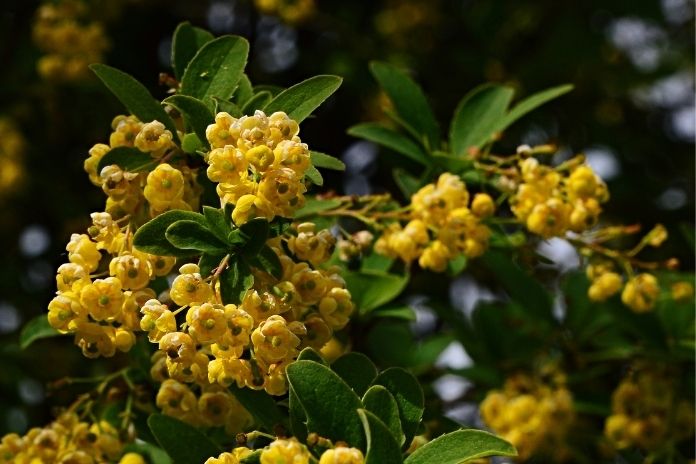
Berberine is a bioactive plant compound derived from plants such as barberry and goldenseal. These are traditionally used for metabolic and gut support.
How it might affect GLP-1:
Berberine acts via gut receptors and, at the same time, may also promote GLP-1 secretion by improving gut barrier function and altering the microbiome. It also promotes insulin sensitivity and indirectly reduces the burden on GLP-1.
What the research shows:
- Small human studies consistently show improved blood sugar, A1C, and cholesterol.
- Animal studies provide a stronger GLP-1 change than human trials.
- Human data indicate indirect GLP-1 support rather than large spikes of the hormone.
- Benefits are more pronounced in subjects with prediabetes or metabolic syndrome.
What this means:
Berberine may help your body use GLP-1 more effectively, but it doesn’t act like a natural Ozempic.
Important considerations:
The supplement might have a few limitations. These can be low absorption, might potentially interact with diabetes medications, and are not recommended during pregnancy.
2. Curcumin / Turmeric Extract
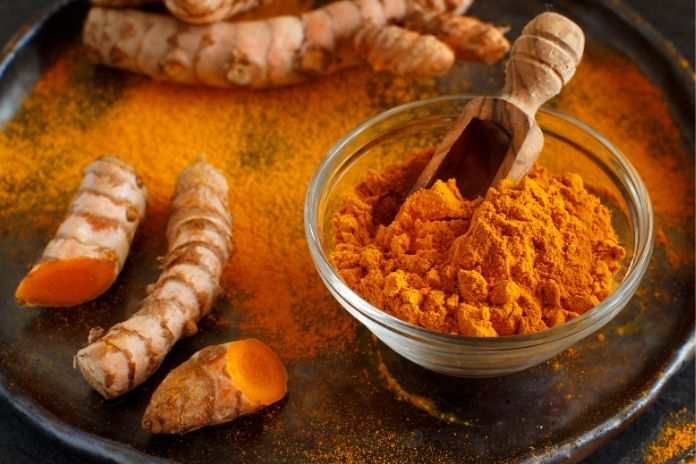
Curcumin/turmeric extract is an active ingredient found in turmeric and known for its anti-inflammatory and antioxidant effects.
How it might affect GLP-1:
Curcumin reduces systemic inflammation and improves gut lining health, creating a more favorable environment for GLP-1 secretion. Minor increases in GLP-1-related markers have been observed in some studies following supplementation.
What the research shows:
- Improved post-meal blood sugar regulation was found in some human studies.
- A 2019 study shows that curcumin increases glucagon‑like peptide‑1 (GLP‑1) secretion from mouse enteroendocrine cells via its oxidative degradation products, linking its blood‑sugar‑lowering effect to GLP‑1 release.
- Benefits are better when combined with black pepper extract or with certain absorption formulas.
What this means:
Curcumin doesn’t directly boost GLP-1, but it improves the metabolic environment where GLP-1 functions.
Important considerations:
It can interact with anticoagulants. Extremely high doses may cause gastrointestinal irritation.
Read More: 9 Essential Supplements for Joint Health and Arthritis Relief
3. Resveratrol

Resveratol is a polyphenol with longevity and mitochondrial benefits. And is found in grapes, blueberries, and red wine.
How it may impact GLP-1:
Preclinical data show that resveratrol could promote incretin hormones and support insulin signaling, thereby indirectly supporting the pathways of GLP-1.
What the research shows:
- It shows strong GLP-1 results in animal evidence, but human evidence is still weak and inconsistent.
- Larger doses offer greater metabolic benefits, but such doses are difficult to obtain from usual supplements.
- Most human results involve insulin sensitivity rather than GLP-1 spikes.
What this means:
This means that resveratrol has good metabolic potential. However, the GLP-1 activity is theoretical and mild, and on its own, not clinically significant.
Important considerations:
Resveratrol may interact with medications metabolized through the liver.
4. Cinnamon, Bitter Melon, Gardenia & Other Botanicals

Traditional botanicals such as cinnamon, bitter melon, gardenia, & other botanicals are used worldwide to manage sugar levels and regulate digestion.
How they might affect GLP-1:
Some plant compounds might influence gut hormone secretion, slow carbohydrate digestion, and bind to intestinal receptors linked with GLP-1 secretion.
What the research shows:
- Cinnamon shows decent evidence for improving insulin signaling. A 2009 study in healthy subjects showed that adding 3 g cinnamon to a rice pudding meal reduced postprandial insulin and increased GLP‑1 concentrations, while not significantly altering blood glucose, GIP, ghrelin, satiety, or gastric emptying.
- Bitter melon shows GLP-1–related effects in animals and small human samples.
- Early research data for gardenia extracts are related to incretin hormones, focused on geniposide and its aglycone genipin, which were found to stimulate the glucagon-like peptide-1 (GLP-1) pathway.
- Results vary widely by preparation and dosage.
What this means:
This is a promising yet inconsistent group. Botanicals may affect GLP-1 modestly, but results can vary depending on species, extract type, and quality.
Important considerations:
Botanicals may cause unintended low blood sugar levels when taken along with diabetes medications.
5. Omega-3 Fatty Acids & Healthy Fats
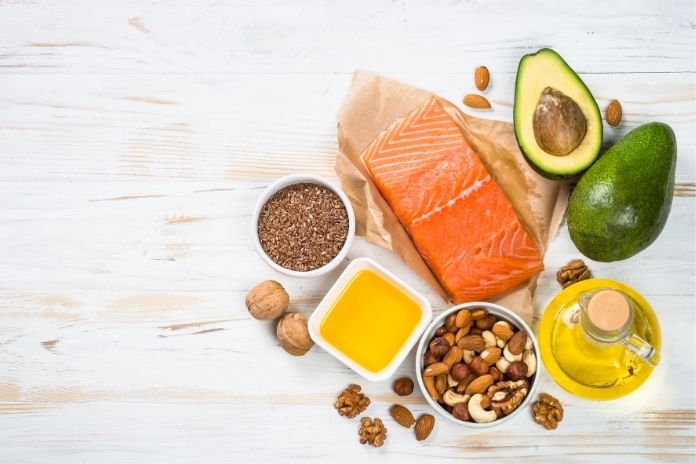
Omega-3 fatty acids and healthy fats are obtained from sources such as fish oil, chia, flax, olive oil, nuts, seeds, and avocado.
How they naturally stimulate GLP-1:
Healthy fats stimulate the intestine to release GLP-1, peptide YY, and other satiety hormones in response to a meal. One of the reasons why meals that contain sufficient amounts of fat are more satiating.
What the research shows:
- Omega-3s help with inflammation and gut health, therefore improving natural responsiveness to GLP-1.
Supplements may help, but whole-food fats produce a stronger hormonal effect.
What this means:
This is one of the most evidence-supported methods to increase natural GLP-1. However, the effect depends on your diet, not just the supplements.
Important considerations:
High-dose fish oil can thin out the blood and upset digestion.
Read More: Best Energy Supplements for Chronic Fatigue: What the Science Shows and How to Choose
6. Eriocitrin / Eriomin®
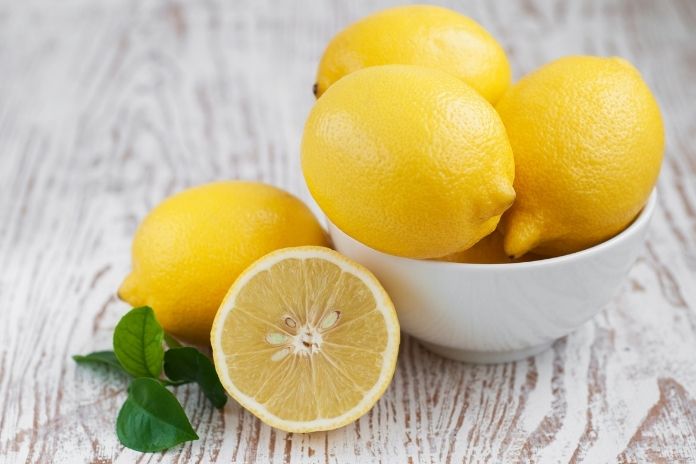
Eriocitrin / Eriomin® is a dietary supplement of purified citrus flavonoids, standardized for metabolic benefits.
How it affects GLP-1:
One well-designed trial suggests that Eriomin increased GLP-1 by about 17% in people with high blood sugar, alongside improved fasting glucose and markers of oxidative stress.
What the research shows:
- Improvements in glucose control, oxidative stress, and inflammatory markers.
- Further research is needed before it can be considered a mainstream GLP-1 strategy.
What this means:
Eriomin is one of the few supplements that has human data showing increases in GLP-1. However, this evidence is too early to trust.
Important considerations:
It should be taken under medical supervision by people suffering from blood sugar disorders.
What the Research Ultimately Shows
If we combine all available evidence across supplements, we can observe a few things, such as:
- Some supplements increase GLP-1, but none boost it significantly. They provide gentle support and not medication-level results.
- Most studies are small, early-stage, or limited to specific populations. Evidence-based scientific data is growing, but it is in its starting stages.
- Diet and lifestyle change remain the most reliable GLP-1 enhancers. High-fiber foods, lean proteins, healthy fats, resistance training, and quality sleep all have consistently been shown to increase natural GLP-1 more than most supplements.
- Supplements can support metabolic health, but do not replace medications. They are helpful for appetite awareness, digestive comfort, or glucose stability, but not for medication-level appetite suppression or weight loss.
Safety, Interactions & When to Seek Medical Advice
Anything that affects GLP-1 can also influence digestion and glucose. Hence, safety does matter:
Key Safety Reminders:
- Quality differs among supplements. You may want to select third-party tested brands.
- Taking some supplements along with your diabetes medications may cause low blood sugar. You should not self-medicate with supplements if you are pregnant, lactating, or suffering from any endocrine, liver, or kidney disorders.
- People on GLP-1 medications should consult their doctor before layering supplements on top.
- GLP-1 affects many systems, so adding supplements without supervision can backfire.
Practical Guidance: Smart Ways to Use These Supplements
Step 1: Begin with a conversation with your health care provider. Especially if you’re on GLP-1 medications or have metabolic disorders.
Step 2: Get the foundations right first. High-fiber meals, healthy fats, protein-rich meals, consistent movement, optimized sleep, and reduced stress do more for GLP-1 than any supplement.
Step 3: Add evidence-based supplements, if necessary. Eriomin, berberine, omega-3s, or curcumin may offer additional benefits.
Step 4: Keep expectations grounded. Supplements offer subtle support. They’re not “natural Ozempic.”
Step 5: Track the data. See how your appetite, energy, digestion, glucose, or weight trends change with time.
Quick Recap — The Bottom Line
Supplements can support GLP-1, but they cannot replicate medication effects. The strongest evidence supports healthy fats, fiber, and metabolic botanicals with varying results.
Sustainable GLP-1 support cannot be derived from supplements alone. It requires a combination of nutrition, movement, sleep, and smart supplementation. Always involve your healthcare provider when using supplements that affect appetite and blood sugar.

References
- ScienceDirect. (2025). Berberine’s impact on health: Comprehensive biological, pharmacological, and nutritional perspectives. ScienceDirect.
- Cesar, T., Oliveira, M. R., Sandrim, V., Mendes, A., Bruder, R., Oliveira, R., Sivieri, K., & Milenkovic, D. (2025). Citrus flavonoid supplement enhances glycemic and metabolic control in prediabetic patients on metformin: A randomized controlled trial. Frontiers in Nutrition, 12.
- Gupta, R., Mathur, A., & Sharma, P. (2016). Yoga and lifestyle interventions in diabetes management: A systematic review. PMC, 4808672.
- Nabavi, S. F., Daglia, M., & Nabavi, S. M. (2023). Curcumin and metabolic syndrome: Effects on insulin resistance and inflammation. MDPI International Journal of Molecular Sciences, 24(3), 2131.
- Papachristou, S., & Chrousos, G. (2018). Exercise and endocrine function: Effects on glucose metabolism and diabetes risk. Frontiers in Endocrinology, 9, 584.
- Naveed, M., et al. (2010). Curcumin: Biological, pharmaceutical, nutraceutical and analytical aspects. PMC, 12307485.
- Wojcikowski, K., et al. (2015). Curcumin improves insulin sensitivity in patients with type 2 diabetes: A randomized, double-blind study. PMC, 5610395.
- Panahi, Y., Hosseini, M. S., Khalili, N., Naimi, E., Simental-Mendía, L. E., Majeed, M., & Sahebkar, A. (2023). Curcumin supplementation and insulin sensitivity: Meta-analysis of randomized controlled trials. ScienceDirect, S1359644623001435.
- MyGeneFood. (n.d.). Curcumin supplements: Choosing a bioavailable formula.
In this Article