













Every time you walk into any grocery store in the US, you’ll see several aisles labeled “organic.” From apples and oatmeal to meat and baby snacks, the organic section continues to get bigger and expensive. Naturally, it makes you wonder: when it comes to organic food vs inorganic food, ‘Is the higher cost really worth it?’ Or ‘Is organic just a fancy label backed by clever marketing?’
The debate surrounding organic and inorganic food is growing louder with each passing day. While some swear by organic choices, claiming that they are cleaner, nutrient-rich, and safer for long-term health, others think it is just hype. It is especially true when the science of organic vs non-organic nutrition is not so transparent as social media makes it appear.
This article breaks down the whole topic of organic vs inorganic food clearly to help you decide what matters for your health, budget, and lifestyle.
Key Takeaways — What You’ll Learn
By the end of this article, you will understand:
- The core differences between organic vs. conventional farming, and how those farming choices impact your food.
- Organic produce compared to non-organic produce in terms of nutrition, taste, and pesticide residues in organic food.
- Whether it can be shown from the research that organic food, compared to inorganic food, provides noticeably better health outcomes.
- How to shop smart: when organic makes sense and when conventionally grown foods are perfectly fine.
- Each section highlights organic food benefits and drawbacks so you may make informed choices without falling for either extreme.
What Makes Food Organic (and What Doesn’t)
When you try to understand the organic food vs. non-organic food comparison, check the rules of certification first. US Department of Agriculture (USDA) organic standards in the US require:
- No synthetic pesticides or fertilizers
- No GMOs
- No antibiotics or added hormones in animals
- Organic feed and outdoor access for livestock
- No irradiation or artificial preservatives
This is where organic farming vs. conventional agriculture truly differs. Conventional farming might use synthetic chemicals, genetically modified seeds, or preservatives to increase yield and shelf life.
Still, both organic and conventional foods must be inspected for safety before they reach your plate.
Nutritional Differences between Organic and Non-Organic Foods
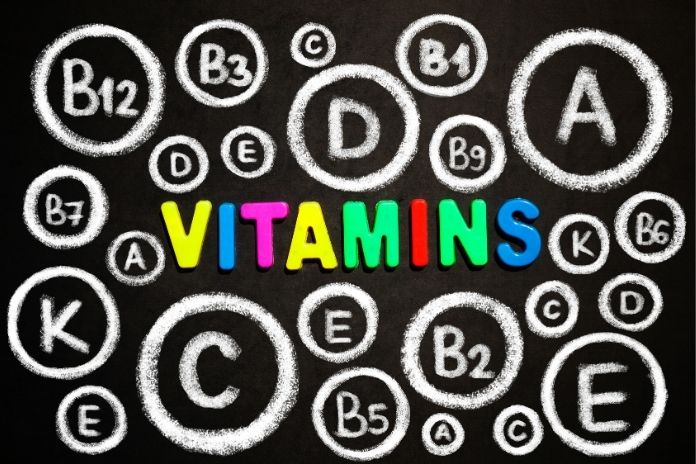
Vitamins & Minerals
Research regarding organic food vs inorganic food indicates that macronutrients, such as carbohydrates, proteins, and fats, remain relatively similar. Several studies indicate that, in general, the difference in nutrition between organic and non-organic is small.
Certain studies, however, have pointed out a slightly higher content of vitamin C and some micronutrients in organic produce. This could be due to healthier soil and slower crop growth.
This indicates that the health benefits of an organic diet might come from improved micronutrient density, not big differences in calories or macros.
Antioxidants & Polyphenols
The researchers found that overall organic crops had 18–69% higher concentrations of antioxidant compounds. Specifically, the organic crops had higher levels of 19% phenolic acids, 69% flavanones, 28% stilbenes, 26% flavones, 50% flavonols, and 51% anthocyanins.
Therefore, if you aim to maximize antioxidant intake, opting for organic foods can be an option.
Omega-3 Fatty Acids in Animal Products
Certain foods, such as organic milk, eggs, and meats, may have more omega-3 due to grass-fed diets. When it comes to organic food vs non-organic food comparison in the dairy aisle, there is a slight nutritional advantage to choosing organic.
There are differences, but they’re minimal. Organic food may have an antioxidant edge, but the quality of your overall diet trumps the organic label.
Pesticide Residue and Chemical Exposure

One of the primary reasons people choose organic is concern about chemical exposure.
Here’s what you must know:
- Pesticide residues in organic foods are lower, but not necessarily zero.
- Conventional produce still falls within strict EPA safety limits.
- Washing, scrubbing, and peeling dramatically reduce residues for both groups.
- For most healthy adults, the difference in exposure is minimal. But for pregnant women, infants, and agricultural workers, reduced exposure may matter more.
This is where the debate about organic food benefits and drawbacks gets real.
Health Outcomes — Is Organic Food Actually Healthier?
Now, we must answer the important question: Is organic food healthier?
Research has shown that:
- People who eat organically have lower pesticide exposure.
- Organic meats and dairy reduce exposure to antibiotic-resistant bacteria.
- Evidence for the prevention of allergies or chronic diseases remains mixed and inconclusive.
Many of the perceived benefits come from organic diets’ overall health effects, and not from the organic label per se. This is because organic buyers generally have a healthier lifestyle.
According to Harvard Health, most of the proven health benefits come from eating more fruits, vegetables, and whole foods, whether organic or conventional.
In other words, an organic label is not a magic shield. The true magic is in consistent healthy eating.
Environmental & Ethical Factors
This is where organic outweighs inorganic. Organic farming vs. conventional agriculture contrasts significantly:
- Organic practices promote biodiversity, soil regeneration, and the health of pollinators.
- Organic farms avoid synthetic chemical runoff.
- However, traditional farming produces higher yields that make food cheaper and available to a large population.
- Organic often requires more land for the same output. This means its carbon footprint is not always lower.
- Animal welfare is another major selling point for organic livestock systems, in which outdoor access and organic feed are required.
When weighing organic food benefits and drawbacks, the environmental side is where people often feel most strongly.
Cost, Accessibility & Smart Shopping Tips

Organic foods often cost 20–100% more than conventionally grown food, making the organic food vs inorganic food decision a financial one as well.
Here’s how to shop smarter:
- Choose organic for high-residue items (e.g., berries, spinach).
- Conventional options are a good choice for low-residue produce like onions, avocados, and citrus.
- Focus on the overall quality of the diet that includes whole grains, lean proteins, fruits, and vegetables. These components matter more than the label.
You must find a practical way to navigate organic versus non-organic nutrition without breaking your bank.
Expert Opinions — What Nutritionists Say
Kathy McManus, a egistered dietitian and director of the Department of Nutrition at Harvard-affiliated Brigham and Women’s Hospital, says,” There’ve been a number of studies examining the macro- and micronutrient content, but whether organically or conventionally grown, the foods are really similar for vitamins, minerals, and carbohydrates,” Adding, “It’s usually people who are concerned about what’s going into food production and who can afford to make the choice for organic,”
Most nutritionists agree on a balanced perspective in this organic vs inorganic debate:
- Organic reduces chemical and antibiotic exposure but does not dramatically change nutrient content.
- The proven health benefits of an organic diet come mostly from eating more plant foods overall.
- Both organic and conventional foods are safe, nutritious, and part of a healthy lifestyle.
It is recommended that you focus on getting enough produce, rather than fretting over labels.
Quick Recap
Organic food versus inorganic food mainly differs in farming practices, not in dramatic nutrient gaps. Organic foods have fewer pesticide residues and may offer more antioxidants.
Organic farming provides support for environmental health, but conventional farming offers better yields and affordability. The best diet is one rich in whole foods, organic or not. If you are weighing organic food benefits and drawbacks, keep in mind that the healthiest choice is the one that fits your lifestyle, your budget, and your long-term eating habits.
References
- Pure Eco India. (n.d.). Why does organic food cost more than conventional food?
- Harvard Health Publishing. (2022). Are organics worth it? Harvard Medical School.
- UC Davis Health. (2019). Are organic foods really healthier? Two pediatricians break it down. UC Davis.
- Wavrin, S., Bernard, A., & Rancière, F. (2021). Dietary interventions and allergy prevention: A systematic review. Allergy, Asthma & Clinical Immunology, 17(1), 1–12.
- Organic Trade Association. (2023). Organic practices help reduce exposure to antibiotic-resistant bacteria. OTA.
- BBC. (2024). Why organic food is still dividing opinion. BBC.
- Smith-Spangler, C., Brandeau, M. L., Hunter, G. E., Bavinger, J. C., Pearson, M., Eschbach, P. J., Liu, H., Schirmer, P., Stave, C., Olkin, I., & Bravata, D. M.
(2010). Are organic foods safer or healthier than conventional alternatives? A systematic review. Annals of Internal Medicine, 152(5), 348–366. - The Economic Times. (2024). Organic food vs non-organic food: Is there really a health benefit or just clever marketing?
In this Article