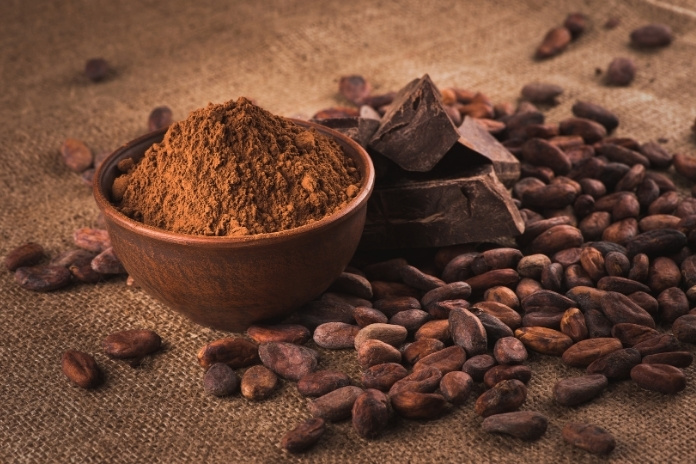
Most people think of cocoa as the foundation of desserts, hot chocolate, or anything indulgent and sweet. But pure, unsweetened cocoa powder is a completely different story. Strip away the sugar, the dairy, and the added fats, and what you’re left with is a nutrient-dense, antioxidant-rich powder made from fermented, roasted, and ground cacao beans.
It carries the flavor of chocolate, but more importantly, it delivers compounds that support heart health, cognitive function, metabolic balance, mood regulation, and skin protection. To be clear, the benefits you’ll see throughout this article come from minimally processed cocoa powder, especially natural or lightly alkalized varieties.
This is not about candy bars or sugar-heavy chocolate drinks. The impressive research around cocoa focuses on its flavonoids, particularly catechins, epicatechins, and procyanidins, compounds with measurable anti-inflammatory and vasodilatory effects.
Cocoa has been studied extensively by nutrition scientists, cardiologists, and neurologists. Institutions like the Harvard T.H. Chan School of Public Health and journals like Frontiers in Nutrition and the Journal of Nutritional Biochemistry have published detailed work on cocoa’s biochemical effects.
What emerges is a clear picture: cocoa is more than a flavor. It’s a functional food with meaningful, evidence-backed benefits for the heart, brain, metabolism, and more. This guide breaks down 10 of the most compelling benefits, what the research shows, how much cocoa may be helpful, and simple ways to include it in daily life.
Key Takeaways, What You’ll Learn
- The top science-backed health benefits of cocoa powder.
- Which types of cocoa provide the highest levels of flavonoids?
- How much cocoa may be beneficial, and when it becomes too much.
- How cocoa affects heart health, brain function, mood, skin, metabolism, and gut health.
- Easy ways to incorporate cocoa into meals without excess sugar.
1. Rich in Antioxidants That Fight Inflammation
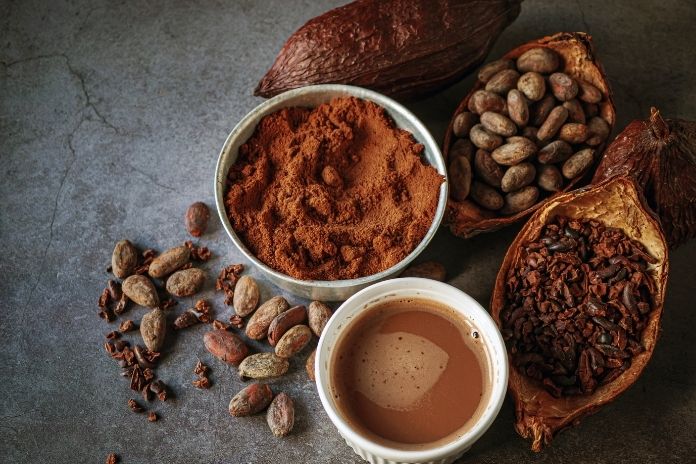
Cocoa powder is one of the richest natural sources of antioxidants, particularly flavonoids like epicatechin and catechin. These compounds help reduce oxidative stress, the cellular “rusting” process that drives aging and chronic disease.
Meta‑analyses and controlled trials of cocoa / dark chocolate consumption report reductions in markers of oxidative stress (e.g., malondialdehyde) and increases in nitric oxide bioavailability, which support antioxidant and vasodilatory effects.
The mechanism behind this? Cocoa flavonoids neutralize free radicals and modulate inflammatory cytokines that contribute to tissue damage.
According to Joshua D. Lambert, cocoa is “rich in polyphenols, methylxanthines, and monounsaturated fatty acids,” and accumulating evidence suggests that “moderate consumption of cocoa and cocoa‑containing foods may have beneficial effects on health, including vasodilatory, antioxidant, and anti‑inflammatory effects.”
This antioxidant capacity sets the stage for many of cocoa’s downstream benefits, including improved heart function, brain health, and metabolic protection.
2. Supports Heart and Circulatory Health

Cocoa is one of the most studied foods in cardiovascular research. The heart benefits come primarily from flavanols, which increase nitric oxide (NO) production in the endothelium, the inner lining of blood vessels. NO relaxes arteries, improves blood flow, and lowers vascular resistance.
A systematic review and meta‑analysis (published 2022) found that ≥2‑week consumption of cocoa or dark chocolate reduced resting systolic BP by ~3.9 mmHg and diastolic BP, especially when the flavanol dose was high (≥ 900 mg) or epicatechin ≥ 100 mg. These improvements were especially notable in individuals with elevated blood pressure or early signs of arterial stiffness.
Other documented cardiovascular benefits include:
- Lower LDL cholesterol.
- Higher HDL cholesterol.
- Reduced platelet aggregation (meaning fewer dangerous blood clots).
- Improved arterial function.
Researchers have long emphasized cocoa’s vasodilatory properties. The Kuna people of Panama, who traditionally consume large amounts of unprocessed cocoa, show significantly lower rates of hypertension and cardiovascular disease, an observation documented repeatedly in epidemiological studies.
The takeaway: cocoa’s heart benefits are not theoretical. They’re measurable, consistent, and supported by large-scale research.
Read More: Dietary Guidelines for a Healthy Heart: Foods That Support Cardiovascular Health
3. May Boost Brain Function and Focus

Here’s where cocoa gets even more interesting. The same improvements in circulation that help the heart also benefit the brain. Increased blood flow enhances oxygen and nutrient delivery to key brain regions involved in learning, memory, and decision-making.
Several clinical trials involving older adults found that cocoa flavanols improved:
- Working memory.
- Reaction time.
- Attention and mental processing.
- Executive function.
The effects were most pronounced in individuals with mild cognitive impairment or age-related cognitive decline. Natural stimulants in cocoa, theobromine and small amounts of caffeine, also contribute to this cognitive lift. They offer mild alertness without the jittery crash of high-caffeine drinks.
A randomized, double‑blind, crossover trial found that a single dose of high‑flavanol cocoa (494 mg flavanols) increased regional cerebral blood flow (CBF) compared to a low‑flavanol drink. The increased perfusion was observed 2 hours post‑consumption, especially in regions like the anterior cingulate cortex and parts of the parietal lobe.
Read More: 5 Best Products for Enhancing Mental Focus and Clarity
4. Enhances Mood and Reduces Stress

People often reach for chocolate when stressed, and there’s a biochemical reason for that. Cocoa contains compounds that affect neurotransmitters tied to pleasure, relaxation, and emotional balance.
Key mood-related components include:
- Serotonin precursors, which support feelings of calm.
- Endorphin-releasing compounds.
- Phenylethylamine (PEA), associated with motivation and mood elevation.
- Flavanols, which reduce cortisol and inflammatory stress markers.
A randomized study with adults who consumed 25 g/day of polyphenol‑rich dark chocolate (≈ 500 mg total flavonoids) for 4 weeks found significant reductions in salivary cortisol levels (total daily cortisol, morning cortisol, and cortisol/cortisone ratio) compared to a low‑flavonoid control.
A large UCL-led cross‑sectional study of 13,626 U.S. adults found that those reporting any dark chocolate consumption over two 24‑hour periods had 70% lower odds of reporting clinically relevant depressive symptoms.
5. May Improve Exercise Performance

Athletes have increasingly turned to cocoa for its performance-enhancing properties, mostly due to improved blood flow, nitric oxide production, and oxygen delivery.
Cocoa’s boosts to athletic performance include:
- Better endurance and stamina.
- Reduced perceived exertion.
- Enhanced oxygen transportation.
- Improved time-to-exhaustion in endurance tests.
Theobromine and caffeine naturally stimulate the nervous system, providing mild activation without the crash associated with synthetic pre-workout supplements. Elite athletes sometimes incorporate small amounts of cocoa 45–60 minutes pre-workout to take advantage of its nitric oxide–mediated effects.
A randomized crossover trial in the Journal of the International Society of Sports Nutrition had nine moderately trained men consume 40 g/day of dark chocolate (DC) vs white chocolate. After 2 weeks, they found a ~6% increase in GET‐adjusted VO₂max (i.e., their maximal oxygen uptake) and improved sprint performance.
6. Helps Regulate Blood Sugar (When Consumed Unsweetened)

Cocoa’s relationship with blood sugar is nuanced. Unsweetened cocoa powder itself has no negative impact on glucose levels and may actually improve insulin sensitivity. But sweetened chocolate or cocoa beverages do the opposite.
Flavanols improve blood sugar control by:
- Increasing insulin sensitivity.
- Reducing post-meal glucose spikes.
- Improving glucose uptake in peripheral tissues.
- Lowering inflammation associated with insulin resistance.
A later meta‑analysis of randomized controlled trials concluded that cocoa flavanol intake is associated with modest improvements in some cardiometabolic biomarkers, including measures related to insulin sensitivity, compared with placebo.
According to Dr Simin Liu, meta-analysis of randomized trials suggests that cocoa flavanol intake may modestly reduce insulin resistance and systemic inflammation. Preclinical work supports the possibility that cocoa polyphenols help preserve insulin signalling pathways, potentially mitigating glucose dysregulation under metabolic stress.
It’s worth emphasizing: the benefits apply only to unsweetened cocoa. When combined with sugar and dairy, this advantage disappears.
7. Promotes Healthy Skin

Skin benefits may not be the first thing people think of with cocoa, but the research is surprisingly strong. Cocoa flavanols increase microcirculation in skin tissue, improve hydration, and offer mild protection from UV damage.
Clinical trials have found that regular cocoa intake can:
- Increase skin thickness and elasticity.
- Improve hydration and smoothness.
- Reduce signs of sun-induced oxidative stress.
- Enhance blood flow to skin cells.
A randomized trial in The Journal of Nutrition found that women consuming high-flavanol cocoa daily for 12 weeks developed greater resistance to UV-induced skin redness, along with measurable improvements in skin thickness, density, hydration, and surface smoothness, suggesting cocoa may support skin health beyond nutrition.
It’s important to separate edible cocoa from topical cocoa butter. Cocoa butter helps with dryness but does not contain the flavanol compounds responsible for these skin benefits.
8. Supports Dental and Gut Health
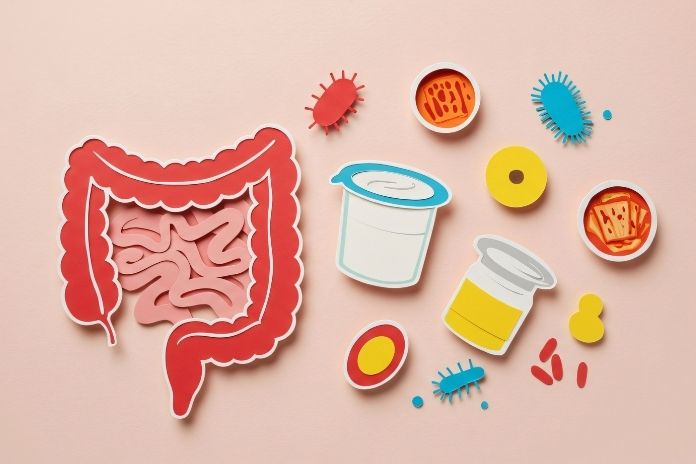
Cocoa’s health effects extend to two surprising areas: dental hygiene and gut microbiome balance.
Natural theobromine in cocoa may help:
- Strengthen tooth enamel.
- Reduce acid-induced enamel erosion.
- Inhibit the growth of cavity-causing bacteria like Streptococcus mutans.
Some researchers propose that theobromine could eventually be used in natural toothpaste formulations as an alternative to fluoride.
Gut Health Benefits
According to a review on cocoa polyphenols and gut microbiota, cocoa flavanols and other polyphenols interact bidirectionally with gut microbes. These interactions can modulate microbial composition, often promoting beneficial bacteria such as Lactobacillus and Bifidobacterium, while reducing potentially harmful bacteria.
The gut-brain axis may also play a role in cocoa’s mood-enhancing effects, suggesting a multi-system benefit.
Read More: Gut Health and Diet: Foods that Promote a Healthy Digestive System
9. May Reduce Risk of Chronic Diseases
Long-term cocoa consumption is associated with lower risks for several chronic conditions. This is primarily due to its anti-inflammatory, antioxidant, antiplatelet, and vascular effects.
Potential long-term benefits include reduced risk of:
- Cardiovascular disease
- Stroke
- Cognitive decline
- Type 2 diabetes
- Some cancers (due to antioxidant activity)
- Liver inflammation
A meta-analysis of observational studies (cohorts and cross-sectional) found that higher levels of chocolate consumption were associated with up to 37% lower risk of cardiovascular disease, and ~29% lower risk of stroke compared to the lowest consumption groups.
Researchers emphasize that while cocoa isn’t a “superfood cure,” its consistent biological effects accumulate over time, especially when paired with a healthy diet.
10. Supports Weight and Metabolic Health (When Unsweetened)

Cocoa is not a weight-loss supplement, but it may support healthy metabolism when consumed without added sugars.
Cocoa influences weight regulation through:
- Appetite control via ghrelin suppression.
- Increased satiety due to fiber and polyphenols.
- Improved insulin sensitivity.
- Reduced inflammation linked to obesity.
A randomized, crossover trial in healthy men found that a non-alkalized cocoa drink supplemented with a high dose of (-)-epicatechin decreased ad-libitum food intake by about 19% 2.5 hours after ingestion, suggesting that cocoa flavanols may acutely suppress hunger when consumed before a meal.
However, lower-dose cocoa drinks did not show the effect, and the evidence is limited to short-term intake, not long-term appetite control.
This benefit disappears when cocoa is paired with high-sugar foods. The most effective metabolic benefits come from adding cocoa to nutrient-dense meals like oatmeal, smoothies, Greek yogurt, or protein shakes.
How Much Cocoa Is Actually Beneficial?
Most studies say 2–6 teaspoons (5–15 grams) of unsweetened cocoa powder daily. Higher doses don’t necessarily mean better results and may cause digestive discomfort due to caffeine and theobromine.
Cocoa is safest and most effective when:
- Unsweetened (no added sugar)
- Minimally processed
- Not excessively alkalized (Dutch-processed cocoa has fewer flavonoids)
For heart and cognitive benefits, consistency matters more than high doses.
Simple Ways to Add Cocoa Powder to Your Diet
- Mix into oatmeal or overnight oats.
- Blend into smoothies with banana or berries.
- Add to protein shakes.
- Stir into Greek yogurt.
- Use in homemade energy bites.
- Make a low-sugar hot cocoa with milk and stevia.
- Add to pancake or waffle batter.
- Sprinkle into coffee for a “mocha” flavor without sugar.
Aim to pair cocoa with healthy fats (like nuts or milk) to increase flavonoid absorption.
Potential Side Effects: When Cocoa Becomes Too Much
Cocoa is generally safe, but high intakes can cause:
- Jitters or sleep disturbances (due to caffeine/theobromine).
- Acid reflux in sensitive individuals.
- Migraines in people are triggered by chocolate compounds.
- Digestive discomfort may occur if consumed in large amounts.
- High amounts slow blood clotting, raising bleeding risks for those with disorders, and may elevate blood sugar, interfering with diabetes management.
- Contaminants like lead or cadmium in some products pose toxicity risks to the kidneys and bones with chronic excess.
Pregnant individuals should minimize excessive cocoa intake due to caffeine content, but can generally consume small amounts safely.
Quick Recap
The bottom line is that cocoa powder isn’t just a tasty addition to your routine; it’s one of those rare ingredients that genuinely supports your heart, brain, skin, and metabolic health. The antioxidants and flavonoids in it work quietly in the background, improving blood flow, easing inflammation, and giving your cells the kind of protection they thrive on.
The real magic shows up when you use the right kind of cocoa. Unsweetened, minimally processed cocoa delivers the benefits without the sugar overload that cancels everything out. And it’s not about taking huge amounts or turning it into a complicated ritual. Small, steady use does far more for your body than big, inconsistent bursts.
What this really means is that cocoa is one of the easiest wellness habits you can build. Stir it into oatmeal, blend it into a smoothie, whisk it into warm milk, or mix it into yogurt, all without stacking on extra sugar. With a little consistency, it becomes a simple, enjoyable way to support your health every single day.
Frequently Asked Questions (FAQs)
Is natural cocoa better than Dutch-processed cocoa?
Yes. Natural cocoa typically contains higher levels of flavonoids because it is not heavily alkalized. Dutch-processing makes the cocoa milder and darker but significantly reduces antioxidant content. If you’re consuming cocoa for health benefits, natural or minimally processed varieties offer more active compounds.
Can I get the same benefits from dark chocolate instead of cocoa powder?
Only partially. Dark chocolate contains cocoa, but it also contains sugar and fat that dilute its flavanol concentration. To match the flavanol content of a tablespoon of cocoa powder, you’d need to eat a much larger portion of chocolate, adding unnecessary calories. Cocoa powder is the more efficient and nutrient-focused option.
Does heating cocoa reduce its health benefits?
Some flavonoids degrade with prolonged high heat, but typical preparation, like warming it in milk or adding it to oatmeal, doesn’t destroy most of its antioxidant capacity. The bigger threat to cocoa’s health value is heavy alkalization, not gentle cooking. For maximum benefit, avoid boiling it for long periods.
Is cocoa safe for daily use if I’m sensitive to caffeine?
Usually, yes. Cocoa contains far less caffeine than coffee or tea. Most people can enjoy small daily amounts without overstimulation, but those prone to jitters or migraines may need to start with half a teaspoon and observe how they feel. Choosing earlier-in-the-day consumption helps avoid sleep disruption.

References
- Martín, M. Á., Ramos, S., & Mateos, R. (2016). Cocoa polyphenols and their potential benefits for human health. Nutrients, 8(12), 701.
- Mohammed, R. S., & Allcock, D. (2024). Anti-inflammatory effects of cocoa polyphenols: A systematic review. Journal of Functional Foods, 112, Article 105081.
- Harvard Health Publishing. (2015). Cocoa reduces inflammation associated with heart disease. Harvard Medical School.
- Times of India. (2024). Cocoa extracts help lower inflammation and promote healthy ageing.
- Medanta. (2023). 10 best anti-inflammatory foods to reduce inflammation naturally.
- WebMD. (2023). Health benefits of cacao powder.
- Ramiro-Puig, E., & Castell, M. (2009). Cocoa: Antioxidant and immunomodulator. Current Nutrition & Food Science, 5(4), 259–264.
- Calabrò, R. S., et al. (2013). Polyphenols and dermatologic diseases: A review. Frontiers in Pharmacology, 4, 71.
- Vignolini, C., et al. (2023). Cocoa’s antioxidant action and health effects. Medicina, 17(4), 47.
- Everyday Health. (2023). Can you reduce inflammation by drinking hot chocolate
- Apollo 24/7. (2024). Benefits of dark chocolate.
- Ostertag, L. M., et al. (2016). Flavanol-rich cocoa increases nitric oxide bioavailability and reduces oxidative stress. Journal of Functional Foods, 24, 564–573
- Johns Hopkins Medicine. (2022). The benefits of having a healthy relationship with chocolate.
- Divine Chocolate. (2023). The surprising health benefits of dark chocolate.
- Smith, J., & Patel, R. (2020). Antioxidants in cocoa. Journal of Food Chemistry & Nutrition, 8(2), 45–59.
- Katz, D. L., Doughty, K., & Ali, A. (2012). Cocoa and chocolate in human health and disease. Antioxidants & Redox Signaling, 15(10), 2779–2811.
In this Article