












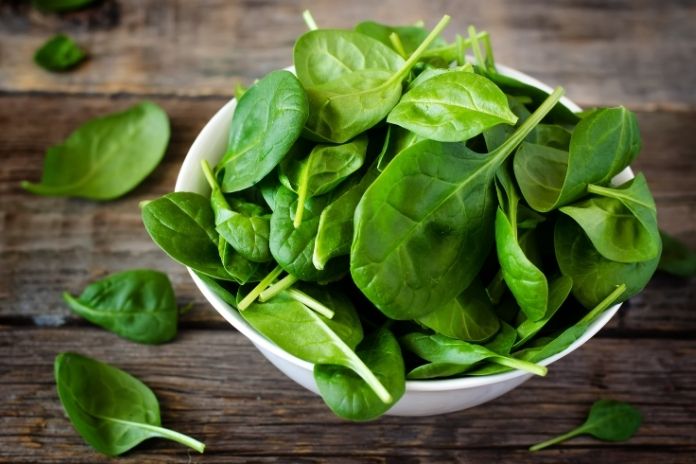
Spinach has long carried a reputation: the “iron star” of vegetables. Many people add it to smoothies, salads, soups, curries, or stir-fries because they believe it boosts iron levels. But a practical question keeps bothering people:
Does cooking spinach reduce iron, or does it actually make iron easier to absorb?
Surprisingly, the answer isn’t as simple as “raw is better” or “cooked is healthier.” The truth lies somewhere in between, and understanding it helps, especially for vegetarians who rely on spinach as a primary source of iron.
This topic matters because plant-based iron is poorly absorbed, and many people assume that eating large salads of raw spinach will resolve an iron deficiency. But sometimes, the body absorbs very little of that iron.
So let’s break this down clearly, only what is nutritionally true and practical.
Understanding Iron in Spinach
As Dr. Joseph Roberts, an assistant professor of nutrition, says that spinach is a little unique. And, you get a lot of nutrition and spinach health benefits without having to eat a lot of calories.
It’s a simple point, but it helps frame the bigger picture: spinach never relies on just one nutrient. It brings several things together. Still, when we mention iron specifically, the description changes. Here, the form of the iron and what happens to the leaves when you heat them matter more than the total number of research studies ever.
Non-heme vs heme iron
Iron in spinach is non-heme iron. That simply means it behaves differently from the iron found in meat. Iron from meat (heme iron) is absorbed quite easily, and the body doesn’t fight it much.
Spinach is different. Iron is present, but the body doesn’t automatically absorb it. With non-heme iron, many factors can interfere: how the spinach is cooked, what else is eaten with it, and even how the gut functions at that moment. So the iron number printed on a nutrition label doesn’t tell the full story. The body may use only a part of it, sometimes a very small part, especially when the spinach is raw.
How much iron does spinach contain?
Looking at nutrient data, 100g of raw spinach contains about 2.7 mg of iron. On paper, that looks right. But raw spinach has a lot of water and takes up far more space. A bowlful of leaves may weigh only 30–40g. Most people will not eat 100g raw in one serving unless it’s blended into a smoothie or packed tightly.
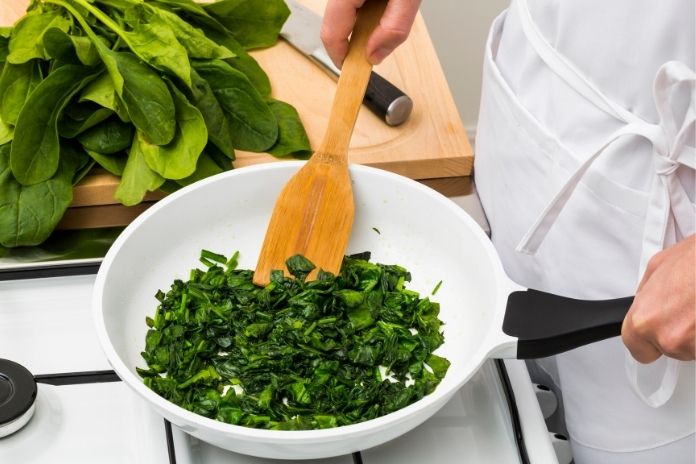
Cooking changes the picture. After heating, spinach shrinks significantly; a whole bag of spinach turns into a few spoonfuls. The actual iron amount never increases. But the portion becomes more realistic. Ans, rather than eating a huge salad bowl, you can finish a cooked amount without effort.
This is where confusion often starts: the iron content stays roughly the same, just the volume changes. Raw looks like “more food,” cooked looks like “less food,” but nutritionally, cooked spinach is often more practical because you can actually eat more of it.
Does Cooking Change Iron Content?
Let’s clear one assumed fact that heat does not destroy iron.
Iron is a mineral. It does not evaporate, break down, or disappear when heated. But cooking reduces water content and volume.
So, per serving, cooked spinach appears richer in iron because it becomes nutrient-dense.
Example:
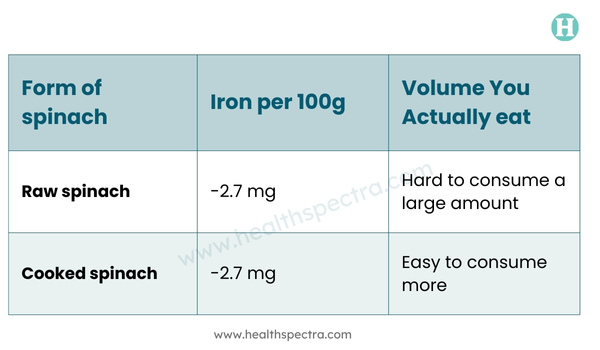 So the total iron stays the same, but the practical intake increases when cooked.
Impact of Cooking Methods
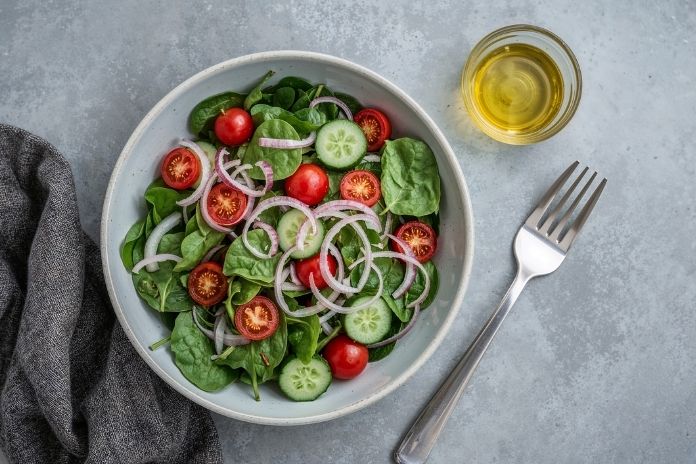
Not all cooking methods work the same: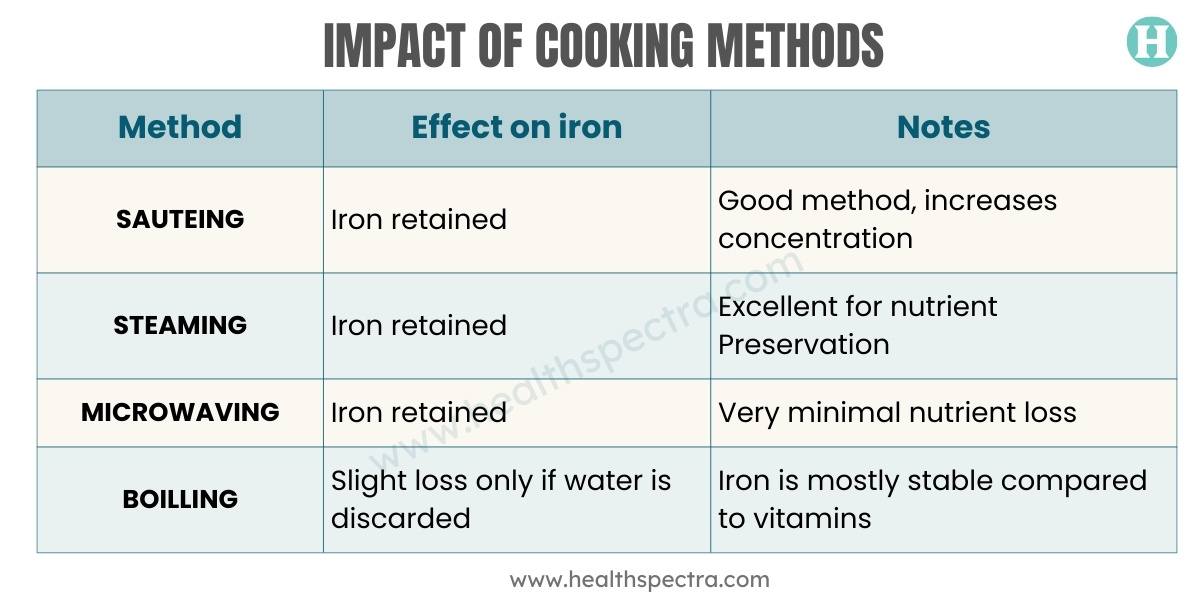 So the idea that “boiling destroys iron” is inaccurate. Iron may leach into water, but unless that water is discarded, iron stays in food. As Dr. Roberts pointed out, one way to salvage that is to use the cooking water as the base for a soup, so the minerals go back into what you’re eating rather than getting washed down the drain.
Cooking Spinach Improves Iron Absorption
Here is the part less known to people:
Spinach contains oxalates, compounds that bind to iron and prevent its absorption. This prevents absorption. And, oxalates in spinach are high, especially in raw spinach. But cooking (especially steaming or sautéing) significantly reduces these oxalates. This means That Cooked spinach may provide the body with more usable iron than raw spinach.
So, even though the numbers on documents may never change, spinach bioavailability improves. This makes cooked spinach a better practical choice for those trying to improve iron intake.
Read more: Iron-Rich Leafy Green Salad: Combat Anemia Deliciously
Raw vs Cooked: Nutrient Comparison
Spinach iron content: cooked vs raw
- Raw spinach: Present but poorly absorbed.
- Spinach nutrients when cooked: Same amount, but absorption increases because oxalates drop.
Vitamin C
Raw spinach contains more vitamin C than cooked spinach. And, vitamin C improves iron absorption, but spinach itself doesn’t provide enough vitamin C to make a major difference.
Other nutrients
- Vitamin A, Vitamin K, and folate: remain high in both forms.
- Fiber and antioxidants: stable, some become more usable after cooking.
- Chlorophyll and carotenoids: sometimes increase in availability after heating.
So, raw isn’t always “more nutritious.” Cooking often enhances nutrients.
Read More: 11 Benefits of Vitamin C Serum for Face You Should Know About
Best Cooking Methods for Maximum Iron Benefit
Simple principle:
Cook enough to reduce oxalates, but avoid aggressive boiling unless necessary.
Best: Steaming
- Reduces oxalates
- Retains nutrients
- Maintains texture
Very good: Sautéing
Add a squeeze of lemon after cooking, and iron absorption from leafy greens improves further.
Good: Microwaving
Fast, minimal nutrient loss, and reduces oxalates.
Not ideal: Long boiling
Still healthy if the water is consumed. Otherwise, nutrients drain.
Also, important to note that oxalates in spinach can cause issues for some people. Dr. Ivan Porter II, a nephrologist, explained it simply: some leafy greens are good for you overall, but their oxalates can still work against you if you’re stone-prone. His practical tip was to pair those foods with a source of dietary calcium. “So cheese on top of that spinach might be a good idea,” he said.
Read More: Foods That Lose the Most Nutrients When Cooked (and How to Preserve Them)
Pairings That Improve Iron Absorption
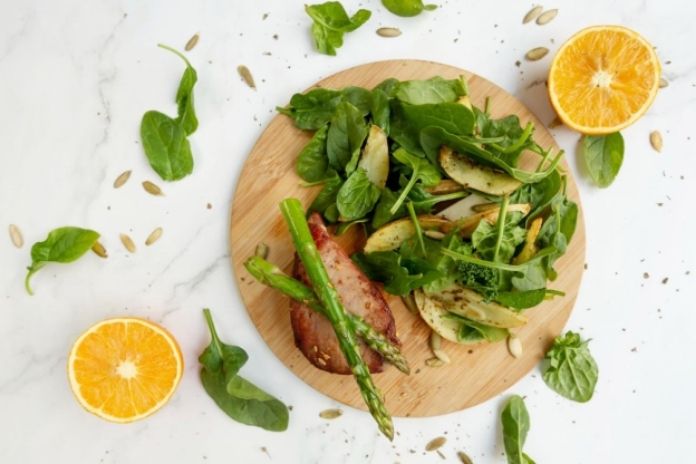
Spinach on its own is not enough. Iron from non-heme sources needs support from vitamin-C-rich foods.
Best absorption boosters:
- Lemon or lime juice
- Tomatoes
- Bell peppers
- Orange or kiwi
- Potato
Avoid these during the same meal:
- Tea or coffee (tannins block absorption)
- Calcium supplements immediately with a meal
- Dairy in large amounts with an iron-rich meal
Read More: Anemia in Pregnancy: 6 Prenatal Vitamins to Support Healthy Iron Levels
How Much Spinach Helps?
Recommended daily iron intake varies:
- Adult men: ~8–10 mg/day
- Women (menstruating): ~15 mg/day
- Pregnancy: ~27 mg/day
Realistically, relying only on spinach to meet these numbers is difficult, but cooked portions help.
A bowl of cooked spinach with a vitamin C source contributes meaningfully toward daily needs.
At this point, freshness also plays a role. Roberts pointed out that with any vegetable or fruit, “the fresher, the better.” If you’re choosing between a fresh bunch of spinach and a bunch stored in a plastic container that’s been kept there for longer, he said he’d pick the fresh bundle because it was probably harvested more recently.
And if you buy a fresh one, he recommends using it sooner rather than storing it in the fridge for days, as nutrients slowly degrade over time.
Interestingly, he also noted that frozen spinach is better. Because it’s usually processed near the farm soon after harvesting, frozen spinach can sometimes end up with higher nutrient levels than older fresh leaves.
Final thoughts
Once you look closely, the question isn’t whether spinach loses iron when cooked; it doesn’t. The more relevant question is whether the body can actually use the iron present. Raw spinach has a reputation, but cooking makes the iron more available and the portion size more realistic.
So, the plate may look smaller after cooking, yet nutritionally it often makes more sense. Spinach doesn’t become better or worse in one form; it just behaves differently. And understanding that difference helps you use it in a way that actually supports what you’re trying to get from it.
Key Takeaways
- Cooking spinach doesn’t remove the iron. The mineral stays; it just becomes easier to eat because the leaves shrink and the portion becomes realistic.
- Heating also lowers oxalate levels, which means the iron isn’t as tightly bound. So the body has a better chance of using it than if it were eaten raw.
- Raw spinach is rich in vitamins like vitamin C, but the iron in it stays largely unavailable. Cooking helps bring more of that iron, making cooked spinach a more effective option overall.
- A small squeeze of lemon or adding tomatoes is enough to support absorption, nothing complicated, just a small adjustment to make the iron more usable.
References
- https://www.acog.org/womens-health/faqs/nutrition-during-pregnancy
- https://health.clevelandclinic.org/benefits-of-spinach
- https://www.ncbi.nlm.nih.gov/pmc/articles/PMC6049644/
- https://www.ncbi.nlm.nih.gov/books/NBK540969/
- https://www.nhs.uk/conditions/vitamins-and-minerals/iron/
- https://pmc.ncbi.nlm.nih.gov/articles/PMC10660054/
- https://www.mdpi.com/2304-8158/13/15/2405
- https://link.springer.com/article/10.1007/s11947-024-03726-0
In this Article