













You finish your meal, push the plate aside, and suddenly feel the urge to head straight to the bathroom. It is almost immediate, and while it may seem unusual, it is actually quite common. Many people feel the urge to have a bowel movement immediately after eating. In most cases, this is not a sign of anything wrong.
This rapid digestive reaction is associated with a phenomenon known as the gastrocolic reflex. It is a natural response that interconnects the stomach and colon. The moment your stomach expands to hold food, it sends a signal to your colon to make room by moving its contents ahead. It is just your body’s way of keeping digestion efficient and smooth.
However, there is a fine line between what is normal and concerning. Sometimes, an overactive digestive reflex or food sensitivities can make you feel the need to use the restroom after every meal.
In this article, we will break down why we poop after eating, how the gastrocolic reflex affects our poop patterns, and the reasons for stomach cramps after meals. We will also learn about the digestive system reflex and normal bowel movement patterns. Understanding this will help us make the right decision at the right time.
The Gastrocolic Reflex: The Science Behind the Urge
The gastrocolic reflex is your body’s built-in digestive rhythm that ensures the system keeps moving efficiently and smoothly. Food entering the stomach hits receptors that sense the stretching of the stomach wall. This sends a message via nerves and hormones that signals the colon to make room for more food.
The result is that the muscles in your large intestine begin to contract, moving stool toward the rectum. Hence, it commonly feels like you need to poop after eating, especially after breakfast. Your digestive system “wakes up” during the first meal following a night of fasting, which is the primary reason.
Dr. Joseph Salhab, a gastroenterologist providing services to Advent Health hospitals in Davenport and Lake Wales, Florida, shares his thoughts.
He says, “Whenever you eat, this reflex gets stimulated to try to make more room for food in your gastrointestinal tract, and that stimulates movement of your gastrointestinal tract, and that movement can manifest as a bowel movement. And we think a heightened gastrocolic reflex explains why certain people have to go to the bathroom right away, especially after they eat, in a syndrome we call IBS.”
We all might have experienced the gastrocolic reflex to some degree. For some, it’s barely noticeable. For others, especially those with more sensitive digestive systems, it can be stronger, immediate, and more intense. It usually happens within 15 to 30 minutes of eating. Though the timings and intensities may vary from person to person.
A strong gastrocolic reflex does not specifically indicate an issue. It may be a sign that your digestive system is working well. However, it is frequent or urgent, it could be your body’s way of signaling irritation, sensitivity, or imbalance in the gut.
Read More: Poop Anxiety: Why It Happens and How to Overcome It
Common Reasons You Feel the Need to Poop Right After Eating
1. Strong Gastrocolic Reflex (Normal Response)
Some people have a more active digestive reflex than others. When you eat, your stomach gives a strong signal to the colon to move its contents along faster. This is normal and usually does not require treatment.
You may notice this urge more after large or high-fat meals, which stretch the stomach more than light snacks. The gastrocolic reflex is your body’s way of making sure there’s enough room for new food to move through. Unless you experience pain or diarrhea, this pattern is nothing to worry about. It’s just your digestive system doing its job efficiently.
2. High-Fat or Spicy Foods
High-fat or spicy foods can stimulate the digestive tract to contract more rapidly. Fatty meals promote the release of bile from the gallbladder. Although it promotes fat digestion, it also has the side effect of speeding up movement in the intestines.
Spicy ingredients like chili peppers stimulate the gut receptors, which lead to contractions and a digestive urge post-meal.
People who eat fried foods, cream-based sauces, or heavily spiced dishes tend to find themselves heading for the bathroom more often after meals. It is usually harmless, but if it occurs frequently, it can be prevented by reducing fat and spice levels.
3. Intake of Coffee or Caffeine
We have the answer to the question: “Does coffee make you poop?” One of the most commonly known stimulants for post-meal pooping is coffee. Caffeine has been shown to stimulate the colon, increasing muscle contractions in the digestive tract. Other compounds, even in decaffeinated coffee, improve motility and promote bile secretion.
Hence, many people find that their morning coffee “gets things moving.” If you’re sensitive, combining coffee with food, especially a heavy breakfast, can intensify the urge to go. Cutting back on caffeine or spacing it out from meals may help regulate your body’s rhythm.
4. Irritable Bowel Syndrome (IBS)
For people with Irritable Bowel Syndrome (IBS), the gastrocolic reflex is extreme. Their intestines react to normal digestion signals, which can produce cramping, bloating, or an urgent need to poop right after eating.
IBS after a meal may be preceded by abdominal discomfort or a sudden, almost uncontrollable urge to go to the bathroom. Certain foods can provoke symptoms, such as high-fat dishes, dairy products, caffeine, and artificial sweeteners.
The typical approach to managing IBS includes dietary changes, stress management, and the inclusion of probiotics in the diet.
5. Food Intolerances or Sensitivities
If you are intolerant to lactose, gluten, or high-FODMAP foods, the urgency to poop might feel normal. These foods make you poop due to the increased bowel movements soon after eating. These foods are fermented or attract excess water inside the intestines, accelerating motility, and can lead to gas, bloating, or diarrhea.
People who are lactose intolerant may feel the urge to go to the bathroom just minutes after having milk or ice cream. Gluten sensitivity can also cause inflammation that speeds up movement in the gut.
Certain food elimination diets help identify triggers so that you can steer clear of, or reduce, foods that hyperactivate your gut.
6. Stress and Hormones
There is a deep connection between your brain and gut, and emotional stress can immediately affect digestion. Your body will produce cortisol and adrenaline, increasing gut activity when you’re anxious. This can make your intestines contract faster, which may cause urgency or stomach cramps after eating.
Pooping after a meal due to stress is quite common during pressure moments such as exams, deadlines, or emotional times. Deep breathing, yoga, and mindful eating relax the gut-brain axis and restore balance.
Read More: Do You Need to Poop After Coffee? Here’s What It Means
When It’s Normal vs. When to Be Concerned
When It’s Normal:
Feeling the urge to poop right after eating is usually normal if:
- It happens once or twice a day, without pain or discomfort.
- Your stool consistency is normal, soft, and well-formed.
- You do not feel bloated, nauseous, or have blood in your stool.
- Your pattern has been consistent over time.
The above situations mean it’s just your body efficiently responding to digestion. A responsive, healthy gastrocolic reflex means your digestive system is doing what it should: moving food and waste along smoothly.
When to Be Concerned:
It may be time to visit the doctor if:
- You have cramping, diarrhea, or bloating after almost every meal.
- The need to defecate is sudden, uncontrollable, or interferes with daily activities.
- You have blood, mucus, or undigested food in your stool.
- You have experienced weight loss without trying or feel tired after eating.
These symptoms could indicate problems such as IBS-D (diarrhea-predominant Irritable Bowel Syndrome (IBS), gastritis, food malabsorption, or inflammation in the gut. A symptom and food tracker or diary may reveal whether the pattern is linked with certain meals or stressors.
How to Manage or Reduce Post-Meal Pooping
Eat Slowly and Mindfully
When you gobble down your food, it leads to more air swallowing and rapid stretching of the stomach, which worsens the gastrocolic reflex. Try chewing your food well, taking smaller bites, and stopping between mouthfuls. This allows more gentle signaling through your stomach and will minimize sudden urges.
Avoid Overeating and High-Fat Meals
Often, large, heavy meals burden your digestive system, and you poop after eating.
- Try eating smaller, balanced portions that contain a mix of protein, fiber, and healthy fats. Instead of greasy or creamy dishes, try to consume baked, steamed, or grilled foods.
- Eating moderate amounts prevents your stomach from giving an urgent “clear out” signal to your colon.
Limit Gut Stimulants
You must cut down on caffeine, alcohol, and spicy foods to avoid overstimulating your gut. Other potential causes include carbonated drinks and artificial sweeteners. If symptoms do not go away, the next step is to systematically rule out possible triggers, one at a time.
Try Probiotic and Fiber Balance
The right balance of fiber and gut bacteria can go a long way.
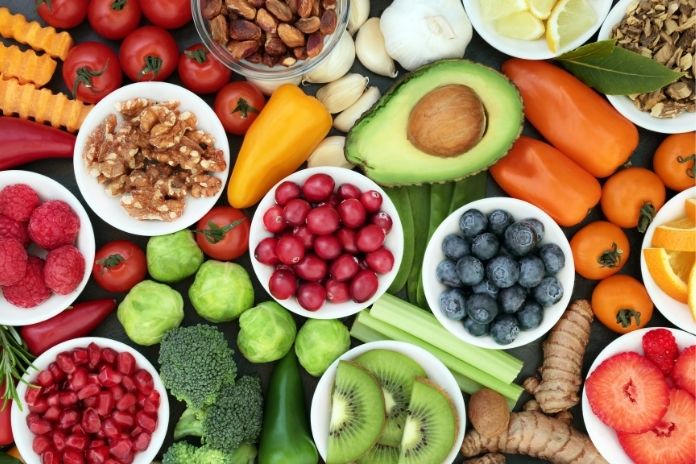
- Soluble fiber, from foods like oats, apples, and bananas, helps regulate bowel movements.
- Probiotic foods, like yogurt, kefir, and fermented vegetables, help keep the gut microbiome healthy and reduce sensitivity or urgency at mealtimes.
Managing Stress and Anxiety
Your digestive system reflects your mental state.
- Regular relaxation techniques such as meditation, deep breathing, and light yoga can relax the nervous system and calm an overactive gut response.
- Gentle walks after meals help promote digestion rather than sudden urgency.
Read More: 24 Foods to Make You Poop and Prevent Constipation
What Your Pooping Pattern Reveals About Your Digestive Health
Your post-meal bathroom habits can actually give you some insight into gut health. Of course, a normal bowel movement after eating simply reflects an appropriate digestive reflex. However, frequent pain, loose stools, or urgency might be a sign that either your gut is hypersensitive or the microbiome has become imbalanced.
The Bristol Stool Chart can be a useful reference:
- Types 3–4 (smooth, sausage-shaped) indicate that the digestion is healthy.
- Types 6–7 (mushy or watery) can indicate your colon is moving too quickly.
If your stools continue to be loose or are associated with discomfort, your digestive system may be reacting to certain foods, stress, or hormonal changes. Discuss your patterns with a gastroenterologist. Your healthcare provider can help you determine the cause and direct treatment, if necessary.
Conclusion
Feeling the urge to poop after a meal is usually a good sign that your gastrocolic reflex is working efficiently. It’s your body’s natural rhythm, making room for new food and keeping digestion moving.
But if there is associated pain, cramping, or chronic diarrhea, it is worth investigating underlying causes, such as IBS, food sensitivities, or even stress. Simple changes like eating more slowly, avoiding heavy meals, reducing caffeine, and managing stress can make a noticeable difference.
Listen to your body and the cues. Sometimes pooping after a meal is normal, but if it’s constantly uncomfortable, it’s time to look into what your gut might be trying to tell you.
FAQs
Q.What exactly triggers the gastrocolic reflex?
A. The reflex is initiated by the stretching of your stomach after eating. As a result of nerves and hormones, your colon contracts, moving the stool forward.
Q. Is it normal to poop several times a day after meals?
A. Yes, provided your stool is well-formed and you have no complaints. Some people simply have faster digestion. If it’s frequent, loose, or urgent, that could be a more sensitive gut.
Q. Why does drinking coffee make me poop immediately?
A. It contains compounds, even in decaf, that stimulate the digestive tract and increase muscle contractions. The compounds in coffee also increase the production of bile. Bile stimulates bowel movements.
Q. Does it mean I have IBS when I poop right after eating?
A. Not necessarily, because many people experience this due to a strong but healthy gastrocolic reflex. However, if this is coupled with abdominal pain, bloating, or chronic urgency, you may want to consult a doctor.
References
- National Center for Biotechnology Information. (2020). Physiology, Gastrocolic Reflex. In StatPearls. StatPearls Publishing.
- GoodRx Health. (n.d.). Bristol Stool Chart: What your poop says about your health.
- HealthKart. (n.d.). Understanding the gastrocolic reflex and its treatment.
- Harvard Health Publishing. (n.d.). Is something in your diet causing diarrhea? Harvard Medical School.
- Monika Anna Nutrition. (n.d.). The gastrocolic reflex.
In this Article