










The Facts vs. Fears About HIV Survival
Let’s face it – HIV still carries a strange kind of fear. People ask: “Can I get HIV from touching blood?” or “What if there’s a drop on a seat, a towel, a doorknob?”
It’s understandable. The virus has been misunderstood for decades.
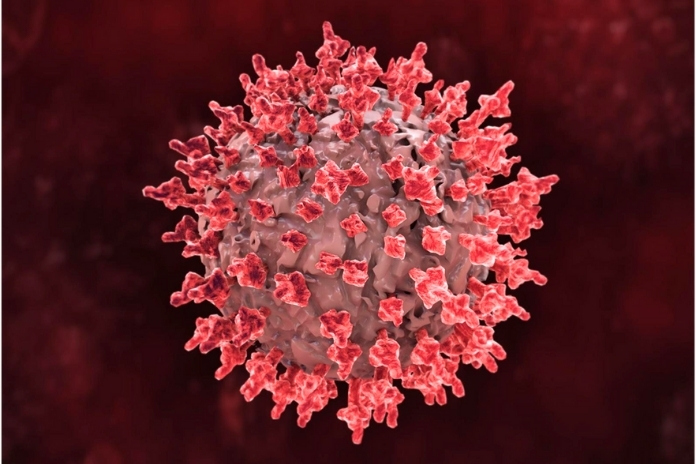
But here’s the truth: HIV – the virus that causes AIDS – Human Immunodeficiency Virus (HIV) is one of the most fragile viruses known to medicine. It is one of the weakest viruses outside the human body.
Once it leaves its warm, moist home (your bloodstream), it begins to die almost instantly.
The problem? Still, the confusion remains.
A lot of myths have grown around it – from “you can catch it from a toilet seat” to “dried blood can infect for days.” These ideas stick, and these fears don’t come from ignorance – they come from half-heard information. But science paints a completely different picture.
So let’s separate what sounds scary from what’s scientifically real.
Key Takeaways – What You’ll Learn Here
- How long does HIV survive outside the body – on surfaces, in fluids, or in air?
- Why “detectable virus” is not the same as “infectious virus.”
- What affects HIV’s lifespan (like temperature, moisture, and sunlight)?
- What real transmission looks like – and what’s literally impossible.
- What to do if you actually suspect exposure.
How Long Does HIV Live Outside the Body?
Let’s break down what happens in different situations.
1. On Surfaces
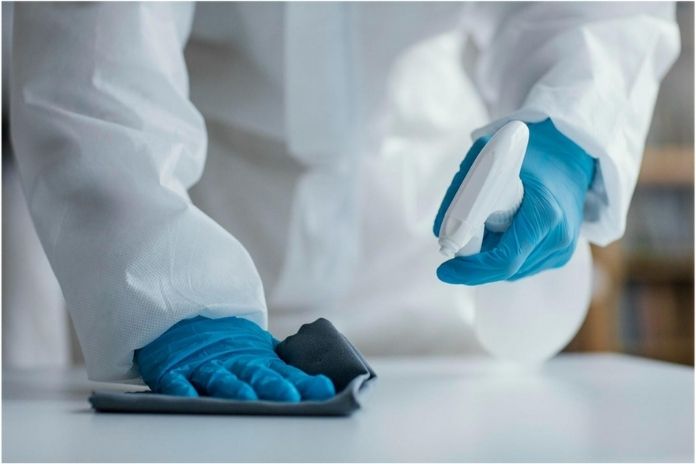
This is where most confusion begins. A drop of blood on a table, floor, or even your hand – can it infect you?
No. Not once has it been exposed to air.
HIV needs a very specific environment to survive: moisture, warmth, and a protected cell.
Once exposed to air, its fragile outer coating (called the envelope) breaks apart, and the virus can’t infect anymore.
The CDC reports that 90–99% of HIV in dried blood becomes inactive within minutes.
In real-world conditions – meaning outside a laboratory – no viable virus is found after a few hours.
So, the blood may look scary, but scientifically, it’s just dead virus. And, on tables, floors, doorknobs, or any smooth surface, this virus simply doesn’t last in a form that can infect anyone.
2. In Liquids (Wet Blood or Body Fluids)
Let’s assume the fluid hasn’t dried yet – maybe a fresh drop of blood or semen.
In such a closed, moist condition (like in a lab test tube), HIV can technically “survive” for several hours.
But here’s the key: detectable doesn’t mean infectious.
Even if scientists can pick up traces of HIV RNA for a few hours, that virus isn’t strong enough to cause infection in real life.
At room temperature (20–25°C), it loses power within minutes to hours.
At cold temperatures (4°C), it might linger longer, but it’s like a phone battery at 1% – it’s there, but it won’t work.
So even if you touch a dried droplet of old blood somewhere, it’s scientifically impossible to get infected that way.
3. Inside Syringes and Needles
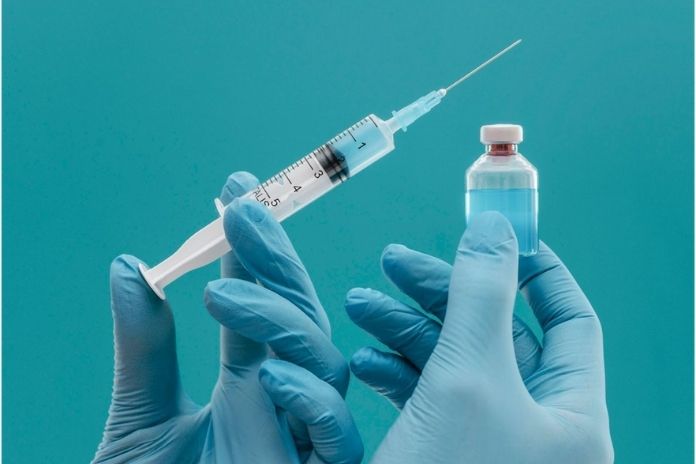
This is one of the few situations where HIV lasts longer.
Why? Because syringes create a sealed, moist, and dark space – exactly what the virus likes.
Studies show HIV can survive:
- Up to 42 days at 4°C (refrigerated)
- Around 1–7 days at room temperature
But infectivity drops rapidly after the first 24–48 hours.
This is why sharing needles remains a high-risk route – not because HIV lives forever, but because the exposure is direct, fresh, and blood-to-blood.
But this situation doesn’t apply to daily life – only to people reusing or sharing injection equipment.
4. In Water (Toilets, Pools, Showers)
You’ve probably heard someone say, “Can HIV spread through toilet water or swimming pools?”
Short answer: There is no chance.
The moment HIV comes in contact with water, it’s diluted and destroyed.
Soap, chlorine, and even a change in water pH destroy its outer layer instantly.
There’s never been a single documented case of HIV transmission through any kind of water – not even if it’s visibly dirty.
Even if blood or semen were present in water, the concentration becomes too low to cause infection. The virus simply cannot find a host cell to attach to.
So the fear of “catching HIV from a toilet or public bathroom” is scientifically impossible.
5. On Clothes or Fabric
Again, if some blood or fluid touches fabric, HIV dies within minutes as it dries.
Washing the clothes with soap and water eliminates every trace.
Remember: washing the cloth – even with normal detergent or soap – completely destroys any remaining viral traces. No need for panic cleaning, bleaching, or throwing away clothes.
Every day laundry is enough.
6. In Air or Aerosols
No, HIV doesn’t float around.
It’s not airborne. You can’t get it from sneezing, coughing, or breathing the same air.
It’s not produced like flu or COVID – it simply can’t survive in the air.
Even laboratory studies trying to aerosolize the virus found it died almost instantly when exposed to air and light.
Read More: New Experimental HIV – 1 Vaccine Induces Positive Immune Responses Against HIV Positive Virus
Factors That Affect HIV Survival
The survival of HIV outside the body is like a race against time – and the virus always loses. Still, let’s see what makes it die faster or slower:
- Temperature: Heat destroys it faster; cold slows it, but doesn’t keep it infectious.
- Moisture: Drying kills it. The more air exposure, the quicker it dies.
- Sunlight: UV rays shred the virus’s genetic material instantly.
- Surface Type: Smooth surfaces (like metal or glass) dry faster than porous ones (like cloth).
- pH Level: HIV cannot handle acidic or alkaline environments – only neutral, human-like conditions.
So, unless it’s present inside a human body or a syringe, HIV’s survival chances are almost zero.
Read More: A New Promising HIV Vaccine Strategy Has Been Developed, New Study Suggests
Real-World Transmission Risks – and What’s Impossible
How HIV Is Actually Transmitted
Only specific, direct exposures can transmit HIV:
- Unprotected vaginal or anal sex.
- Sharing needles or syringes.
- From an infected mother to her baby (during pregnancy, birth, or breastfeeding).
- Rarely, through unscreened blood transfusions.
That’s it. No secret routes. No toilet seats. No mosquitoes.
Other Scenarios That Do Not Spread HIV
Here’s where myths can finally rest:
You cannot get HIV from:
- Sharing bedding
- Hugging or casual contact
- Insect bites
Even healthcare workers handling blood samples under open-air conditions don’t get infected – because the virus can’t stay alive long enough.
Read More: HIV Drug As A Potent Treatment For Alzheimer’s, New Study Suggests
What to Do If You Think You’ve Been Exposed
Sometimes, worry strikes before logic. So here’s what to actually do:
- Step 1: Wash the area with soap and running water immediately.
- Step 2: If you had blood contact with an open wound or mucous membrane (eyes, mouth, genitals), talk to a doctor.
- Step 3: Ask about PEP (Post-Exposure Prophylaxis) – a short course of HIV-prevention medicine. It must start within 72 hours of exposure. PEP can reduce infection risk by over 80–90% when started early.
Most people who panic after surface contact don’t even need PEP – but consulting a doctor can give peace of mind.
Read More: Second Patient In HIV Remission, A New Article Suggests
Why HIV Dies So Quickly Outside the Body
Think of HIV as a very needy virus. It’s picky. It wants human cells, warmth, and moisture – like a plant that can’t live without sunlight.
The second, it comes in the open air:
- Oxygen tears apart its lipid envelope (outer shell), which it needs to attach to human cells.
- Sunlight and air break its genetic code (RNA).
- Dryness kills its moisture-dependent structure.
Without a living host, it can’t do the one thing it’s designed for – replicate.
So even if a test detects trace viral RNA outside, that’s like finding a burnt wire – it’s not powering anything anymore.
Read More: How HIV is Transmitted: Myths vs. Facts You Need to Know
Final Thoughts
Fear often lasts longer than the virus itself.
Science has proven, again and again, that HIV outside the body is fragile, short-lived, and non-infectious.
So, instead of worrying about surfaces or droplets, the real focus should be on safe sex, clean needles, and early testing.
Because HIV doesn’t spread easily – but it spreads faster when you are misinformed.
Read More: HIV vs. AIDS: Key Differences, Testing, and Prevention Explained
Quick Recap
- HIV, when outside the body, has a short life. It can survive up to a few minutes to a few hours at most.
- Detectable does not mean infectious. The virus may be visible in tests, but it can’t infect.
- Dry air, sunlight, and soap kill it fast.
- Real risk comes from direct blood or sexual fluid contact.
- There’s no risk from touching, sharing, or casual contact.
References
- Abdala, N., Reyes, R., Carney, J. M., & Heimer, R. (2000). Survival of HIV-1 in Syringes: Effects of Temperature during Storage. Substance Use & Misuse, 35(10), 1369–1383.
- CDC. (n.d.). Recommendations for Prevention of HIV Transmission in Health-Care Settings. Www.cdc.gov.
- CDC. (2024, November 25). How HIV Spreads. HIV; CDC.
- Cleveland Clinic. (n.d.). Post-Exposure Prophylaxis (PEP). Cleveland Clinic.
- Mayo Clinic. (2024, February 9). HIV/AIDS – Symptoms and causes. Mayo Clinic; Mayo Clinic.
- Nidirect . (2017, October 27). HIV and AIDS. Nidirect; nidirect.
- NIH. (2024, February 6). Post-Exposure Prophylaxis (PEP). Hivinfo.nih.gov.
- O’Shea, S., Rostron, T., Mullen, J. E., & Banatvala, J. E. (1994). Stability of infectious HIV in clinical samples and isolation from small volumes of whole blood. Journal of Clinical Pathology, 47(2), 152–154.
- Public Health Agency of Canada. (2016). Pathogen Safety Data Sheets: Infectious Substances – Human immunodeficiency virus (HIV) – Canada.ca. Canada.ca.
In this Article