













The antiretroviral therapy, or ART, has helped people with HIV live longer than ever before. Lifespans that once ended prematurely now approach normal expectancy. Despite its success, researchers are concerned about one thing.
The issue here is that many people with HIV are developing conditions linked to aging years earlier than expected. These disorders range from heart disease and frailty to memory decline and bone loss, due to HIV and the aging process. This is premature aging in people with HIV.
This phenomenon, sometimes referred to as “accelerated” or “premature aging,” raises an important question: Does HIV accelerate the biological aging of the body? Today, scientists are aware that HIV impacts much more than just suppressing the immunity of the patients. It influences inflammation, metabolism, and even cellular aging.
In this article, we’ll look at what “accelerated aging” means, the science behind it, and how chronic inflammation and aging impact health. We will also learn about the practical steps to take in dealing with premature aging in people with HIV, so they remain healthy for decades to come. Apart from this, let’s also explore more about HIV and lifespan studies.
Key Takeaways — What You’ll Learn
- What scientists mean by “accelerated aging” in people with HIV
- The biological and cellular changes that drive it.
- How it contributes to the earlier onset of heart, bone, and brain problems
- What new research says about slowing it down
- Practical steps to support healthy aging while living with HIV
Read More: How HIV is Transmitted: Myths vs. Facts You Need to Know
What Does “Accelerated Aging” Mean in HIV?
Accelerated aging in people living with HIV means that age-related health issues develop sooner in HIV infected individuals than in those uninfected. It does not necessarily mean that all people with HIV experience this. However, the trends indicate some age-related conditions, such as heart disease, osteoporosis, or cognitive decline, may appear 5 to 10 years earlier.
Scientists debate whether people living with HIV truly experience accelerated aging, a process in which the biological clock itself runs faster, or if they experience accentuated aging.
Accentuated aging is when age-related conditions show earlier than usual because of added stressors such as chronic inflammation and medication effects. Either way, people with HIV tend to show not only physical but also biological differences from the general population.
The Biological Clock Evidence
To understand the reason behind accelerated aging, researchers look at biological markers of aging rather than just the number of years lived.
- Telomere Shortening: Telomeres are the protective caps at the end of chromosomes, which shorten with each cell division. In HIV patients, however, this tends to occur more quickly, signalling more cellular wear and tear.
- Cellular Senescence:HIV infection increases the number of cells that stop dividing and release inflammatory molecules, contributing to tissue damage.
- Mitochondrial Dysfunction: The condition damages the mitochondria, which are the cell’s energy producers. This leads to oxidative stress, further driving the process of aging.
- Epigenetic Aging: Changes in DNA methylation patterns show that HIV positive people may be biologically several years “older” than their actual chronological age.
When we consider all the above factors together, the findings suggest that HIV may push the body’s molecular clock ahead, even when the virus is well controlled with ART.
Is It Truly “Accelerated” or “Accentuated” Aging?
Researchers use two terms to describe aging in HIV:
- Accelerated aging: The biological rate of aging increases, so DNA, cells, and tissues deteriorate faster.
- Accentuated aging: It is the same speed of aging, but the additional burden of inflammation, coinfections, and the medication effects causes conditions to manifest earlier.
Recent studies suggest a mix of both. At the molecular level, many people with HIV appear biologically several years older than their chronological age. On a clinical level, they may develop age-related diseases sooner due to combined viral, metabolic, and lifestyle stressors.
Whatever the terminology, the result remains the same: Living with HIV accelerates age-related conditions and necessitates early prevention and appropriate care.
Read More: A New Promising HIV Vaccine Strategy Has Been Developed, New Study Suggests
The Science of Accelerated Aging in HIV
1. Chronic Inflammation and Immune Activation
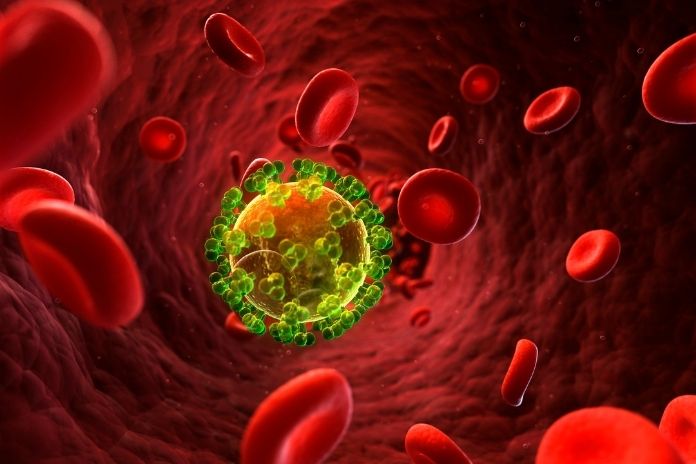
Even in people whose viral levels are consistently suppressed through ART, the immune systems often remain in a state of low-grade activation.
This chronic state of inflammation, sometimes called “inflammaging,” causes tissue damage and speeds the process of aging in all parts of the body.
- Even after the infection has been controlled, immune cells continue to release inflammatory chemicals.
- The inflammation damages blood vessels, brain tissue, and bones.
- In the long run, it harms and reduces the immune system’s responsiveness against new aggressions.
The body is ‘stuck’ in a defensive mode, using up much vital energy and depleting the organs faster.
2. Gut Microbiome and Barrier Dysfunction
The gut and gut microbiota play a surprisingly significant role in how HIV accelerates aging. The virus, early in infection, damages the intestinal lining, allowing bacteria and toxins to “leak” into the bloodstream. This puts the immune system on constant alert, fueling inflammation even when the virus is suppressed.
A disrupted gut microbiome results in disturbances in metabolism, nutrient absorption, and brain-gut communication factors that contribute to premature aging. Restoring your gut health is important to prevent aging.
3. ART and Mitochondrial Effects
ART turned HIV into a chronic yet manageable illness, but some of the early drugs came with cellular costs. Older medications were linked to mitochondrial damage and metabolic problems. Although modern therapies are safer, long-term use can still contribute to changes in lipid metabolism, insulin resistance, and body composition.
This does not mean that ART causes aging, but rather both the virus and lifelong treatment may together add stress on the body’s energy systems.
4. Lifestyle, Coinfections, and Chronic Stress
Accelerated aging is affected by certain lifestyle factors. These factors include:
- Lifestyle:Certain lifestyle choices, such as poor nutrition, smoking, and a sedentary lifestyle, increase the process of inflammation and oxidative stress.
- Coinfections:Other infections, such as Hepatitis B or C, cytomegalovirus, and other latent infections, further activate the immune system.
- Stress: The experience of chronic illness, stigma, and social isolation can worsen physiological stress responses and result in accelerated aging.
- Socioeconomic Factors: Basic amenities such as access to health care and nutrition, and stability in life, impact the speed of aging significantly.
Read More: Second Patient In HIV Remission, A New Article Suggests
Health Effects of Accelerated Aging in HIV

As the biological systems regulating inflammation, immunity, and energy production show accelerated aging, the effects become visible across multiple organs.
1. Cardiovascular Disease
- People with HIV are more likely to have heart attacks, strokes, and arterial stiffness than HIV-negative individuals.
- Certain ART drugs can change cholesterol or triglyceride levels, leading to cardiovascular risk.
- Inflammation from long-term exposure and immune activation causes damage to blood vessel walls, making them easily susceptible to plaque buildup.
“I would say the most prominent or specific reason [for accelerated aging] is a chronic inflammation that can occur,” says Monica Gandhi, MD, MPH, an infectious disease and HIV specialist at the University of California, San Francisco.
2. Bone Density Loss
- Conditions such as osteopenia and osteoporosis occur much earlier than expected in patients with HIV.
- Inflammation, hormonal changes, and HIV medications can impact bone formation.
- Vitamin D deficiency is caused by a combination of the HIV virus itself, chronic inflammation, and antiretroviral therapy (ART), and reduced physical activity may further worsen this problem.
To protect the bones, you must include adequate calcium and vitamin D intake and avoid smoking or excessive alcohol consumption.
3. Cognitive Decline (HAND)
HIV-Associated Neurocognitive Disorders (HAND) describes a spectrum of cognitive problems, ranging from mild memory difficulties to more significant impairment. It can become apparent earlier among people living with HIV (PLWH).
- Long-term inflammation in the brain damages the neurons and microglial cells.
- Small vessel changes reduce oxygen delivery and might lead to the symptoms of “brain fog.”
- Mitochondrial stress interferes with normal brain energy metabolism.
Regular cognitive screening, mental stimulation, and cardiovascular health are all supportive of better brain aging.
4. Kidney, Liver, and Metabolic Disorders
As people with HIV age, age-related metabolic problems become more visible:
- Chronic kidney disease, fatty liver, and diabetes may occur more often and earlier.
- Chronic inflammation and side effects of long-term drug consumption are also contributing factors.
- The kidney and the liver show signs of accelerated wear similar to that seen in much older adults not infected with HIV.
Early monitoring of organ function and metabolic management can help in maintaining long-term vitality and overall health.
Can the Effects of Accelerated Aging Be Slowed Down?
While it is impossible to prevent completely, accelerated aging can be managed and usually slowed through proper medical care and a healthy lifestyle.
1. Early and Consistent ART
Starting ART soon after diagnosis protects and saves immune health and reduces long-term inflammation.
- Following the treatment plan protects the immune system and reduces further damage.
- Regular follow-up ensures that the ongoing therapy is effective and well-tolerated.
- The earlier treatment starts, the better the chances of aging at a healthier pace.
2. Anti-Inflammatory and Adjunct Therapies
Research is underway for treatments that decrease inflammation and immune activation. These studies are conducted to explore therapies for HIV-positive patients beyond standard antiretroviral therapy (ART). These adjunctive therapies aim to address the chronic immune activation, which is linked to non-AIDS comorbidities such as heart disease, cancer, and neurocognitive disorders.
- Statins not only reduce cholesterol levels but also prevent systemic inflammation.
- Omega-3 fatty acids and plant-based anti-inflammatories can provide support for vascular and immune health.
- Supporting your gut health by consuming probiotics and fiber can strengthen the barrier function, reducing bacterial translocation.
- Investigational therapies targeting specific inflammatory pathways are helping mitigate the cellular damage driving accelerated aging.
3. Healthy Lifestyle Interventions
Lifestyle changes can significantly improve the biological response to stress.
- Exercise:Strength and aerobic training promote muscle mass, bone health, heart function, and immunity.
- Diet:A Mediterranean-style diet filled with fruits, vegetables, whole grains, olive oil, and fish can promote metabolic and gut health.
- Stop Smoking:Smoking adds to inflammation and oxidative stress, worsening nearly all pathways of aging.
- Stress Management: Chronic stress accelerates biological aging. Mindfulness, therapy, and social connection can reverse the process.
- Sleep and Recovery: Restful sleep supports hormonal balance, immune repair, and brain detoxification.
4. Regular Screening and Preventive Care
Proactive health care can detect early changes before they become severe.
- Cardiovascular: Annual lipid panels, blood pressure checks, and heart-risk assessments.
- Bone Health: Earlier-age bone density scans for those at risk.
- Cognitive Health: The tests includeperiodic memory and focus screening.
- Organ Function: Routine liver, kidney, and metabolic testing can help us determine organ health.
- Vaccination and Oncological Screenings:The vaccines and screenings form a basis for long-term immunity and early detection.
Taking charge of preventive care can dramatically reduce the long-term impact of accelerated aging.
Quick Recap
Living with HIV today is no longer about survival; it’s about thriving. Accelerated aging does not mean inevitable decline, but being proactive.
HIV may accelerate certain aspects of the aging process by promoting chronic inflammation and immune stress. Conditions such as telomere shortening, mitochondrial damage, and epigenetic changes all make the body biologically “older” than its chronological years.
These changes are significantly slowed down by early and consistent ART, together with lifestyle changes. You must remember that proactive screening and comprehensive care support a better quality of life, not just a longer one. The next era of HIV care isn’t just about viral suppression; it’s about helping every individual age with strength, energy, and dignity.
Frequently Asked Questions
Q. What does “accelerated aging” mean for a person living with HIV?
- It means that some age-related conditions may appear earlier than usual due to chronic inflammation and immune stress, even when the virus is well-controlled.
Q. How much earlier do age-related diseases appear due to premature aging in HIV patients?
- Studies suggest HIV positive people’s aging starts, on average, 5–10 years earlier than in HIV-negative people, though this varies widely.
Q. Can ART slow accelerated aging?
- Yes. Consistent ART reduces inflammation, maintains healthier immune function, and remains the single most important factor in healthy aging with HIV.
Q. Which lifestyle modifications are most helpful for HIV patients experiencing accelerated aging?
- Exercise, a balanced diet, quitting smoking, good sleep, stress management, and social connection all reduce inflammation and build strength, and help in preventing accelerated/premature aging in HIV patients.
Q. Can accelerated aging be reversed?
- Complete reversal is unlikely, but several markers of biological aging can stabilize and sometimes improve with early treatment and healthy living.
References
- Lundgren, J. D., Babiker, A. G., Sharma, S., Grund, B., Phillips, A. N., Matthews, G., Kan, V. L., Aagaard, B., Abo, I., Alston, S., et al. (2023). Long-term benefits from early antiretroviral therapy initiation: The START trial follow-up. The New England Journal of Medicine, 388(9), 844–855.
- Breen, E. C., Sehl, M. E., Shih, R., Langfelder, P., Wang, R., Horvath, S., Bream, J. H., Duggal, P., Martinson, J., Wolinsky, S. M., Martínez-Maza, O., Ramirez, C. M., & Jamieson, B. D. (2022). Accelerated aging with HIV occurs at the time of initial HIV infection. iScience, 25(7), 104488.
- Rodés, B., Cadiñanos, J., Esteban-Cantos, A., Rodríguez-Centeno, J., & Arribas, J. R. (2022). Ageing with HIV: Challenges and biomarkers. EBioMedicine, 77, 103896.
- Schinas, G., Schinas, I., Ntampanlis, G., Polyzou, E., Gogos, C., & Akinosoglou, K. (2024). Bone disease in HIV: Need for early diagnosis and prevention. Life, 14(4), 522.
- Freitas, M., Pereira, R., Santos, A., Nogueira, E., Pinho, J., & Antunes, M. J. (2023). Assessment of cardiovascular risk and arterial stiffness in patients with human immunodeficiency virus. Cureus, 15(7), e41784.
- Asejeje, F. O., Adedeji, A. O., Akinbo, D. B., Oladepo, D. K., & Adegoke, O. A. (2023). Deciphering the mechanisms, biochemistry, physiology and pathophysiology of cellular senescence within the context of HIV-induced aging. IBRO Neuroscience Reports, 14, 100187.
- Deeks, S. G., Verdin, E., & McCune, J. M. (2012). Immunosenescence and HIV. Current Opinion in HIV and AIDS, 7(4), 354–360.
In this Article