













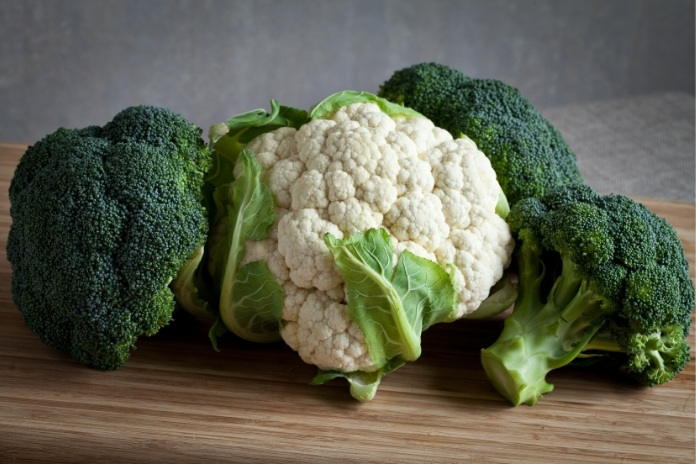
When you walk down the vegetable aisle and spot the bright green florets of broccoli beside the snowy white clusters of cauliflower, it’s easy to assume they’re nearly identical in nutrition and health benefits.
After all, both hail from the cruciferous (Brassicaceae) family and share many characteristics. And that’s true to an extent: they’re both low-calorie, nutrient-rich vegetables that deserve a place on your plate.
But if you dig a little deeper, meaningful differences emerge. Differences in vitamins, minerals, phytonutrients, and even cooking versatility mean one may slightly edge ahead in certain contexts, while the other might better fit a specific dietary goal.
In this article, we’ll explore those differences. We’ll compare broccoli vs. cauliflower in terms of nutrition, examine their health benefits via research, help you decide which might suit your goals best, and offer practical tips for cooking and including both in your diet.
| Did you know?
A cup of raw broccoli (about 91 g) provides approximately 2.5 g of fiber and 90% of the daily value (DV) for vitamin C. Meanwhile, a cup of raw cauliflower (about 107 g) offers around 2 g of fiber and ~57% DV of vitamin C. |
Nutrition Snapshot: Broccoli vs Cauliflower
When it comes to nutrition, broccoli and cauliflower look like close relatives for a reason: they are. Both pack impressive nutrients for very few calories, making them two of the healthiest vegetables you can put on your plate.
Still, once you dig into the details, some subtle but meaningful differences appear. Broccoli tends to pull ahead in a few vitamins and antioxidants, while cauliflower brings its own advantages in choline and low-carb flexibility.
Let’s look at how their macronutrients and micronutrients really compare.
Calories, Carbs, Fiber, Protein
Both vegetables deliver excellent nutrition for a few calories. For example:
- A 1-cup serving of raw broccoli (~91 g) contains about 31 calories.
- A 1-cup serving of raw cauliflower (~100 g) has approximately 27 calories.
- Fiber-wise, broccoli generally has a slight edge. Cooked broccoli has ~5 g fiber per cup, while cooked cauliflower has slightly under 3 g in one report.
- Broccoli and cauliflower share similar nutritional content in terms of carbs, fiber, and protein, but differ slightly in their micronutrient composition.
Key Micronutrient Differences
Here’s a breakdown of notable differences:
- Vitamin C & K: Broccoli is higher. It outranks cauliflower in vitamin C and vitamin K.
- B-vitamins: Cauliflower has some slight advantages in pantothenic acid (B5) and vitamin B6, according to one source.
- Choline: Cauliflower contains more choline than broccoli. Cleveland Clinic notes that 1 cup of cooked cauliflower provides about 72 mg of choline (≈13% DV) while the same amount of cooked broccoli provides about 30 mg (≈5% DV).
- Other minerals: Some comparisons find broccoli slightly higher in iron, calcium, and zinc than cauliflower.
“Both cauliflower and broccoli are low in calories and provide fiber. Broccoli contains vitamins A, C, and K, as well as folate, and green pigment compounds (chlorophyll and carotenoids). Cauliflower has vitamin C and folate, but is lower in vitamin K.
They actually make a pretty great combination, so consider eating them together for nutrient variety,” emphasizes Gillean Barkyoumb, MS, RDN, owner of the What’s for Dinner Club.
Phytonutrients & Bioactive Compounds
Both are cruciferous vegetables containing glucosinolates and sulfur-based compounds. These are studied for anti-inflammatory, detoxification, and anti-cancer potential. In particular, broccoli is a standout source of the compound Sulforaphane (via its precursor glucoraphanin), which has been linked in research to antioxidant and anti-cancer mechanisms.
Cauliflower also contains these compounds, though generally in lower concentrations compared to broccoli in many analyses.
Bottom line on nutrition: If you’re after the highest vitamin C, vitamin K, fiber, and phytonutrient punch per serving, broccoli wins a slight edge. But cauliflower isn’t far behind, and has its own unique strengths (especially choline, lower carbs) that may make it a smarter choice in certain diets.
Health Benefits: What Research Says
“Cruciferous vegetables like broccoli are especially powerful; they carry nutrients and compounds that support detoxification, reduce inflammation, and may lower cancer risk.
Compared to many of its cousins, broccoli offers a bit more of that phytonutrient ‘punch’. But cauliflower still holds solid value; it’s just a slightly different set of strengths,” says Dr. Saurabh Sethi, a Gastroenterologist.
Let’s break down what studies reveal about their impact on digestion, chronic disease prevention, and overall health.
Fiber & Digestive Health
Fiber is critical for gut health, satiety, and blood sugar regulation. Broccoli’s slight advantage in fiber (especially when cooked) means it may offer a marginal edge in these domains. A review on broccoli described its fiber content as important in supporting healthy digestion, gut microbiome, and weight control.
For cauliflower, while its fiber content is marginally lower, it still offers a meaningful contribution; 2-3 g per cup is far above the minimal requirement. And because many people under‐consume vegetables, the addition of either is beneficial.
In terms of practical impact: The extra fiber in broccoli may aid stool bulk, promote healthier gut bacteria, and help moderate blood sugar spikes, but the difference is small. Both support good digestive health when consumed regularly.
Antioxidants, Detox & Chronic Disease Protection
Both vegetables carry significant antioxidant and bioactive compound loads. The strength of cruciferous vegetables lies in their ability to deliver plant compounds (glucosinolates, isothiocyanates) that may influence detoxification enzymes, reduce oxidative stress, modulate inflammation, and support chronic disease prevention.
For broccoli:
- A large population study found that eating broccoli 1–2 times per week was associated with a 32-43% lower risk of all-cause mortality (in men) compared with never eating broccoli.
- Its rich content of sulforaphane,vitamin C, and vitamin K has been cited as mechanisms for its observed benefits in cardiovascular, anticancer, and anti-inflammatory domains.
- For example, according to MDPI, “numerous in vitro and in vivo studies have demonstrated that broccoli exhibits various biological activities, including antioxidant, anticancer, antimicrobial, anti-inflammatory, anti-obesity and antidiabetic effects.”
For cauliflower:
- The Harvard Health review describes cauliflower as “a good source of vitamin C, the B vitamin folate, and potassium” with very low calories (~25 cal per cup) and low carbohydrate, useful for dietary substitution.
- Research on cauliflower’s phytochemical content (e.g., leaves, stems) found all organs rich in health-promoting bioactive compounds.
What does this mean in practice?
- Including broccoli or cauliflower regularly is beneficial for long-term health (particularly when replacing less-healthy foods).
- A large U.S. cohort found that broccoli intake 1-2 times/week was associated with a 32-43% lower all-cause mortality risk, and showed a negative correlation with cardiovascular and cancer mortality.
- Cauliflower is also advantageous, especially for substitution purposes, but human intervention studies linking cauliflower to specific disease outcomes are fewer. WebMD notes that while cauliflower is used for conditions like obesity, cancer, and diabetes, there is no good scientific evidence supporting all those uses.
- Both should be viewed as part of an overall vegetable-rich diet, not miracle foods on their own.
Read More: Soothing Anti-Inflammatory Turmeric Cauliflower Soup Recipe
Which Fits Better for Your Goals?
Choosing between broccoli and cauliflower isn’t about which one is better overall; it’s about what fits your goals, tastes, and lifestyle. The smartest approach isn’t to crown a winner but to understand their unique advantages so you can use them strategically.
If your goal is maximum vitamins and fiber
Go for broccoli. It packs more vitamin C, vitamin K, and fiber per serving, plus potent antioxidant compounds like sulforaphane that support detoxification and protect against chronic diseases. If your focus is overall nutrient density and you want to get the most “nutrition per bite,” broccoli takes the lead.
If you’re following a low-carb or calorie-controlled diet
Cauliflower takes the win here. It’s slightly lower in carbohydrates and calories, making it a favorite among those following ketogenic, weight-loss, or diabetic-friendly plans. Its texture and mild flavor make it easy to use as a substitute for grains or starches, think cauliflower rice, mash, or cauliflower pizza crust, without feeling like you’re missing out.
For taste, cooking flexibility, and digestion
Cauliflower’s neutral taste gives it a clear edge in versatility. It blends effortlessly into almost any dish and tends to be gentler on digestion for people sensitive to stronger cruciferous flavors. Broccoli, on the other hand, shines when roasted, stir-fried, or added to soups, but it can be a bit more assertive in flavor and may need seasoning or complementary ingredients to balance it.
The smart strategy: include both
Instead of choosing sides, include both in rotation. Broccoli offers the antioxidant and fiber edge; cauliflower adds flexibility and lightness. Together, they create a nutrient-dense, balanced mix that supports diverse goals, from gut health to weight management, while keeping meals interesting.
Read More: 7 Low-Carb Dinner Recipes For A Healthy Heart
How to Cook & Use Them for Maximum Benefit
Using these vegetables intelligently helps you retain their nutrient value and enjoy them.
Nutrient Retention Tips
- For broccoli’s sulforaphane, research showsthat raw or lightly cooked broccoli retains far more sulforaphane than heavy boiling. One review found that raw broccoli had a 37% bioavailability of sulforaphane compared to just 3.4% when cooked intensely.
- Steaming, stir-frying, or blanching for short times preserves more nutrients than prolonged boiling. Over-cooking deactivates the myrosinase enzyme needed for sulforaphane formation.
- For cauliflower, a study on antioxidant activityfound that raw cauliflower had significantly higher DPPH radical-scavenging activity (68.9%) compared with steamed or boiled versions; nutrient loss occurred with higher processing and water contact.
Cooking Ideas
- Broccoli:
- Roast florets with olive oil, garlic, and lemon for a crisp-tender side.
- Stir-fry with sliced garlic, ginger, soy sauce, and chili for a quick veggie stir-fry.
- Add to soups or casseroles in the last 3-5 minutes of cooking so it stays vibrant and crisp.
- Cauliflower:
- Mash cooked cauliflower with a little butter/olive oil and garlic as a low-carb alternative to mashed potatoes.
- Make “cauliflower rice” by pulsing florets in a food processor and lightly sautéing.
- Use as a pizza crust base or roasted with seasoning as a snack.
- Combine florets with broccoli for added variety and color.
Storage and Selection Tips
- Choose broccoli with vibrant dark green florets, tight heads, and minimal yellowing or browning.
- For cauliflower, look for firm white (or purple/orange varieties) heads without brown spots or discoloration.
- Store both unwashed in a perforated plastic bag in the crisper drawer and aim to use them within a few days for the best texture and taste.
- If blanching, then freezing, do so shortly after purchase to retain nutrients and flavor.
Conclusion
Both broccoli and cauliflower are outstanding vegetables that support health in multiple ways. If you were forced to choose one, broccoli slightly edges ahead in nutrient density, higher vitamins, fiber, and powerful phytonutrients like sulforaphane. But cauliflower shines in other contexts, especially low-carb, low-calorie diets, or for culinary versatility and mild flavor.
Best of all? You don’t have to make a hard choice. Including both in varied forms across your meals gives you the combined power of their nutrient profiles, keeps your plate colorful and interesting, and supports long-term eating habits.
Aim for:
- At least one serving of each per week.
- Varied cooking methods to preserve nutrients and keep the taste fresh.
- Pairing with other vegetables, whole grains, or proteins to build balanced meals.
Ultimately, whether broccoli or cauliflower, the real winner is the one you’ll eat and enjoy consistently.
References
- https://www.health.com/broccoli-vs-cauliflower-11836055
- https://foodstruct.com/nutrition-comparison-text/broccoli-vs-cauliflower
- https://www.quora.com/Which-one-is-best-for-health-cauliflowers-or-broccoli-2
- https://plushcare.com/blog/broccoli-vs-cauliflower-differences
- https://www.signos.com/food-comparison/broccoli-vs-cauliflower
- https://timesofindia.indiatimes.com/life-style/food-news/broccoli-vs-cauliflower-which-is-better-and-has-more-nutrition/photostory/120998398.cms
- https://www.today.com/health/diet-fitness/broccoli-vs-cauliflower-rcna237546
- https://happytummy.aashirvaad.com/en/healthy-eating/broccoli-vs-cauliflower-whats-the-difference/
- https://www.avogel.co.uk/food/which-is-healthier-broccoli-or-cauliflower/
- https://www.mdpi.com/2079-6382/12/7/1157
- https://fitpass.co.in/blog/cauliflower-vs-broccoli
- https://greatist.com/health/broccoli-vs-cauliflower
- https://timesofindia.indiatimes.com/life-style/health-fitness/diet/broccoli-or-cauliflower-which-one-is-healthier/articleshow/116403881.cms
In this Article