













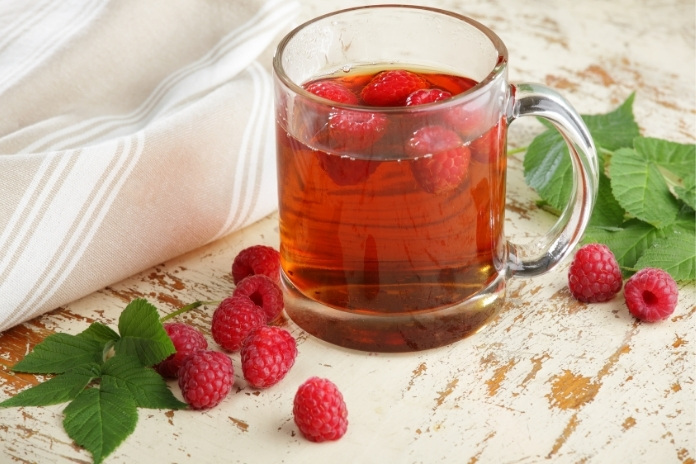
People have brewed red raspberry leaf tea for centuries, valuing it as a gentle tonic for women’s health. This herbal tea has long been part of traditional remedies for easing menstrual discomfort, supporting pregnancy, and toning the uterus before labor.
Scientists are now analysing its chemical makeup, rich in vitamins, minerals, tannins, and plant compounds like fragarine, to understand whether its historical reputation matches the biological reality. Early findings suggest possible benefits for uterine tone, iron absorption, and antioxidant protection, but research is still evolving, and not all claims are backed by solid evidence yet.
That’s where this article comes in. We’ll look at what modern studies reveal about raspberry leaf tea, its nutritional profile, potential benefits during pregnancy and labor, and the science (or lack thereof) behind its traditional uses. You’ll also find guidance on safe dosage, timing, and who should avoid it altogether.
What is Red Raspberry Leaf Tea, and Why is it Popular?
Red raspberry leaf tea is brewed from the dried leaves of the red raspberry plant (Rubus idaeus). Unlike teas made from the berry, the leaf is valued in herbal traditions for its supposed “toning” effect on the uterus, for easing menstrual cramps, and for general antioxidant benefits.
It’s often referred to as the “woman’s herb,” passed down through generations of midwives and herbalists who swore by its strengthening effects. In recent years, however, the interest in raspberry leaf tea has moved from folklore to laboratories.
Midwives and pregnant people have used it as a gentle, natural support in late pregnancy and labor preparation. Modern interest comes from both anecdote and small clinical studies that hint at benefits, but the scientific picture is far from complete.
Nutritional Profile & Key Compounds
Red raspberry leaves are richer in polyphenols and minerals than you might expect from a simple herbal infusion. Laboratory and chemical analyses consistently show:
- Polyphenols and flavonoids (including ellagitannins and phenolic acids) are antioxidant compounds thought to reduce oxidative stress in tissues.
- Minerals such as potassium and modest amounts of calcium and iron, though the tea is not a significant dietary source of these, unless consumed in large quantities.
- Other bioactives that may interact with smooth muscle (the uterine muscle is a type of smooth muscle) and with prostaglandin pathways in lab experiments. These mechanistic observations have fueled the belief that raspberry leaf could influence uterine contractility.
Brewing time and leaf quality influence how many polyphenols get into the cup. A recent study also showed that brewing time significantly changes polyphenol content and, therefore, potentially the physiological activity of the tea.
Potential Health Benefits: What the Evidence Suggests
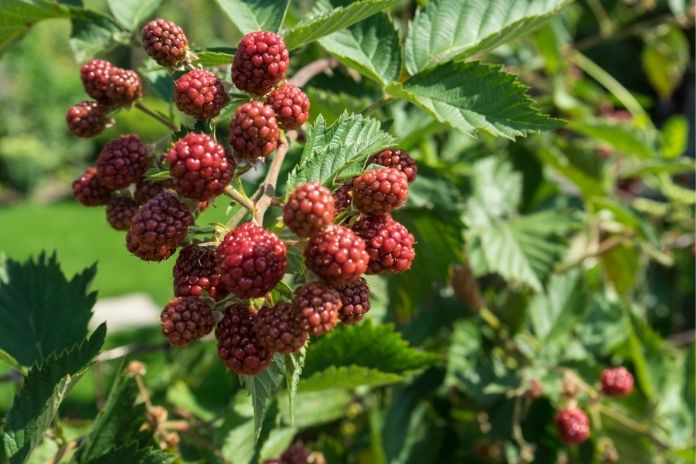
Red raspberry leaf is one of those herbs with a long folk reputation, used for easing pregnancy, soothing cramps, and supporting general wellness.
Modern science has started to catch up, examining whether those traditional claims hold up under scrutiny. The findings so far are mixed: some lab data look promising, but strong human trials are still thin. Let’s break down what the research actually says.
Antioxidant and Anti-Inflammatory Potential
Lab analyses consistently show that raspberry leaf extracts contain antioxidant and anti-inflammatory compounds such as flavonoids, tannins, and phenolic acids. These compounds can neutralize free radicals and modulate inflammation in cell cultures and animal models, mechanisms that make sense biologically.
However, here’s the thing: most of this evidence is preclinical, meaning it comes from in vitro studies or animal research. While these results support the idea that raspberry leaf might help protect tissues from oxidative stress or inflammation, we don’t yet have robust human trials proving that regular tea consumption leads to measurable improvements in real-world health outcomes.
Read More: How to Build an Anti-Inflammatory Morning Routine
Use in Pregnancy and Labor Support
This is by far the most discussed and researched area for raspberry leaf. Traditional midwives have long believed that the herb “tones” uterine muscles, possibly leading to shorter or smoother labor.
- The most cited clinical study, conducted by Simpson (2001), gave participants raspberry leaf tablets (2 × 1.2 g daily) from 32 weeks of pregnancy. The findings showed no increase in adverse outcomes for mother or baby and a modest reduction, about 10 minutes, in the second stage of labor. Still, the study’s small sample size and design limitations mean it’s not conclusive evidence.
- Subsequent reviews and observational studies echo the same message: Raspberry leaf appears safe for many pregnant women, but evidence of clear labor benefits is inconsistent. Some data show slight reductions in the second stage duration or lower intervention rates; others find no significant difference at all.
- It’s also important to clarify what raspberry leaf isn’t; it’s not a labor induction agent. Unlike oxytocin or prostaglandins, it doesn’t trigger contractions or cause labor to start. Instead, it may support uterine function subtly, if at all.
Clinician perspective: Pharmacists and obstetric professionals generally agree that raspberry leaf is considered low-risk when used late in pregnancy, but emphasize the need for individualized guidance.
According to Mickie Cathers, a medical and science writer for the American Pharmacists Association (APhA), “Many pregnant patients use raspberry leaf supplements to try to shorten the duration of labour and ease birth.
But despite a long history of raspberry leaf use in pregnancy, there is little evidence-based research on its mechanism of action, efficacy, or potential harmful effects.”
Menstrual Cramps, GI Complaints, and Other Uses
Outside of pregnancy, raspberry leaf is often used to manage menstrual cramps, mild gastrointestinal discomfort, and general wellness. Mechanistically, lab work supports mild antispasmodic and anti-inflammatory activity, effects that could theoretically ease cramping or digestive upset.
But when it comes to hard data, human studies are sparse. There are few, if any, well-controlled clinical trials examining raspberry leaf for PMS or dysmenorrhea. What exists is mostly anecdotal or traditional use, occasionally backed by plausible biochemical reasoning rather than verified outcomes.
Bottom line: Raspberry leaf may help alleviate mild cramps or digestive tension due to its natural muscle-relaxing and anti-inflammatory properties; however, scientific confirmation in humans remains limited. For now, its use in these areas is best viewed as traditional support, not established therapy.
Safety, Dosage & What to Watch Out For
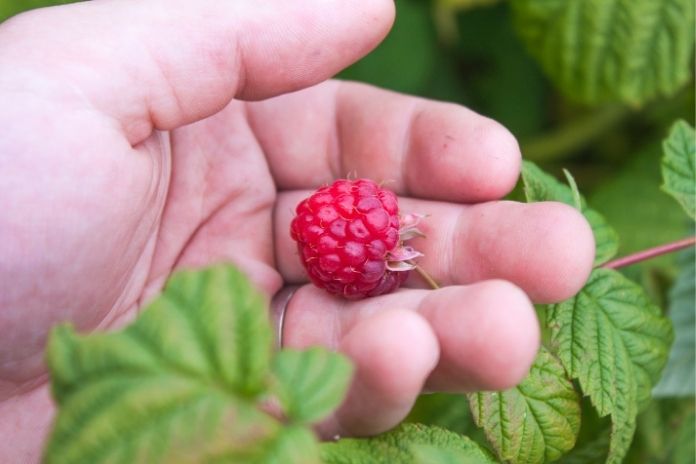
Overall, the best-quality human studies have not flagged major safety signals for maternal or fetal harm when raspberry leaf is started in the late third trimester or taken in common herbal doses.
However, that doesn’t mean it’s risk-free for everyone. Reviews and clinicians caution that evidence is limited and that use should be individualized, especially in early pregnancy or for people with risk factors.
Dosage: What have studies used?
There is no universally agreed dose. Research and clinical guidance commonly reference:
- Simpson trial (2001): Raspberry leaf tablets, 2 × 1.2 g per day (from 32 weeks).
- Common herbal practice: 1–3 cups per day in late pregnancy is typical in many midwifery circles and by herbalists; some recommend starting at 32–34 weeks.
Because preparation methods vary (tea bag vs loose leaf vs concentrated tablet), the actual amount of plant compounds differs across products. Brewing time also alters polyphenol content, as recent research shows. That variability makes precise dosing tricky without standardized extracts.
Who should be cautious or avoid it?
- Early pregnancy: Many clinicians recommend avoiding regular raspberry leaf in the first trimester because of theoretical concerns about stimulating uterine activity during organogenesis, though conclusive evidence for harm in early pregnancy is lacking.
- History of preterm labor or risk of premature birth: Because raspberry leaf may have mild uterotonic properties, those at risk for preterm labor should avoid it unless cleared by their obstetrician.
- Hormone-sensitive conditions: If you have hormone-sensitive cancers or conditions, discuss with your provider; there’s a theoretical concern about phytoactive compounds affecting hormonal pathways.
- Medication interactions: There’s limited data, but herbal bioactives can affect drug-metabolizing enzymes (CYP systems) or act as mild diuretics/laxatives; if you take prescription medications, check with your clinician or pharmacist.
“Some experts believe that drinking red raspberry leaf tea can cause uterine contractions prior to 37 weeks of gestation and should be avoided by women who are at risk for preterm labor,” explains Dr. Himali Maniar, MBBS, DGO.
“While it’s often promoted as a natural aid for pregnancy and labor, it’s important that expectant mothers consult their healthcare provider before using it, especially in early or high-risk pregnancies.”
Potential side effects
Raspberry leaf is generally well tolerated, but reported side effects include mild gastrointestinal upset, diarrhea, or increased urination (a mild diuretic effect). Very rarely, allergic reactions could occur. If you experience strong cramping, bleeding, or any concerning symptoms after drinking the tea, stop and consult your provider.
A conservative clinical approach: Many midwives and obstetricians take a cautious stance: if a pregnant patient wants to try raspberry leaf, start late (third trimester), use moderate amounts, and have an open discussion about goals and risks. That way, use is collaborative rather than unilateral.
How to Use Red Raspberry Leaf Tea: Practical Tips

Red raspberry leaf tea isn’t just another herbal drink; it’s one of those traditional remedies people reach for during pregnancy, menstruation, or simply as a wellness ritual.
The key to getting the most from it lies in how you choose, brew, and use it. While it’s easy to prepare, quality and consistency matter a lot more than people think.
Let’s walk through how to pick the right product, brew it effectively, and use it safely.
Choosing Quality
Not all raspberry leaf teas are created equal. The leaf’s potency depends on how it was grown, harvested, and stored. To ensure purity and safety:
- Buy from reputable sources. Stick with trusted brands or herbal suppliers that sell single-ingredient raspberry leaf products. Avoid blends or “women’s wellness” mixes unless they clearly state every ingredient.
- Check for transparency. Look for brands that share details about origin, farming method, and testing. Third-party certifications (like USP or NSF) or organic labeling can indicate better quality control.
- Trust your senses. The dried leaves should smell fresh and herbal, not musty, sour, or chemical-like. Discoloration or visible contaminants are red flags.
- Mind the research. A 2025 analytical review highlighted that brewing time and water temperature significantly affect how much of the leaf’s active compounds, like flavonoids and tannins, end up in your cup. So, choose suppliers that include clear brewing guidance on their packaging.
Brewing and Serving Suggestions
The method you use to brew raspberry leaf tea directly affects its strength and potential activity. Here’s a practical, evidence-aligned approach:
- For loose leaf or tea bags: Use about 1–2 teaspoons of dried leaf (or one tea bag) per 240 mL (8 oz) of near-boiling water.
- Steep for 5–10 minutes. A longer steeping time, up to 15 minutes, can extract more polyphenols and flavor, though it may make the taste slightly more bitter.
- For tablets or capsules: Follow the manufacturer’s instructions. Remember, the only controlled clinical data (like Simpson’s 2001 study) used standardized tablets, not tea, so potency may vary between products.
- Serving and timing: For pregnancy use, traditional midwifery practice often begins around 32–34 weeks, gradually increasing to 1–3 cups daily, provided your healthcare provider agrees. This schedule is based on tradition and limited data, not a universal medical recommendation.
If you’re not pregnant and simply using raspberry leaf for wellness or menstrual support, 1–2 cups daily is a reasonable, low-risk routine.
Blending and Rotation
Raspberry leaf is commonly included in herbal blends rather than consumed continuously on its own. Herbalists often rotate it with other gentle tonics, such as nettle, chamomile, or lemon balm, to balance nutrient profiles and flavors.
That said, herbal synergy should never mean guesswork, especially during pregnancy. Always disclose supplement use to your doctor, midwife, or pharmacist. Some herbs that seem harmless can still interact with medications or have unintended effects.
Pro tip: If you enjoy variety, try alternating raspberry leaf tea with caffeine-free herbal options to avoid overexposure and keep your palate interested.
Conclusion
Red raspberry leaf tea is one of those rare traditional remedies that’s managed to hold cultural value across generations. It’s rich in antioxidants, tannins, and other bioactive compounds that may help support overall wellness and, according to some theories, gently influence uterine tone.
That said, most of the scientific evidence supporting its effects on pregnancy or menstrual health remains limited and inconsistent.
Clinical data to date suggest that moderate use in late pregnancy appears safe for most people. A few studies even hint at modest benefits, such as a slightly shorter second stage of labor or fewer obstetric interventions.
Still, these findings are not robust enough to treat raspberry leaf as a proven or reliable method for inducing or significantly shortening labor. Its effects, if any, seem to be mild and vary from person to person.
If you choose to drink raspberry leaf tea, think of it as a complementary option, not a medical treatment. It can be part of a mindful wellness routine, especially if you enjoy herbal teas, but it should never replace professional care or evidence-based interventions when needed.
For those who are pregnant or planning a pregnancy, consultation is key. Talk with your obstetrician, midwife, or pharmacist before starting. They can evaluate your personal medical and pregnancy history, current medications, and potential risk factors to determine whether raspberry leaf is appropriate and when to begin (if at all).
In short, red raspberry leaf tea is a time-honored, generally low-risk herbal ally, but one that still needs more scientific clarity. Enjoy it thoughtfully, stay informed, and always pair tradition with good medical advice.
References
- https://www.webmd.com/diet/red-raspberry-leaf-tea-health-benefits
- https://www.medicalnewstoday.com/articles/red-raspberry-leaf-tea
- https://www.vinmec.com/eng/blog/red-raspberry-leaf-tea-pregnancy-benefits-and-side-effects-en
- https://cot.food.gov.uk/Introduction%20and%20Background%20-%20Raspberry%20leaf%20tea
- https://cot.food.gov.uk/Introduction%20and%20Background%20-%20Raspberry%20leaf%20tea
- https://www.mdpi.com/2072-6643/15/14/3206
- https://senchateabar.com/blogs/blog/raspberry-leaf-tea
- https://pmc.ncbi.nlm.nih.gov/articles/PMC9268408/
- https://www.bbcgoodfood.com/health/nutrition/top-9-health-benefits-of-raspberry-leaf-teaw.sciencedirect.com/science/article/abs/pii/S1744388109000589
- https://pmc.ncbi.nlm.nih.gov/articles/PMC9268408/
- https://consensus.app/home/blog/red-raspberry-leaf-tea-are-there-health-benefits/
- https://nelsonstea.com/blog/health-benefits-of-raspberry-leaf-tea/
- https://www.thebump.com/a/red-raspberry-leaf-tea
- https://fullleafteacompany.com/pages/your-complete-guide-to-raspberry-leaf-tea
- https://www.rupahealth.com/post/top-health-benefits-of-red-raspberry-leaf-tea
- https://draxe.com/nutrition/red-raspberry-leaf-tea/
In this Article