














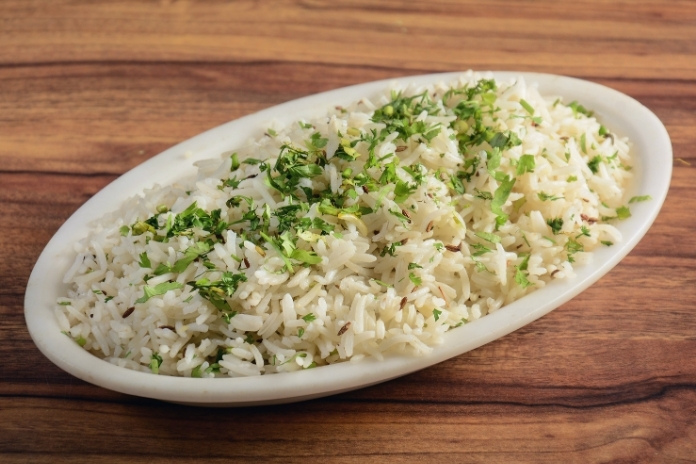
We’ve all done it: cook a big pot of rice, save the leftovers for the next day, and then wonder later: Is this still safe to eat?
Rice is a seemingly harmless food, but it’s actually one of the most common causes of foodborne illness if not stored correctly. The culprit is often a bacterium called Bacillus cereus, which can survive even after cooking and then multiply if rice is left at unsafe temperatures.
While cooked rice can last for some days in the fridge, it actually has a remarkably short window of safety. Knowing how long rice is good for in the fridge, how to store it properly, and how to reheat rice safely can help you avoid food poisoning and save you from having to toss an otherwise good meal.
This article will break down exactly how long cooked rice lasts, the science behind spoilage, and best practices for cooling, storing, freezing, and reheating the rice safely.
Read More: The Truth About Reheating Leftovers: Safety, Nutrition, and Taste
Quick Summary: What You’ll Learn
- How long does cooked rice last in the fridge, according to the USDA and food safety experts
- How to identify spoiled rice before it causes food poisoning
- Why rice can cause Bacillus cereus food poisoning when stored too long
- How to safely cool, store, and reheat rice
- How to freeze rice to extend shelf life: correct portioning
- How long does cooked rice last in the fridge
Cooked rice, when stored correctly in the refrigerator, will last for up to 4 days according to the U.S. Department of Agriculture’s and the Food Standards Agency’s guidelines.
The bottom line is temperature: cooked rice needs to be cooled quickly and refrigerated below 40°F, or 4°C, to minimize bacterial growth.
Here’s what you have to remember:
- Refrigerate promptly. Cool the rice, then refrigerate it within 1 hour after cooking. The longer it sits out, the greater the risk of bacterial growth-particularly if the kitchen is warm.
- The storage time limit must be right. Refrigerated rice should be used within 3 to 4 days. If the storage period goes beyond that, rice can host harmful bacteria even when it looks and smells fine.
- Toss if in doubt. If you cannot recall how long it’s been around, it is better tossed.
- Keep your fridge cold. Set the temperature to ≤40°F (4°C) and avoid storing rice in the fridge door, where temperatures fluctuate.
The USDA stresses that leftovers held beyond 4 days, even those that look perfectly normal, may contain harmful toxins.
Why Rice Spoils Quickly: The Science Behind It
1. The Bacillus Cereus Factor
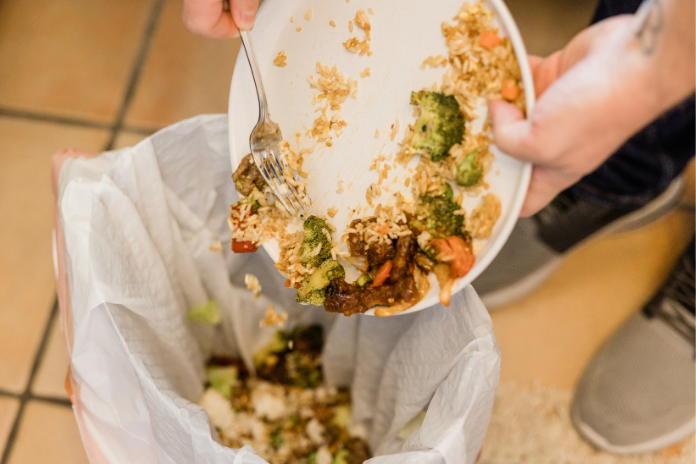
Rice naturally contains spores of Bacillus cereus, a soil-borne bacterium that survives cooking temperatures. When rice is left out for too long, especially between 40°F and 140°F, these spores germinate and produce toxins that cause nausea, vomiting, and diarrhea.
What makes this dangerous is that reheating rice doesn’t destroy these toxins once they’ve formed. That is why cooling rice promptly and keeping it chilled is so important. You can’t “cook away” the danger later.
In the same context, Emily Hovis, an assistant teaching professor at the University of Washington School of Public Health, as well as a former food safety specialist for the Washington State Department of Health, shares, “It survives the initial cooking process as a spore and if it’s left out a room temperature, it’ll produce toxins,” adding, “So even when you reheat it, you’re killing the vegetative cells, you’re not destroying the toxins.”
2. Temperature “Danger Zone” (40°F–140°F / 4°C–60°C)
Food safety experts sometimes refer to this as the “danger zone,” where bacteria multiply most rapidly. Cooked rice left at room temperature for more than two hours can become unsafe to eat quickly. The higher the room temperature, the shorter that window becomes. For instance, in hot climates, even one hour may be too long.
3. Moisture and Starch Breakdown
Rice is dense, moist, and rich in starch. These conditions will nurture bacteria if rice is left out. During the cooling process of rice, condensation can take place and further promote bacterial growth. That is why it is crucial to spread the rice out to cool rapidly before refrigeration.
Read More: 8 Best Meal Prep Containers for Balanced Nutrition
How to Store Cooked Rice Properly
Here are a few quick tips to store cooked rice properly:
1. Cool It Quickly
After cooking, spread rice on a baking sheet or put it in a shallow, wide container to cool evenly.
Avoid letting rice sit in the pot or in the rice cooker on the “warm” setting for an extended period, as this keeps the rice in the danger zone and encourages bacterial growth.
Experts recommend cooling rice to room temperature and then refrigerating it within one hour after cooking, but no later than two hours. This significantly reduces the risk of developing Bacillus cereus.
2. Store in Airtight Containers
Transfer cooled rice to airtight glass or plastic containers or resealable bags. Shallow containers are best because they help cool the rice faster and allow for even refrigeration.
Do not leave rice uncovered; exposure to air increases the risk of its contamination and dries it faster.
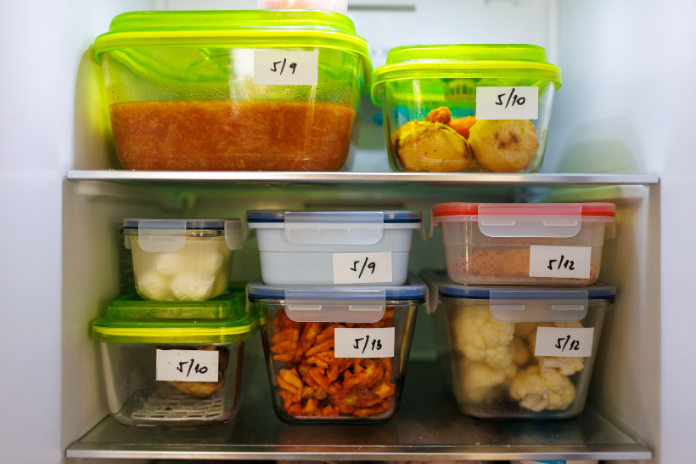
3. Label and Date Your Leftovers
It’s very easy to forget when something was cooked. Try to label your containers of rice with the date and time stored. This simple habit will help you keep track of freshness and avoid confusion as to how long rice has been in the fridge. I keep a water-based paint marker in the kitchen for just this purpose – it works on glass, plastic, and metal and easily washes off.
4. Optimal Refrigerator Conditions
Keep your refrigerator at or below 40°F (4°C). Keep the rice in the coldest part of your refrigerator, usually not in the door. If your refrigerator tends to fluctuate in temperature, a small refrigerator thermometer will provide accurate readings.
Following these habits will help keep rice in a safe condition for its whole 3–4 day shelf life.
How to Tell If Cooked Rice Has Gone Bad
Spoiled rice usually gives some warning signs, but not always. Here’s what to look for:
- Smell: Certain sour, musty, or “off” odors indicate bacterial activity. Fresh rice should have a neutral or slightly nutty smell.
- Texture: If the rice is slimy, gooey, or too sticky, it should not be consumed anymore. Rice that is hard and dry may just be stale, but it’s best to avoid it after four days.
- Color: Any greyish, greenish, or yellowish tint indicates spoilage.
- Mold: Visible white, blue, or black spots on cooked rice indicate that it should be disposed of immediately.
Even if there are no visible signs, rice more than four days old should be discarded. Bacteria and toxins can develop before you notice any visible or odor changes.
How to Reheat Cooked Rice Safely
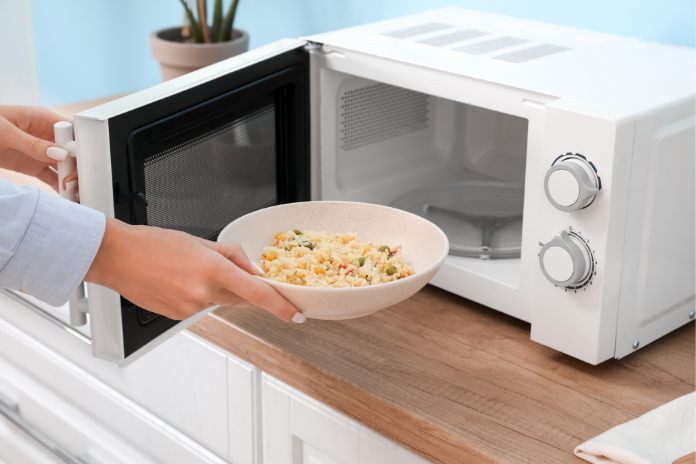
Microwave Method
- In a microwave-safe bowl, place rice and add 1–2 tablespoons of water per cup to rehydrate it.
- Cover with a lid or a damp paper towel loosely.
- Heat on high until the rice is steaming hot all the way through, reaching a temperature of ≥165°F / 74°C.
- Stir halfway through for even heating.
Stovetop or Wok Method
- In a pan or wok, add rice with a splash of water or broth.
- Stir gently over medium heat until all grains are hot and soft.
- Extra flavor can be added by mixing in a bit of oil or a small amount of soy sauce.
Do Not Reheat Several Times
Reheating rice more than once allows bacteria to grow between reheating and cooling cycles. To lower the risk, only reheat the portion you plan to eat, and refrigerate the rest immediately if still within the 3–4-day window.
Read More: The Benefits of Eating Fermented Rice (A Forgotten Superfood)
Can You Freeze Cooked Rice?
Yes, you may freeze cooked rice; it can last for 1–2 months and still retain flavor and texture. Freezing stops bacterial growth and keeps your rice meal-prep friendly.
How to Freeze Cooked Rice:
- Allow the rice to cool down completely.
- Divide it into portions for his serving, and freeze.
- Divide into airtight freezer-safe bags or containers. Remove as much air as possible before sealing.
- Label with date and freeze immediately.
How to reheat frozen rice:
- Reheat straight from frozen. You can add a tablespoon of water and microwave or steam until hot.
- Or thaw overnight in the refrigerator and heat thoroughly the next day.
Freezing doesn’t kill Bacillus cereus spores but stops their growth, so make sure you handle and store rice properly before freezing.
How Long Does Cooked Rice Last?

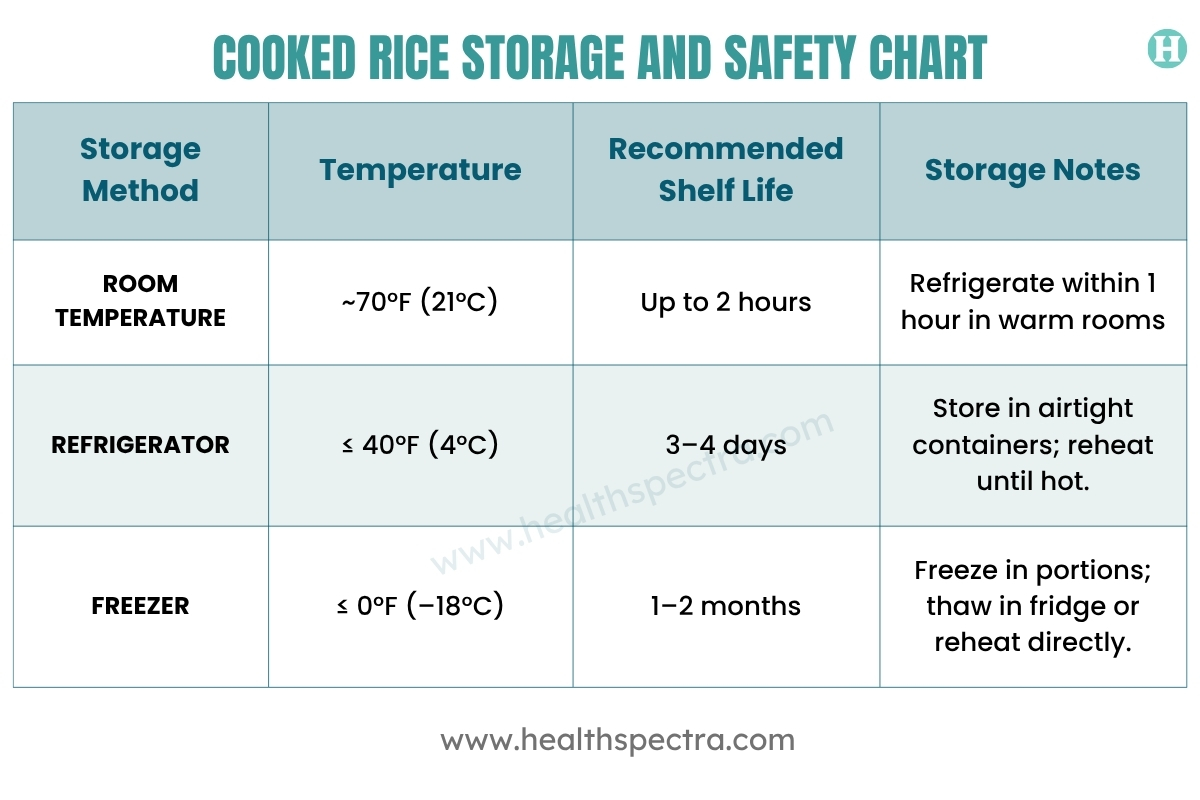
How long cooked rice lasts depends on where and how you store it. The longer it stays at room temperature, the higher the risk of Bacillus cereus contamination. By contrast, proper refrigeration or freezing can significantly extend its safety and freshness.
- The safe window for refrigerated rice is 3 to 4 days with a temperature of ≤ 40°F (4°C); after that, it should be discarded, even if it looks fine.
- Freezing, however, would be your best bet for longer storage, especially for meal prep.
- If storing at room temperature, rice stays good for 2 hours after cooking at a temperature of ~70°F (21°C).
- Always cool quickly, refrigerate rapidly, and reheat thoroughly to 165°F (74°C) to reduce the risk of foodborne illness.
The chart below serves as a good reference for your next cooking of extra rice to prevent wastage and maintain your health.
Conclusion
Cooked rice will keep for 3 to 4 days in the refrigerator if cooled and stored properly. The key to safety is timing. You must cool quickly, refrigerate fast, and reheat thoroughly. Remember these golden rules: Don’t leave rice out for more than 1–2 hours.
Store in airtight containers at ≤40°F (4°C). Reheat to at least 165°F (74°C) but only once. Freeze leftovers to extend the shelf life safely. When in doubt, toss it out, because Bacillus cereus food poisoning isn’t worth the risk.
Remember, with the right storage, rice can remain a safe and reliable staple for your next meal.
References
- Probeit. (n.d.). Essential tips for safely storing and reheating rice. Probeit.
- USA Rice Federation. (n.d.). How to store rice. Think Rice.
- U.S. Department of Agriculture, Food Safety and Inspection Service. (n.d.). Leftovers and food safety.
- U.S. Food and Drug Administration. (n.d.). Are you storing food safely?
- Tilda. (n.d.). Tips on how to store and reheat cooked rice. Tilda.
- U.S. Department of Agriculture, Food Safety and Inspection Service. (n.d.). Refrigeration.
In this Article