













As parents, we want our children to grow strong, think clearly, stay healthy, and be resilient. Because children’s bodies are growing rapidly, their nutrient needs are significant, and it’s easy to think a “vitamin for kids” might give extra insurance.
That said, many health experts caution that if a child is healthy and eating a varied, well-balanced diet, supplements may not be necessary, and in some cases may carry risks.
In this article, we’ll explore when supplements may be helpful (or necessary), the key vitamins and minerals that matter for children, how to choose a safe and effective kids’ vitamin, when supplementation may be unnecessary (or even risky), and practical tips for parents to ensure proper nutrition safely.
When Might Kids Need Vitamin Supplements?
While most healthy kids get their nutrients from food, there are specific situations when supplementation is often recommended or considered. Here are some of those scenarios:
- Breast-fed infants: For example, exclusively breast-fed babies often require a vitamin D supplement. According to the Mayo Clinic, “Breast-fed or partly breast‐fed babies need 400 international units (IU) of liquid vitamin D a day.”
- Children with restricted diets: Kids who are vegetarian or vegan, or who are extremely picky eaters and avoid many food groups, may miss certain nutrients (e.g., vitamin B12, iron, zinc) and could benefit from supplements.
- Children with medical conditions that affect absorption or increase nutrient needs: For instance, children with gastrointestinal conditions, chronic illnesses, or who have undergone surgery may have increased needs or reduced absorption.
The website of Intown Pediatrics notes that “common deficiencies in children include … vitamins A, D, B12 and minerals like iron, calcium and zinc” when nutrient intake or absorption is compromised.
- Where the diet is notably poor or inconsistent, or growth/health markers raise concern: In such cases, a healthcare provider or dietitian may recommend testing and/or supplementation rather than simply “giving a multivitamin just for fun.”
As the Mayo Clinic’s parenting article notes: “While there can be specific reasons for children to take a vitamin supplement … in most cases the answer is ‘probably not.’”
In short, supplements can be helpful in the right context, but they are not a blanket substitute for a healthy, varied diet or proper medical evaluation.
Read More: 6 Supplements You Shouldn’t Take Without Consulting a Doctor
Key Vitamins and Minerals That Matter Most in Childhood

Below are key nutrients that child-health teams often highlight, including why they matter and when supplementation may come into play.
Vitamin D and Calcium – Bone Health
Vitamin D: Essential for calcium absorption, bone mineralisation, and overall skeletal development. Severe deficiency in children can lead to rickets (softening and weakening of bones).
Calcium: Critical for bone growth and tooth development; many children do not meet recommended intakes, especially if dairy intake or fortified alternatives are low. As noted in a pediatric nutrition review, inadequate calcium in early years increases the risk of weaker bones later.
When might supplementation help?
- If a child gets very little sunlight (limiting skin synthesis of vitamin D), or has dark skin/obesity/low outdoor time.
- If the child consumes little to no dairy or calcium-fortified alternatives.
- If routine screening shows low vitamin D levels or there is a diagnosis of a bone-health risk. A paediatrician or a registered dietitian should guide the dose and formulation.
Iron and Vitamin B12 – Growth and Cognition
Iron: Young children (especially toddlers) and pre-teens may risk iron deficiency, which can impair growth, energy, and cognitive development.
Vitamin B12: Particularly important for children on vegetarian or vegan diets, since B12 is found primarily in animal-derived foods. Deficiency affects nerve and blood cell health.
When is supplementation helpful?
- If a child is diagnosed with iron deficiency or iron-deficiency anemia by a paediatrician.
- If the diet lacks meat/seafood and no fortified foods are included (for B12).
- If there are absorption issues (e.g., GI disease) that reduce nutrient uptake.
Read More: Pediatric Anemia Solutions: 5 Child-Friendly Supplements for Iron Deficiency
Vitamins A, C, E, and Zinc – Immune and Overall Health
- Vitamin A: Important for vision, immune function, and skin. But in developed countries, true deficiency is rare.
- Vitamin C: Supports immune health, tissue repair, and iron absorption (non-heme iron).
- Vitamin E (and other antioxidants): Help protect cells and support immune health. For example, recommended daily amounts exist for children.
- Zinc: A trace mineral vital for immune response, growth, and development. Many children may not meet optimal zinc intake, especially when dietary variety is low.
In many cases, if children eat a variety of fruits, vegetables, whole grains, lean proteins, and dairy/fortified alternatives, they may meet their micronutrient needs without a supplement. But in the presence of dietary restriction or absorption problems, targeted supplementation (or a well-balanced multivitamin) may be considered.
When Multivitamins Come In
A children’s multivitamin can serve as a “nutritional insurance policy” when dietary intake is inconsistent, but it should never replace food. The Cleveland Clinic advises: “A good multivitamin for kids should contain calcium, iron, and vitamins B12 and D … Avoid fillers.”
Important caveats:
- Choose an age-appropriate formulation (not simply giving adult doses).
- Avoid assuming “more is better”; excess intake of some vitamins (especially fat-soluble ones like A, D, and minerals like iron) can be harmful.
- Supplements should be part of an overall nutrition and health plan, not a substitute for sound food choices: again, “supplements are meant to complement a healthy diet, not replace it.”
How to Choose a Safe and Effective Kids’ Vitamin
When you and your child’s healthcare provider agree that a vitamin or multivitamin is advisable, here’s how to pick one that’s safe and effective.
Age-appropriate dosage
Ensure the product is clearly labelled for your child’s age or weight group. As the Mayo Clinic bulletin points out, most healthy children who eat a varied diet don’t need multivitamins, and if you give them, choose one that matches their age group.
Quality and certification
Look for vitamins that have third-party verification or certification (such as “USP Verified” in the U.S.), which ensures the product contains what the label says and is free of major contaminants.
Check the ingredients
- Ensure key nutrients your child needs (e.g., vitamin D, iron, B12) are included in amounts appropriate for children, not adult-level doses.
- Avoid excessive sugar, artificial flavours, colourants, or candy-like gummies that may make the product tempting as candy.
- Check allergen information if your child has food allergies/sensitivities.
Avoid exceeding upper limits
Even vitamins and minerals can be toxic in excess, especially fat-soluble vitamins (A, D, E, K) and minerals like iron. The product literature from Boston Children’s Hospital emphasises: “Iron and fat-soluble vitamins … can be toxic if consumed in large doses.”
Store safely
Many children’s vitamins are chewable or gummy, look and taste like candy, and may be accidentally overdosed by young children. Keep them out of reach, in a secure place; as one expert warns: “Any supplement that looks like candy is a risk for accidental ingestion by children.”
Consult your paediatrician or dietitian
Especially if your child has: a chronic health condition, is on medications (which may interact with supplements), has a restricted diet, or you plan to use high-dose or specialised supplements. The evidence is clear that when kids take supplements without professional guidance, the benefits are often minimal and the risks may increase.
When Vitamins May Not Be Necessary – And Risks of Over-Supplementation
The American Academy of Pediatrics’s position: “Healthy children receiving a normal, well-balanced diet do not need vitamin supplementation over and above the recommended dietary allowances (RDA).” Most healthy children don’t need multivitamins if they are growing at the typical rate and eating a variety of foods.
Risks of too much supplementation
- Toxicity of fat-soluble vitamins: For example, too much vitamin A can cause serious problems in children (liver damage, raised intracranial pressure) if megadoses are taken.
- Mineral overload: Excess iron or zinc may interfere with the absorption of other nutrients or cause toxicity.
- False security: A supplement may give the impression that diet doesn’t matter. Supplements cannot replicate the full benefits of food (fibre, phytonutrients, whole food matrix). Supplements are meant to complement a healthy diet, not replace it.
- Poor regulation: Dietary supplements are regulated differently (less strictly) than drugs in many countries. The Mayo Clinic Health System warns: “Supplements are loosely regulated.”
In short, if your child eats a pretty varied diet, has no absorption issues, grows well, and is healthy, then routinely giving a broad-spectrum multivitamin may offer little extra benefit and may carry avoidable risk. Supplementation should be targeted, not automatic.
Read More: When Supplements Backfire: Risks of Overdoing Vitamins and Superfoods
Practical Tips for Parents – Ensuring Good Nutrition for Kids
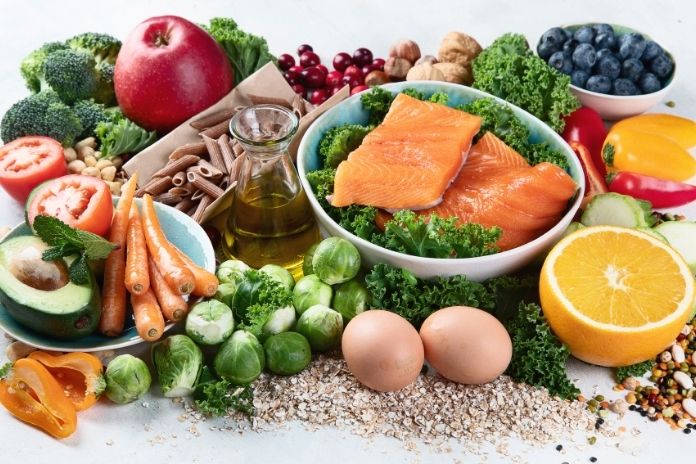
Here are actionable steps you can take:
- Focus on food first
- Aim for a diet rich in variety: fruits, vegetables, whole grains, lean protein (chicken, fish, eggs, legumes), healthy fats, and dairy or fortified alternatives.
- Include foods known for key nutrients:
- Vitamin D: fatty fish, fortified milk, egg yolks, but note that sunlight is also important.
- Calcium: milk, yogurt, cheese, dark leafy greens, fortified plant milks.
- Iron: red meat, poultry, fish, legumes, iron-fortified cereals. Pair non-heme iron sources with vitamin C (e.g., bell pepper, orange) to improve absorption.
- B12: meat, fish, dairy, or fortified plant foods (especially for vegans/vegetarians).
- Encourage regular meal and snack times; children’s appetites may vary day to day, but overall variety matters.
- Watch for signs of deficiency or risk
- Some signs are unusual fatigue, pale skin, frequent infections, slow growth, delayed development, dry skin, or brittle nails. While these signs aren’t specific to nutrient deficiency, they should prompt discussion with the paediatrician.
- If your child’s diet is very limited (e.g., only a few types of foods), consider evaluation by a dietitian or paediatrician rather than simply starting a multivitamin.
- Consult the healthcare provider before supplementing
- Especially if your child has a diagnosed nutritional deficiency, a chronic disease, is on medication, follows a vegetarian/vegan diet, has absorption problems, or you’re thinking of using high-dose vitamins.
- Ask: Are blood tests needed? What dose is appropriate? What formulation? How long to continue? The paediatrician could suggest retesting later to check whether supplementation is working.
“Even picky eaters get all of the nutrients they need from food,” explains Rachel Dawkins, M.D., director of the Pediatric and Adolescent Medicine Clinic at Johns Hopkins All Children’s Hospital. “So typically kids don’t need vitamins, but every kid is different and has different needs, so consult your pediatrician if you are worried.”
- If you use a children’s vitamin
- Choose one made for children, age-appropriate.
- Ensure it includes the nutrients most likely to be needed (vitamin D, iron, B12) and avoids unnecessary high doses of others.
- Avoid supplements that look like candy and keep them out of reach of younger children.
- Store in a secure place; supervise the child’s intake.
- Check the label: look for independent testing (e.g., “USP Verified”), avoid artificial sweeteners, high sugar gummies, and allergen exposure.
- Ensure that supplements don’t push intake above the upper safe limits for children; for example, the Mayo Clinic article points out that excessive vitamin C supplements in children may cause digestive issues or other problems.
- Reassess after ~3–6 months with the healthcare provider.
- Keep the diet and lifestyle holistic
- Encourage sun exposure (with safe practices) for vitamin D production.
- Promote regular physical activity, bones and muscles respond to load and movement.
- Ensure sufficient sleep, hydration, and reduced intake of ultra-processed foods. These factors influence nutrient status and overall health.
- Use supplementation as a support, not a substitute, for a good diet and lifestyle.
“Although nutritional and herbal supplements may be useful, they aren’t risk-free. By talking with your health-care provider about the supplements you take, and discussing their potential benefits and risks, you’ll gain a better understanding of the value those supplements have for your health overall.” – Rozalina McCoy, MD, Community Internal Medicine, Mayo Clinic.
Key Takeaway
Vitamins can play an important role in children’s growth, development, immune health, and overall well-being, but they are not a panacea, nor should they replace a balanced diet. For many children who eat a varied diet, have no medical concerns, and grow normally, routine daily multivitamins may provide little extra benefit, and in some cases, may pose avoidable risks.
That said, there are children who benefit: breast-fed infants (for vitamin D), kids with restricted diets (vegans/vegetarians), children with absorption or growth concerns, or those with diagnosed deficiencies. In those cases, and only under appropriate supervision, a well-chosen supplement can help fill gaps.
The success lies in proper evaluation, informed choice, correct dosage, and safe use. As one paediatric expert simply puts it: “Supplements are meant to complement a healthy diet, not replace it.”
Always discuss with your paediatrician or dietitian before starting any supplement, and monitor your child’s nutrition, growth, and health outcomes over time.
References
- https://www.hopkinsmedicine.org/health/wellness-and-prevention/do-kids-need-vitamin-supplements
- https://www.mayoclinic.org/healthy-lifestyle/nutrition-and-healthy-eating/expert-answers/multivitamins/faq-20058310
- https://www.nhs.uk/baby/weaning-and-feeding/vitamins-for-children/
- https://www.medanta.org/patient-education-blog/myth-buster-all-children-need-to-be-given-nutrition-supplements
- https://www.healthychildren.org/English/healthy-living/nutrition/Pages/Where-We-Stand-Vitamins.aspx
- https://pmc.ncbi.nlm.nih.gov/articles/PMC7288613/
- https://www.webmd.com/parenting/vitamins-for-kids-do-healthy-kids-need-vitamins
- https://www.franciscanhealth.org/community/blog/supplements-and-childrens-health
- https://www.vinmec.com/eng/blog/what-vitamins-do-children-1-3-years-old-need-en
- https://www.lebonheur.org/blogs/practical-parenting/do-kids-need-to-take-vitamins-and-supplements
- https://www.childrenshospital.org/sites/default/files/media_migration/c40f0ae6-55fc-4245-9225-bc746919bdb3.pdf
- https://www.vinmec.com/eng/blog/what-vitamins-do-children-1-3-years-old-need-en
- https://www.ndtv.com/health/do-kids-really-need-vitamin-supplements-9403293
- https://share.upmc.com/2023/03/does-my-child-need-to-take-vitamins/
- https://lpi.oregonstate.edu/mic/life-stages/children
- https://gleneagles.com.my/kuala-lumpur/articles/vitamins-supplements-for-kids-do-healthy-children-need-them
- https://lpi.oregonstate.edu/mic/life-stages/children
- https://www.healthxchange.sg/child-life-stages/child-feeding-tips/supplements-well-being-young-children
- https://www.chrichmond.org/services/gastroenterology-and-nutrition/feeding/kids-and-vitamins/
- https://vitabiotics.in/blogs/do-your-kids-need-a-multivitamin-lets-clear-the-confusion
In this Article