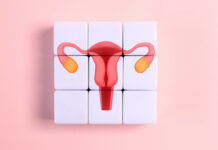













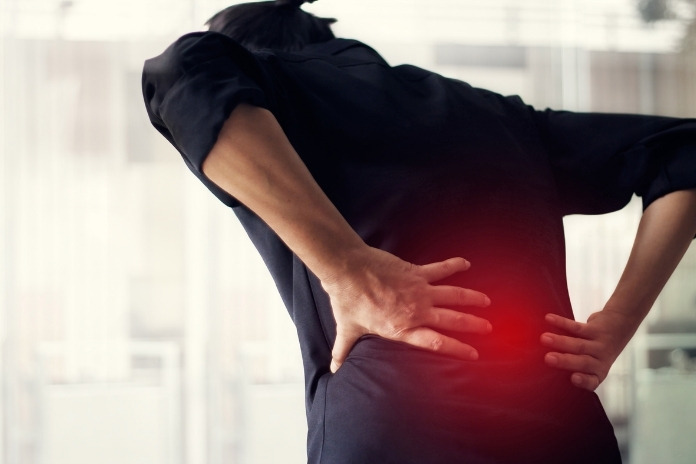
Period pain isn’t just a matter of abdominal cramps; for many, it radiates deep into the lower back, hips, or even thighs. That dull, dragging ache can flare with every cycle, sometimes strong enough to make sitting, walking, or sleeping nearly impossible.
While mild discomfort is common, intense or persistent lower back pain during menstruation can signal something more than ordinary cramps, such as hormonal imbalances or underlying gynecologic conditions like endometriosis or adenomyosis.
Here’s the thing: menstrual back pain isn’t “all in your head,” and you don’t have to just push through it. There are clear biological reasons why it happens, from prostaglandin-driven muscle contractions to referred pain from the uterus itself, and effective ways to manage it once you understand the cause.
In this guide, we’ll break down why period-related back pain occurs, what you can do right now to ease the ache, the longer-term steps that can help prevent it from returning, and the warning signs that deserve a doctor’s attention.
When Period Back Pain Goes Beyond “Just” Cramps
Mild back pain during your period is common; your uterus contracts, prostaglandins surge, and the discomfort radiates into your lower back. But when that pain starts to feel like more than a passing ache, sharp, deep, or recurring every cycle, it deserves attention. What might start as a dull tug in the lower spine can sometimes grow into pain that disrupts sleep, drains energy, and makes even basic movement difficult.
Here’s what’s happening: during menstruation, the uterus contracts to shed its lining. Those contractions, triggered by prostaglandins (hormone-like chemicals), can affect nearby nerves and muscles shared with the lower back. For some people, this connection explains the classic “ache” that accompanies menstrual cramps.
But not all menstrual back pain is created equal. Sometimes, it signals something more complex:
1. Prostaglandins and Uterine Contractions
Every month, the uterus prepares for a potential pregnancy by building up a lining (the endometrium). When pregnancy doesn’t occur, that lining needs to be shed, and that’s where prostaglandins come in. These hormone-like compounds trigger the uterine muscles to contract, helping push the lining out.
Here’s the problem: when prostaglandin levels are too high, the contractions become stronger, more frequent, and more painful. These intense contractions can reduce blood flow to the uterine tissue, heightening pain signals. The discomfort often radiates to the lower back, hips, and thighs because the same nerve pathways serve both the uterus and these areas.
For most people with primary dysmenorrhea (period pain not caused by another medical condition), prostaglandins are the main culprit. Research consistently identifies elevated prostaglandin levels as a key driver of menstrual pain, both in the abdomen and lower back.
What this means for you:
- Anti-inflammatory medications (like ibuprofen or naproxen) can reduce prostaglandin production and relieve pain.
- Applying heat to the lower abdomen or back can relax uterine muscles and ease referred pain.
- Staying active and hydrated may help stabilize hormone balance and muscle tone.
Clinical reviews and trials highlight prostaglandins as central to the mechanism of primary dysmenorrhea and associated back pain.
2. Muscular, Ligament, and Postural Changes
The menstrual cycle affects much more than the uterus; it influences your muscles, ligaments, and joints as well. Hormonal fluctuations, especially in estrogen and progesterone, can alter fluid balance, tissue elasticity, and pain perception.
As progesterone levels rise and fall, ligaments may loosen slightly, changing how your lower back and pelvis bear weight. Combined with water retention and bloating, this can create a sensation of stiffness or deep pressure in the lumbar area.
If your back muscles are already tight from stress, poor posture, or long periods of sitting, your period can “unmask” pre-existing tension. The lower back may feel sore or fatigued even before cramps begin, and contractions only worsen the discomfort.
What this means for you:
- Light stretching, yoga, or gentle movement can improve circulation and ease muscular tension.
- Maintaining good posture, especially during sedentary work, reduces strain on the lumbar spine.
- Heat therapy or warm baths can loosen tight muscles and soothe cramping simultaneously.
Mayo Clinic experts note that hormonal changes during menstruation can influence ligament laxity and muscular tension, contributing to lower back discomfort.
3. Secondary Causes: Endometriosis, Fibroids, Adenomyosis, and Spine Conditions
When menstrual back pain is severe, persistent, or different from your usual pattern, it may not be “just” normal period pain; it could indicate secondary dysmenorrhea, meaning pain caused by another underlying condition.
Common culprits include:
- Endometriosis: Tissue similar to the uterine lining grows outside the uterus, often on the ovaries, ligaments, or pelvic wall. This misplaced tissue responds to menstrual hormones, bleeding, and inflaming nearby nerves, a key reason for sharp or radiating back pain.
- Adenomyosis: The uterine lining grows into the uterine muscle wall, making the uterus larger and heavier. This can cause deep, aching pain that extends into the lower back and pelvis.
- Fibroids: Noncancerous growths in the uterus can create pressure on pelvic structures, contributing to chronic or cyclic back pain.
- Spinal or Nerve Causes: Sometimes, what seems like menstrual back pain overlaps with musculoskeletal or nerve-related issues. Conditions like herniated discs or sciatica may worsen during menstruation due to fluid shifts and inflammatory sensitivity.
Warning signs suggesting a secondary cause:
- Pain that lasts beyond your period.
- Heavy or irregular bleeding.
- Pain during sex, bowel movements, or urination.
- Bloating, fatigue, or infertility concerns.
- Leg pain, numbness, or weakness, suggesting nerve involvement.
What this means for you: If your back pain consistently interferes with daily life or matches these patterns, it’s worth discussing with a clinician. Diagnosis might involve a pelvic exam, ultrasound, or MRI to identify deeper causes. Treating the root condition, not just masking the pain, usually brings the most meaningful relief.
Clinical literature links secondary dysmenorrhea and structural pelvic conditions like endometriosis, fibroids, and adenomyosis to severe menstrual back pain.
In short, Lower back pain during your period happens for different reasons, sometimes from normal uterine activity, sometimes from muscle tension, and sometimes from deeper gynecologic or spinal issues. Understanding which pattern fits you best is the key to lasting relief and to knowing when it’s time to get professional care.
Read More: Can Heavy Periods Be a Sign of Something Serious?
Immediate Relief Techniques You Can Use at Home
When menstrual back pain strikes, the goal is simple: calm the muscles, lower inflammation, and relax your nervous system. You don’t need complicated treatments to feel better, just a few practical, evidence-backed steps that work with your body’s natural processes. Below are the most effective ways to get fast relief, according to clinical research and expert consensus.
1. Apply Heat and Prioritize Relaxation
Heat is one of the oldest and most reliable remedies for menstrual pain, and for good reason. Applying warmth to the abdomen or lower back relaxes muscles, improves blood flow, and eases cramping.
Clinical evidence backs this up: a systematic review of randomized trials found that continuous low-level heat therapy significantly reduced menstrual pain compared to placebo, and in some studies, was as effective as oral painkillers.
How to use it:
- Try a heating pad, hot water bottle, or adhesive heat patch.
- Apply for 15–20 minutes at a comfortable temperature (avoid direct skin contact that could cause burns).
- Pair with rest, deep breathing, or gentle stretching for added benefit.
2. Use Over-the-Counter Pain Relief (NSAIDs Are First Line)
When prostaglandins are the main culprit, non-steroidal anti-inflammatory drugs (NSAIDs) like ibuprofen or naproxen are the most effective first-line treatment. They work by directly reducing prostaglandin production, the same chemicals that trigger uterine contractions and pain.
Evidence: Multiple Cochrane reviews confirm NSAIDs are more effective than placebo and outperform acetaminophen for period pain.
How to use them safely:
- Take the first dose at the onset of cramps, or 24–48 hours before your period if pain starts predictably.
- Always follow dosage instructions on the label.
- Avoid NSAIDs if you have peptic ulcer disease, severe kidney issues, or certain heart conditions.
- If you’re taking blood thinners or have other medical conditions, check with your clinician first.
Practical tip: If OTC painkillers don’t seem to work, timing may be the issue. Starting them slightly earlier often helps prevent pain from building up.
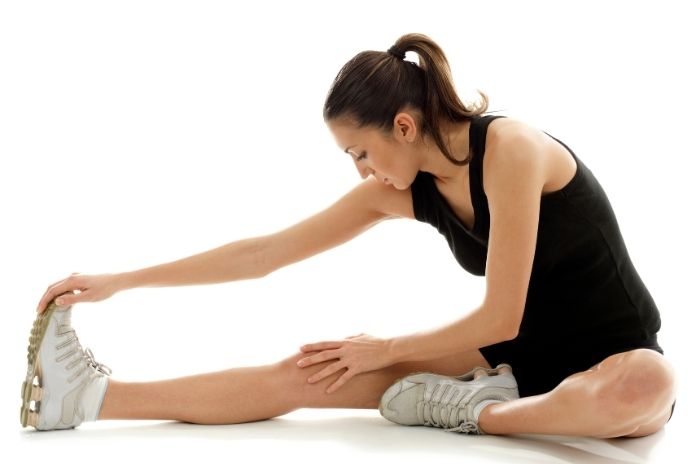
3. Gentle Movement, Posture, and Stretching
Resting all day might seem tempting, but gentle movement actually helps. Low-intensity exercise boosts circulation, releases endorphins (your body’s natural painkillers), and reduces muscle tension.
Try:
- Light walking, yoga, or pelvic tilts.
- Cat-cow and child’s pose for lower back release.
- Take short mobility breaks every 30–45 minutes if you sit for long periods.
Good posture also matters. Use a lumbar cushion when sitting and avoid slumping forward for long stretches, which can strain the lower spine and worsen discomfort.
4. Hydration, Sleep, and Stress Reduction
Your lifestyle habits influence how your body perceives pain. Dehydration, poor sleep, and chronic stress can all intensify cramps and back tension.
“Dehydration can precipitate muscle-spasm and back-pain because the body’s tissues are less resilient without adequate fluid; staying well-hydrated is a key part of muscle and spinal health.” – Dr Abdul Baker (spine specialist)
What helps:
- Drink enough water throughout the day to prevent dehydration-related muscle cramps.
- Aim for at least 7–8 hours of restful sleep.
- Use relaxation techniques like slow breathing, progressive muscle relaxation, or a warm bath before bed.
These habits calm your nervous system, lower stress hormones, and help your muscles relax, all of which make pain more manageable.
Key takeaway
You don’t have to endure every cycle in pain. A combination of heat, timely pain relief, movement, and rest can dramatically ease symptoms. Most of these methods are safe to try at home, but if back pain remains severe or lasts beyond your period, it’s worth getting checked to rule out deeper causes like endometriosis or fibroids.
Read More: Drink These 5 Smoothies to Ease Period Symptoms and Boost Hormonal Health
Longer-term Strategies & Prevention for the Next Cycle

If pain is predictable and severe, adopt a prevention plan:
- Planned NSAID use: Starting NSAIDs a day or two before bleeding begins (if your pattern is predictable) can blunt prostaglandin surges and reduce pain. Evidence supports this approach for many people.
- Hormonal options: Combined oral contraceptives (COCs), progestin-only pills, LNG-IUDs (levonorgestrel intrauterine devices), or other hormonal therapies can reduce menstrual flow, suppress ovulation, and often significantly reduce dysmenorrhea, particularly when pain is primary or due to endometriosis. Discuss benefits and risks with a gynecologist.
- Regular aerobic exercise and core strengthening: Systematic evidence links regular exercise to reduced menstrual pain. Strengthening the core and back muscles reduces mechanical strain and may decrease the intensity of back pain during periods.
- Weight management and posture: If excess weight or chronic poor posture contributes to spinal load, addressing these reduces overall back strain. Small, consistent lifestyle changes add up over time.
- Trial of supplements: Under medical guidance, try magnesium, vitamin B1, or omega-3s for 2–3 cycles and track whether symptoms improve. Keep a symptom diary, timing, intensity, triggers, and what helps, to help your clinician make decisions.
When to Seek Medical Help
Know when the pain is likely more than “normal” period cramps. See a clinician if you experience:
- Pain that stops you from working, sleeping, or doing normal activities despite home treatments. Clinical guidance recommends evaluation when pain prevents normal tasks.
- Very heavy bleeding (soaking a pad or tampon every hour for several hours), fainting, or symptoms of anemia. Mayo Clinic and Cleveland Clinic provide clear thresholds for urgent evaluation.
- Pain with other worrying symptoms like fever, abnormal vaginal bleeding between periods, pain with intercourse, or fertility difficulties. These suggest secondary causes (endometriosis, adenomyosis, infection) that need specialist input.
- Persistent back pain outside of menses or neurological signs (leg pain that follows a dermatomal pattern, numbness, or weakness) could indicate spinal problems or nerve compression and should prompt a spine or neurology assessment.
If you see a clinician, expect a focused history and physical exam; they may order a pelvic ultrasound, MRI, or labs and, when appropriate, refer to a gynecologist for diagnostic laparoscopy (the standard for diagnosing endometriosis in some cases).
Early evaluation often improves outcomes. Recent reports highlight long diagnostic delays for endometriosis in many settings, so persistent, severe pain deserves careful investigation.
Conclusion
Menstrual back pain is common, but it’s not something you have to “just live with.” For many, it stems from prostaglandins and normal uterine contractions, but when pain becomes intense, persistent, or disrupts daily life, it often points to something more, like endometriosis, fibroids, or postural strain.
The good news is that most people can find real relief with a mix of simple, evidence-based measures: heat therapy, timely use of NSAIDs, gentle movement, and attention to sleep, hydration, and stress.
If pain keeps returning or feels out of proportion, don’t ignore it. A clinical evaluation can uncover underlying conditions and open the door to targeted treatments, from hormonal therapy to physiotherapy or other interventions. Addressing menstrual back pain isn’t just about comfort; it’s about restoring your energy, focus, and quality of life every month.
FAQs (short answers based on evidence)
Why does my back hurt so much when I get my period? Can it be just cramps?
Yes. Primary dysmenorrhea commonly causes referred low-back pain via uterine contractions and prostaglandins. But if pain is extreme or lasts beyond your period, see a clinician; secondary causes like endometriosis or spinal issues may be involved.
Will birth control pills help my period-related back pain?
Often yes. Combined hormonal contraceptives and certain progestin options reduce menstrual bleeding and prostaglandin-driven pain; many people experience less cramping and back pain on consistent hormonal therapy. Talk to a gynecologist about the best option for you.
Can I exercise when my lower back hurts during my period?
Gentle movement and aerobic exercise are usually beneficial and can reduce pain. Avoid heavy, high-impact workouts if pain is severe until you’ve tried conservative measures.
Is magnesium safe and effective for menstrual back pain?
Trials suggest magnesium can reduce menstrual pain for some people, with typical doses around 200–300 mg/day in studies. It’s generally safe for those with normal kidney function, but check with your clinician before starting supplements.
How can I tell if my back pain during my period is caused by endometriosis or fibroids?
Patterns that raise concern include pain that’s severe and getting worse, pain with intercourse, pain outside of your period, heavy or irregular bleeding, or infertility. Imaging (ultrasound, sometimes MRI) and specialist assessment help diagnose these conditions; laparoscopy can be required for definitive diagnosis of endometriosis. See a gynecologist if you have these signs.
References
- https://helloclue.com/articles/sex/does-hormonal-birth-control-reduce-cramps-and-period-pain
- https://www.spinemd.com/resources/blog/tips-to-reduce-lower-back-pain-during-menstruation/
- https://pubmed.ncbi.nlm.nih.gov/7572106/
- https://www.mayoclinic.org/tests-procedures/combination-birth-control-pills/in-depth/birth-control-pill/art-20045136
- https://www.plannedparenthood.org/learn/birth-control/birth-control-pill/what-are-the-benefits-of-the-birth-control-pill
- https://kidshealth.org/en/teens/cramps.html
- https://www.news-medical.net/news/20120119/Oral-contraceptive-pills-help-relieve-period-pain-Study.aspx
- https://www.toplinemd.com/miami-obgyn/news/10-common-birth-control-pill-side-effects/
- https://www.healthcentral.com/condition/back-pain/period-back-pain
- https://www.webmd.com/sex/birth-control/other-benefits-birth-control
- https://medlineplus.gov/periodpain.html
- https://www.healthdirect.gov.au/hormonal-contraceptives-and-periods
- https://helloclue.com/articles/sex/does-birth-control-help-with-pms-or-pmdd-or-make-it-worse
In this Article