












Have you ever found yourself pacing around your living room late at night just to hit 10,000 steps on your fitness tracker? You’re not alone, but here’s the truth: the 10,000-step rule isn’t based on science.
It actually began as a 1960s marketing campaign for a Japanese pedometer called Manpo-kei, which translates to “10,000 steps meter.” Modern research now shows that you don’t need to hit that number to stay healthy.
Studies have found that taking around 7,000 to 8,000 steps a day is linked to lower risks of early death and heart disease for most adults. The benefits tend to level off beyond 10,000 steps. What really matters is consistency and movement throughout the day, not an arbitrary number.
Experts also note that the ideal step count depends on your age, activity level, and fitness goals. For older adults, even 6,000 steps daily can make a big difference, while younger or more active individuals might aim higher for endurance and strength.
So instead of stressing over your tracker, focus on sustainable movement, walking regularly, and staying active. Before setting your personal step goal, let’s read what science has to say about the benefits of walking for your health and overall well-being.
Read More: The 6-6-6 Walking Routine will Boost Your Health
The Science Behind Step Counts: What 160,000 People Taught Us

If you’ve ever wondered how many steps a day you really need for good health, science now has a clear answer, and it’s more achievable than you might think.
Modern studies, including a large 2025 Lancet Public Health analysis of more than 160,000 participants, as well as research from UCLA Health and Northwestern Medicine, reveal that significant health benefits can be achieved with far fewer steps. People who walked around 7,000 steps per day had a 47% lower risk of dying from any cause than those who averaged only 2,000 steps.
Researchers also discovered that these benefits plateau after a certain daily step count. For adults over 60, the optimal range for health benefits is between 6,000 and 8,000 steps per day, while for those under 60, the optimal range is 8,000 to 10,000 steps per day. Going beyond that range doesn’t significantly add more benefits, meaning you can stay healthy without stressing about hitting exactly 10,000 steps.
Interestingly, walking pace matters less than the total distance traveled. While brisk walking can support weight loss and fitness goals, studies show that simply increasing your daily step count, regardless of your speed, helps reduce the risk of heart disease, stroke, and premature death.
The European Society of Cardiology found similar results: people with high blood pressure who walked farther and more frequently had a much lower risk of heart attack and heart failure. Even adding 1,000 extra steps per day can make a measurable difference to your heart health.
Science now shows that consistent movement is more important than perfection. Whether your goal is 6,000, 7,000, or 9,000 steps, what matters most is that you walk for fitness regularly and make physical activity part of your everyday routine.
Knowing what the research reveals is important, but let us see how you can turn these insights into a realistic daily step goal that works for you.
Read More: Strength Exercises to Make Your Daily Walks More Powerful
Finding Your Personal Step Target
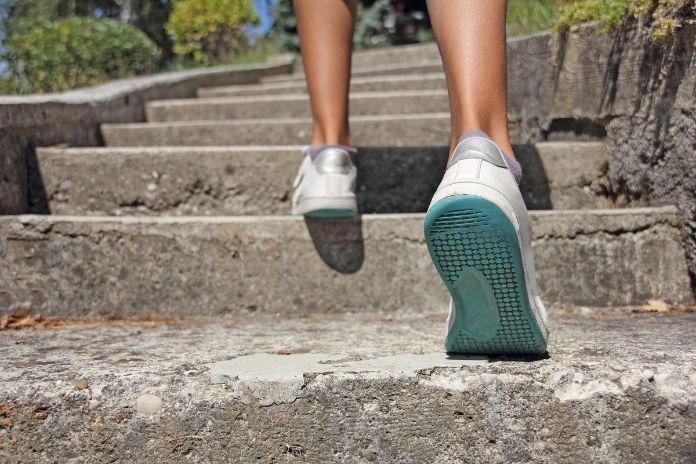
Walking is one of the simplest and most effective ways to stay fit. But do you really need 10,000 steps a day? Recent studies show that even moderate-intensity walking and gradual step increases can deliver significant health benefits through walking, if you find the right pace for you.
Your Optimal Daily Step Count: A Personalized Approach
When it comes to walking for fitness, there’s no magic number that fits everyone. Your ideal daily step count depends on your fitness level, age, and health goals.
According to research, the average American takes about 3,000 to 4,000 steps per day, while fewer than 2,000 steps is considered sedentary. The goal is to build up gradually, because even small, consistent increases in your step count can lead to long-term health improvements.
Exercise can also help with weight management, which in turn can influence cardiovascular disease risk, says Nissi Suppogu, M.D., cardiologist and medical director of the Women’s Heart Center at MemorialCare Heart & Vascular Institute at Long Beach Medical Center in Long Beach, CA.
Starting From Sedentary (Under 3,000 Steps)
If you currently walk less than 3,000 steps daily, don’t aim for 10,000 steps a day right away. Instead, start small and focus on consistency. Add 500 to 1,000 steps every one to two weeks through easy lifestyle changes, like walking while on calls, taking the stairs, or going for a quick evening stroll.
Make your first target 5,000 steps per day to move out of the sedentary category. Over the next 6 to 12 weeks, gradually work toward 7,000–8,000 steps per day, as most research indicates a link to better heart health and a lower mortality risk.
According to the Tudor-Locke activity classification, every 1,0001 steps adds meaningful benefits; just be cautious not to increase too quickly to avoid fatigue or injury.
Age-Specific Recommendations
Your optimal daily step count changes with age. Adults under 60 can aim for 8,000 to 10,000 steps daily, while those over 60 typically benefit most from 6,000 to 8,000 steps. Older adults can achieve the same health benefits from walking with fewer steps, thanks to biomechanical efficiency.
For children and teens, maintaining higher activity levels is essential; around 12,000 steps per day, combined with moderate-intensity walking, keeps their energy and fitness levels high.
Meet yourself where you are. You don’t have to chase perfection; consistent movement at your own pace brings powerful rewards for your heart, mind, and longevity.
Numbers aside, what truly determines the impact of your steps is how and how often you move. So, let us check out what really makes your daily walking routine deliver meaningful results.
Read More: Turning Commuting with Cycling into Workout Training
Step Quality vs. Quantity

Walking is arguably one of the easiest ways to maintain your health. But does pace matter as much as the total number of steps? Recent research has shown that different walking speeds and intensities affect overall fitness and weight loss.
Does Walking Speed Matter? Understanding Step Intensity
Regarding walking for fitness, one question many people want an answer to is whether it’s better to walk faster or simply walk more. Research shows that both walking speed and total steps count are important, but most people will gain more regarding general health and longevity from the total number of steps.
Large studies do show that a higher daily step count, regardless of pace, is associated with lower risks of early death and chronic diseases. Put simply, when your goal is better health, volume counts more than intensity. Walking more steps per day can do wonders for heart health, even at a comfortable pace, and can strengthen muscles and boost your mood.
However, if your goal is to lose weight or build endurance, then intensity becomes a larger role. Various studies show that walking at a moderate intensity, which means taking about 100 steps per minute or a pace of about 3 miles per hour, is considered ideal for burning fat and enhancing cardiovascular strength.
Finding the Right Balance: Speed and Step Goals
You don’t have to power-walk constantly, but find the rhythm that suits your goals. To test your pace, try the “talk test.” If you’re able to hold a conversation but can’t sing while walking, then you’re at a moderate pace. Adding 3,500 steps daily at a moderate intensity level can significantly contribute to losing weight effectively, especially when combined with a healthy diet.
When setting goals, remember that the number of steps per day can vary by age. Younger adults may benefit from 8,000 to 10,000 steps per day, while older adults can achieve similar health benefits from 6,000 to 8,000 steps per day, even at a slower pace. The key is consistency, not perfection.
You don’t need to chase extreme intensity unless you have specific fitness targets, such as weight loss or endurance training. For most people, walking regularly, at any pace, yields lasting health benefits and contributes to longevity.
Now that you understand the target, we will explore the best way to seamlessly integrate more steps into your everyday life.
Read More: How Just 10 Minutes of Walking After Meal Can Transform Your Health
12 Realistic Ways to Add More Steps to Your Day

You don’t need to carve out extra hours to walk more; you just need to make small, smart adjustments throughout the day. Using a step counter or pedometer can help you stay on track by showing your step count accuracy and progress in real-time.
Whether you work at a desk, care for a family, or have shifting work hours, these simple tweaks can help you reach your step goal faster.
For Desk Workers and Remote Employees
If your job keeps you sitting most of the day, here are some easy ways to stay active without losing productivity:
- Take walking meetings – Swap a video call for a phone call while walking. This can easily add 2,000-3,000 steps in one session.
- Park a bit farther – Parking just five minutes away adds 500-800 steps per trip.
- Walk after meals – A quick two-minute stroll after eating helps in digestion and also improves blood sugar control.
- Move every hour – Set reminders to take a 5-minute walk each hour; this builds up to 3,000 extra steps daily.
- Use your lunch break – A 15-minute walk adds 1,500 — 2,000 steps and also increases your focus during the afternoon.
Use a pedometer app to track your progress and test the accuracy of step counters between devices to determine what works best for you.
For Parents and Caregivers
Busy parents can sneak in steps while managing family routines.
- Pace during kids’ sports or classes — Sideline pacing can add 1,000+ steps.
- Walk to school — Skip the car line; a short round trip adds hundreds of steps.
- Evening family walks — Great for bonding and fitness.
- Play active games — Dancing or hide-and-seek easily counts toward your goal.
- Stroller walks — Every step still counts fully toward your total.
For Shift Workers and Non-Traditional Schedules
Unusual hours don’t mean fewer steps — just different timing.
- Walk before or after your shift to set a positive tone.
- Use breaks wisely — even short walks add up.
- Try indoor routes for weather-proof consistency.
- Split your walks into smaller sessions to stay consistent.
Pair walking with podcasts or music to make it enjoyable and sustainable.
Professor Melody Ding (Epidemiologist, University of Sydney) says, “Those who are currently active and achieving the 10,000 steps a day, keep up the good work — there is no need to modify your step counts. However, for those of us who are far from achieving the 10,000 target, getting to 7,000 steps/day offers almost comparable health benefits.”
Already doing other workouts? Let’s see whether steps still make a difference, and how walking fits into a complete fitness plan.
Read More: What Your Walking Speed Says About Your Health and Longevity
The Complete Picture: Balancing Steps with Other Movement
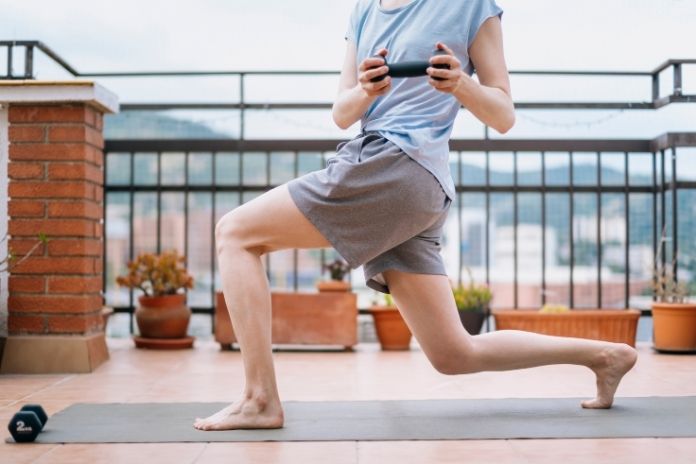
Walking is one of the easiest and most accessible forms of exercise, and it offers plenty of health benefits. But according to experts, focusing only on 10,000 steps a day isn’t the full story. True fitness comes from balancing walking with other types of movement that challenge different parts of your body and mind.
Why All Movement Counts
Every activity burns energy, not just walking. For example, swimming just one-fifth of a mile can equal the energy used in walking a full mile, while cycling about five miles matches the same output. The key is movement equivalency; different workouts can deliver similar health benefits, even if your step counter doesn’t record them.
If you do heavy manual labor or an active job, you may already be surpassing the daily movement your body needs without realizing it. That’s why it’s more useful to look at how active you feel overall rather than only tracking numbers.
Don’t Skip Strength Training
Experts also stress that strength training at least twice a week is essential, no matter how many steps you take. Lifting weights, doing resistance band exercises, or engaging in bodyweight workouts like squats and push-ups improve muscle mass, bone strength, and balance. These benefits can’t be replaced by walking alone.
When Tracking Becomes Too Much
Step counters and fitness trackers can be great motivators, but they can also lead to unnecessary pressure or guilt if you don’t meet your daily target. If you notice anxiety or obsession creeping in, it’s perfectly fine to take a break from tracking. Remember, walking, like any exercise, should make you feel better, not stressed.
As you build your walking habit, here’s what you can realistically expect to happen, both in your body and your daily life.
Read More: How Walking with Colors Can Boost Your Mood and Creativity
Your Walking Progress Timeline: Physical and Mental Changes

If you’re starting from a sedentary lifestyle, adding regular walking to your day can transform your health, both physically and mentally. Change takes time, but even small steps make a big difference. Here’s what most people experience over 12 weeks, based on expert insights and physical activity guidelines.
Weeks 1–2: Waking Up the Body
In the first two weeks, you might experience some muscle soreness as your body adjusts to new movement. But you’ll also notice better sleep and an early lift in mood. Walking releases feel-good chemicals that reduce stress and anxiety.
Weeks 3–4: Feeling the Flow
Your stamina begins to build. Breathing feels easier, and you’ll have more energy throughout the day. You may start craving your walks because of the mental clarity and calm they bring.
Weeks 5–8: Noticeable Physical Shifts
Around this time, measurable cardiovascular improvements appear; your heart and lungs become stronger. You might begin to notice gentle weight loss and better muscle tone, especially if you’ve increased your pace or distance.
Weeks 9–12: Strength, Habit, and Momentum
By now, walking feels automatic; part of your daily rhythm. You’ll notice significant endurance gains and less fatigue from daily tasks. Mentally, you’ll feel sharper and more confident.
Long-Term Benefits
Stay consistent, and the rewards compound: lower risk of chronic diseases, stable weight, and lasting mental well-being. Walking becomes more than exercise; it’s a foundation for lifelong health.
Read More: Benefits of Weighted Walking
Conclusion

There isn’t just one magic number for walking. New studies reveal that 7,000 steps a day may be good for you, but the best goal for you depends on your age, fitness level, and lifestyle. Don’t attempt to be perfect; just keep moving forward from where you are.
That’s the most essential thing. Adding a few hundred steps to your regular routine can make a tremendous difference over time. When you first start, you can wear a tracker or pedometer to stay motivated.
However, you should learn to listen to your body, as it is the best way to determine how much movement you need. And don’t forget, it’s not just about how many steps you take; it’s also about feeling better and having more energy.
Take small steps. A 10-minute stroll today could be all you need. Now that you know how to make your walking routine your own, the first step is to make movement a normal part of your day.
FAQ SECTION
Q1: How many steps a day do I need to lose weight?
Research shows 10,000 steps daily supports weight loss when combined with proper nutrition, with at least 3,500 steps at moderate intensity (3 mph or 100 steps/minute). However, significant weight loss has been achieved at 7,500-8,000 steps when paired with a calorie deficit. For most people, losing more than 10% of their body weight, walking 10,000 steps with 35 minutes of moderate-intensity exercise, proves effective over 18 months.
Q2: Are 10,000 steps a day really necessary?
No. The 10,000-step target originated from 1960s Japanese marketing, not scientific research. Recent studies show 7,000 steps provides substantial health benefits for most adults under 60, with benefits plateauing between 8,000 – 10,000 steps. Adults over 60 see maximum benefits at 6,000 – 8,000 steps. Any increase from your baseline improves health.
Q3: How many steps a day by age should I aim for?
Age-based recommendations include: Adults under 60 should aim for 8,000 – 10,000 steps for optimal health benefits; adults 60 and older benefit most from 6,000-8,000 steps; children and teens (6-17) should aim for approximately 12,000 steps, accompanied by 60 minutes of moderate to vigorous activity. These targets reflect age-related changes in biomechanical efficiency and metabolic needs.
Q4: Does walking speed matter or just the total steps?
Total step volume matters most for longevity and disease prevention—walking pace shows no significant mortality benefit in research. However, intensity becomes important for specific goals: moderate-pace walking (100 steps/minute or 3 mph) enhances weight loss and improves cardiovascular fitness. For general health, walking at any comfortable pace provides benefits.
Q5: How long does it take to walk 10,000 steps?
Walking 10,000 steps typically takes 80-100 minutes and covers approximately 5 miles, depending on stride length and pace. At a moderate pace (3 mph), expect a 90-minute duration. At a brisk pace (4 mph), approximately 75 minutes. Most people can break this into smaller chunks: two 30-minute walks plus regular daily movement.
Q6: Can I count steps from other exercises?
Yes, fitness trackers count arm movement during many activities. However, for activity equivalency, 1 mile of walking equals approximately 1/5 mile of swimming or 5 miles of cycling, based on energy expenditure. Steps taken during strength training, yoga, and other exercises count toward your daily total, although these activities provide benefits that go beyond what step count captures.
Q7: What if I can’t walk due to injury or disability?
Step counts don’t apply to everyone. Alternative activities offer similar cardiovascular benefits, including hand cycling, chair exercises, swimming, water aerobics, and seated strength training. Focus on accumulating moderate-intensity movement totaling 150 minutes per week. Consult healthcare providers for personalized activity recommendations that accommodate your specific limitations.
Q8: How many steps a day are needed to maintain the current weight?
Maintaining a healthy weight typically requires 7,000-8,000 steps daily, combined with a balanced diet for most adults. However, this varies significantly based on age, metabolism, muscle mass, and dietary intake. People with higher muscle mass or those in more active jobs may maintain their weight with fewer deliberate walking steps. Monitor your individual response over several weeks to find your maintenance level.
References
- https://economictimes.indiatimes.com/magazines/panache/forget-10000-steps-harvard-study-reveals-how-far-you-really-need-to-walk-for-a-healthy-heart-and-longer-life-the-number-is-much-less/articleshow/124788100.cms
- https://www.uclahealth.org/news/article/how-many-steps-do-you-need-day-see-health-benefits
- https://www.nm.org/healthbeat/healthy-tips/how-many-steps-a-day-should-you-take-to-improve-your-heart-health
- https://www.escardio.org/The-ESC/Press-Office/Press-releases/Walking-further-and-faster-is-linked-to-a-reduced-risk-of-heart-attacks-heart-failure-and-stroke-in-people-with-high-blood-pressure
- https://utswmed.org/medblog/how-many-steps-per-day/
- https://www.hingehealth.com/gb/en/resources/articles/how-many-steps-should-i-take-in-a-day/
- https://pmc.ncbi.nlm.nih.gov/articles/PMC3197470/
- https://www.nih.gov/news-events/nih-research-matters/number-steps-day-more-important-step-intensity
- https://lermagazine.com/article/the-association-between-step-count-and-walking-intensity
- https://pmc.ncbi.nlm.nih.gov/articles/PMC7093766/
- https://www.scrippsnews.com/health/short-walks-are-good-but-longer-ones-could-dramatically-lower-cardiovascular-risk-study-says
- https://www.adityabirlacapital.com/healthinsurance/active-together/2025/04/17/ways-to-get-more-steps-in-a-day/
- https://www.goodrx.com/well-being/movement-exercise/how-to-increase-your-daily-step-count
- https://restless.co.uk/health/healthy-body/creative-ways-to-increase-your-daily-step-count/
- https://time.com/6961326/is-walking-good-exercise/
- https://www.cnet.com/health/fitness/your-10000-step-goal-may-only-be-a-walk-away-experts-explain-this-daily-exercise-goal/
- https://www.bbc.com/future/article/20190723-10000-steps-a-day-the-right-amount
- https://www.bluecrossnc.com/blog/healthy-living/fitness/4-week-walking-plan
- https://www.betterhealth.vic.gov.au/health/healthyliving/walking-for-good-health
- https://www.webmd.com/fitness-exercise/mental-benefits-of-walking
- https://www.mayoclinic.org/healthy-lifestyle/fitness/in-depth/walking/art-20046261
In this Article