











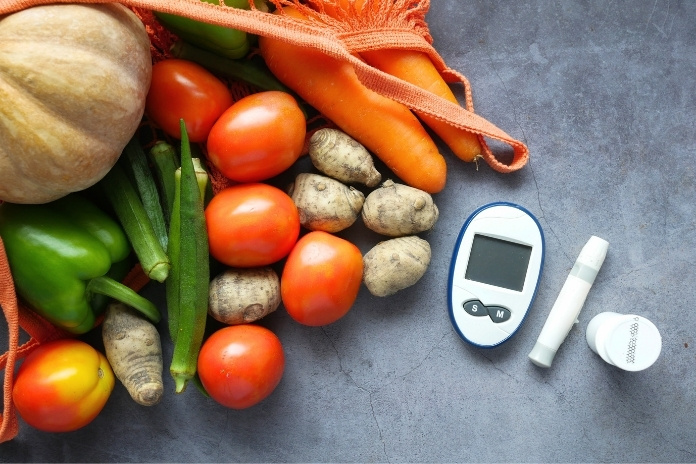
Diet plays a fundamental role in managing diabetes. With 38.4 million Americans—11.3% of the population—living with diabetes according to the Centers for Disease Control and Prevention, understanding effective management strategies is essential.
Adopting a nutritious diet becomes critical for those with diabetes, and for many, a plant-forward approach offers powerful benefits.
Once considered niche, plant-based eating is now widely recognized for its profound health, ethical, and environmental advantages. Research increasingly shows its effectiveness in enhancing insulin sensitivity and reducing diabetes complications.
This approach emphasizes whole, nutrient-dense foods that naturally nourish the body, reflecting a shift toward viewing food as both sustenance and medicine.
Read More: How to Make Oatmeal Diabetes-Friendly: Toppings and Recipes That Work
Understanding Diabetes and Its Dietary Needs

The three main types of diabetes—Type 1, Type 2, and gestational—each present unique challenges, yet all share one commonality: diet is crucial for management.
Type 1 diabetes is an autoimmune condition where the immune system destroys insulin-producing cells in the pancreas. Affecting up to 10% of people with diabetes, it typically develops in children and young adults. While external insulin is necessary, diet remains essential for stabilizing blood sugar fluctuations through consistent carbohydrate intake and insulin dosing.
Type 2 diabetes, the most common form, occurs when the body produces insufficient insulin or cells respond abnormally to it. Though primarily affecting adults, children can develop it too. Here, diet becomes a powerful tool—emphasizing whole grains, lean proteins, and fiber-rich vegetables can balance glucose levels and improve insulin sensitivity.
Gestational diabetes develops during pregnancy and requires careful dietary balance to support fetal growth while preventing blood sugar spikes. Though it typically resolves after pregnancy, it increases the risk of developing Type 2 diabetes later.
For all types, eating becomes a strategic tool rather than merely an energy source. Thoughtful dietary choices empower people to manage their health and thrive beyond diagnosis.
“It’s well understood that eating something sweet, like a brownie, will raise blood glucose,” explains Dr. Stephen Devries, a preventive cardiologist and executive director of the Gaples Institute. “But many patients don’t realize that starchy foods, even without sweetness, can spike blood glucose even more.”
Marc O’Meara, RD, LDN, CDE, senior nutritionist at Mass General Brigham, adds: “Starch may not taste sweet, but when digested, that carbohydrate chain breaks into a pile of sugars that rush into the bloodstream.”
The Benefits of Plant-Based Diets for Diabetes
A growing body of research supports plant-based diets for diabetes management. A 2018 study published in Nutrients found that plant-based diets improved glycemic control and reduced cardiovascular risk factors in Type 2 diabetes patients.
Another study showed that participants following plant-based diets had a 23% lower risk of developing Type 2 diabetes compared to those eating more animal products.
The benefits typically become noticeable within weeks. Many people report improved energy and better blood sugar readings within 2-4 weeks, though significant weight loss and A1C improvements often take 3-6 months of consistent adherence.
Blood Sugar Control: Fiber-rich foods slow digestion, prolonging fullness and reducing cravings. This gradual release helps prevent blood sugar spikes and decreases the likelihood of reaching for unhealthy snacks.
Reduced Insulin Resistance: Plant-based diets, especially leafy greens, whole grains, and legumes, improve insulin sensitivity. These foods promote healthier lipid profiles and reduce oxidative stress, helping the body use insulin more efficiently.
Cardiovascular Protection: Plant-based diets defend against cardiovascular disease, a common diabetes complication. High in heart-healthy fats from nuts and seeds, and low in artery-clogging saturated fats, these diets lower blood pressure and cholesterol while strengthening heart health.
Weight Management: Losing weight is one of the most effective diabetes management strategies. Plant-based diets emphasizing whole foods typically contain fewer calories while providing complete nutrition and promoting lasting satiety, making weight loss and maintenance more achievable.
Read More: How Your Diet Impacts Diabetes
Understanding Plant-Forward Eating: Flexibility Matters
It’s important to clarify that “plant-based” doesn’t necessarily mean strictly vegan or vegetarian. A plant-forward or flexitarian approach—where plants form the foundation of your diet while occasionally including fish, poultry, or dairy—can be equally effective and more sustainable for many people.
Research shows that even partial adoption of plant-based eating provides significant benefits. You don’t need to be perfect or eliminate all animal products to see improvements in blood sugar control and overall health. Other dietary patterns like the Mediterranean diet and DASH diet also show strong evidence for diabetes management, often incorporating similar principles of whole foods, healthy fats, and abundant plant foods.
The key is finding an approach that works for your lifestyle, preferences, and cultural traditions while emphasizing nutrient-dense whole foods. What matters most is consistency and long-term sustainability, not rigid adherence to a label.
Critical Components of a Diabetes-Friendly Plant-Based Diet
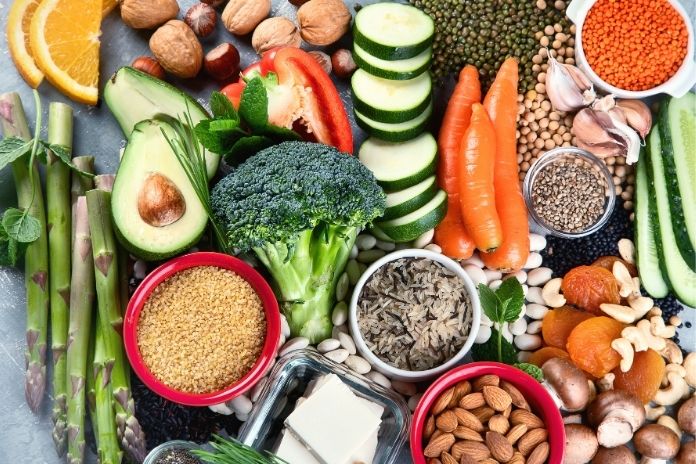
Building a plant-based diabetes diet means harnessing specific plant foods to regulate blood sugar. Here’s how to create a delicious, diabetes-friendly menu:
High-Fiber Foods: Fiber is blood sugar control’s unsung hero. Whole grains, legumes, fruits, nuts, and vegetables act as natural slow-release systems, preventing rapid blood sugar spikes. Quinoa and barley provide steady energy, while broccoli and carrots add bulk and promote fullness.
Adequate Protein: Protein is crucial for diabetes management. It promotes satiety, preserves muscle mass during weight loss, and has minimal impact on blood sugar. Adults with diabetes typically need 1.0-1.2 grams of protein per kilogram of body weight daily (roughly 70-85 grams for a 154-pound person). Excellent plant-based sources include:
- Legumes: lentils (18g per cup), chickpeas (15g per cup), black beans (15g per cup)
- Soy foods: tofu (20g per cup), tempeh (31g per cup), edamame (17g per cup)
- Whole grains: quinoa (8g per cup), farro (7g per cup)
- Nuts and seeds: hemp seeds (10g per 3 tablespoons), pumpkin seeds (9g per ¼ cup)
- Plant-based protein powders from pea, hemp, or brown rice
Distribute protein throughout the day, including 20-30 grams at each meal, to optimize blood sugar control and satiety.
Healthy Plant-Based Fats: Not all fats are equal. Monounsaturated fats in avocados, almonds, chia seeds, and olive oil enhance insulin sensitivity and stabilize blood sugar. These heart-healthy fats also reduce cravings, making balanced eating easier.
Omega-3 Fatty Acids: Plant-based sources include walnuts, flaxseeds, chia seeds, and algae-based supplements, though plant omega-3s (ALA) convert less efficiently to the active forms (EPA/DHA) your body needs.
Low-Glycemic Index Foods: Low-GI foods release glucose gradually, preventing sudden blood sugar spikes. Sweet potatoes, berries, and non-starchy vegetables like bell peppers and zucchini stabilize energy and reduce the risk of long-term complications.
Navigating Potential Nutritional Gaps
While plant-based diets offer tremendous benefits, certain nutrients require special attention, particularly for people with diabetes:
Vitamin B12: This crucial vitamin is found almost exclusively in animal products. B12 deficiency can cause nerve damage—especially concerning for diabetics already at risk for neuropathy. Those taking metformin face even higher deficiency risk. Take a B12 supplement (at least 25-100 mcg daily or 1,000 mcg weekly) or consume fortified foods like plant milks and nutritional yeast.
Iron: Plant-based iron (non-heme) is less readily absorbed than animal sources. Pair iron-rich foods like lentils, spinach, and fortified cereals with vitamin C sources (citrus, tomatoes, bell peppers) to enhance absorption. Consider having your iron levels checked annually.
Vitamin D: Many people, regardless of diet, are deficient in this bone-health essential. With limited plant sources, consider fortified foods or supplements, especially during winter months. Aim for 1,000-2,000 IU daily or as recommended by your healthcare provider.
Zinc: Important for immune function and wound healing (critical for diabetics), zinc is less bioavailable from plant sources. Include plenty of legumes, nuts, seeds, and whole grains, and consider periodic testing.
Omega-3 EPA/DHA: While plant sources provide ALA, conversion to EPA/DHA is inefficient (often less than 10%). Consider algae-based DHA/EPA supplements, especially if you’re not consuming fatty fish.
Work with a registered dietitian to create a personalized plan and determine which supplements you need. Regular blood work can identify deficiencies before they become problematic.
Practical Tips for Transitioning to a Plant-Based Lifestyle
Switching to plant-based eating doesn’t have to be overwhelming. Think of it as a delicious journey toward better health. Here’s how to navigate common challenges:
Start Slowly: Replace one animal-based meal daily with a plant-based option. Try tofu or tempeh stir-fries, swap beef patties for black bean burgers, or use almond or oat milk instead of dairy. Gradual changes feel sustainable, not restrictive.
Master Meal Prep: Preparation is key. Batch-cook fiber-rich staples like quinoa, lentils, and roasted vegetables. Having these ready-to-eat options simplifies meal planning and keeps you on track during busy days.
Address Budget Concerns: Plant-based eating can actually be more affordable than meat-centered diets when you focus on basics. Buy dried beans and lentils in bulk (pennies per serving), choose frozen vegetables (equally nutritious and cheaper), buy seasonal produce, and skip expensive specialty products. Canned beans, oats, brown rice, peanut butter, and bananas are nutritious and budget-friendly staples.
Navigate Limited Access: If fresh produce is scarce in your area, rely on frozen fruits and vegetables (just as nutritious), canned goods without added sodium or sugar, shelf-stable items like dried beans and whole grains, and online ordering when available. Even small increases in plant foods—adding beans to meals or choosing whole grain bread—provide benefits.
Honor Cultural Traditions: Plant-based eating doesn’t mean abandoning your heritage. Most cuisines have plant-rich dishes. Mexican bean and vegetable tacos, Indian dal and vegetable curries, Mediterranean hummus and tabbouleh, Asian stir-fried vegetables and tofu, Southern collard greens and black-eyed peas. Adapt traditional recipes by swapping proteins or increasing vegetable portions while keeping beloved flavors and spices.
Eating Out and Social Situations: Most restaurants now offer plant-based options. Review menus ahead, ask for modifications (substitute beans for meat, extra vegetables for cheese), focus on ethnic restaurants (Indian, Thai, Mediterranean often have abundant options), and don’t stress about perfection, doing your best in the moment is enough.
Stock Your Pantry: Build a diabetes-friendly plant-based pantry with whole grains, legumes, nuts, seeds, and colorful fruits and vegetables. These foods provide essential nutrients for proper blood sugar regulation.
Read More: Diabetes-Friendly Quinoa and Vegetable Stir-Fry: A Low-GI Delight
Conclusion
A plant-forward diet offers a powerful, natural approach to managing diabetes—improving insulin sensitivity, reducing blood sugar, and promoting heart health. Research demonstrates significant benefits, though individual results vary based on consistency, overall dietary patterns, and personal factors.
By emphasizing nutrient-dense, fiber-rich foods while addressing potential nutritional gaps and practical challenges, you can make meaningful strides toward better health. Remember, this approach is flexible—even partial adoption provides benefits, and perfection isn’t the goal.
Important: Before making significant dietary changes, consult your healthcare provider or a registered dietitian, especially if you take diabetes medications. As you transition to more plant foods, your medication needs may change, and professional guidance ensures safe, effective management.
Start with one plant-based meal today and notice the difference. This isn’t just a diet—it’s a sustainable lifestyle change that empowers you to thrive. Small, consistent adjustments now can yield tremendous health benefits later. Let plants guide your journey to better health.
References
- https://www.cdc.gov/diabetes/php/data-research/index.html
- https://www.ncbi.nlm.nih.gov/pmc/articles/PMC6153574/
- https://www.niddk.nih.gov/health-information/diabetes/overview/what-is-diabetes/type-1-diabetes
- https://www.niddk.nih.gov/health-information/diabetes/overview/what-is-diabetes/type-2-diabetes
- https://www.cdc.gov/diabetes/basics/gestational.html
- https://pubmed.ncbi.nlm.nih.gov/31329220/
- https://www.mayoclinic.org/diseases-conditions/diabetes/in-depth/diabetes-diet/art-20044295
- https://www.ncbi.nlm.nih.gov/pmc/articles/PMC5466941/
- https://www.health.harvard.edu/staying-healthy/the-right-plant-based-diet-for-you
- https://www.ncbi.nlm.nih.gov/pmc/articles/PMC5466943/
- https://www.mayoclinic.org/healthy-lifestyle/nutrition-and-healthy-eating/in-depth/mediterranean-diet/art-20047801
- https://www.nhlbi.nih.gov/education/dash-eating-plan
- https://www.health.harvard.edu/diseases-and-conditions/glycemic-index-and-glycemic-load-for-100-foods
- https://www.ncbi.nlm.nih.gov/pmc/articles/PMC5691720/
- https://www.heart.org/en/healthy-living/healthy-eating/eat-smart/fats/monounsaturated-fats
- https://www.mayoclinic.org/diseases-conditions/heart-disease/in-depth/omega-3/art-20045614
- https://www.ncbi.nlm.nih.gov/pmc/articles/PMC3257651/
- https://www.nhs.uk/common-health-questions/food-and-diet/what-is-the-glycaemic-index-gi/
- https://ods.od.nih.gov/factsheets/VitaminB12-HealthProfessional/
- https://www.ncbi.nlm.nih.gov/pmc/articles/PMC5500756/
- https://www.ncbi.nlm.nih.gov/books/NBK448204/
- https://ods.od.nih.gov/factsheets/VitaminD-HealthProfessional/
- https://ods.od.nih.gov/factsheets/Zinc-HealthProfessional/
- https://www.niddk.nih.gov/health-information/diabetes/overview/diet-eating-physical-activity
- https://www.forksoverknives.com/wellness/new-study-confirms-plant-based-diet-can-promote-type-2-diabetes-remission/
- https://www.northcoastmed.com/the-benefits-of-a-plant-based-diet-for-individuals-with-diabetes/
- https://www.nyp.org/diabetes-and-endocrinology/diabetes-resource-center/plant-based-diet-can-help
- https://medlineplus.gov/diabeticdiet.html
- https://my.clevelandclinic.org/health/diseases/7104-diabetes
- https://diabetes.org/food-nutrition
- https://www.mayoclinic.org/diseases-conditions/diabetes/in-depth/diabetes-diet/art-20044295
- https://www.uptodate.com/contents/type-2-diabetes-and-diet-beyond-the-basics/print
- https://www.eatingwell.com/article/7911723/can-you-follow-a-plant-based-diet-if-you-have-diabetes/
In this Article