














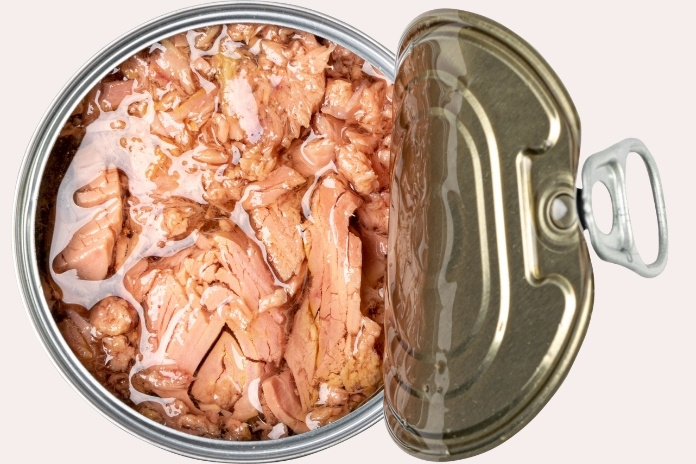
Canned tuna is one of those pantry staples that almost every kitchen has. It’s affordable, easy to store, and packed with protein, making it a convenient choice for busy weekdays or last-minute meals. Toss it into a salad, mix it into pasta, layer it on a sandwich, or stir it into a grain bowl; it adapts easily and satisfies quickly. For many, it’s a reliable way to get a filling, nutrient-dense meal without spending hours cooking.
But here’s the thing: despite its convenience and nutrition, canned tuna isn’t without controversy. Questions about mercury levels, potential contaminants, and sustainability often arise, leaving some people wondering whether reaching for tuna several times a week is truly safe. The concern isn’t just about occasional indulgence; it’s about establishing long-term eating habits that are both healthy and safe.
This article breaks it all down. We’ll look at what exactly canned tuna is, the nutrients it provides, and the tangible health benefits it offers. We’ll also explore the potential risks, like mercury exposure and other downsides, with an evidence-based lens.
By the end, you’ll have practical guidelines for how to enjoy canned tuna safely, how often it can fit into your diet, and what science actually says about incorporating it into a balanced eating plan. Where possible, we’ll reference official guidance and peer-reviewed studies so you can make informed choices without guesswork.
What Is Canned Tuna? (Types and Processing)
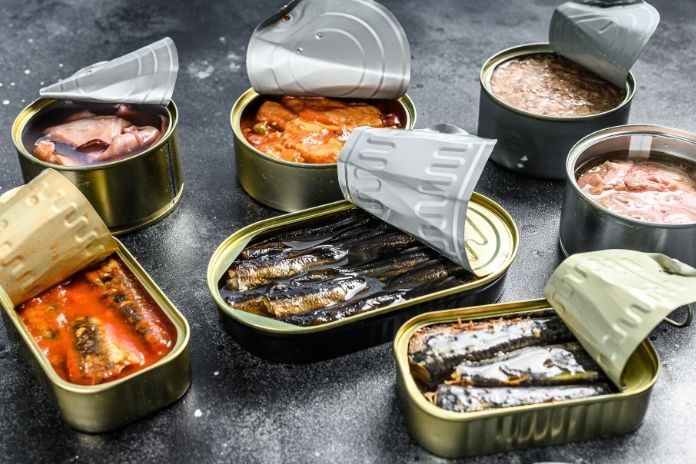
Canned tuna starts life as wild-caught fish that is cooked, packed into cans (with water or oil), sealed, and sterilized. That processing gives canned tuna an exceptionally long shelf life and makes it a convenient source of protein almost anywhere in the world.
There are two common market categories people encounter:
- Light tuna, usually made from smaller species such as skipjack (sometimes yellowfin in certain markets). Canned light tuna tends to have lower mercury and a milder flavor.
- White (albacore) tuna, labeled “albacore” or “white tuna.” Albacore is a larger species that typically contains higher mercury concentrations than skipjack.
Cans also differ by packing medium:
- Water-packed tuna (sometimes with added salt) is lower in calories and fat, making it the best choice if you’re looking for lean protein.
- Oil-packed tuna, stored in vegetable or olive oil, has a higher calorie and fat content but tastes richer and stays moister. It’s fine to enjoy in moderation, especially if the oil is drained or used as part of a dressing.
Two other notes worth keeping in mind:
- Sourcing and sustainability: Most canned tuna is wild-caught. Sustainability varies a lot by brand and fishery; certain practices reduce bycatch and help maintain tuna populations. Look for third-party labels (MSC, or check Seafood Watch lists) if sustainability is important to you.
- Processing and additives: Some flavored or pre-seasoned canned tuna may include extra salt or oils, so check labels if you’re watching sodium or calories.
(Authoritative guidance on species and mercury categories is provided by the FDA/EPA and related government resources.)
Canned Tuna Nutrition Facts (Per 3-oz / 85 g Serving)
Nutrition varies by species and packing method, but the typical ranges for a 3-ounce (≈85 g) drained serving are:
- Calories: ~90–110 for water-packed light or albacore; ~160–190 for oil-packed.
- Protein: ~20–26 g, high-quality, complete protein.
- Total fat: ~0.5–1 g for water-packed light; ~7–8 g for oil-packed.
- Omega-3s (EPA + DHA): roughly 0.2–0.5 g in light tuna and up to ~0.8–1.0 g in albacore per 3-oz serving (varies by species). Albacore generally has more omega-3s but also more mercury.
- Sodium: variable (150–300+ mg) depending on added salt and brand; low-sodium versions exist.
- Micronutrients: a good source of vitamin B12, niacin (B3), selenium, phosphorus, and some vitamin D. Selenium is notable because it helps protect cells from oxidative damage.
Bottom line: canned tuna is a lean, nutrient-dense source of protein and provides heart-healthy omega-3s, especially if you choose water-packed or lower-sodium varieties.
Health Benefits of Canned Tuna
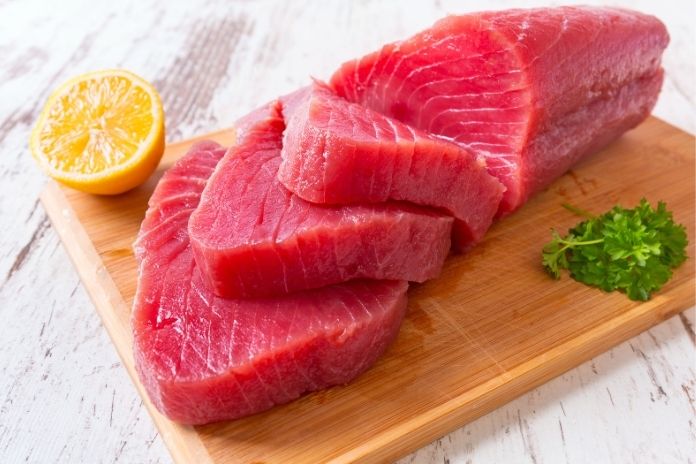
Canned tuna isn’t just convenient, it’s a surprisingly nutritious addition to a balanced diet. Packed with high-quality protein, heart-healthy omega-3 fats, and key vitamins and minerals, it provides several tangible benefits that support overall health.
Whether you’re focused on muscle maintenance, heart health, or meeting daily nutrient needs, canned tuna offers a practical, affordable way to get there. Here’s a closer look at what makes this pantry staple a smart choice.
1. High-quality, affordable protein
A 3-ounce serving supplies ~20+ grams of complete protein, all the essential amino acids, making tuna an efficient choice for muscle repair, satiety, and appetite control. For people watching calories, water-packed tuna is a low-calorie, filling protein.
2. Source of EPA and DHA (omega-3 fatty acids)
Tuna provides the long-chain omega-3 fats EPA and DHA, which are linked to a lower risk of heart disease, improved triglyceride profiles, and cognitive benefits. Health organizations recommend eating seafood at least twice per week to secure these benefits.
The 2020–2025 U.S. Dietary Guidelines and the American Heart Association specifically recommend two servings of fish per week as a heart-healthy target.
“If you’re worried about your heart health, eating at least two servings of fish a week could reduce your risk of heart disease.”, Mayo Clinic guidance summarizing the evidence for omega-3s and seafood.
Read More: Savory Heart-Healthy Salmon Salad: A Nutritious Omega-3 Boost
3. Micronutrients with functional roles
Tuna supplies B12 (nerve and blood health), niacin (energy metabolism), and selenium (antioxidant defense). These nutrients are especially valuable in calorie-restricted eating patterns or for people who do not regularly eat other animal proteins.
4. Convenient and shelf-stable
No refrigeration until opened, this convenience increases the likelihood people will include fish in their diets, helping them meet the “two servings of seafood per week” recommendation. Economically, canned tuna often costs less than fresh fish, making it a practical choice for budget-conscious shoppers.
Dr. Stephen Kopecky, a Mayo Clinic cardiologist, emphasizes the heart-healthy benefits of consuming fish rich in omega-3 fatty acids. He states: “You probably ought to eat about 6 ounces of fish three times a week. Almost a pound of fish a week would be the idea.”
Potential Downsides of Canned Tuna
While canned tuna offers convenience and nutrition, it isn’t without drawbacks. The main concerns include mercury exposure, added sodium and fats, and environmental impacts from fishing practices. Understanding these risks can help you enjoy tuna safely and responsibly, making informed choices about type, portion, and frequency. Here’s a closer look at the potential downsides.
1. Mercury (methylmercury), the biggest practical worry
Mercury accumulates in larger, longer-lived predatory fish. Because albacore (white tuna) grows larger than skipjack, it typically carries higher average mercury levels. The FDA’s monitoring data show mean mercury concentrations around ~0.35 ppm for canned albacore and ~0.13 ppm for canned light tuna (skipjack), roughly three times higher in albacore than in light tuna.
Based on toxicology and public health risk assessments, regulators recommend limiting the consumption of higher-mercury fish and providing specific serving-frequency guidance.
Practical guideline (from FDA/EPA):
- Light Canned Tuna: Most adults can safely enjoy 2–3 servings of low-mercury fish per week, and light canned tuna fits comfortably within that range.
- Albacore (white) tuna: Limit to one serving (≈4 ounces) per week for pregnant/breastfeeding women and children; other adults should also avoid making albacore their sole frequent fish.
Why it matters: Methylmercury is a neurotoxin, and developing nervous systems (fetuses, infants, young children) are most vulnerable. For adults with low exposure, the occasional higher-mercury meal is unlikely to be catastrophic, but chronic excess intake is what public health guidance aims to prevent.
2. Sodium and added fats
Canned flavored tuna or many pre-made tuna salads can be high in sodium and calories (from mayonnaise or oil). Choosing water-packed and low-sodium options, or draining/rinsing the tuna, reduces sodium and calories.
3. Environmental sustainability and bycatch
Tuna fisheries vary in how they operate. Some use methods that cause high bycatch, like longline fishing or purse seine nets with fish aggregating devices. Others use more selective and sustainable techniques.
If sustainability matters to you, look for the MSC certification or check resources such as Seafood Watch. Choosing responsibly sourced tuna helps protect marine life and future fish supplies.
4. Can linings and packaging (BPA concern)
Historically, some can linings used BPA, a chemical of concern. Many brands have moved to BPA-free linings, but if this matters to you, check the packaging or choose brands that explicitly advertise BPA-free cans.
What the Science & Authorities Say
Health authorities and scientific bodies provide clear guidance on seafood consumption, balancing the benefits of omega-3s and nutrients with the risks of mercury exposure.
Recommendations focus on choosing low-mercury varieties, moderating intake of higher-mercury species like albacore, and ensuring that vulnerable groups, such as pregnant women and children, stay within safe limits.
Here’s a brief overview of what the experts say.
- FDA/EPA fish-and-pregnancy guidance: Recommends 8–12 ounces of low-mercury seafood weekly for pregnant/breastfeeding women, but specifically limits albacore to one serving per week because it has higher mercury. The agencies categorize fish into “Best Choices” (low mercury) and “Good Choices” for frequency guidance.
- S. Dietary Guidelines / AHA: Recommend at least 8 ounces (2 servings) of seafood per week (to gain omega-3 and nutrient benefits). The American Heart Association recommends 2 servings of fish per week for heart protection. The Dietary Guidelines stress choosing low-mercury varieties, especially for pregnant people and children.
- Consumer advocacy perspectives: Some groups (e.g., Environmental Working Group) have urged more conservative limits for vulnerable groups or more transparent labeling; in practice, most government bodies weigh the balance of omega-3 benefits vs. mercury risks and recommend moderation and species choice rather than avoiding fish.
In short, authorities consistently say: eat seafood for the omega-3 and nutrient benefits, but choose low-mercury varieties and limit high-mercury species. Canned light tuna fits well into that advice; albacore requires more restraint.
How to Eat Canned Tuna the Healthy Way
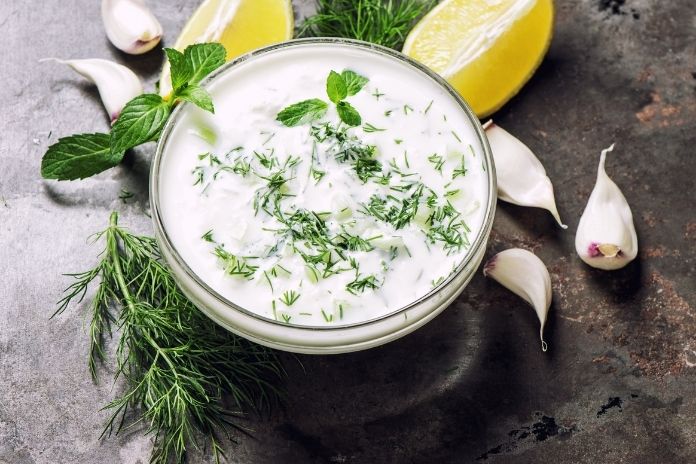
Canned tuna can be a nutritious, convenient protein source if you make mindful choices. By selecting the right type, moderating sodium, and pairing it with balanced ingredients, you can enjoy tuna regularly while minimizing potential downsides like mercury exposure and excess sodium. Here’s a practical guide to incorporating tuna safely and healthily:
- Choose the right tuna species and packing
- Prefer light tuna (skipjack) in water for lower mercury and fewer calories.
- Reserve albacore (white) tuna for occasional use (≤1 serving/week for pregnant women or children; adults can enjoy less frequently).
- Watch the sodium
- Opt for low-sodium or “no salt added” cans.
- Drain and rinse the tuna under running water to remove surface sodium if needed.
- Use smart recipes
- Replace mayo-heavy mixes with Greek yogurt, lemon, and herbs.
- Mix drained tuna with chopped vegetables, beans, or avocado for added fiber and healthy fats.
- If using oil-packed tuna, incorporate the oil as part of a dressing, but remember it adds calories.
- Balance your plate
- Pair tuna with whole grains (brown rice, quinoa), legumes, and vegetables to turn it into a complete, fiber-rich meal.
- Buy sustainably if possible
- Choose brands with pole-and-line catch methods, MSC certification, or transparent sourcing.
- Check resources like Seafood Watch for guidance on sustainable options.
- Special populations
- Pregnant and breastfeeding women: Stick to low-mercury light tuna and follow FDA/EPA limits (8–12 ounces per week; limit albacore).
- Children: Adjust servings based on age and weight; avoid making high-mercury fish a staple.
Read More: 6 Types of Fish That Naturally Boost Your Vitamin D Levels
Key Takeaway
Yes, canned tuna can be healthy. It’s a low-cost, high-quality protein source that provides meaningful omega-3s, B vitamins, and selenium. For most adults, light canned tuna (water-packed) is a sensible, regular choice as part of the recommended two seafood servings per week.
However, mercury is the real tradeoff. Albacore (white) tuna typically contains roughly three times the mercury of light tuna, so limit albacore intake and prioritize light tuna or other low-mercury fish (salmon, sardines, trout) if you want to eat seafood frequently. Follow FDA/EPA guidance for pregnant people and children.
FAQs About Canned Tuna
Is canned tuna good for weight loss? Yes. Water-packed light tuna is low in calories and high in protein, which supports satiety and lean mass retention when you’re in a calorie deficit. Use it in salads, wraps, and grain bowls instead of mayo-heavy preparations for the best results.
How often can you safely eat canned tuna? For most adults: 2–3 servings a week of low-mercury fish (including canned light tuna) supports omega-3 intake and fits Dietary Guidelines. For albacore (white) tuna, experts suggest limiting to about one 4-ounce serving per week for pregnant/breastfeeding women and to be mindful of cumulative mercury exposure for others. Always follow local public-health guidance if it differs.
Which is healthier: tuna in oil or tuna in water? Nutritionally, water-packed tuna is leaner (fewer calories and less fat). Oil-packed tastes richer and contains more calories; it isn’t “unhealthy” if used thoughtfully (for example, use the oil in a dressing). For daily calorie control and maximum protein per calorie, choose water-packed.
Is canned tuna high in mercury? It can be, depending on the species. Canned light tuna (skipjack) is considered low-to-moderate in mercury; canned albacore has higher mercury on average. The FDA’s monitoring data show a mean mercury around ~0.13 ppm for canned light and ~0.35 ppm for canned albacore. Follow guidance on serving frequency.
Is canned tuna a good source of omega-3s? Yes, it supplies EPA and DHA, though amounts vary: light tuna typically provides ~0.2–0.5 g per 3-oz serving, while albacore can provide more (up to ~0.8 g or so). If you want high omega-3 intake, fatty fish such as salmon, mackerel, and sardines give higher levels per serving.
Can pregnant women eat canned tuna? Yes, but with caution. The FDA/EPA recommends pregnant and breastfeeding women eat 8–12 ounces per week of a variety of low-mercury seafood; limit albacore to one 4-ounce serving per week because it contains more mercury. The benefits of seafood (omega-3s for fetal brain development) are considered important, which is why guidance favors lower-mercury options rather than total avoidance.
References
- https://www.gaictech.com/en/blog/canned-tuna-process-machinery
- https://medwinpublishers.com/FSNT/production-of-canned-tuna-using-local-tuna-species.pdf
- https://www.levapack.com/different-types-of-canned-tuna
- https://www.bumblebee.com/seafood-school/tuna-101/tuna-processing
- https://fvtm.stafpu.bu.edu.eg/Food%20control/1025/crs-18524/canned%20tuna.pdf
- https://www.tandfonline.com/doi/full/10.1080/10942910902738939
- https://www.chhs.colostate.edu/fsi/food-articles/shellfish-and-seafood/canned-tuna
- https://www.sciencedirect.com/science/article/abs/pii/S0956053X17304518
- https://www.mdpi.com/2304-8158/14/1/99
- https://www.foodresearchjournal.com/article/190/6-1-15-987.pdf
- https://www.researchgate.net/publication/365262328_Production_of_Canned_Tuna_using_Local_Tuna_Species
- https://pmc.ncbi.nlm.nih.gov/articles/PMC10261819
- https://ift.onlinelibrary.wiley.com/doi/abs/10.1111/j.1365-2621.1977.tb12558.x
- https://www.sciencedirect.com/science/article/abs/pii/S0308597X2200063X
- https://spo.nmfs.noaa.gov/sites/default/files/pdf-content/mfr833-41.pdf
- https://www.frdc.com.au/sites/default/files/products
- https://www.mdpi.com/1420-3049/26/4/1137
- https://en.wikipedia.org/wiki/Canned_fish
- https://www.futuremarketinsights.com/reports/europe-canned-tuna-market
- https://www.sandstonethailand.com/type-of-canned-tuna-in-brine-in-oil-sandstoenthailand
- https://planettuna.com/en/canned-tuna-i-whats-in-the-can
- https://ift.onlinelibrary.wiley.com/doi/abs/10.1111/j.1365-2621.1977.tb12558.x
- https://irispublishers.com/gjnfs/pdf/GJNFS.MS.ID.000553.pdf
- https://cannedfish.com/how-canned-tuna-is-made
- https://www.precedenceresearch.com/canned-tuna-market
- https://openknowledge.fao.org/server/api/core/bitstreams/0857e97e-03f0-4ddd-addb-2d858bf92403/content
- https://pmc.ncbi.nlm.nih.gov/articles/PMC7511825/
- https://www.researchgate.net/publication/229980633_Hydrogen_sulfide_production_by_heating_tuna_meat
- https://www.quora.com/The-tuna-that-can-be-bought-in-a-can-in-oil-or-spring-water-what-has-happened-to-it-in-its-processing-or-is-it-raw
- https://planettuna.com/en/canned-tuna-ii-the-journey-of-a-can/
- https://www.canada.ca/en/health-canada/services/food-nutrition/food-safety/chemical-contaminants/environmental-contaminants/mercury/mercury-fish-questions-answers.html
- https://medwinpublishers.com/article-description.php
In this Article