













Many of you will be surprised to know that body toning isn’t so much about hours at the gym. Diet also plays an equally crucial role. You can do all the squats, planks, and push-ups that you can, but if you don’t have good nutrition, the lean muscle you create will be hidden under fat or water weight. Nutrition is a key component of body recomposition, aiding in the loss of fat while you maintain and gain muscle, which creates that toned, sculpted look.
Eating to achieve a toned body is not about restriction or missing meals; it’s about fueling your body in the right way. With the correct balance of protein, carbohydrates, fats, and micronutrients, you can drive optimal recovery, promote workout performance, and unveil the definition you’ve earned. This write-up describes how to build your meals, what nutrients you need, and which foods support or sabotage your progress.
The Connection Between Food, Fat Loss, and Muscle Tone
Your body is like a sculpture. This means that exercise shapes it, but it’s the diet that ultimately determines how clearly your muscles show. Getting a toned body takes a balance; you have to have a small calorie deficit to lose fat, but enough nutrients to preserve or increase lean muscle. Cutting too many calories can backfire, leading to the loss of muscle, metabolism slowdown, and you become weak instead of gaining a toned body.
Protein is necessary for the repair of microtears in muscles due to exercise, and carbohydrate supplies the energy required to perform exercises effectively. Fats help regulate hormones necessary for the metabolism of fats and building muscles.
Micronutrients such as magnesium, iron, and vitamin D help in recovery, improve energy usage, and maintain muscular function. Meal timing also plays a role, as consuming protein throughout the day and pairing it with complex carbs around workouts ensures your muscles are fed when they need it most.
Put simply, your diet decides how visible your workout results will be. The right foods accelerate fat loss, support recovery, and help your muscles look full and defined.
Macronutrients That Support Body Toning
1. Protein — The Muscle Sculptor
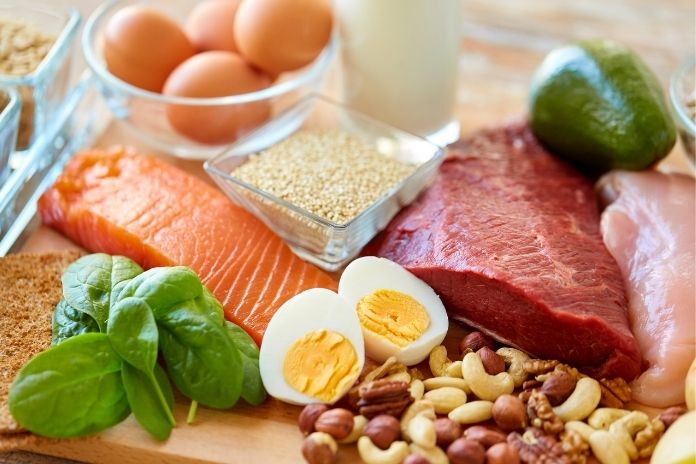
Protein is the building block of muscle repair and growth. You cause small microtears in your muscles each time you exercise. Protein repairs these tears, strengthening and defining muscles.
Ideally, we need 1.2–2.0 g per kg of protein per body weight per day, based on activity level. This keeps your muscles supplied with enough building blocks to recover and grow, without giving them more than they need, which would get stored as fat.
Best foods: Eggs, chicken, fish, Greek yogurt, lentils, tofu. These foods give you a combination of amino acids that are important for repairing muscles and feeling full.
Tip: Try to eat protein with all your meals and after workouts to maximize recovery. Forgetting protein after a workout can hinder muscle repair and leave you feeling tired.
2. Carbohydrates — The Energy Source
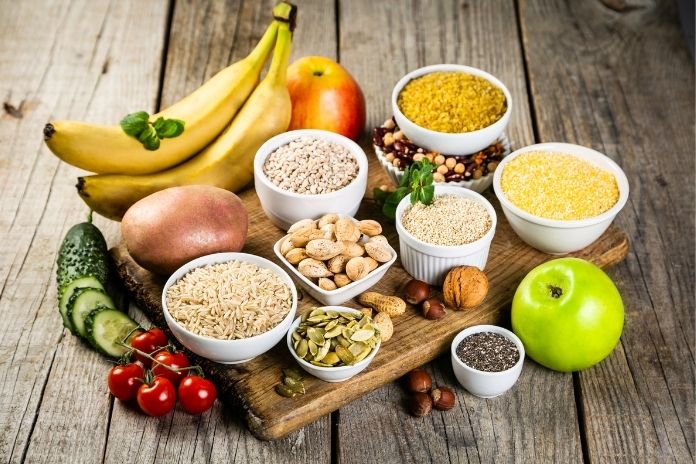
Carbs aren’t your enemy, they’re the gas that drives your workouts. Without them, your fuel levels dwindle, performance declines, and your body begins to break down muscle for fuel.
Good choices: Oats, quinoa, sweet potatoes, brown rice, and fruits are a few of the slow-digesting complex carbs that give you a long-lasting energy boost and avoid blood sugar spikes.
Tip: Combine carbs with protein for better recovery and long-term energy. Cutting out carbs altogether leaves your muscles flat and diminishes overall performance.
3. Healthy Fats — The Hormone Balancers
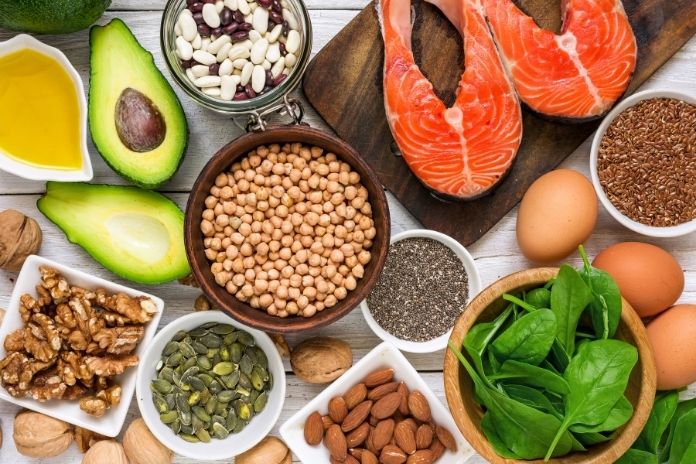
Fats control hormones that promote muscle growth, improve fat metabolism, and aid in the absorption of vital vitamins. Adding healthy fats to your diet guarantees that your body recovers effectively and supports maximum energy levels.
- Good sources include olive oil, avocado, nuts, seeds, and fatty fish. These fats are anti-inflammatory and healthy for the joints, a necessity for regular workouts.
- It is recommended to limit fats to about 25–30% of daily calories. Inadequate fat impacts hormone production, and excessive amounts can lead to fat storage.
Micronutrients That Support Muscle Toning
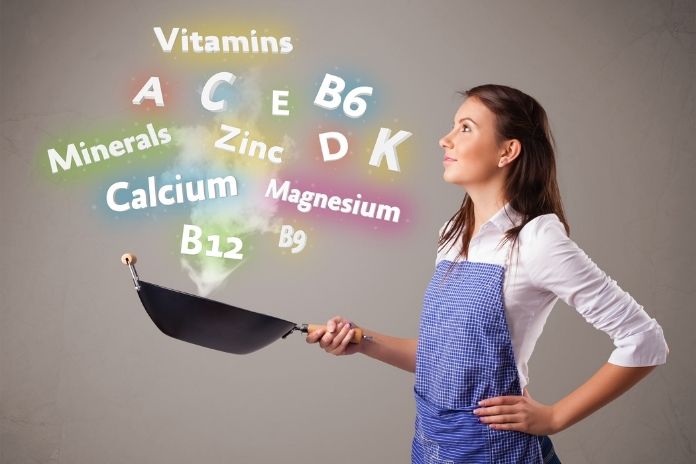
Micronutrients tend to get taken for granted, but are essential for energy, recovery, and muscle function:
- Magnesium: Helps in the relaxation of muscles and encourages quality sleep, critical for recovery.
- Iron: Promotes the delivery of oxygen to muscles, enhancing endurance and preventing fatigue.
- Vitamin D: Crucial for proper muscle function and bone health, inhibiting injuries that can stagnate the toning process.
- B Vitamins: Help in converting food into usable energy for exercise and daily activities.
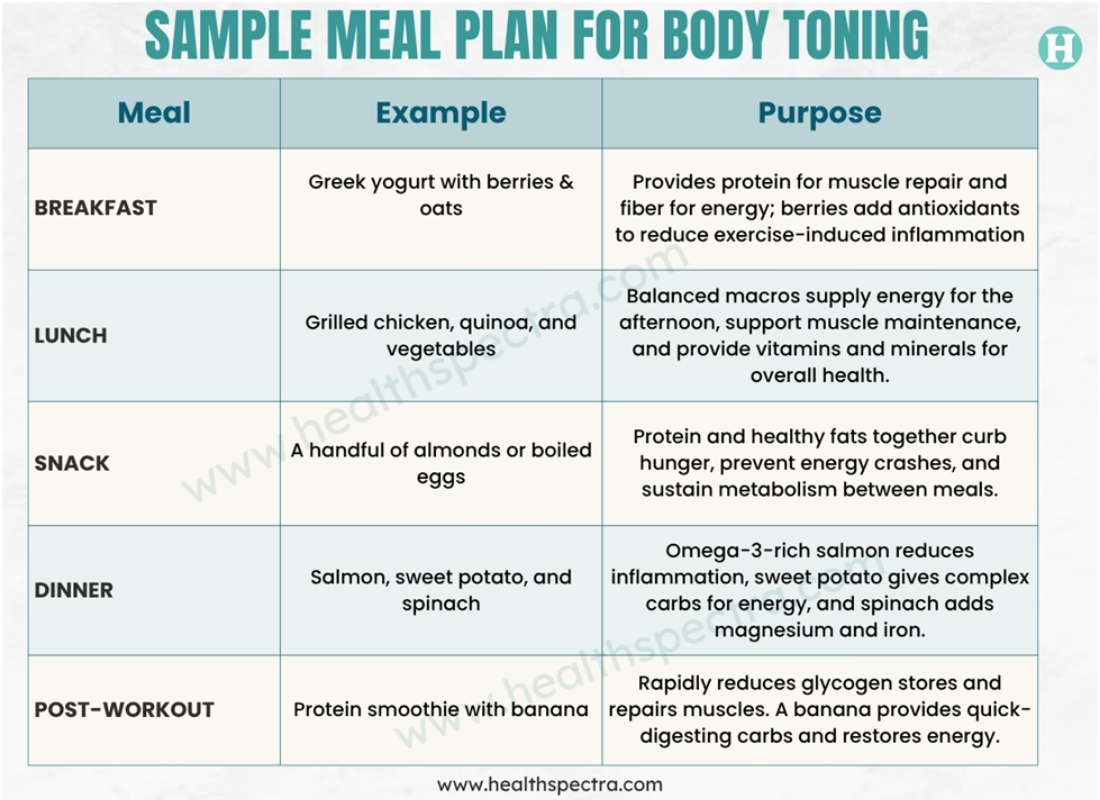 One tip that I swear by is diversifying through vegetables, fruits, nuts, and whole grains. Doing this provides you with the right nutrients without the need for supplements.
Foods That Make You Leaner and Toned
Nutrient selection is important for fat loss and to define muscles. Here’s what you can include:
- Lean proteins comprise chicken, fish, eggs, tofu, and paneer. These help build and repair muscles without overloading calories.
- High-fiber carbs are oats, quinoa, sweet potatoes, vegetables, and legumes. Fiber delays digestion, maintains blood sugar stability, and provides sustained energy.
- Healthy fats include avocado, nuts, seeds, olive oil, and fatty fish. They support hormone balance and anti-inflammation, facilitating recovery and muscle bulk.
- Hydrating foods are watermelon, cucumber, citrus, and coconut water. Hydration prevents muscle fatigue and supports metabolism.
- Antioxidant-rich foods include berries, kiwi, leafy greens, and bell peppers. They prevent exercise-induced inflammation and accelerate recovery, creating a lean look.
By pairing these foods, you feed muscles, hold onto energy, and boost fat loss without feeling deprived.
Foods to Limit During Toning
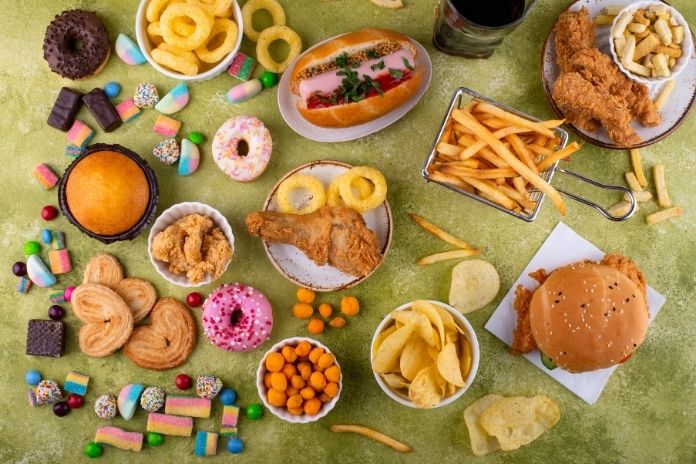
Some foods might affect your toning efforts negatively. These include:
- Sugary beverages & alcohol contribute empty calories that can cause fat storage and hinder recovery.
- Fried & processed treats that are full of unhealthy fats and sodium, can cause inflammation and bloating.
- Refined carbohydrates such as white bread, pastries, and sweet breakfast cereals raise insulin and lead to fat storage.
- “Fat-free” packaged foods typically hide sugars that cancel out calorie gains.
- Excess sodium & processed meats cause water retention, obscuring muscle definition.
Restricting these foods enables your muscles to look fuller, leaner, and more defined in the long run.
Timing and Portion Control
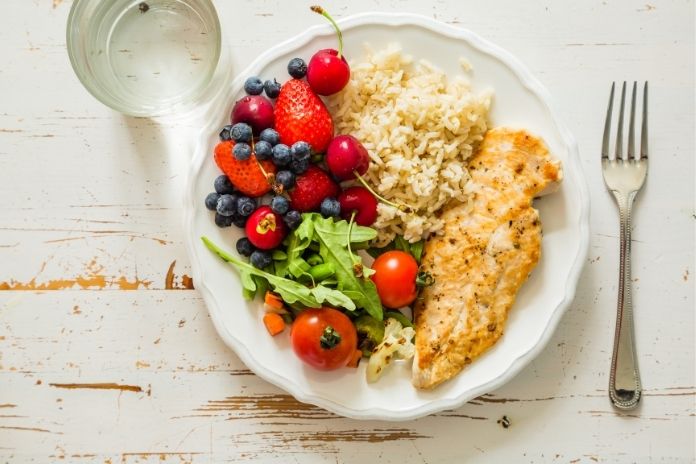
Timing of meals is as important as selecting the right foods:
- Maintain A Gap: Consume every 3–4 hours to keep metabolism and energy in check.
- Pre-Workout: A mix of carbs and protein (such as a banana with peanut butter) powers your workout without being heavy.
- Post-Workout: Foods high in protein paired with carbs deliver maximum muscle repair and glycogen replenishment.
- Skip Late-Night Munching: Your digestive system slows down at night, and calories get stored as fat.
Portion control helps you eat enough to fuel your muscles without overdoing it and undermining your toning goals.
Hydration — The Neglected Key to Muscle Tone
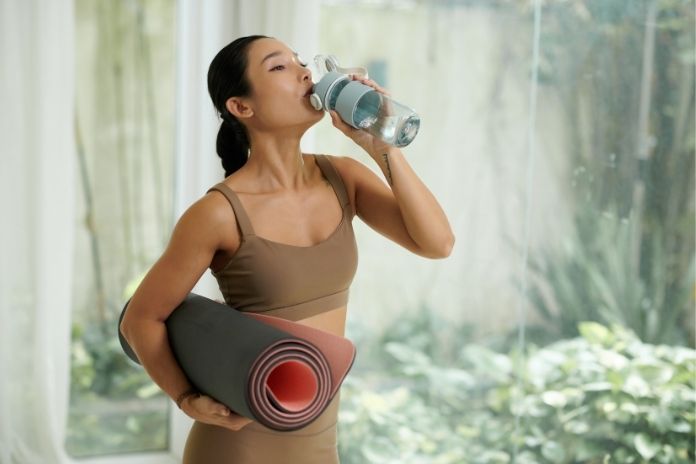
Hydration has an impact on muscle fullness, recovery, and metabolism. Mild dehydration can cause muscles to look flat and impair workout performance.
- Aim for a daily target of 3-4 liters of water, more during excessive sweating (during exercise or a hot climate).
- Include hydrating foods such as watermelon, cucumber, citrus fruits, and coconut water to give fluids and electrolytes.
Good hydration maintains muscles that look full, prevents fatigue, and sustains all metabolic processes required for toning.
Key Takeaway
Muscle tone isn’t only created in the gym; it is right on your plate. Focus on protein for building muscle, complex carbs for fuel, healthy fats for hormonal balance, and colorful fruits and vegetables for recovery. Pair this with good hydration, eating timing, and regular exercise, and your body will finally reflect the lean, defined lines you’ve been striving for.
So the next time you think that just sweating out at the gym is enough, think twice. Half of the magic is in your kitchen. Enjoy nutritious meals and tone the body at the same time with the above tips!
FAQs About Diet and Body Toning
- How much protein do I need?
1.2–2.0 g per kg of body weight per day maintains lean muscle repair and promotes recovery.
- Do I have to cut carbs to tone?
No. You can emphasize complex carbs and portion them, over avoiding them altogether.
- What should I eat to lose fat but maintain muscle?
A high-protein, moderate-carb, moderate-fat diet with a minimal calorie deficit is ideal.
- Do I need to consume protein shakes if I don’t exercise?
Shakes can contribute towards protein needs, but are not necessary if whole food consumption is adequate.
- How long does it take to get results?
Visually, most people see noticeable muscle definition in 6–12 weeks with regular nutrition and training.
References
- https://www.ncbi.nlm.nih.gov/books/NBK236237/
- https://www.bodyspec.com/blog/post/the_role_of_antioxidants_in_recovery
- https://www.potsandpans.in/blogs/articles/complex-carbohydrates-and-sustained-energy-unveiling-the-connection
- https://www.bodyspec.com/blog/post/the_role_of_antioxidants_in_recovery
- https://www.anytimefitness.co.in/how-much-protein-is-required-to-eat-per-day-for-muscle-building
In this Article