













So your doctor said, “We’ll do a stress test.” And now you’re Googling what you can eat before a stress test, what to wear, what not to do, and whether you can sneak in your morning coffee.
Relax. It’s not as stressful as the name sounds.
Before we go into the dos and don’ts, let’s first clarify what exactly this test is and why preparing right matters.
Why Preparation Matters
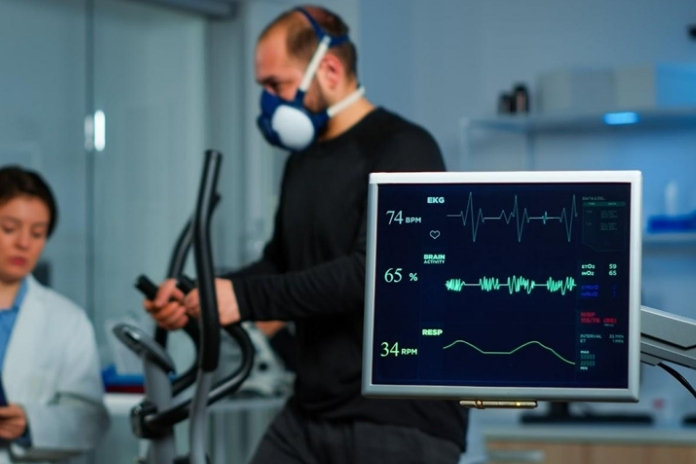
A stress test (or cardiac stress test) checks how your heart behaves when it’s under pressure – usually physical exertion, like walking or running on a treadmill. Sometimes, if you can’t exercise, the doctor gives a medication that mimics that same stress on the heart (called a pharmacologic or nuclear stress test).
Now, here’s where most people go wrong – they treat it like a normal hospital visit. But this test is sensitive.
What you eat, drink, smoke, or even wear can change your heart rate, blood flow, or test readings.
And if the readings get mixed up because of caffeine, nicotine, or a heavy breakfast, it can lead to wrong interpretations.
So yes, a bit of preparation goes a long way toward getting an accurate result and keeping you safe during the test.
Read More: How Chronic Stress Shrinks Your Brain (and What to Do About It)
What Happens During a Stress Test
There are mainly two types of cardiac stress tests:
- Exercise stress test: You’ll walk on a treadmill or pedal a stationary bike while your heart rate, blood pressure, and oxygen levels are recorded.
- Nuclear or chemical stress test: A medicine is given to make your heart act as if you’re exercising. Sometimes a small tracer (radioactive dye) is injected into your body to take images of the blood flow.
- Pharmacological stress test: Uses medications (e.g., dobutamine) to simulate exercise if you can’t physically do it.
Now, not everyone gets the same test. According to Dr. Kathleen Stergiopoulos, a cardiologist with Catholic Health, “the type of stress test you need depends on your individual health needs.”
The purpose? To see if your heart is getting enough oxygen and if any arteries are blocked. As Dr. Karthikeyan Ananth, a heart specialist, explains, stress tests are designed to detect potential restrictions in blood flow to the heart – often caused by blockages in the vessels that supply it.
In simple words, it’s like a mini-audit of your heart’s performance under pressure.
What Not to Do Before a Stress Test
Here comes the main part – the “things to avoid before stress test” list that your doctor probably mentioned briefly, but you want it clear and practical.
1. Don’t Eat a Heavy Meal

You remember that sleepy or bloated feeling after a fatty-heavy meal? That’s exactly what you would never want during a test where you might need to run on a treadmill.
- Eat something light 2–3 hours before, if your doctor allows.
- Avoid oily, fried, or spicy food – they can mess with your comfort and even cause nausea when your heart rate goes up.
- But if you’re taking diabetes medications, then be sure to never skip your meals.
- If fasting is instructed, don’t panic. It’s only to keep your readings correct, never to starve you.
- Drink enough water to avoid discomfort, but never overdo it just before the test.
- Never eat or drink anything new on test day – stick to what your body always handles well.
A full stomach makes the blood flow toward digestive organs, not your muscles – which confuses the test readings.
And if you feel lightheaded or dizzy, inform the medical staff immediately – they’re there to help.
2. Don’t Consume Caffeine or Energy Drinks
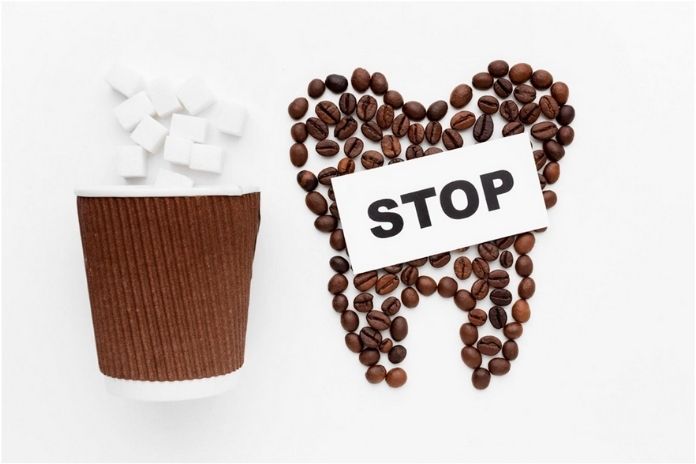
Yes, this includes your morning tea, coffee, Coke, green tea, pre-workout drink, or even those painkillers that contain caffeine.
Caffeine boosts your heart rate and can directly interfere with certain medications used during nuclear stress tests.
- No caffeine for 24 hours before the test.
- Read labels – some “decaf” coffee still has a bit of caffeine.
- Watch out for chocolate or energy bars too, as they can contain caffeine you might not be aware of.
- Some cold medicines and supplements also contain caffeine, so it’s good to be careful.
- If you’re not sure whether something has caffeine, it’s best to avoid it before the test.
In simple terms, the test is meant to see how your heart behaves, not how your coffee behaves.
3. Don’t Smoke or Vape
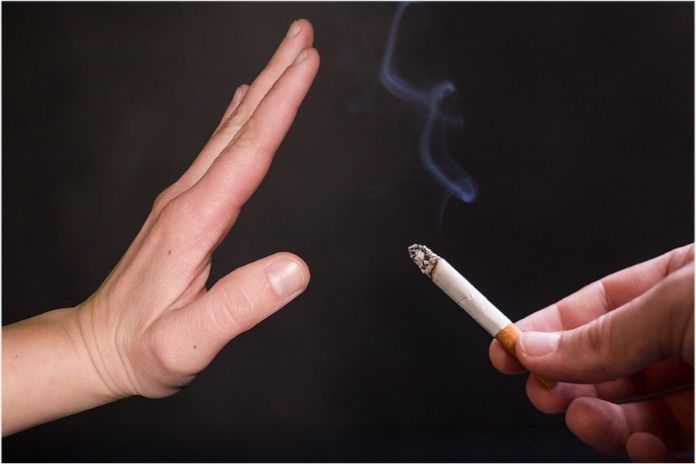
Nicotine is like caffeine’s louder cousin – it raises heart rate and blood pressure instantly.
Even if it feels like “just one puff” won’t make a difference, it actually does.
- Try not to smoke or vape for at least 24 hours before your test.
- The effects can stick around longer than you might think.
- Plus, smoking right before can cause dizziness or chest tightness while on the treadmill.
If you’re struggling to avoid smoking, tell the technician honestly – they can note it in your chart. Honesty helps accuracy here.
4. Don’t Take Certain Medications (Unless Doctor Approves)
This is very important – don’t stop any medications on your own.
Some medicines affect how your heart rate responds to exercise, so the doctor might tell you to skip one or two doses – but only after checking your case.
Common examples:
- Beta-blockers: They slow your heart down, so during the test, it might not speed up like it’s supposed to.
- Calcium Channel Blockers: These relax your blood vessels and lower your heart rate, too. So yes, it can mess with the results a bit.
- Nitrates: Widen blood vessels and make the heart work more easily, masking how hard your heart is really working.
- Some Asthma Inhalers: These can speed up your heart, making it seem like your heart is working harder than it really is.
Why it matters: these can blunt your heart’s natural response, giving the false impression that your heart is fine – or too weak – when it’s not. So discuss this part with your cardiologist or technician well before the test day.
5. Don’t Wear Tight or Inappropriate Clothing
You’d be surprised to know that many people come in jeans and loafers for the stress test, then struggle to walk comfortably.
- Wear loose, breathable clothes – just like what you’d wear for a brisk walk.
- Opt for shorts or trousers; they’re usually better than a dress because they offer more freedom of movement.
- Good walking shoes are a must.
- Avoid sandals, heels, or formal shoes.
Also, if you’re doing a nuclear test, you may need to lie down and remain still for scans – so comfort really matters.
6. Don’t Arrive Dehydrated or Exhausted
Some people skip water because they think they’re “supposed to fast.” That’s not true.
Unless told otherwise, drink water before the test – your veins and blood pressure will thank you.
Also:
- Sleep peacefully the night before the test.
- Avoid late-night workouts or emotional stress.
Fatigue can mimic heart issues, making test results harder to interpret.
If you have weakness, dizziness, or did not sleep well, mention it to the healthcare provider before starting. They may postpone this test rather than risk inaccurate results.
Read More: 7 Cardio Kickboxing Workouts for Stress Relief and Calorie Burn
Additional Pre-Test Instructions
A few small but important details often ignored are:
1. Fasting Guidelines
Some types of stress tests require you to fast for about 3–4 hours. Don’t overdo it – fasting longer than instructed can make you dizzy.
2. Bring Your Medication List
Make a written list (or photo on phone) of everything you take – even herbal supplements, painkillers, and inhalers. Doctors cross-check for anything that could interfere with your heart rate or tracer imaging.
3. Skip Lotions or Oils on the Chest Area
Make sure your chest is clean and dry your chest before electrode placement. Don’t apply lotions, body oils, or talcum powder – they can make the electrodes slip and also mess with readings.
Read More: This One Nighttime Habit Changed My Sleep and My Stress
What to Expect After the Test
After the stress test, people often get surprised by how normal they feel. You can usually:
- Eat right after (unless the doctor says otherwise).
- Resume your regular medicines.
- Expect mild fatigue or muscle soreness – nothing major.
If it were a chemical stress test, you might feel a brief flush or warmth, which passes quickly.
Your cardiologist will discuss the results – sometimes immediately, sometimes after reviewing imaging.
Read More: 6 Unconventional Stress-Relief Techniques You Haven’t Tried Yet
Key Takeaway
The stress test isn’t a scary event. It’s simply your heart’s performance review.
What matters most is how clean your “stress test preparation” is – no caffeine, no smoking, light food, proper hydration, and clear communication about stress test medications guidelines.
The goal is not to impress the treadmill but to help your doctor see your real heart condition clearly.
Follow the instructions for the cardiac stress test, show up relaxed, and you’ve already done half the work right.

References
- MedlinePlus. (2022, December 15). Stress tests. U.S. National Library of Medicine.
- Chen, M. A. (2025, July 1). Exercise stress test [Reviewed by D. C. Dugdale]. MedlinePlus Medical Encyclopedia. U.S. National Library of Medicine.
- Canberra Health Services. (2022, June). Exercise stress test [Patient information brochure]. Australian Capital Territory Government.
- Cleveland Clinic. (2022, January 17). Exercise stress test.
- Mayo Clinic. (2009, July). [Mayo Clinic Women’s HealthSource, MC2493-0709] [Newsletter PDF]. Mayo Foundation for Medical Education and Research.
In this Article