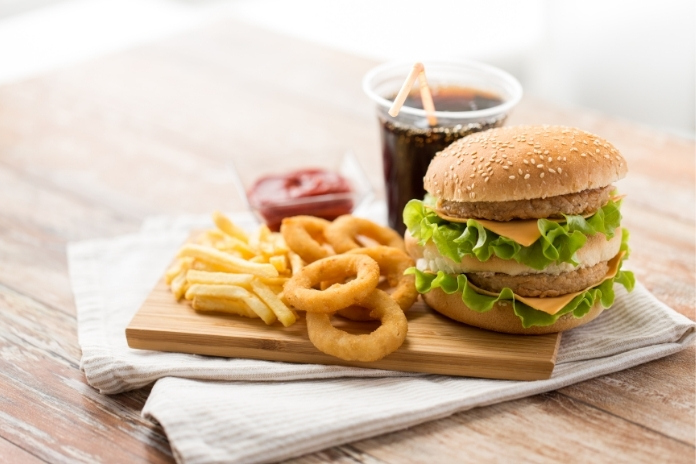
From chips and soda to frozen dinners and flavored yogurts, ultra-processed foods (UPFs) have become a staple in most modern diets. They’re convenient, cheap, and engineered to taste great, but they’re also often packed with added sugars, refined starches, seed oils, and preservatives that your body doesn’t exactly love.
Over time, these foods can throw off hunger cues, gut health, and energy balance in ways most people don’t realize until they cut them out. That’s why the “no UPFs for 30 days” challenge has exploded in popularity. People who try it often report noticeable shifts within weeks, fewer cravings, steadier energy, better digestion, improved mood, and even clearer skin.
Longer term, studies consistently link diets high in ultra-processed foods with increased risks of obesity, metabolic syndrome, type 2 diabetes, heart disease, and even certain mental health issues like anxiety and depression.
In this article, we’ll break down what actually counts as an ultra-processed food, what happens inside your body when you stop eating them, and how those changes show up week by week. You’ll also get a look at the science behind these effects, real-world challenges you might face during the switch, and doctor-backed strategies to make the transition sustainable, not just for 30 days, but for good.
What Counts as “Ultra-Processed Food”?

The most widely used definition comes from the NOVA – a food classification system developed by researchers at the University of São Paulo in Brazil that classifies food based on how much processing they’ve undergone.
According to the NOVA classification, UPFs are industrial formulations made mostly from substances extracted from foods (oils, starches, sugar), plus additives (emulsifiers, flavors, colorants) and “cosmetic” ingredients that make products hyper-palatable, shelf-stable, and cheap.
Examples: sugary drinks, many packaged snacks and cereals, instant noodles, reconstituted meats (hot dogs, some deli meats), and many frozen ready meals. NOVA intentionally separates processing from nutrient content; some fortified UPFs can contain vitamins yet still be classed as ultra-processed.
“The purpose of many ultra-processed foods is not just preservation, it’s to be convenient, inexpensive, and engineered to be eaten in large amounts,” says Carlos A. Monteiro, one of NOVA’s developers.
Read More: What Happens to Your Gut When You Eat Processed Foods Daily?
Week-by-Week: Realistic Changes You Might Feel

Cutting out ultra-processed foods (UPFs) isn’t just about changing what’s on your plate; it changes how your body feels, reacts, and even thinks. The adjustment can be surprisingly physical at first: cravings, mood swings, energy dips. But over a few weeks, most people notice real shifts in digestion, focus, and appetite.
Here’s a realistic look at how those changes often unfold week by week, based on research and clinical observations.
Week 1 – cravings, headaches, irritability (expect a bumpy start)
Giving up UPFs often triggers intense cravings for sugar, salt, and familiar textures. Many people report headaches, low mood, or irritability in the first 3–7 days, partly behavioral (fewer quick snacks available), partly physiological, as highly refined carbs and artificial sweeteners leave the system.
Lab studies show UPFs tend to be eaten faster and in larger amounts because they’re engineered to encourage over-consumption, so removing them often feels like a sudden calorie drop. Be prepared: cravings are real, but short-lived for most people.
Week 2 – digestion and energy begin to settle
By the second week, many people notice less bloating and steadier energy. That’s often because whole foods are higher in fiber and water and result in slower glucose absorption; removing additives (some emulsifiers and artificial sweeteners) may also relieve low-grade gut irritation in people who are sensitive.
Clinical trials show calorie intake and weight can change within two weeks when people switch from UPF-heavy diets to unprocessed diets.
Week 3 – clearer thinking and improved mood for some
There’s growing population-level evidence linking high UPF intake with worse mood and higher risk of depressive symptoms; conversely, people who reduce UPFs sometimes report better concentration and mood within weeks.
Mechanisms may include more stable blood sugar, reduced systemic inflammation, and changes in the gut–brain axis. That said, mental-health responses vary. If you have a mood disorder, keep your clinician in the loop.
Week 4 – steady energy, smaller appetite, possible weight change
By day 30, many report fewer cravings, steadier energy, and modest weight loss. The landmark controlled feeding study at the NIH found participants eating ultra-processed diets consumed ~500 more calories per day and gained weight in two weeks vs. unprocessed diets, so the reverse (removing UPFs) commonly reduces overeating and leads to small, early weight changes.
The Science: Why These Changes Happen
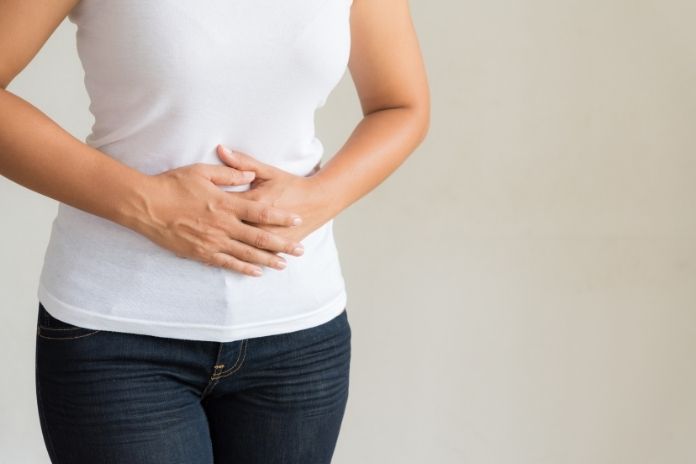
Feeling better after cutting out ultra-processed foods isn’t just in your head. There’s real biology behind it. When you replace UPFs with whole, minimally processed foods, your body starts operating with less inflammation, more stable blood sugar, and a healthier gut environment. These shifts ripple through everything from mood to metabolism.
Here’s a closer look at what’s happening under the surface.
Reduced inflammation and oxidative stress
Higher UPF intake is associated in many studies with higher levels of low-grade inflammatory markers (for example, C-reactive protein). While the evidence is still evolving, reviews conclude that replacing UPFs with whole foods tends to lower inflammatory load over time, which helps joints, skin, and cardiovascular risk.
Expect modest improvements in inflammatory markers if you maintain the change beyond 30 days.
Gut microbiome and additives
Some common UPF additives, emulsifiers, and certain non-caloric sweeteners alter the gut microbiome in animal studies and some human research, and have been linked to metabolic effects (insulin resistance, low-grade inflammation).
Cutting UPFs removes many of these exposures and gives fiber-feeding bacteria a better environment, which can improve digestion and even mood through the gut–brain axis. Human evidence is still developing, but animal and experimental human studies point to plausible short-term benefits.
Better blood-sugar control and insulin sensitivity
UPFs are often high in refined carbs and low in fiber, which causes sharp glucose spikes and insulin demand. Multiple observational and meta-analytic studies link higher UPF intake with a higher risk of type 2 diabetes; switching to less-processed foods stabilizes blood sugar, reduces spikes, and improves insulin sensitivity, changes you can feel as fewer energy crashes.
Mental and emotional benefits
Several cohort studies have found that higher UPF intake predicts a greater risk of depression; randomized trials are limited, but several intervention studies report mood improvements when people eat fewer UPFs and more whole foods. The mechanisms are likely multi-factorial: nutrient density (B vitamins, omega-3s), less inflammation, and steadier glucose.
Challenges You’ll Face, and How to Handle Them
Quitting UPFs is simple in idea but tricky in practice. Common obstacles: convenience (UPFs are everywhere), social eating, cost concerns, and hidden ingredients (many packaged “health” bars are still UPFs).
Practical fixes: meal-prep once or twice weekly, keep simple whole-food snacks on hand (nuts, fruit, plain yogurt), read ingredient lists (avoid long lists of chemical additives), and use a buffer strategy, aiming to reduce UPFs by 50% first if going cold turkey feels impossible. Behavior-change support (groups, dietitian coaching) also helps sustain results.
Read More: Why Ultra-Processed Foods Are Being Called ‘The Cigarettes of the Future
Doctor-Approved Tips to Make It Work (From the Evidence)
Quitting ultra-processed foods isn’t about perfection; it’s about making everyday choices a little simpler and smarter. Most people relapse because they cut too much too fast or don’t have real-food replacements ready. The good news is, research and clinical experience point to a few practical habits that make this switch sustainable, not stressful.
- Plan simple meals: A mix of protein, vegetables, and whole grains at each meal keeps blood sugar steady and reduces the lure of packaged convenience.
- Shop the perimeter: Grocery store perimeters, produce, fresh meat/fish, dairy, and whole grains naturally hold fewer additives than center-aisle packaged items.
- Use the lowest processing you can: Not all processing is bad. Canned beans, frozen vegetables, and plain yogurt are still nutrient-dense; it’s the long ingredient lists and synthetic additives you want to avoid.
- Replace, don’t just eliminate: Stock up on portable, whole-food snacks like fruit, boiled eggs, or nuts so you’re not reaching for chips or candy when hunger hits.
- Get help if you need it: A registered dietitian can help you tailor the change to your lifestyle and ensure you’re still meeting nutrient needs while cutting out UPFs.
As Kevin D. Hall, lead author of the landmark NIH randomized feeding trial, explains: “This is the first study to demonstrate causality, that ultra-processed foods cause people to eat too many calories and gain weight.” His team’s tightly controlled trial showed just how quickly calorie intake and weight shift when UPFs are removed.
FAQs
Can I still drink coffee or tea? Yes, plain coffee and tea are fine. Watch added sugars and flavored creamers, which are often ultra-processed.
Will I lose a lot of weight in 30 days? Some people lose modest weight (usually water + calorie reduction), but the main benefits are steadier energy, less bloating, and better appetite control. Sustained weight loss depends on long-term calorie balance and activity.
Is “minimally processed” the same as UPF-free? No. Canned or frozen whole foods are often minimally processed and acceptable. Focus on ingredient lists and the purpose of processing.
Do additives like emulsifiers and sweeteners matter? Animal and some human studies suggest they can affect the microbiome and metabolism; avoiding frequent exposure by cutting UPFs reduces the chance of those effects. Evidence is still evolving.
Bottom Line
Thirty days without ultra-processed foods is more than a nutrition trend; it’s a reset for your body and your habits. Most people who try it report fewer cravings, better digestion, steadier energy, and sometimes a gentle drop in weight.
The science backs much of what people feel: when you cut out UPFs, you cut down on refined sugars, fast-digesting starches, and synthetic additives that can spike blood sugar, strain the gut, and fuel low-grade inflammation.
Over time, replacing UPFs with real food, vegetables, fruits, legumes, whole grains, and lean proteins can improve insulin sensitivity, lower inflammatory markers, and even support mental well-being through a healthier gut–brain connection.
Controlled trials and long-term population studies consistently link high UPF consumption to higher risks of obesity, diabetes, heart disease, and depression. Reducing them isn’t just about calories; it’s about giving your body food it actually recognizes and can use efficiently.
If you take on a 30-day challenge, make it realistic: plan meals ahead, find simple substitutions, and don’t stress over the occasional processed shortcut. Small, consistent swaps matter more than extremes. And if you have diabetes, heart disease, or another chronic condition, talk to your healthcare provider before making big dietary changes.
As nutrition researcher Carlos Monteiro, the scientist who first defined “ultra-processed foods”, often reminds us, the issue isn’t just nutrients. It’s how food is designed, packaged, and marketed in ways that drive overconsumption. Understanding that difference is the first step toward taking back control of what you eat and how you feel.
References
- https://en.wikipedia.org/wiki/Ultra-processed_food
- https://www.heartandstroke.ca/articles/what-is-ultra-processed-food
- https://www.nhs.uk/live-well/eat-well/how-to-eat-a-balanced-diet/what-are-processed-foods/
- https://pmc.ncbi.nlm.nih.gov/articles/PMC6389637/
- https://www.health.harvard.edu/blog/what-are-ultra-processed-foods-and-are-they-bad-for-our-health-2020010918605
- https://www.goodrx.com/well-being/diet-nutrition/what-are-ultra-processed-foods
- https://www.bupa.co.uk/newsroom/ourviews/ultra-processed-foods
- https://www.mdpi.com/2071-1050/12/15/6280
- https://research.ucdavis.edu/ask-the-experts-ultra-processed-foods-and-how-do-they-impact-our-health/
- https://newsnetwork.mayoclinic.org/discussion/mayo-clinic-minute-what-are-ultraprocessed-foods-2/
- https://www.ahajournals.org/doi/10.1161/CIR.0000000000001365
- https://cdhf.ca/en/what-are-processed-and-ultra-processed-foods/
- https://www.today.com/health/diet-fitness/ultraprocessed-foods-list-rcna151464
- https://www.nutrition.org.uk/creating-a-healthy-diet/ultra-processed-foods/
In this Article