













Mold is more common than most people realize. It thrives anywhere moisture lingers, from a damp basement corner to the drywall behind a leaky pipe to the grout in a bathroom that never fully dries out. For some, exposure is just a nuisance that shows up as a runny nose, itchy eyes, or a bit of coughing. For others, especially with repeated or heavy exposure, it can spiral into more stubborn issues like chronic sinus trouble, wheezing, fatigue, or a general feeling of being unwell.
It’s no surprise, then, that people search for ways to “detox” after mold exposure. The tricky part is that there isn’t a miracle cleanse, supplement, or shortcut that can flush mold toxins out of your system overnight. What actually works is far more practical and evidence-based: first removing or reducing exposure, then treating the medical symptoms with proper care, and finally supporting your overall health while your body naturally clears what it can.
In this guide, I’ll walk you through what doctors and scientific research actually recommend, highlight which “detox” ideas are speculative or unproven, and outline safe, concrete steps you can take today to start feeling better.
How Mold Affects the Body
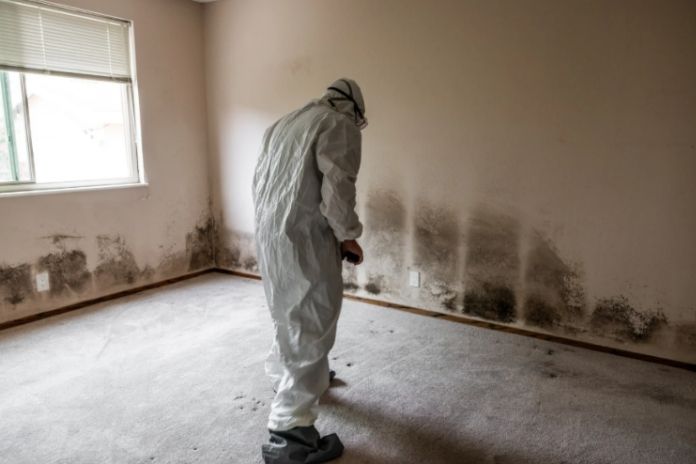
Mold exposure happens mainly through inhalation of spores, plus skin contact or, less commonly, ingestion (moldy food). Some molds produce mycotoxins, chemical byproducts that can be harmful if ingested in large amounts (for example, contaminated food).
More commonly, indoor mold causes allergic and irritant problems, sneezing, coughing, itchy eyes, nasal congestion, and worsening asthma. In people with weakened immune systems, certain molds can cause actual lung infections.
Mycotoxins can damage cells in lab and animal studies and are established foodborne toxins. But inhaled mycotoxins from ordinary damp indoor environments are not proven to cause systemic poisoning for most people; the best evidence ties damp indoor spaces to allergic and respiratory disease rather than a unique “toxic mold syndrome.” That nuance matters for setting realistic detox goals.
Signs You May Need a Mold-Focused Medical Evaluation
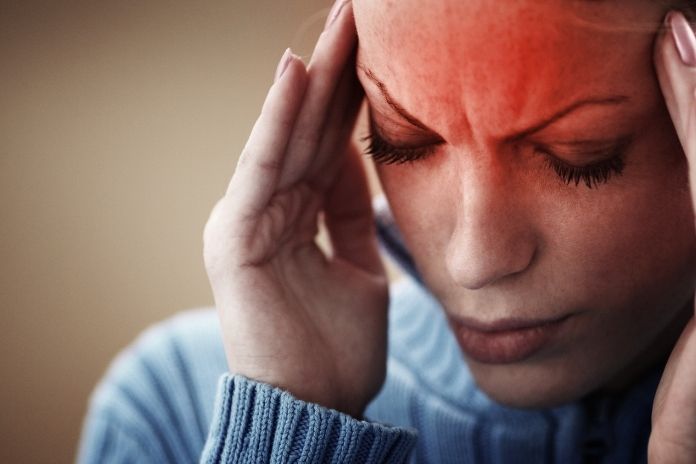
If you’ve had defined mold or water damage exposure and you notice persistent symptoms that start or worsen while you’re in that place, see a clinician. Common red flags to discuss with your doctor include:
- Persistent fatigue, headaches, or brain fog that improve away from home or work.
- Recurrent or worsening sinusitis, chronic cough, wheeze, or shortness of breath.
- Unexplained rash, persistent digestive upset, or signs of infection (fever, bloody cough).
If symptoms are severe, progressive, or affect young children, older adults, or immunocompromised people, get medical care promptly.
First and Most Important Step: Remove the Source
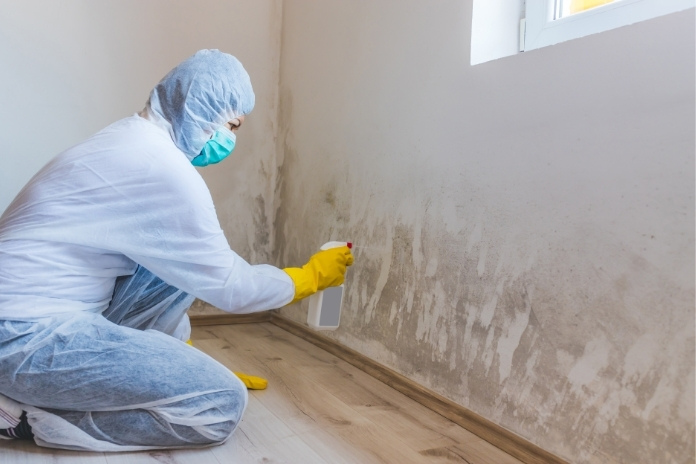
You can’t “detox” effectively while you’re still breathing the same moldy air. The U.S. EPA and public-health authorities emphasize fixing leaks, drying wet materials quickly, and hiring qualified remediation pros for anything beyond small, superficial patches.
As Cleveland Clinic pulmonologist Dr. Maeve MacMurdo, MD, puts it: “The sooner we can get the water damage cleared up and get the environment dry, the less risk there is of mold growing.” If remediation isn’t done, symptoms often return or don’t improve.
Practical steps: stop leaks, dry and discard porous materials (carpet, drywall, insulation) that were wet >24–48 hours, run dehumidifiers, improve ventilation, and use HEPA vacuuming for settled dust. For large contamination (>10 sq ft) or visible growth inside walls or HVAC systems, hire professionals.
Natural Ways to Support Mold Recovery (what actually helps)
Once the mold exposure is removed or reduced, the focus shifts to helping your body rebound. The truth is, your liver, kidneys, gut, and immune system already have built-in detox machinery. The goal is to support those systems rather than chase miracle cleanses.
Evidence-backed strategies mostly come down to practical lifestyle choices: eating in ways that reduce inflammation and boost detox pathways, staying hydrated and active, and using supplements selectively when there’s at least some biological plausibility. Here’s how the science and cautious clinical practice break it down.
A) Nutrition for detox support
There’s no single “anti-mold” diet pill, but eating to reduce inflammation and support detox pathways helps your liver and immune system do their jobs. Focus on:
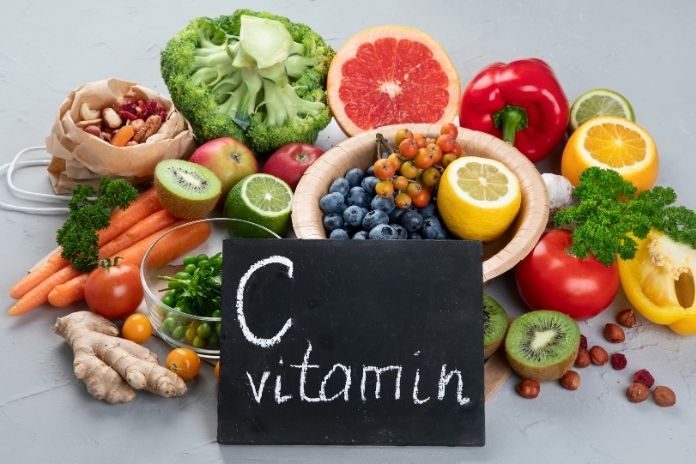
- Antioxidant-rich foods (vitamin C, colorful vegetables, berries) can help reduce oxidative stress.
- Cruciferous vegetables (broccoli, Brussels sprouts) and sulfur-containing foods (garlic, onion) support liver phase-II detox pathways.
- Anti-inflammatory spices such as ginger and turmeric may help relieve symptoms for some people.
- Avoid excess sugar and processed foods, which can worsen inflammation and feed fungal overgrowth in the gut for susceptible people.
Gastroenterologist Dr. Will Bulsiewicz highlights the importance of plant diversity for gut health: “The single greatest predictor of a healthy gut microbiome is the diversity of plants in one’s diet.” That diversity matters when you’re recovering because a healthy microbiome supports immune balance.
Read More: Cleanse Your Body Naturally: 6 Herbal Detox Supplements for Whole-body Cleansing
B) Hydration and controlled sweating
Staying well-hydrated supports the kidneys and liver, the organs that clear many metabolites. Some research suggests that sweating can increase excretion of certain environmental contaminants (for example, some persistent organic pollutants and metals), so sauna or robust exercise may be helpful as an adjunct for overall toxin burden, but evidence specifically showing sweat clears mycotoxins in people is limited. Use saunas and exercise carefully (monitor blood pressure, hydrate well).
C) Supplements and binders, cautious, evidence-based use
A few compounds are used clinically or experimentally to reduce the body burden of GI-available mycotoxins, but none are magic, and most should be used only under medical guidance:
- Activated charcoal/adsorbents. Charcoal and other sorbents bind many mycotoxins in laboratory and animal models and are widely used as mycotoxin “binders” in feed and food safety studies. Beware: binders are non-specific and can also reduce the absorption of nutrients and medications.
- Cholestyramine (prescription bile-acid resin). In animal studies and some clinical protocols, cholestyramine increases fecal excretion of certain mycotoxins by binding them in the gut. It’s a prescription medication with side effects (constipation, nutrient/drug interactions) and is used selectively, not as a routine “detox cure.”
- Glutathione and antioxidants. Laboratory data indicate that some mycotoxins deplete glutathione, and restoring antioxidant capacity makes biological sense. Small clinics use oral or intravenous glutathione (or precursors like N-acetylcysteine) for symptomatic support, but large randomized trials proving symptom reversal from this strategy are lacking. Treat these options as adjunctive and discuss with an informed physician.
- A healthy gut flora supports immune function and may assist in metabolizing or limiting absorption of toxins. Evidence for specific probiotic strains against mycotoxin effects is evolving and not definitive.
Bottom line on supplements: Some binders and antioxidants have sound laboratory and animal data; human clinical proof for “mold detox” is limited. Work with a clinician who knows possible drug interactions and side effects.
Medical Treatments (what doctors actually do)
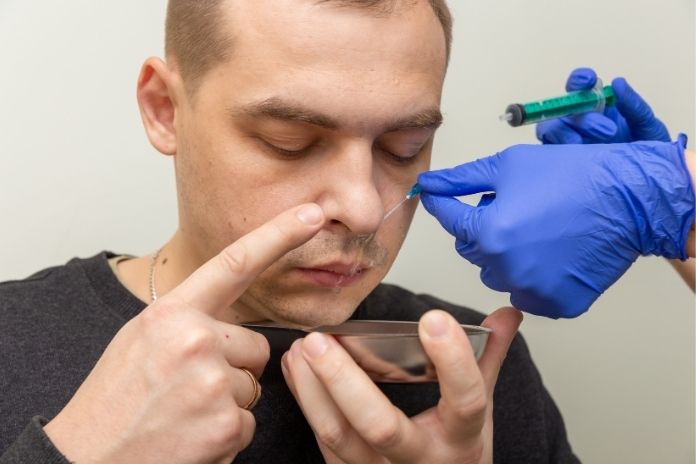
If you have allergy or asthma symptoms from mold, standard medical treatments apply: antihistamines, inhaled or topical corticosteroids, saline rinses, and, for recurrent sinus disease, ENT evaluation. In patients with confirmed fungal infection (rare outside immunocompromised groups), targeted antifungal drugs may be required.
Diagnostic testing for “mycotoxin levels” in urine or blood is controversial. Allergy and toxicology societies caution that many commercial mycotoxin tests are not validated to diagnose disease; a positive urine mycotoxin result may show exposure, but does not prove that mycotoxins caused a patient’s symptoms.
The American College of Medical Toxicology and allergy experts warn against unproven “detox” panels and expensive treatments without clear evidence. If testing is considered, it should be done through reputable labs with clinical interpretation by an expert.
Some experienced clinicians use targeted medical approaches, for example, cholestyramine or short courses of binding agents, for selected cases with documented exposure and persistent symptoms, but this is not routine and remains debated. Always treat under direct physician supervision.
Lifestyle Supports that Matter

Recovery is easier when you focus on building basic resilience. Supporting your body’s natural healing processes can make a significant difference in how quickly and fully you recover. Key areas to prioritize include sleep, stress management, nutrition, and lifestyle habits.
- Sleep: Aim for 7–9 hours per night. Quality sleep supports immune function, tissue repair, and cognitive health.
- Stress management: Techniques such as mindfulness, meditation, and gentle yoga help lower stress hormones that can slow recovery.
- Avoid smoking: Tobacco use increases inflammation and impairs healing, making it harder for the body to bounce back.
- Nutrition: Emphasize a whole-food, anti-inflammatory diet rich in fruits, vegetables, lean protein, and healthy fats to provide essential nutrients and reduce systemic inflammation.
- Exercise: Moderate, regular activity supports circulation, energy, and mood. However, intense workouts while symptoms are present may hinder recovery rather than help it.
Even small changes that lower inflammatory load and improve sleep often produce outsized benefits, especially while more intensive environmental or medical interventions are still underway. Focusing on these foundational habits creates a stronger, more resilient base for recovery.
When to See a Doctor, and Who to See
See a clinician if your symptoms are severe, persistent despite leaving the exposure, or if you have new/worse asthma, unexplained bleeding, fever, or signs of infection. Specialists who commonly evaluate mold-related issues include allergists/immunologists, pulmonologists, infectious-disease doctors, and occupational/environmental medicine specialists. Ask your primary care doctor for a referral if needed.
Conclusion
The real key to recovering from mold exposure starts with your environment. Fix leaks, dry out damp spaces, and don’t hesitate to hire professionals when the problem is widespread. No treatment works if exposure continues.
Next comes medical care. If symptoms linger or worsen, see a doctor to address allergies, asthma, or infections with proven therapies. At the same time, support your body through practical steps: eat an anti-inflammatory, plant-diverse diet, stay hydrated, get quality sleep, and move regularly. Some medical-grade binders or antioxidant therapies may help in select cases, but only under professional supervision.
Finally, be wary of flashy “mold detox” packages or unvalidated lab tests. Evidence shows that most people recover with proper remediation, conventional care, and healthy daily habits. That combination, not quick fixes or expensive supplements, is what actually helps the majority regain their health.
References
- https://my.clevelandclinic.org/health/diseases/24862-black-mold
- https://www.cdc.gov/mold-health/about/index.html
- https://pubmed.ncbi.nlm.nih.gov/28299723/
- https://www.mayoclinic.org/diseases-conditions/mold-allergy/symptoms-causes/syc-20351519
- https://www.poison.org/articles/mold-101-effects-on-human-health
- https://www.iqair.com/in-en/newsroom/which-molds-are-most-dangerous-to-my-health
- https://www.medicalnewstoday.com/articles/288651
- https://aafa.org/allergies/types-of-allergies/mold-allergy/
- https://www.epa.gov/mold/how-do-molds-affect-people
- https://www.health.nsw.gov.au/environment/factsheets/Pages/mould.aspx
- https://www.webmd.com/lung/mold-mildew
- https://www.jacionline.org/article/S0091-6749(05)02591-1/fulltext
- https://www.sciencedirect.com/science/article/abs/pii/S1438463916305612
- https://www.aaaai.org/tools-for-the-public/conditions-library/allergies/toxic-mold
- https://www.webmd.com/lung/mold-mildew
- https://www.imrpress.com/journal/JIN/22/6/10.31083/j.jin2206137/htm
- https://nlr.com.au/resources/mould-removal-resources/mould-exposure-long-term-side-effects/
- https://www.tdlr.texas.gov/mld/pdf/Health-Effects-Training-Module.pdf
- https://www.who.int/news-room/fact-sheets/detail/mycotoxins
- https://pmc.ncbi.nlm.nih.gov/articles/PMC8619365/
- https://my.clevelandclinic.org/health/diseases/22309-mold-allergy
- https://www.health.ny.gov/publications/7287/
- https://pure.johnshopkins.edu/en/publications/the-medical-effects-of-mold-exposure-3
In this Article