














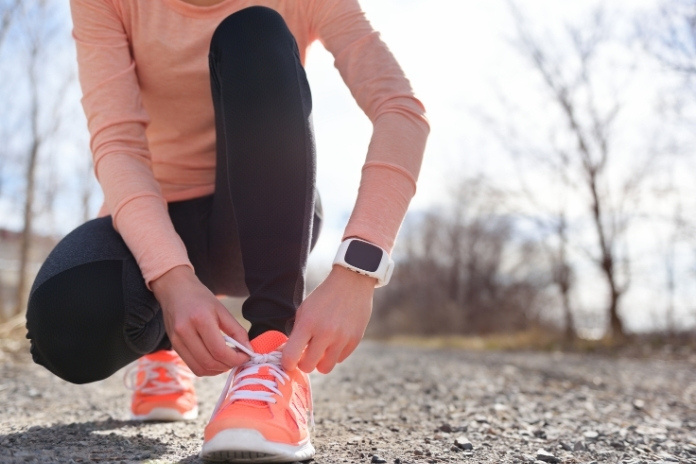
Many of us just stick to one pair of shoes till they wear out or are no longer useful. Most people think one good pair of shoes is all they will ever need. They wear them every day until the soles wear away. However, new research and the habits of experienced runners say a different story: shoe rotation can protect your feet, reduce the risk of injury, and even improve performance. As the idea picks up, not only among serious athletes but in the world of everyday fitness, it’s time to look at why swapping pairs is more than a fashion statement.
In this article, we’ll break down what “shoe rotation” really means, how shoes degrade over time, the benefits (for your feet, your wallet, and your training), and how to plan a rotation strategy that works for you, whether you’re a runner, a gymgoer, or someone who’s simply on their feet a lot.
What Does “Rotating Shoes” Mean?
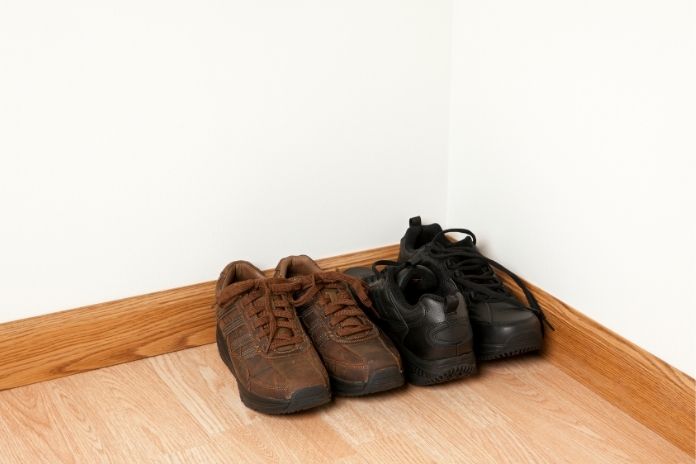
Rotating shoes at its most basic level is the method of switching between multiple pairs of shoes instead of wearing one pair daily. Rather than subjecting one pair of shoes to every step, you distribute the stress among multiple shoes, allowing each pair some time to recover, decompress, and ventilate.
This is a well-known habit in runners’ communities, where strength and prevention against injury are extremely important. But it’s become increasingly popular in more general fitness, work, and lifestyle settings. The question that most of us want an answer to: Do you need to rotate shoes? The response is a growing “yes” for anyone concerned with maintaining foot health, avoiding overuse, and making the most of their shoes.
Read More: Top Barefoot Running Shoes for Injury-Free Training & Natural Movement
How Shoes Wear Down Over Time
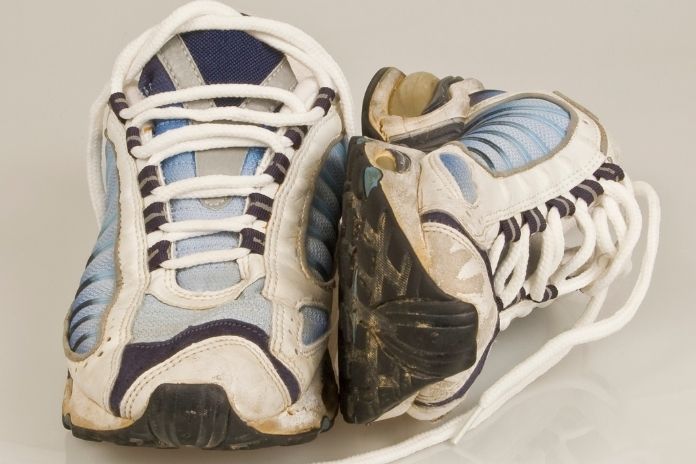
To understand why rotation helps, it’s important to know what happens when shoes age and degrade.
- Cushioning and shock absorption decline. The midsole foam that provides bounce and shock gradually compresses due to repeated pressure. Over time, its ability to rebound drops, reducing its effectiveness in absorbing impact.
- Moisture, sweat, and heat all have their impact on the shoes. Sweat and humidity seep into the material when you have shoes on. Moisture degrades foam resilience, reduces the strength of glues, and speeds structural breakdown.
- Repetitive deformation is another issue. The outsole and upper form flex and extend with every step, micro-damaging the stitch, glue joint, and foam cell structures. Over time, these damages become big and noticeable.
- Over time, wear patterns focus stress on certain parts of your shoes. In athletic footwear, repeated impact from the heel, midfoot, and toe-off areas causes those spots to break down faster.
- Casual vs. athletic shoes. Leisurely walking or standing shoes typically experience lower impact but heavier use; athletic shoes experience higher loading, directional stress, and a necessity for cushioning and stability. That makes deterioration more problematic for sports shoes.
Due to all of these things, a shoe’s “fresh” condition slowly wears away, so each further step or run is less protected and gets more easily damaged.
Benefits of Rotating Shoes

The following are four broad categories of advantage: foot health, durability, performance, and comfort.
Improved Foot Health:
One of the most debatable aspects of shoe rotation is the prevention of injury and reduced stress on the body:
- Decreases repetitive stress. Constantly forcing the same foot strike pattern through the same shoe geometry can overexert certain joints or ligaments. Switching to a second (or third) pair with slightly different cushioning, structure, or drop helps to vary loading and provide tissues some relief.
- Reduces blistering and pressure problems. Reshuffling shoes prevents you from worsening hotspots, friction areas, or pressure points. One day’s tight fit or minor misalignment won’t add up to lasting irritation.
- Prevents plantar fasciitis, shin splints, and Achilles tendinitis. These overuse injuries usually start as chronic microtrauma. Rotating decreases the risk by spreading stresses across more surfaces and reducing repetitive strain on the same structures.
- Works different muscle groups. Using shoes with subtle differences in drop, firmness, or cushioning can stimulate different muscles, making them stronger. It is noted that rotating shoe types helps reduce muscle imbalances.
Indeed, one study of 264 runners reported that participants who rotated shoes experienced a 39% reduced risk of injury over those who used only one pair. The reason is that shoe variation changes stress patterns and decreases total load on the same tissues.
So, shoe life and foot health are closely interlinked. By deliberately rotating, you indirectly protect your tissues.
Longer Shoe Life:
One of the most significant benefits of rotation is increasing the usable life of every pair.
- Foam Recovery Time: Following compressive loading, midsole foam has time to “rebound” completely. Wearing the same pair day in and day out doesn’t allow enough downtime for recovery. Alternating provides each pair with 24–48 hours (or longer) to decompress and regain some of its initial shape.
- Structural Reset and Drying: If you rotate shoes, it helps dry out moisture and reestablish structural integrity. That delays adhesive failure, material degradation, or odor buildup.
- Slow Wear Build-up: If a shoe is designed to last 300–500 miles, dividing use between two (or more) pairs entails that each pair wears down more slowly, effectively lengthening its service life.
Performance Boost:
Rotating shoes can be more than a damage-control measure. It can positively boost the way you train and compete.
- The Right Choice: Opt for the “right shoe for the run”. A stable, cushioned shoe might be your long-run shoe, whereas a responsive, lighter version is better for tempo or faster runs. Optimal performance per training is created through this.
- Neuromotor Variation: As TrainingPeaks explains, exposing your body to different stack heights, heel drops, and cushioning levels challenges your movement patterns, helping you adapt and refine your stride mechanics
- Reduced Fatigue: Since the cushioning is better preserved, every shoe stays closer to its designed spec for longer. That is, your runs remain crisper with fewer “dead” shoes slowing you down.
- Reduced Injuries: By reducing the risk of injuries, you save your body’s ability to deliver more intense performance. This is particularly worth it while preparing for a race.
Running Niche points out that running in the same shoes for all your runs can cause overuse injury, but a rotation lessens that risk and enhances overall performance.
Hygiene and Comfort:
While perhaps less cool, these day-to-day advantages are genuine and significant.
- Less Smell and Bacterial Buildup: Allowing shoes to breathe helps prevent dampness and microbial growth. That means less stench, reduced fungal complications, and cleaner wear per use.
- Regular Comfort: Since you keep cushioning, the shoes are more comfortable for a longer time, leading to less rigidity, less collapse.
- User Satisfaction: Wearing “new” shoes feels nicer, even if only slightly so, which can promote motivation and consistency.
Read More: 10 Different Types of Orthotics Shoes- Reviews and Buying Guidance
Rotating Shoes for Various Activities
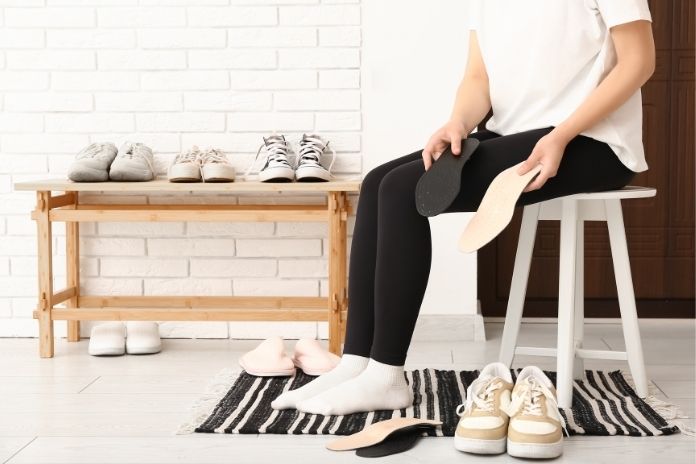
Not all rotation necessity only applies to running. You can also create a rotation for sports or everyday life.
Running and Sports:
If you do a structured run or sport-specific training, design a rotation specific to session types.
- Long/Easy Run Pair: Have a more cushioned, stable, forgiving shoe for base miles, recovery runs, and longer distances.
- Workout/Speed/Tempo Pair: Reserve a lighter, more responsive shoe (often with harder foam or reduced drop) for interval workouts, tempo runs, or drills.
By switching between these two categories, you maintain the support of the heavy pair while retaining a “fast” alternative when necessary.
If you count trail or mixed-surface running, a third pair (trail shoes) may find their way into your rotation.
Everyday Lifestyle:
Rotation of shoes is not just for athletes. Even in everyday life, changing shoes from time to time is beneficial.
- Alternate Shoes: Alternate between sneakers, dress shoes, and sandals. That reduces wear on any single pair and encourages foot movement and changing pressure patterns.
- Postural Support: Various shoes deliver differing arch, heel, or sole geometry, which can assist in avoiding overstressing the very same structures day after day.
- Foot Recovery: Allow a pair to rest and air out, minimizing fatigue and odor buildup after all-day use.
- Split: Have separate shoes as per dress/office and casual events. For instance, have one elegant pair for dress, one for comfort/casual/outings, and one athletic pair for exercise. Your “casual” pair thus doesn’t soak up outdoor wear, rain, or grime as much.
According to Andrejs Birjukovs, certified endurance and running coach, former professional athlete, and author of The Resilient Athlete, rotating shoes helps boost muscle strength in your feet. “Shoe rotation helps to strengthen muscles in the feet, which will help to tolerate the increased load when the cushioning of the shoe naturally stiffens,” Birjukovs says.
How Often Should You Rotate Your Shoes?
When it comes to deciding the best rotation frequency, there are several factors we must consider. These can be the shoe type, usage, and personal biomechanics.
- For Running Shoes: A general rule is to rotate when each shoe reaches 300–500 miles of wear, but in rotation, each shoe builds up those miles at a slower rate and therefore lasts longer.
- Daily Wear Shoes: Alternate days or every few days. Allow a shoe to rest for at least 24 hours to dry and decompress.
- More Frequent Users: For users who use shoes for training, running, etc, opt for frequent rotation.
- Influencing Factors: Your body weight, gait (supination or pronation), cadence, terrain surfaces, and the shoe design influence how quickly it degrades. A heavier runner on rough surfaces will degrade the midsole faster than a light runner on smooth roads.
Don’t wait until the “death” of the shoes. Shoes start losing their rebound, become stiff, and lose cushioning when they are less effective. It’s wise to rotate before that happens, so each pair is in improved working condition for a longer period.
In real life, if you do 30–40 miles per week and you have two pairs, each pair of shoes might last 12–16 weeks before it needs to be replaced (when using moderate surfaces and weight). The point is to pay attention to the feel and structure, not merely the time you used it for.
Expert Tips for Wise Shoe Rotation
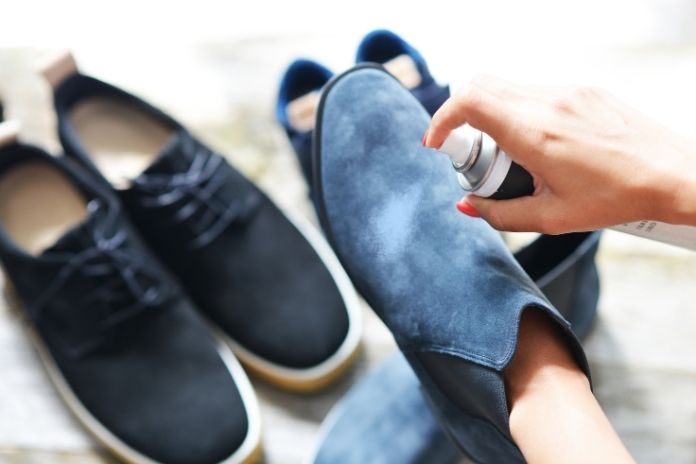
To take optimal advantage of shoe rotation, here are practical tips:
-
Select Complementary Shoes:
Select pairs with slight differences in cushioning, drop, or stability, while maintaining a baseline comfort and fit. Don’t rotate wildly different models (unless you’re confident your biomechanics tolerate them), but enough difference to distribute stress.
-
Track Mileage Per Shoe:
Use a run app, spreadsheet, or logbook to track kilometers or miles on each shoe. This allows you to retire a shoe before it wears out poorly.
-
Rest and Air Out:
Store shoes in an aerated place (not sealed boxes). Allow them 24–48 hours before reuse so cushioning depressurizes and moisture dries out.
-
Retire Worn-out Shoes:
Don’t include a beat-up, slouching shoe in your rotation. When one pair has served its maximum performance, retire it or reserve it for light use.
-
Do Not Change Too Quickly:
If you try a radically different shoe model in the middle of a rotation, do so slowly to help acclimatize to the shoe.
-
Have a Buffer Pair:
If possible, have a backup or third pair you send out when one is retired, drying, or in line for replacement.
-
Regularly Inspect:
Monitor outsole thickness, upper integrity, midsole creasing, and knit or mesh damage. These are early visual signs of reduced performance.
-
Adjust to The Training Phases:
During periods of high volume, alternate more quickly; during taper or base phases, you can rely more on your “comfort” pair.
By having variety, tracking, rest, and right use, you’ll make the most of your shoes’ performance and lifespan.
Read More: 11 Best Cross Training Shoes for High Arches!
Conclusion
Shoe rotation is more than a runner trend; it’s an intelligent, evidence-based method to safeguard your feet, improve performance, and derive greater value from your footwear. By switching between pairs, you minimize repetitive stress, allow cushioning to heal, and spread the mechanical load on your joints and muscles.
This habit is not for marathon runners or high-level athletes alone. It’s for anyone serious about foot wellness and a workout regimen. If you wish for healthier feet, less pain, and a more resilient step, begin rotating shoes today.
References
- https://www.nike.com/in/a/how-often-to-replace-running-shoes
- https://www.runnersneed.com/expert-advice/gear-guides/replace-running-shoes.html
- https://runkeeper.com/cms/health/why-you-should-rotate-your-running-shoes/
- https://www.nike.com/in/a/how-often-to-replace-running-shoes
- https://www.mayoclinic.org/diseases-conditions/plantar-fasciitis/diagnosis-treatment/drc-20354851
- https://www.runnersworld.com/gear/a36518914/running-shoe-wear-pattern/
- https://impakter.com/why-shoe-soles-disintegrate-and-how-to-prevent-it/
- https://www.mensjournal.com/health-fitness/should-you-rotate-between-two-running-shoes-heres-what-experts-say
In this Article