













Fear of an unwanted pregnancy always gave me sleepless nights. Until one day, when my gynecologist suggested a permanent solution to this worry. She gave me an option to get a tubal ligation, in short, get my fallopian tubes tied, and I agreed. However, sometimes I still fear conception. Can we get pregnant after a tubal ligation? I read about this in detail to gain a better understanding. Here’s what I learnt.
Tubal ligation, also known as “having your tubes tied,” is one of the most effective forms of permanent birth control. For many women, it is a life decision meant to prevent pregnancy permanently. The procedure is common because it is highly effective, providing peace of mind to women and their partners.
But despite being known for its irreversibility, there’s always doubt. Can one still become pregnant after a tubal ligation? If so, what are the health ramifications and impact on future fertility? The answer is yes, though very rarely. Though the surgery carries a 99.5% success rate, no method short of removing the uterus and ovaries completely can be performed 100%.
Understanding how tubal ligation works, why pregnancies sometimes happen later, risks, and the medical options available is critical to any woman considering the procedure or becoming pregnant afterwards.
What Is Tubal Ligation and How Does It Work?
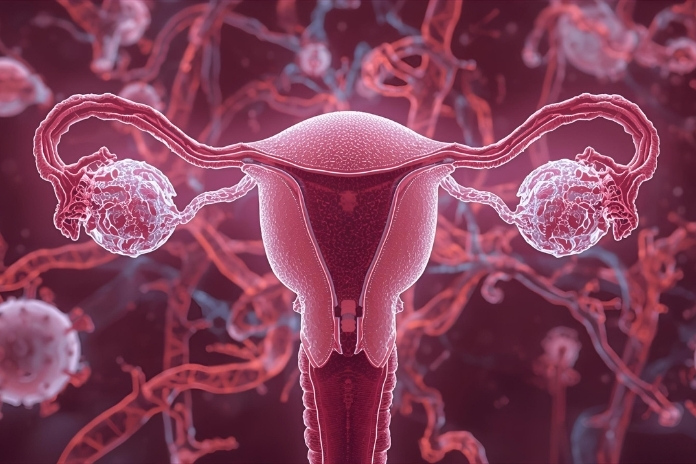
Tubal ligation is a surgical procedure that is designed to prevent eggs from traveling from the ovaries into the uterus. In the typical situation, fertilization occurs in the fallopian tubes, so blocking or cutting off this passageway essentially terminates the possibility of conception.
There are several techniques: some involve cutting and sealing the tubes, while others utilize clips or bands to seal the tubes. Cauterization, sealing the tubes using heat, is another. The procedure is often performed laparoscopically, i.e., through small incisions, but can also be performed immediately after delivery through a larger incision.
The success of the procedure is remarkable. Studies indicate that the tubal ligation avoids pregnancy in roughly 99% of cases. In other words, one in 100 women will become pregnant later in life. Though highly consistent, occasional pregnancies have and do happen, so “permanent” isn’t precisely the same as “complete’’
Read More: How to Choose the Right Birth Control Method: A Comprehensive Guide
Can You Get Pregnant After Tubal Ligation
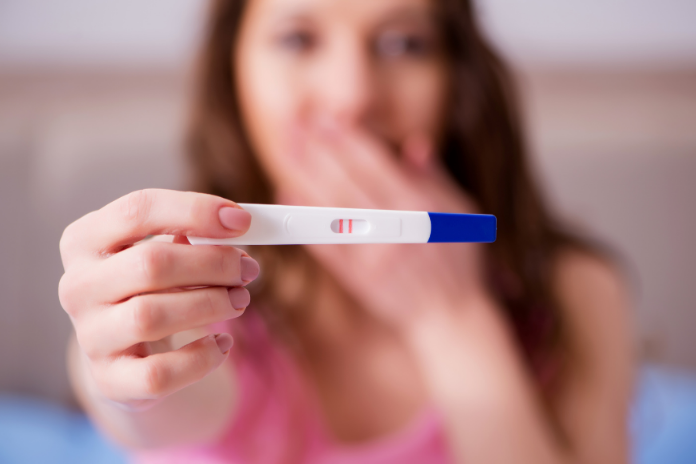
While rare, pregnancy after tubal ligation is not impossible. Failures tend to occur in about 0.5% of cases. These chances depend on the woman’s age, the method used, and the progression of her healing over time. Women under the age of 30, for example, are somewhat more prone to having a failure due to higher fertility and a longer reproductive life.
The type of procedure being performed also factors in. Clipping and banding, although good, have a little higher potential for failure than cutting and sealing procedures. At times, the failure may not be immediately apparent; it can manifest months or years later as the body heals and tissues regenerate.
Understanding these situations makes it easy for women who have concerns about unwanted pregnancy. Although the risk is minimal, awareness may trigger proper medical evaluation and reassurance.
Eleanor Bimla Schwarz, MD, chief of the UCSF Division of General Internal Medicine at Zuckerberg San Francisco General, shares her thoughts on this. “When choosing what birth control will work best for them, people consider many different things, including safety, convenience, and how fast they can start to use the method,” Schwarz said. “For people who have chosen a ‘permanent’ method, learning they got pregnant can be very distressing. It turns out this is, unfortunately, a fairly common experience.”
Why Pregnancy Can Occur
Pregnancy following tubal ligation is mainly caused by biological and surgical reasons. A major reason behind this is tubal recanalization, where the separated or obstructed ends of the fallopian tube heal and reconnect on their own. This small channel connects the sperm and egg, leading to fertilization.
Other causes of failure include improper closing of tubes during surgery. If one end of the tube remains open, fertilization may still happen. Cauterization may also sometimes leave the tubes partially open, and clips or bands can shift over time. Spontaneous healing of natural tissues can also restore a certain function to the tubes, contributing to what is medically known as tubal ligation failure.
However, it is important to note that not all post-ligation pregnancies are healthy. The tied or damaged tubes may keep the embryo from reaching the uterus, leading to ectopic pregnancy and other issues. Understanding why failures occur is crucial for monitoring one’s condition and taking prompt action.
Risks of Pregnancy After Tubal Ligation
Pregnancy after tubal ligation poses risks that are specific to normal pregnancies. The most dangerous is ectopic pregnancy, in which the embryo grows in a location outside the uterus, generally a fallopian tube. Since the tube is clogged or damaged, it will not function properly, which may lead to a rupture. This is an emergency and can be life-threatening.
The following are symptoms that necessitate immediate medical attention:
- Sudden or severe pain in the abdomen or pelvis
- Pain radiating to the shoulder
- Dizziness, weakness, or fainting
- Abnormal or unexplained vaginal bleeding
Even those pregnancies that form in the uterus may be at higher risk for miscarriage or trouble as a result of prior tubal damage. Because of these risks, any suspected pregnancy after tubal ligation should be assessed and guided early by a doctor.
Read More: Choosing the Right Birthing Plan: Exploring Your Options
Options If You Want to Get Pregnant After Tubal Ligation

For those women who later want to become pregnant, there are medical treatments that can make pregnancy possible.
Tubal Reversal Surgery:
Tuboplasty or reversal of tubal ligation is a procedure to seal the cut or damaged fallopian tubes. The success rate depends on the age, health, and type of ligation:
- Under 35 generally have an 7%probability of conceiving.
- Over 35 years: around 45.5%
Reversal is performed under anesthesia and requires 2–4 weeks of recovery. Risks include infection, scarring, and possible failure. Women with clips or bands have superior success compared to women whose tubes were extensively cauterized. Successful reversal allows for natural conception and the possibility of multiple pregnancies.
In Vitro Fertilization (IVF):

IVF bypasses the fallopian tubes altogether. Eggs are extracted from the ovaries, are fertilized in the lab, and are implanted into the uterus. Success depends on the age, health, and fertility of the woman. Here are some success statistics based on the age of the women:
- < 35 years: About 44.5% live birth rate per egg retrieval cycle.
- 35-37 years: About 32.4% live birth rate per egg retrieval cycle.
- 38-40 years: About 20.2% live birth rate per egg retrieval cycle.
- 41-42 years: About 9.6% live birth rate per egg retrieval cycle.
- > 42 years: About 2.9% live birth rate per egg retrieval cycle.
IVF is especially useful in women where the tubes cannot be reversed. While expensive and potentially with multiple cycles, it avoids the surgical risk of reversal of tubes and significantly reduces the risk of ectopic pregnancy.
Considering pregnancy after a tubal ligation, women typically have two primary options: tubal reversal surgery and in vitro fertilization (IVF). Both have their own benefits and drawbacks.
Tubal Reversal Surgery:
Pros:
- It allows natural conception, which can result in multiple pregnancies without successive procedures.
- Evades the high expense and repeated cycles of IVF.
- May restore normal reproductive anatomy if the procedure is successful.
Cons:
- Needs extensive surgery, with resultant risks of infection, scarring, or complications from anesthesia.
- Not always successful; pregnancy still may not result even after surgery.
- Mild increased risk of ectopic pregnancy due to possible scarring or remaining tubal damage.
Recovery time can be 2–4 weeks, depending on the patient and the surgery technique employed.
In Vitro Fertilization (IVF)
Pros:
- Avoids the use of the fallopian tubes, thus being best suited for women whose tubes can not be reversed or are severely damaged.
- It is less likely to result in ectopic pregnancy compared to natural conception following reversal surgery.
- Offers a timed and controlled means of conception, which may be beneficial for women with age-related fertility issues.
Cons:
- It is costly, with multiple cycles sometimes needed to result in pregnancy.
- Involves hormonal therapy and invasive procedures such as egg retrieval.
- It may be emotionally and physically draining, with the risk of stress if more than one cycle is required.
- Prevents sudden future natural conception; every pregnancy needs to undergo IVF.
Key Takeaway: Whether to undergo tubal reversal or IVF is determined based on a person’s age, reproductive health, condition of the fallopian tubes, preferences, and budget. It is therefore essential to consult a fertility specialist to determine the most suitable method for your specific situation.
FAQs
- When can pregnancy happen after a tubal ligation?
Pregnancy can occur months or years later due to the healing process of the body or failure of the tube closure.
- Is tubal reversal safe?
Yes, if done by a skilled surgeon. However, it is not without risks, including infection, scarring, and possible failure.
- Can IVF work if I’ve had my tubes tied?
Yes. IVF bypasses the fallopian tubes, so the previous ligation won’t affect the success of the procedure.
- Are there options if I cannot become pregnant naturally?
Yes. Options are egg freezing, surrogacy, and adoption, based on your personal situation.
Read More: Here’s Why Birth Control Could Fail, New Study Suggests
Conclusion
Tubal ligation is one of the most consistent forms of contraception, providing women with long-term protection. But while rare, pregnancy can occur. Due to the instant healing of tissues, closure of defects, or device failure, pregnancy can occur.
Pregnancy following tubal ligation has certain risks, especially ectopic pregnancy, and hence urgent medical assessment is crucial. For those women wanting children in the future after the procedure, alternatives such as tubal reversal and IVF offer hope, and with proper medical care, many are successful in conceiving.
If you are considering pregnancy after tubal ligation, consult a gynecologist or fertility specialist to understand your risks, review current choices, and make an informed decision about your reproductive health. It all starts with the right knowledge and a timely decision.
References
- https://www.ucsf.edu/news/2024/08/428281/what-are-chances-youll-get-pregnant-after-tubal-ligation
- https://www.ncbi.nlm.nih.gov/books/NBK539860/
- https://www.cofertility.com/family-learn/ivf-success-rates-by-age?
- https://www.ncbi.nlm.nih.gov/books/NBK539860/
- https://www.researchgate.net/publication/10620042_Factors_affecting_the_pregnancy_rate_after_microsurgical_reversal_of_tubal_ligation
In this Article