










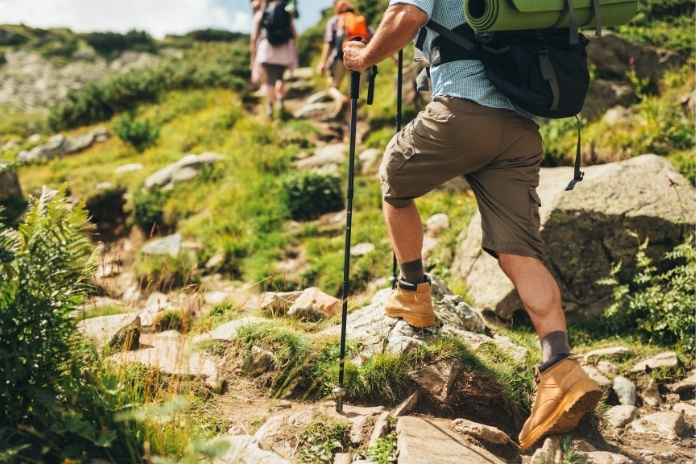
Are you headed to the mountains? That pounding headache or sudden wave of nausea may be severe fatigue, but it could also be acute mountain sickness (AMS).
When you hike in the mountains, you definitely leave behind the higher concentrations of oxygen that come with lower elevations – whether you’re skiing or walking to a high peak. However, mountain illness can easily ruin your trip unless you are careful about your body responding to the elevation and how your acclimation process is going.
Mountain illness is non-discriminatory. Anyone can develop active mountain sickness and suffer from symptoms, whether you are an alpinist attacking a summit, a day-hiker going up a steep trail, or even a traveler driving or flying rather quickly to a high elevation. Lightheadedness and/or dyspnea may often come on gradually and in a mild way, but they could be rapid in development if symptoms are ignored and worsen.
You can secure yourself and assure your high altitude experience is both safe and memorable by knowing the warning signs and taking care of the preventative side before you go.
Read More: Why You Feel Short of Breath After Climbing Stairs (Even if You’re Fit)
What Is Acute Mountain Sickness?
Acute altitude illness includes high altitude cerebral edema (HACE), high altitude pulmonary edema (HAPE), and acute mountain sickness (AMS). When a person accustomed to low altitudes travels to a higher altitude, acute mountain sickness can develop.
Acute mountain sickness is the most common type of high altitude illness, impacting approximately 25% of all those climbing above 3500 meters (11,667 feet), and over 50% of individuals climbing above 6000 meters (20,000 feet).
Symptoms may include headache, fatigue, nausea or vomiting, dizziness, and disturbed sleeping patterns. Mild to severe symptoms usually develop 6 to 12 hours after ascent, and without any further ascent, symptoms typically resolve in one to two days, although they can occasionally last longer.
Less than 1% of individuals who develop acute mountain sickness develop it into high altitude cerebral edema, a serious and possibly fatal condition characterized by confusion, reduced awareness of surroundings, and a staggering gait.
Preventing acute mountain sickness begins with understanding its causes and effects on individuals. If recognized early and acted upon properly, AMS may be the line between a questionable potential health emergency and a safe and enjoyable mountain experience.
“To maintain oxygen levels to critical organs, your body goes through several steps,” said Jasjot Johar, MD, an emergency medicine physician with Banner Health. “Your breathing and heart rate increase. Over time, your body learns to draw more oxygen from the blood and even makes more blood cells, but this takes time.”
If you ascend or go up too quickly, your body might not have enough time to acclimate, which can lead to altitude sickness.
Causes of Acute Mountain Sickness
At high elevations, decreased oxygen levels and air pressure lead to acute mountain sickness.
You are more likely to get acute mountain sickness the higher you climb.
The best defense against altitude sickness is a slow ascent. Spending a couple of days climbing to 9850 feet (3000 meters) is a brilliant plan. Ascend very gently above this point to ensure that the elevation at which you sleep doesn’t rise by more than 990 to 1640 feet (300 to 500 meters) per night.
Acute mountain sickness is more likely to strike you if:
- You travel to a high altitude and reside at or close to sea level.
- You’ve experienced the illness previously.
- You climb swiftly.
- You haven’t adjusted to the altitude properly.
- Drugs or alcohol have hampered acclimatization.
- You suffer from diseases that affect your heart, neurological system, or lungs.
- If you suffer from anemia.
Read More: 13 Possible Cures For Motion Sickness While Travelling
Symptoms of Altitude Sickness

Depending on how severe it is, altitude sickness can create a wide range of symptoms. Acute mountain sickness symptoms typically manifest within the first day or two of arriving at a high elevation. It often takes two to five days for more severe versions, such as HAPE or HACE, to manifest.
The following are some signs of AMS:
- The most prevalent symptom is headache.
- Vomiting and nausea.
- Appetite loss.
- Exhaustion, even during rest.
- Malaise (a pronounced “ill” feeling).
- Difficulty falling asleep.
- Lightheadedness or dizziness.
- Blood vessel ruptures cause vision alterations in your retinas and, although they are uncommon, they typically signify more severe altitude sickness.
How to Prevent Altitude Sickness

Making wise decisions during ascent and being well-prepared are the first steps in preventing altitude sickness. Adhering to a few essential tactics can help prevent acute mountain sickness and aid your body’s adaptation.
Climb Gradually: To get your body used to the changes, it takes two to three days to ascend gradually. Steer clear of driving or flying straight to high elevations. Instead, climb higher every day, take a break, and start over the next day. If you must drive or fly, choose a lower altitude to remain at for a full day before ascending all the way.
When walking, schedule your route such that you can stop at lower elevations before arriving at your destination. Aim for no more than 1,000 feet of travel per day, and schedule a day off for every 3,000 feet of elevation gain.
Eat Carbs: People rarely instruct us to consume carbohydrates. At higher altitudes, your body needs an increased calorie intake. Thus, bring along a variety of nutritious snacks, such as whole grains.
Steer Clear of Alcohol: Smoking, alcohol, and drugs such as sleeping pills can exacerbate the symptoms of altitude sickness. When traveling to higher elevations, abstain from alcohol, tobacco, and sleeping medications. Drinking alcohol should be avoided for around 48 hours if you want to give your body time to adjust.
Sleep Lower: When you’re sleeping at night, altitude sickness typically worsens. If you intend to climb more than 1,000 feet in a single day, it is a good idea to ascend higher during the day and then descend to a lower altitude for sleep.
Medication: Acetazolamide (Diamox) and dexamethasone are two medications that may help prevent and treat altitude sickness if you are at high risk or have a tendency to get it. However, doctors do not prescribe this drug to everyone, so discuss with your healthcare practitioner what is best for you based on your plans and medical history. Ibuprofen may also help reduce altitude sickness, according to recent studies.
Read More: 12 Natural Ways for Dealing with Morning Sickness During Pregnancy
Treatment If You Develop Symptoms
The only way to truly “cure” altitude sickness is to go to a lower altitude.
When altitude sickness is less severe, there are multiple treatment options available; some of which will be helpful when a rapid descent is not feasible. Treatment options include the following:
Pause and Adjust: When altitude sickness first appears, it’s a good idea to stop and rest.
Go Down: Declining is of utmost importance if symptoms worsen or become more severe (e.g., increased nausea, exhaustion, or dizziness). The majority of professionals advise lowering the dose until the symptoms improve. It often entails a drop of up to 3,281 feet (1,000 meters) and at least 984 feet (300 meters).
Extra Oxygen: Certain altitude sickness symptoms can be lessened by breathing in larger oxygen concentrations.
Drugs: Certain drugs can cure altitude sickness and postpone more serious symptoms or problems, including acetazolamide, dexamethasone, or nifedipine. Doctors often reserve nifedipine and dexamethasone for moderate to severe cases of altitude sickness.
Hyperbaric Treatment: This is similar to treating a scuba diver who has decompression sickness, or “the bends.” Portable hyperbaric bags (commonly called ‘Gamow bags,’ after their inventor, Igor Gamow) provide hyperbaric therapy at high altitude. They may help relieve symptoms until rescuers evacuate a person to a lower altitude.
Who Should Be Extra Careful
Acute mountain sickness can affect anyone, but the following groups should be extra careful when moving to a high elevation.
- Before starting any mountain trip, individuals with a heart or lung issue, or any barrier to breathing (such as asthma, cardiovascular disease, or chronic obstructive pulmonary disease [COPD]), should see a healthcare provider. These individuals may struggle to acclimate to low oxygen saturation levels, increasing the risk of complications.
- Older adults and children are particularly at high risk. In the case of children, the signs and symptoms of AMS may be harder to identify, as they may not communicate their symptoms well. Older adults may have a more challenging time acclimating due to physiological tolerance factors or underlying medical conditions.
These groups will require additional support when ascending, including slower ascents, continued health checks (e.g., for AMS symptoms), and timely action in the event of altitude sickness.
Conclusion
Acute mountain sickness (AMS) is a typical issue for people spending time in high elevations, but it is very preventable with proper planning. Understanding how reduced oxygen levels affect the body enables visitors to take precautions and keep themselves safe while appreciating the stunning beauty of the mountains.
It is simple: always listen to your body. A slow climb, proper hydration and nutrition, and time for acclimatization can have a profound impact. Above all, don’t disregard early symptoms like headaches, nausea, or dizziness; these are indicators that your body needs to slow down or rest.
References
- https://medlineplus.gov/ency/article/000133.htm
- https://www.healthdirect.gov.au/altitude-sickness
- https://www.aafp.org/pubs/afp/issues/2020/0415/p505.html
- https://www.nhs.uk/conditions/altitude-sickness/
- https://www.ncbi.nlm.nih.gov/books/NBK430716/
- https://jamanetwork.com/journals/jama/fullarticle/2662892
- https://my.clevelandclinic.org/health/diseases/15111-altitude-sickness
- https://pubmed.ncbi.nlm.nih.gov/22440488/
- https://www.linkedin.com/in/jasjotjohar
- https://www.cdc.gov/yellow-book/hcp/environmental-hazards-risks/high-altitude-travel-and-altitude-illness.html
- https://www.betterhealth.vic.gov.au/health/healthyliving/altitude-sickness
- https://news.cuanschutz.edu/news-stories/altitude-sickness-is-typically-mild-but-can-sometimes-turn-very-serious-a-high-altitude-medicine-physician-explains-how-to-safely-prepare
In this Article