













“Tried this new supplement, they call it ‘Nature’s Ozempic’!” If you’ve scrolled through TikTok, Instagram, or health forums recently, you’ve probably seen posts like this. The hype promises that certain foods or supplements can mimic the effects of Ozempic (semaglutide), a prescription drug that’s been making headlines for its dramatic weight-loss results.
Claims range from appetite suppression to faster fat burning, and it’s tempting to wonder if a natural alternative could work just as well. But here’s the thing: Ozempic is not just any weight-loss pill. It’s a GLP-1 receptor agonist, a medication that alters hormones controlling hunger, blood sugar, and satiety. That level of effect is extremely hard to replicate with a supplement or everyday food.
In this article, we’re going to cut through the noise and separate fact from marketing. You’ll learn exactly how Ozempic works, what it can and cannot do, and which natural strategies, like fiber, berberine, or certain foods, might support weight management without creating unrealistic expectations. By the end, you’ll understand what’s science-backed, what’s hype, and how to approach weight loss in a safe, sustainable way.
What Is Ozempic and How Does It Work?
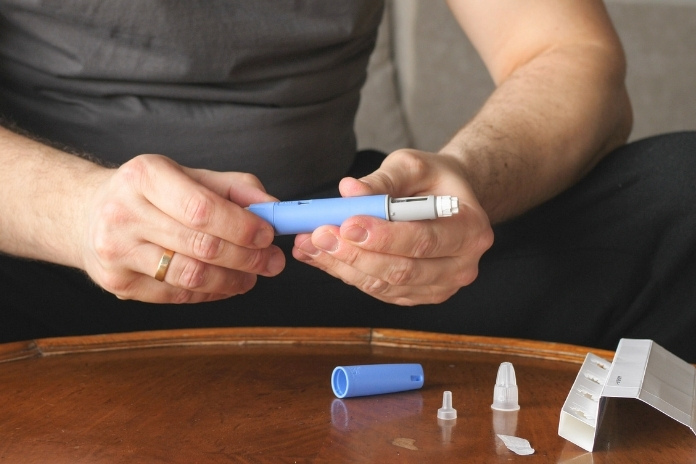
Ozempic is a prescription medication whose active ingredient is semaglutide, a type of drug known as a GLP-1 receptor agonist. GLP-1, or glucagon-like peptide-1, is a naturally occurring hormone released by your gut after meals. It helps regulate appetite, digestion, and blood sugar, and Ozempic essentially amplifies these natural signals.
Here’s how it works:
- Suppresses Appetite: Semaglutide acts on the brain’s satiety centers, helping you feel full sooner and reducing the urge to snack.
- Slows Gastric Emptying: Food stays in your stomach longer, prolonging feelings of fullness and helping control calorie intake.
- Supports Blood Sugar Control: By boosting insulin secretion in response to glucose, Ozempic helps manage blood sugar safely, which was its original FDA-approved purpose for Type 2 diabetes.
While Ozempic was first designed to manage diabetes, clinical trials revealed a remarkable side effect: significant, sustained weight loss. Many people with obesity or difficulty losing weight through diet and exercise alone have found it effective, making it a powerful tool when lifestyle changes aren’t enough.
However, it’s important to remember: Ozempic is a prescription medication. It’s not available over-the-counter, and it comes with potential side effects, including nausea, vomiting, gastrointestinal upset, and in some cases, risk of gallbladder issues. Medical supervision is essential to ensure it’s safe and appropriate for an individual’s health profile.
In short, Ozempic works by hijacking your body’s natural hunger and fullness signals, creating a strong, clinically proven effect that no supplement or food can fully replicate.
Where Did the Term “Nature’s Ozempic” Come From?
The phrase “Nature’s Ozempic” has exploded across social media platforms, wellness blogs, and TikTok, often accompanied by catchy before-and-after photos or bold promises of rapid weight loss. The term is used to suggest that certain foods, herbs, or supplements can mimic the powerful effects of Ozempic (semaglutide) on appetite, blood sugar, and weight control, without requiring a prescription.
Some of the most commonly referenced items include:
- Berberine: A plant-derived alkaloid found in herbs like Berberis vulgaris. Often touted for its ability to support glucose metabolism and improve insulin sensitivity.
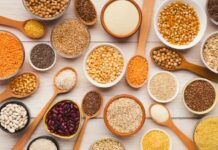
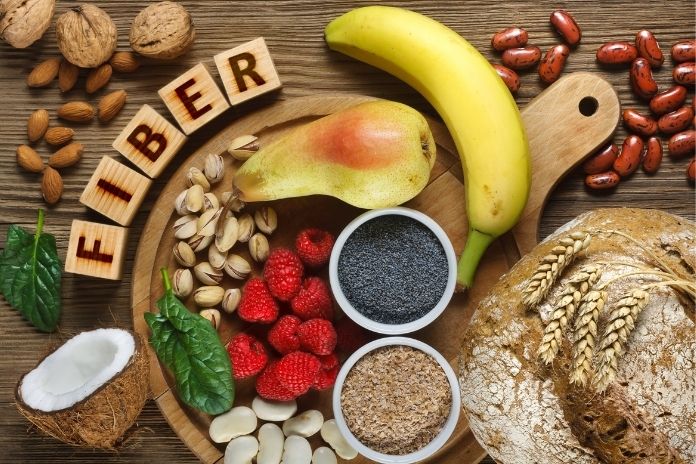
- High-Fiber Foods: Chia seeds, flaxseeds, and psyllium husk are promoted for prolonging fullness and slowing digestion.
- Herbal Extracts & Functional Foods: Nopal cactus (prickly pear), cinnamon, apple cider vinegar, and other plant compounds marketed as “blood sugar regulators.”
Many of these claims lean on the idea of “boosting GLP-1 naturally”, suggesting that these foods or supplements can trigger the same hormonal pathways as prescription GLP-1 agonists. While some of them, particularly fiber and berberine, do have modest effects on satiety or blood sugar, the key distinction is magnitude: they do not replicate the potent receptor-level action of semaglutide.
In other words, the hype around “Nature’s Ozempic” is partly rooted in science, but it’s often overstated and simplified for marketing purposes. Understanding this difference is crucial before investing time, money, or hope in any supplement claiming to mimic a prescription drug.
Natural Options Being Called “Nature’s Ozempic”

Amid the hype around “Nature’s Ozempic,” several natural foods and supplements have been highlighted for their potential effects on appetite, blood sugar, or weight management. While none come close to the potency of prescription semaglutide, some do have modest, scientifically supported benefits. Understanding how these options work and their limitations can help you incorporate them into a realistic, health-focused routine.
Berberine
Berberine, often called “plant insulin,” is an alkaloid found in several medicinal plants. It works by activating AMPK, an enzyme that improves insulin sensitivity, enhances glucose metabolism, and supports metabolic function.
A meta-analysis in PMC (2021) found that berberine alone significantly reduces fasting plasma glucose, LDL cholesterol, triglycerides, and total cholesterol and improves insulin resistance (HOMA-IR) in people with metabolic disorders.
Fiber-Rich Foods (Chia Seeds, Flax, Psyllium)
High-fiber foods are often promoted for satiety and blood sugar control.
- Chia seeds contain soluble fiber that forms a gel in the gut, slowing digestion, reducing post-meal glucose spikes, and helping you feel full longer. Some studies show improved satiety markers, though effects vary depending on the amount consumed.
- Flaxseed and psyllium husk offer similar benefits. They help regulate digestion and promote fullness, but human trials demonstrating meaningful weight loss are limited.
While fiber is a cornerstone of healthy eating, its impact on weight is gradual and modest, unlike the rapid appetite suppression seen with Ozempic.
Apple Cider Vinegar (ACV)
ACV is often touted as a natural blood sugar regulator and appetite suppressant. Small studies suggest it can slightly reduce post-meal glucose levels and curb hunger. However, results are modest, inconsistent, and high doses can cause tooth enamel erosion, gastrointestinal irritation, or worsen acid reflux. ACV alone is unlikely to produce significant weight loss.
Legumes, Whole Grains, and Resistant Starches
Foods like beans, lentils, oats, and certain resistant starches digest slowly, stabilize blood sugar, and promote gut health. They may also increase production of short-chain fatty acids in the gut, which can indirectly stimulate GLP-1 release, providing a small satiety boost. While helpful as part of a balanced diet, these foods cannot replicate the potent GLP-1 receptor activation of semaglutide.
Read More: 10 Foods That Boost GLP-1: The Hormone Ozempic Mimics to Curb Hunger
What the Science Actually Says

It’s easy to get swept up in claims about “Nature’s Ozempic,” but the truth is more nuanced. Science shows that some natural foods and supplements can modestly influence appetite, satiety, or blood sugar, yet they fall far short of prescription GLP-1 drugs like semaglutide. Understanding their limitations and realistic benefits helps separate hype from evidence-based action.
Evidence for Appetite Regulation and Blood Sugar Control
- Fiber: Soluble fibers in chia, psyllium, and flax slow gastric emptying, promote fullness, and may stimulate satiety hormones such as GLP-1. Some studies suggest post-meal fiber intake can slightly improve appetite regulation, though effects vary with dose and individual metabolism.
- Berberine: Clinical studies and meta-analyses indicate modest improvements in blood glucose, insulin sensitivity, and sometimes BMI, especially when combined with dietary adjustments. However, the weight loss effects are small and inconsistent, nowhere near the magnitude of prescription GLP-1 drugs.
- Gut health support: Prebiotics, probiotics, and fermented foods can influence the microbiome in ways that may support GLP-1 release and insulin sensitivity. While promising, results are still emerging and context-dependent, and are not a replacement for targeted medication.
Dr. Layth Tumah, MD, a functional medicine specialist, quoted in a Cleveland Clinic article (2025): “Berberine works at a cellular level and changes how cells work by turning signals off and on … But before you start a berberine supplement, Dr. Tumah cautions that more studies on how berberine affects weight loss are needed.”
Not as Powerful or Predictable as GLP-1 Drugs
GLP-1 receptor agonists like semaglutide reliably produce double-digit percentage body weight loss in clinical trials. In contrast:
- Berberine and other plant compounds rarely produce clinically significant weight loss on their own.
- Chia, psyllium, and other fibers can help manage hunger, but do not consistently translate to measurable long-term weight loss.
- The effects of gut-focused interventions are still largely indirect and highly individual.
In short, while these natural strategies support general metabolic health, they cannot match the potency, predictability, or consistency of prescription GLP-1 drugs.
Best Use: As Part of an Overall Healthy Routine
To achieve meaningful results, natural approaches are most effective when used as complementary tools rather than standalone solutions. They work best when combined with:
- A balanced, whole-foods diet appropriate for your calorie needs.
- Regular physical activity supports glucose regulation, metabolism, and appetite control.
- Adequate sleep and stress management, both of which impact hormones controlling hunger and energy balance.
Dr. Karan Rajan (NHS Surgeon): “Natural foods or herbs may spark brief increases in GLP-1, but no food or root can replicate a drug like Ozempic ‒ it’s pharmaceutical, engineered to last, to bind GLP-1 receptors precisely. Those natural effects are transient; the drugs give what nature cannot sustain alone.”
By seeing these options as supportive lifestyle tools rather than magic substitutes, you can harness modest benefits safely while setting realistic expectations.
Risks and Misconceptions

While “Nature’s Ozempic” sounds appealing, there are important caveats to understand. Natural or supplement-based approaches are not inherently risk-free and cannot substitute for medical treatments.
Supplements Are Often Unregulated
Unlike prescription medications, many supplements marketed as “natural GLP-1 boosters” lack FDA approval or rigorous clinical testing.
- Product labels may not reflect actual contents.
- Some supplements have been found to contain undisclosed pharmaceuticals or impurities, posing potential health hazards.
- Quality and potency can vary widely between brands, making outcomes unpredictable.
“Natural” Doesn’t Always Mean Safe
Even commonly used supplements or foods can carry risks:
- Berberine: May cause gastrointestinal upset, lower blood pressure, or interact with medications such as anticoagulants or immunosuppressants. High doses without medical supervision increase risks.
- High-fiber foods (chia, psyllium): Must be consumed with sufficient water to prevent choking or intestinal blockage. Excessive intake can also cause bloating or digestive discomfort.
- Apple cider vinegar: Regular high intake can erode tooth enamel, irritate the esophagus, and exacerbate reflux or digestive issues.
Berberine has been associated with gastrointestinal upset and can interact with medications such as immunosuppressants (e.g., tacrolimus, cyclosporine), blood thinners, and drugs metabolized by liver enzymes like CYP3A4. These interactions may increase drug levels and risk of side effects.
No Food or Supplement Replaces Medical Treatment
Prescription GLP-1 medications like semaglutide are clinically proven to produce significant and consistent weight loss under proper supervision.
- Using “Nature’s Ozempic” as a replacement may delay effective treatment, particularly for individuals with obesity or metabolic disease.
- Supplements and diet-based strategies should be seen as supportive lifestyle tools, not as alternatives to evidence-based medication.
Read More: Ozempic and Wegovy Users Warned About Surgery Risks in New FDA Guidance
Doctor and Dietitian Advice
If you’re exploring foods or supplements to support weight management, expert guidance is key. Here’s what healthcare professionals recommend:
Prioritize Balanced Nutrition
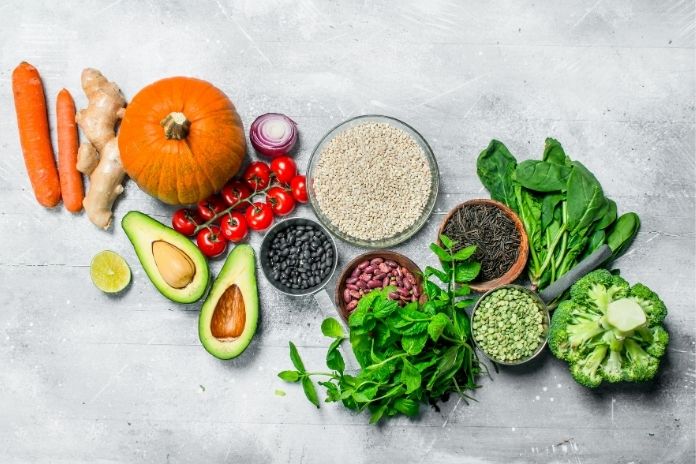
- Focus on whole, minimally processed foods: vegetables, legumes, whole grains, fruits, lean proteins, and healthy fats.
- Fiber from food sources, like fruits, vegetables, beans, and whole grains, is generally safe and supports satiety, blood sugar control, and gut health.
- Rather than chasing “miracle” foods or supplements, aim for consistent, sustainable eating patterns.
A large body of evidence shows that focusing on whole, minimally processed foods, such as vegetables, legumes, whole grains, fruits, lean proteins, and healthy fats, improves blood sugar control, supports gut health, and promotes satiety. For example, meta-analyses find that dietary fiber from these food sources improves insulin sensitivity and glycemic control in people with type 2 diabetes.
Use Supplements Judiciously
- Supplements like berberine can offer modest benefits for blood sugar and metabolic health, but consulting a medical professional is essential.
- Typical research doses are ~500 mg two to three times daily, but individual needs vary.
- Always check for drug interactions: Berberine can inhibit cytochrome P450 enzymes, affecting medications like anticoagulants, immunosuppressants, and certain statins.
Lifestyle Matters Most
- Exercise: Combine aerobic activity with resistance training to boost metabolism, preserve muscle, and support appetite regulation.
- Sleep: Prioritize 7–8 hours per night to stabilize hunger hormones (ghrelin, leptin) and prevent metabolic disruption.
- Stress management: Meditation, breathwork, or other mindfulness practices reduce emotional eating and insulin resistance.
Seek Medical Oversight for Weight Management
- If your BMI is ≥30, or ≥27 with obesity-related comorbidities, you may qualify for prescription weight-loss medications, including GLP-1 agonists like semaglutide.
- A healthcare provider can assess risk, benefit, and suitability, guiding you safely toward effective treatment options.
Conclusion
The hype around “Nature’s Ozempic” is understandable; everyone wants a simple, natural shortcut to weight loss. But the science is clear: no food or supplement can match the potency, predictability, or clinical evidence of prescription GLP-1 drugs like semaglutide.
That doesn’t mean natural options are useless. Fiber-rich foods, legumes, whole grains, and select supplements like berberine can modestly support appetite control, blood sugar regulation, and overall metabolic health, but they work best as part of a balanced lifestyle that includes whole-food nutrition, regular exercise, quality sleep, and stress management.
The key takeaway: there are no shortcuts, only smart, consistent habits. Using natural tools wisely can complement, but not replace, medical treatments when needed. And if you are struggling with obesity or metabolic challenges, seeking professional guidance is the safest and most effective path forward.
In short: enjoy natural options for health, but respect the science behind prescription therapies. Combine evidence-based strategies with lifestyle foundations, and you’ll set yourself up for sustainable, meaningful results, without falling for the hype.
References
- https://health.ucdavis.edu/blog/cultivating-health/ozempic-for-weight-loss-does-it-work-and-what-do-experts-recommend/2023/07
- https://www.diabetes.org.uk/about-diabetes/looking-after-diabetes/treatments/tablets-and-medication/glp-1/semaglutide/ozempic
- https://www.health.harvard.edu/staying-healthy/how-does-ozempic-work-understanding-glp-1s-for-diabetes-weight-loss-and-beyond
- https://www.webmd.com/drugs/2/drug-174491/ozempic-subcutaneous/details
- https://www.ema.europa.eu/en/medicines/human/EPAR/ozempic
- https://www.ozempic.com/why-ozempic/how-ozempic-works.html
- https://mcb.illinois.edu/news/2024-07-09/how-do-drugs-ozempic-work-weight-loss
- https://www.news-medical.net/health/Is-Berberine-Really-e2809cNaturee28099s-Ozempice2809d-What-Science-Says.aspx
- https://timesofindia.indiatimes.com/life-style/health-fitness/weight-loss/berberine-and-weight-loss-the-truth-behind-the-natures-ozempic-hype-health-benefits-side-effects-risk-factors/articleshow/123823830.cms
- https://www.sharp.com/health-news/is-berberine-natures-ozempic
- https://www.medscape.com/viewarticle/993949
- https://www.frontiersin.org/journals/nutrition/articles/10.3389/fnut.2025.1518143/full
- https://jcsm.aasm.org/doi/10.5664/jcsm.2348
- https://pubmed.ncbi.nlm.nih.gov/32537891/
In this Article