



















TikTok isn’t just about dances and lip-syncs anymore; it has evolved into a massive hub for fitness content. Millions of users log on daily to discover quick workouts, from the 12-3-30 treadmill challenge (walking at 12% incline, 3 mph, for 30 minutes) to plank holds, jump rope circuits, and even “cozy cardio” sessions that promise calorie burn from the comfort of your living room.
These short, shareable clips often rack up millions of views under hashtags like #fitTok, #fitnesschallenge, and #homeworkouts, making fitness feel just a tap away. The appeal is obvious: the workouts look simple, fun, and highly accessible. Seeing someone you follow crush a routine, and noticing thousands of others joining in, creates a sense of social proof and motivation.
It’s easy to believe that if it works for them, it could work for you, too. Plus, the short, visually engaging format makes it feel manageable, even on a busy day. But here’s the catch: while TikTok challenges can inspire movement, not all of them are safe or effective. Many viral routines are designed for entertainment rather than scientific accuracy, and exercises may be performed with poor form, inadequate warm-ups, or unrealistic intensity.
What looks like a fun 10-minute burn might actually be putting joints, muscles, or the heart at risk, especially for beginners or those with pre-existing injuries.
So, before you jump on the latest TikTok fitness trend, it’s worth asking: what does the evidence say, and how can you engage with these workouts safely? Understanding the risks and benefits can help you enjoy the motivation of #fitTok without turning a viral trend into an injury.
The Rise of TikTok Fitness Challenges
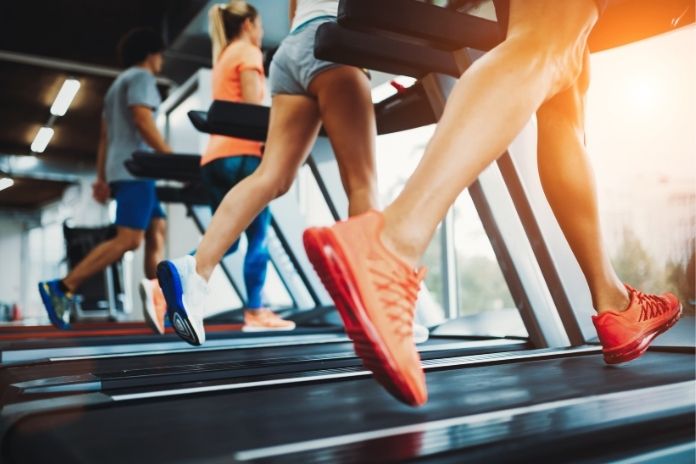
Short-form video is tailor-made for fitness trends. The quick, visually engaging format allows users to showcase a single move, a full workout, or even a before-and-after transformation in under a minute.
Pair that with catchy music, trending hashtags, and a strong sense of community, and you have the perfect recipe for virality. Fitness on TikTok is as much about entertainment and social connection as it is about exercise, making it uniquely effective at capturing attention.
Some of the most popular TikTok workout trends include:
- 12-3-30 Treadmill Challenge: Created by influencer Lauren Giraldo, this walking workout involves walking at a 12% incline and 3 mph for 30 minutes. It became a sensation because it strikes a balance between approachability and intensity, making users feel they can get results without an overwhelming routine.
- Wall Sit Challenges: Holding a squat position for as long as possible, often shared in “Day 30 vs. Day 1” progression videos. The challenge appeals to viewers because it’s simple to start but visually impressive as participants improve over time.
- 75 Hard Challenge: A lifestyle program that blends fitness, diet, and discipline. Participants must complete two daily workouts, stick to a strict diet, and adhere to other mental toughness exercises. Its popularity stems from the community aspect and the sense of accomplishment that comes with completing a tough program.
- Cozy Cardio: Low-stakes movement like walking on a treadmill while watching TV or doing light exercises at home. This trend is marketed as approachable fitness for those intimidated by gyms, making movement feel accessible without pressure.
The reach of these trends is staggering. As of 2025, the hashtag #12-3-30 has over 600 million views, while #fitTok has billions. For younger audiences, TikTok has become a primary fitness resource, rivaling YouTube in influence.
The platform’s algorithm amplifies content that is visually appealing, easy to follow, and socially validated, which explains why even relatively simple exercises can go viral worldwide.
TikTok fitness trends also benefit from community participation. Users share progress, tips, and variations, creating a sense of accountability and connection. For many, watching peers succeed or fail provides motivation and relatability that traditional fitness media can’t match.
However, while the social appeal is powerful, it also raises questions about safety, accuracy, and long-term effectiveness, which every participant should consider before joining in.
Read More: The Dark Side of Fitness Challenges: Are They Hurting Your Body?
Benefits of TikTok Fitness Challenges

While TikTok fitness has its critics, many trainers acknowledge that these trends offer genuine benefits, especially for beginners and those seeking motivation to stay active.
1. Low Barriers to Entry
One of the biggest advantages of TikTok fitness challenges is accessibility. Most routines require minimal equipment, often just a treadmill, yoga mat, or bodyweight exercises. This makes them approachable for beginners, people working out at home, or those who feel intimidated by gyms. The simplicity allows anyone to participate and start building fitness habits without needing specialized gear or a costly membership.
2. Motivation Through Community
The social aspect of TikTok is a powerful motivator. Posting progress, tagging friends, or participating in viral challenges creates accountability and a sense of belonging.
A 2021 study in JMIR Public Health and Surveillance found that use of digital platforms (including social media and fitness apps) is associated with better adherence to physical activity guidelines. The visibility of others’ progress also inspires users to stay consistent, turning individual effort into a shared journey.
3. Exposure to New Ideas
TikTok exposes users to a wide variety of workouts and movement styles they might not encounter otherwise. From Pilates-inspired mobility drills to jump rope HIIT, functional strength routines, and even low-impact “cozy cardio,” users can experiment with different exercises, discover what they enjoy, and integrate new modalities into their personal fitness routine. This variety keeps workouts engaging and reduces the risk of boredom or plateauing.
4. Instant Motivation and Gamification
Many TikTok challenges incorporate elements of gamification, such as timed holds, daily progress videos, or streak tracking, which make exercise feel playful rather than obligatory. For beginners, this sense of achievement can spark confidence and help them develop a consistent workout habit.
Certified trainer Kelsey Wells of SWEAT summarizes it perfectly: “Instagram is a phenomenal blessing for the fitness landscape because through your phone, you can learn so much. You can find messages, people, places, and things that are going to empower you and inspire you to be better and feel better, and go, do, and be your best.”
Read More: Fitness Challenges to Push Your Limits and Transform Your Body
Risks Trainers Warn About
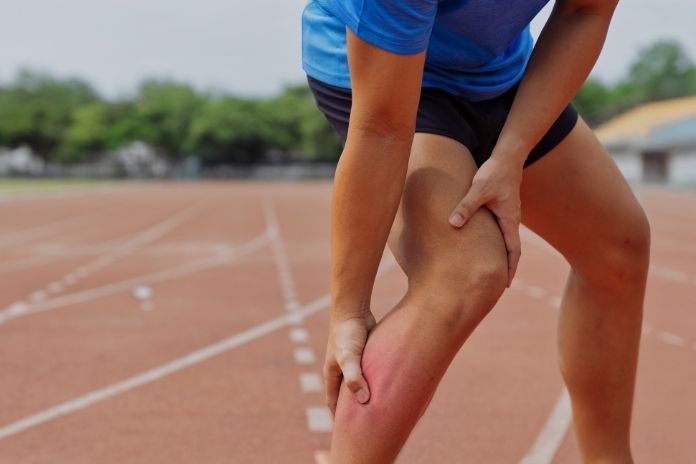
For every safe and effective TikTok fitness challenge, there’s another trend that raises red flags. Trainers emphasize several key concerns that anyone participating in viral workouts should keep in mind:
1. Lack of Personalization
Fitness isn’t one-size-fits-all. A workout that works for a healthy 20-year-old with no injuries may be unsafe for someone with knee pain, shoulder issues, or other health conditions. Copying viral routines without considering individual limitations can increase the risk of injury and setbacks.
Dr. Mark Kovacs, a sports science and medical expert, says: “Strength training isn’t one-size-fits-all across the lifespan; it needs to evolve with the body. In your 20s and 30s, most people benefit from almost any consistent resistance training, thanks to naturally high hormone levels and recovery capacity. But by your 40s and beyond, precision matters more. Exercisers need to lift with intention, using challenging loads, proper technique, and progressive overload.”
2. Overuse Injuries
Repetition without variation is a common pitfall of viral challenges. Doing the same move every day, whether it’s incline treadmill walking, plank holds, or wall sits, can strain muscles, tendons, and joints.
Several studies have now demonstrated an association between reduced coordination variability and orthopedic disorders or overuse injuries. Absolute coordination with low variability causes forces to be distributed across small surface areas, possibly resulting in overuse injuries.
3. Unrealistic Expectations
Many TikTok trends promise rapid results, whether it’s weight loss, a toned physique, or visible strength gains in 7–30 days. These claims are often misleading and can push participants to progress too quickly, skip proper warm-ups, or increase intensity unsafely. Unrealistic expectations not only set users up for disappointment but also raise the risk of injury and unhealthy habits.
4. Dangerous Extremes
Some programs take intensity to an extreme. The 75 Hard program, for example, mandates two workouts per day, strict diet adherence, no rest days, and daily progress photos. While marketed as a discipline-building lifestyle challenge, many experts consider it excessive for beginners and potentially harmful to joints, cardiovascular health, and mental well-being. Extreme programs often prioritize virality and challenge appeal over safety or evidence-based design.
A 2021 paper in PMC Social Science & Medicine examined the effects of “fitspiration” (fitness inspiration) content. Exposure to fitspiration on social media is associated with body dissatisfaction, disordered eating, and unhealthy exercise behaviors. Rapid-result promises on platforms like TikTok may form part of a pattern that encourages unhealthy or unsafe behaviors.
Trainer-Approved TikTok Challenges (Safe Options)
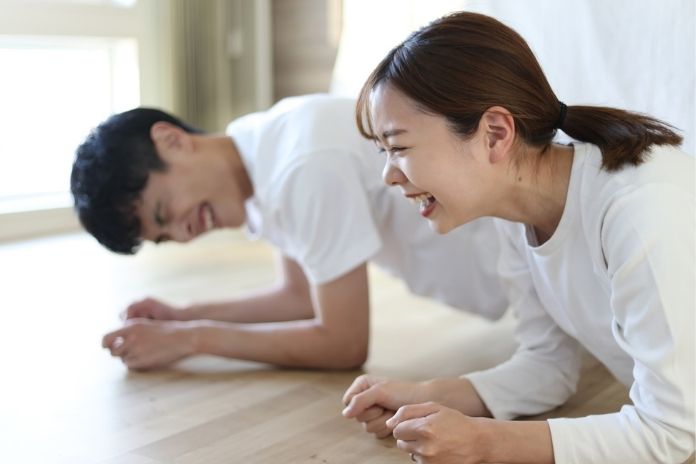
Not every viral TikTok fitness trend is risky. Many challenges, when approached thoughtfully and performed with proper form, can be safely incorporated into a broader, balanced workout routine. Here are some examples of trainer-approved options:
1. 12-3-30 Treadmill Walk
This challenge involves walking at a 12% incline at 3 mph for 30 minutes. While steep inclines can place extra stress on the calves and Achilles tendons if overdone, trainers generally consider it safe for most people when approached gradually.
Beginners can start with a lower incline, shorter duration, or slower pace, then build up over time. Focusing on controlled steps and good posture reduces joint strain and ensures a productive, low-impact cardiovascular workout.
2. Plank Challenges
Static planks are excellent for strengthening the core, improving posture, and stabilizing the spine. They can be modified to suit different fitness levels:
- Knee Planks: Reduce intensity while still engaging the abdominal and shoulder muscles.
- Side Planks: Target the obliques and lateral stabilizers, promoting balanced core development.
- Timed Intervals: Start with 20–30 seconds and gradually increase as strength improves.
Planks are low-impact, joint-friendly, and can complement both cardio and strength routines.
3. Jump Rope Routines
Jumping rope in short bursts is an efficient way to build cardiovascular endurance, coordination, and agility. Trainer-approved tips for safety:
- Begin with 30–60 second intervals.
- Focus on soft landings to protect knees and ankles.
- Use a rope length that allows smooth, controlled motion.
Jump rope routines are adaptable, start slow, and increase duration or intensity as fitness improves.
4. Cozy Cardio
This trend emphasizes movement over intensity, making exercise feel approachable and fun. Examples include:
- Walking on a treadmill while watching Netflix.
- Gentle cycling at home.
- Light dance or mobility routines.
Although cozy cardio may not maximize calorie burn, it promotes consistency and builds the habit of daily movement, one of the most important factors for long-term fitness.
Read More: 9 Fitness Challenges for a Fun and Effective Workout Routine
Challenges Trainers Advise Caution With
While TikTok fitness challenges can be motivating, some trends carry higher risks and should be approached with caution or avoided altogether, especially for beginners or those with pre-existing conditions.
1. Extreme Calorie-Burning or Weight-Loss Claims
Challenges that promise rapid weight loss, such as “lose 20 pounds in 30 days,” should be viewed skeptically. The Centers for Disease Control and Prevention (CDC) recommends a safe weight-loss rate of 1–2 pounds per week.
Extreme claims often encourage unhealthy dieting, overexertion, or skipping meals, which can compromise metabolism, lead to nutrient deficiencies, and increase injury risk. Fitness is a long-term journey, and chasing viral results can backfire physically and mentally.
2. High-Volume HIIT for Beginners
High-Intensity Interval Training (HIIT) is effective for cardiovascular fitness and fat loss, but it’s not suitable for everyone, particularly when done in high volume. Jumping straight into intense burpees, jump squats, or sprint circuits without proper conditioning can strain joints, tendons, and muscles.
Beginners should focus on building foundational strength and endurance first, then gradually increase intensity and duration to reduce the risk of overuse injuries or acute trauma.
3. Unsupervised Strength Challenges
Many TikTok routines showcase heavy barbell lifts, kettlebell swings, or explosive plyometric moves. While these exercises can be excellent when performed correctly, online demonstrations often lack detailed guidance on proper form, progression, or individual modifications.
Performing these movements without supervision, especially for newcomers, dramatically increases the risk of sprains, strains, or even more serious injuries.
Dr. Jennifer Horawski (orthopedic sports medicine, Univ. of Miami): “Social media is a great way to discover new ideas to add to your exercise routine. But make sure to separate science-backed advice from myths. If you’re unsure about a wellness trend, consult a health care professional before changing your routine.”
Tips for Trying Viral Challenges Safely
Viral fitness challenges can be fun and motivating, but approaching them carefully is key to staying safe and avoiding injury. Here are trainer-backed strategies to get the most out of TikTok workouts without putting your body at risk:
1. Start Slow
Begin with a lower intensity or shorter duration than the viral trend suggests. For example, if you’re attempting the 12-3-30 treadmill challenge, try 12-2-20 first, walking at 12% incline, 2 mph, for 20 minutes. Gradually increase speed, incline, or duration over several weeks. Starting slow allows your muscles, joints, and cardiovascular system to adapt safely.
2. Prioritize Form Over Quantity
Proper mechanics always matter more than hitting a specific number of reps or duration. Poor form can quickly turn a fun challenge into an injury. Use mirrors, record yourself, or ask a trainer for feedback to ensure correct alignment and technique. Even minor adjustments, like keeping shoulders relaxed during planks or landing softly when jumping rope, can prevent strain and improve effectiveness.
3. Listen to Your Body
Soreness after a workout is normal, but sharp or persistent pain is a warning sign. If discomfort continues, stop the exercise, modify it, or allow time for recovery. Pay attention to joints, tendons, and muscles, and don’t push through pain just to complete a challenge. Your body is the best indicator of whether a workout is safe.
4. Mix It Up
Avoid relying exclusively on a single viral trend. Balance your routine with strength training, flexibility exercises, low-impact cardio, and scheduled rest days. Variety not only protects joints and muscles from overuse but also improves overall fitness.
Evidence shows that including variety in exercise programs improves adherence, and multicomponent neuromuscular programs reduce injury risk, supporting variety as a long-term, safer approach.
5. Treat Challenges as Tools, Not Programs
Remember: TikTok workouts are supplemental, not substitutes for a well-rounded fitness plan. Use viral challenges to motivate and engage, but integrate them thoughtfully into a program that addresses your goals, abilities, and recovery needs.
By following these tips, you can enjoy the motivation, creativity, and community of TikTok fitness while keeping your workouts safe, sustainable, and effective.
When to Seek Professional Guidance
While TikTok can spark motivation, certain situations warrant professional input:
- If you’re a beginner,A trainer can teach proper technique and help avoid common pitfalls.
- If you have injuries or chronic conditions,Medical clearance and personalized programming are critical.
- If you’re plateauing or frustrated,Trainers can adjust routines to match your goals.
Senior consultant physician Diwakar Tejaswi said health and fitness advice should always be personalised, based on an individual’s unique medical history, lifestyle, and needs.”The visually appealing and relatable nature of reels and podcasts often makes them more convincing than proper medical advice. However, following health tips without verifying the credentials and credibility of the source can be risky,” he said.
Conclusion
TikTok fitness challenges are a double-edged sword. On one hand, they inspire movement, foster community, and introduce creative, fun workouts that might otherwise be overlooked. On the other hand, they carry risks: lack of personalization, potential overuse injuries, and promises of rapid results that rarely match reality.
The key is perspective. Treat viral challenges as tools, not total solutions. They can energize your routine and keep motivation high, but they should never replace structured training, proper rest, or professional guidance.
Success comes from balance, variety, and consistency. Choose challenges wisely, prioritize form and safety, and listen to your body. When approached thoughtfully, TikTok workouts can spark movement, build confidence, and even introduce you to new forms of exercise, but lasting results are built outside the viral hype.
Key takeaway: TikTok can light the spark, but smart, sustainable training is what truly fuels strength, health, and long-term progress.
References
- https://www.bbc.com/news/articles/c5ydj07r0gro
- https://www.cnet.com/health/fitness/everything-we-know-about-75-hard-and-75-soft-tiktok-fitness-challenge/
- https://www.universalstudentliving.com/blog/5-tiktok-fitness-trends-to-help-you-get-moving
- https://storymd.com/story/8ojnG0zcxo-breaking-down-the-hype-around-sketchy-tiktok-fitness-trends
- https://www.vice.com/en/article/tiktok-fitness-workout-videos-viral-challenges-fittok/
- https://worldhealth.net/news/dangers-tiktok-75-day-hard-challenge-trend/
- https://www.sciencedirect.com/science/article/pii/S1740144524000913
- https://onlinelibrary.wiley.com/doi/10.1002/mar.22192?af=R
- https://kriya.fit/blogs/lifestyle-wellness/fitness-challenges-on-social-media-joining-the-trend-for-motivation
- https://gabb.com/blog/tiktok-trends/
- https://www.engagebay.com/blog/tiktok-challenges/
- https://www.tigerfitness.com/blogs/news/4-viral-tiktok-fitness-challenges-youll-want-to-try
- https://www.nytimes.com/2024/03/12/well/move/fitness-challenge-workout-diet-tiktok.html
In this Article