We all behave differently in different circumstances. This is especially true when we talk about relationships. Relationships can sometimes throw challenges, and how we deal with them totally depends on how we are wired. I, for example, get really anxious if my partner or loved one does not involve me in everything. This keeps me worried that he’ll leave me someday and find someone better. When I dug deeper into my feelings, it struck me that the anxiety might have stemmed from my childhood!
Do you also ever feel anxious when your partner doesn’t text you immediately? Do you fear that they may leave you, even in periods of stability? Perhaps you’re hungry for closeness but also avoid being “too much” in relationships. This is common in most relationships these days.
These are all signs of the anxious attachment style. This is one of the four primary patterns mentioned in attachment theory. It may make love feel suffocating, but it’s not a life sentence. With certain techniques that include self-reflection, therapy, or even loving relationships, you can learn to go ahead and feel secure and attached.
In this article, we’ll break down the signs of anxious attachment, its childhood roots, how it shows up in adult relationships, and, most importantly, practical steps to heal and build healthier connections.
Read More: Say Goodbye to Anxiety: Transformative CBT Techniques to Regain Control
Quick Take: Anxious Attachment in a Nutshell
Anxious attachment does not develop overnight. This stems from childhood caregiving patterns where love and attention felt inconsistent.
- Signs: Signs include clinginess, fear of abandonment, overanalyzing texts/calls, and jealousy.
- Impact: The anxious attachment patterns lead to excessive relationship anxiety, recurring conflict cycles, and fragile self-esteem.
- Healing: The techniques include therapy, mindfulness, secure communication, and re-parenting practices.
What Is Anxious Attachment Style?
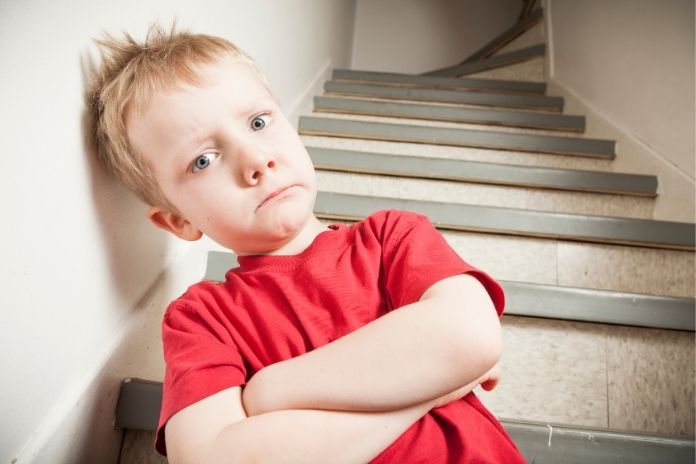
Attachment theory, initially proposed by psychologist John Bowlby and later built upon by Mary Ainsworth, explains how the quality of childhood care defines what we expect in adult relationships.
There are four primary attachment styles:
- Secure attachment is characterized by a balance between intimacy and independence.
- Anxious attachment, which leads to Intense desire for closeness but fear of rejection or abandonment.
- Avoidant attachment is when you feel the need for independence and unease with emotional intimacy.
- Disorganized attachment is a mixture of anxiety and avoidance, usually associated with trauma.
The anxious-preoccupied attachment style happens when a child has uncertain caregiving. At times their needs are provided for, but at other times comfort is removed or in doubt. This leads the child to learn that love is not secure and that they must remain hyper-vigilant to ensure it will not be taken away.
As adults, this cycle tends to result in:
- Excessive worry about partner availability
- Inability to calm down when insecure.
- Increased need for reassurance and closeness.
Although these behaviors are rooted in defensive adaptations acquired during childhood, they can form worsening relationship patterns in adulthood.
Symptoms of Anxious Attachment

Knowing the symptoms of anxious attachment is the first step towards recovery. Each symptom not only leads to how you feel on the inside but also how you interact with your partner.
1. Fear of Abandonment:
Anxious attachment individuals fear their partner will leave at any second. A slight delay in response can lead to panic or extreme thoughts such as, “They’re losing interest now.”
2. Constant Need for Reassurance:
Rather than feeling comfortable after affection, they’ll require incessant reassurances: “Do you still love me?” or “Are we okay?” It’s not manipulation. It’s a nervous system craving for stability and love.
3. Jealousy and Overanalyzing:
Anxiously attached people might overinterpret and overthink slight differences, such as a new texting tone or a social media friend, leading them to rejection signals.
4. “Too Much” Feeling:
They might feel their feelings or needs are too much and will provoke shame: “If I reveal how I feel, they will abandon me.” Ironically, concealment intensifies the anxiety.
5. Clinginess and Protest Behaviors:
When they feel ignored or threatened, they might protest with “protest behaviors”: overcalling, dramatic withdrawal, or putting their partner’s love to the test. These are bids for closeness that fail.
If many of these sound true for you, it could be a sign of an anxious-preoccupied attachment style.
In an interview with Amir Levine, M.D., an Associate Professor in the Department of Psychiatry in the Division of Child and Adolescent Psychiatry at Columbia University, said, “Anxious people think that the preoccupation is a sign of greater love. It’s like something is wrong with the love in the relationship. Everything was so exciting in the beginning, and now it’s like the world continues on, and we have a lot of interests outside. That can actually mean the relationship is good. Then, for avoidant people, it’s more like, “Oh, the person is so needy, so clingy.” When, in fact, they could be doing small things to make the relationship more secure.” Dr Levine is also co-author of a popular book, Attached: The New Science of Adult Attachment and How It Can Help You Find and Keep Love.
Read More: Do I Need Therapy? 7 Subtle Signs You Shouldn’t Ignore
What Creates Anxious Attachment?
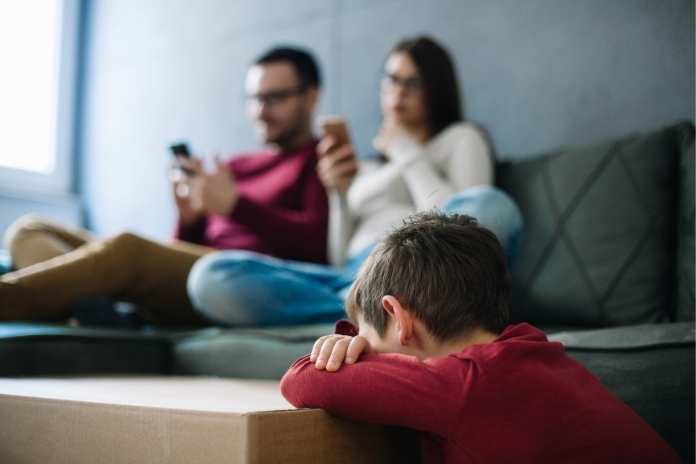
As mentioned earlier, attachment habits are formed in early childhood but can be more severe later in life. Some common causes include:
1. Inconsistent Caregiving:
Inconsistency leads to anxiousness. This happens when a caregiver is responsive some of the time but preoccupied or rejecting other times. That’s when a child senses love as an unpredictable thing. To adapt, they remain hypervigilant and look for cues to connect.
2. Emotional Unpredictability:
A child can emotionally feel lost, and this creates a cycle of anxious attachment. If warmth depends on a parent’s mood, sometimes caring, and sometimes blameful. This makes the child anxious, and they are never sure if needs will be fulfilled.
3. Neglect or Trauma:
As a child, being dismissed, belittled, or even humiliated for having needs can create lasting attachment injuries. Certain traumatic experiences, like divorce, illness, or loss, can add to this feeling of insecurity.
4. Relationship Reinforcement:
Anxious attachment, however, begins in childhood and has ripple effects in adulthood as well. Subsequent experiences, including dating partners who are inconsistent or emotionally unavailable, have severe anxious patterns. A breakup can not only be painful but also a demonstration that “everyone eventually leaves.”
5. Temperament + Environment:
Certain children are just born more sensitive. When that sensitivity is paired with inconsistent care, it leads to more anxious patterns.
The key takeaway is that such patterns are coping mechanisms, not shortcomings. They emerged to assist a child to survive in this unreliable world.
How Anxious Attachment Influences Adult Relationships
When taken into adulthood, anxious attachment affects communication, trust, and intimacy.
- Push-Pull Dynamics: Anxiously attached people crave closeness, which may overwhelm avoidant individuals. The avoidant individual pulls away, causing more anxiety. This produces a hurtful cycle.
- Conflict Escalation: A small issue can escalate because the anxious partner believes it to be a rejection. Arguments can become less about the problem and more about fearing losing love.
- Relationship Anxiety: Relationship anxiety can show up in several situations. Distance, silence, or neutrality is too often confused with “loss of love.” This puts the nervous system in high gear and makes you feel anxious.
- Communication Struggles: One of the many ways attachment anxiety can show up is through communication struggles. This is when partners, rather than directly expressing their needs, might use indirect approaches such as testing, withdrawal, or criticism.
- Intimacy Challenges: Anxious partners might intensely crave closeness, but their fear-based behaviors are likely to push partners away and promote feelings of rejection.
Identifying these patterns allows partners to view conflict not as “neediness” or “coldness,” but as signs of incompatible or unmatched needs.
How to Heal Anxious Attachment and Build Security
Here’s the promising reality: anxious attachment can be changed. With effort and guidance, it’s possible to acquire skills on how to repair anxious attachment and progress toward a secure, stable attachment style.
1. Establish Self-Awareness:
Here are a few ways you can establish self-awareness:
- Journaling: Record situations that provoke anxiety. What thoughts and fears come up? Eventually, you’ll notice patterns recurring.
- Mindfulness: Before responding when anxiety peaks, take a moment. Observe the body sensations, such as a racing heart or constricted chest, and breathe through them.
- Labeling Feelings: Rather than catastrophizing (“They’re leaving me”), attempt labeling the emotion: “I feel insecure because I didn’t hear back yet.”
2. Therapy and Professional Support:

Try out a few tips you can try that include professional help:
- Attachment-Based Therapy: This therapy examines the attachment you experienced with your caregivers or parents during childhood. If their love was inconsistent, you might have learned to cling or worry in relationships. Therapy involves practicing building safer, trusting relationships so that you won’t have the same fear of abandonment.
- Cognitive Behavioral Therapy (CBT): This one helps you observe and rethink the worrisome thoughts that drive your anxieties. For instance, rather than leaping to “They mustn’t care about me” when a partner doesn’t respond to text, CBT instructs you to hold on, look for cues, and rethink it more healthily. This gradually constructs a more balanced relationship thinking.
- EMDR: Eye Movement Desensitization and Reprocessing (EMDR) is frequently used when anxiety results from unresolved trauma. Working with eye movements or other guided stimuli, EMDR dampens the intensity of painful memories. The memories themselves don’t go away, but they no longer trigger the same crushing fear, so it becomes easier to feel safe in the present.
- Inner Child Work: This is all about being aware of that inner child that still feels small, fearful, or unloved from childhood. Rather than shutting it down, you learn to care for it through compassion, self-talk, and healing exercises. Inner child work allows you to tend to your own emotional needs instead of relying solely on others for validation.
3. Secure Relationship Practices:

Here are a few easy ways you can feel secure in relationships:
- Express Needs Clearly: Rather than hinting or testing, use: “I feel more secure when we check in each day. Can we discuss this?” Expressing yourself clearly helps build trust rather than being in doubt.
- Establish Healthy Boundaries: Boundaries protect both partners from burnout and promote mutual respect. Setting healthy boundaries is a win-win for both, as it only helps them grow in their relationship.
- Select Consistent Partners: Pursuing emotionally available partners can promote the possibility of creating a sense of security. Though this cannot be determined in the beginning, you can take it slow and decide to move ahead, only if the partner is emotionally present with you.
4. Self-Reparenting Techniques:
An inconsistently loved child may need to ‘reparent’ themselves. Here are a few easy ways to do so:
- Affirmations: Affirmations are amazing. All you need to do is replace anxious thoughts with grounding truths, such as “I am lovable even when somebody is unavailable.”
- Self-Soothing Skills: Try incorporating self-soothing practices, such as meditation and movement, to help you gain inner calm —a much-needed aspect for preventing anxiety.
- Independent Self-Worth: Develop confidence through friendships, hobbies, and successes independent of romance.
Anxious attachment healing doesn’t mean you never feel insecure again. But simply how to keep anxiety at bay without letting it dictate relationships and impact lives.
Read More: How to Tell If You’re Having a Panic Attack: Key Symptoms and What Helps
Can You Transition from Anxious to Secure?
Yes, and research strongly supports it. Attachment styles are not fixed. They can change based on healing work, safe, consistent relationships, and personal growth.
- Therapy rewires old patterns by allowing us to have corrective emotional experiences. Seeking therapy is not to be looked down upon; instead, it should be encouraged.
- Secure partners lead to consistency, teaching that love can be safe and dependable. This replaces anxiety with a feeling of being secure and being loved.
- Personal growth practices, such as mindfulness, setting boundaries, and self-compassion, build inner security.
Actually, most people who used to find themselves constantly seeking reassurance nowadays define themselves as secure, trusting, and comfortable with closeness. Coming from an anxious to secure attachment is a process, but it is totally possible.
Conclusion
An anxious attachment style is a way of living with a constant sense of bracing for loss. The behaviors of anxious attachment, clinginess, jealousy, and fear of abandonment are not deficits but adult expressions of survival learned in childhood. Through the knowledge of their origins and the application of tools for healing, these patterns can be released.
By way of self-knowledge, therapy, secure communication, and reparenting practices, it’s possible to learn to repair anxious attachment and move toward the security you deserve.
Your history molded your tendencies. But the best news is, it doesn’t have to determine your destiny. With persistence and patience, you can build and maintain relationships founded on trust, security, and love that endure.
You’re worthy of all the love future holds for you!
References
- https://www.calm.com/blog/inner-child-work
- https://pmc.ncbi.nlm.nih.gov/articles/PMC8475916/
- https://www.psychologytoday.com/us/therapy-types/attachment-based-therapy
- https://www.helpguide.org/relationships/social-connection/attachment-and-adult-relationships
- https://www.mindtalk.in/blogs/healthy-relationships-and-anxious-attachment-styles
In this Article