













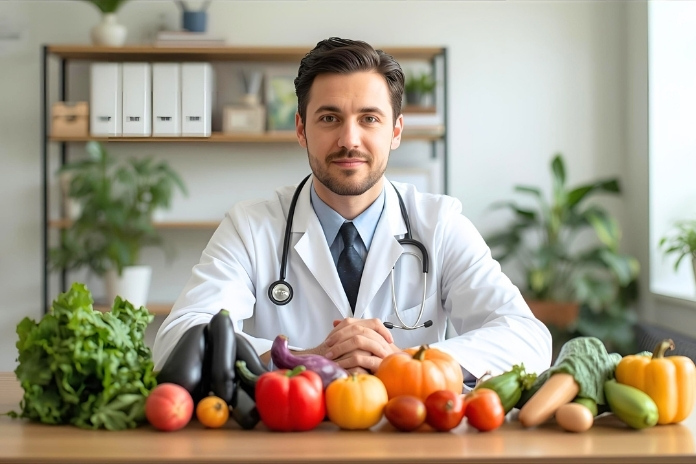
Recently, I visited a doctor, and his prescription typically meant a visit to the pharmacy. Now it could come with a coupon for salad greens, whole wheat, or strawberries. Around the United States, more doctors are writing prescriptions for something that can be on the table instead of on the counter. This concept originates from the RAL notion (Rational, Advocacy, and Lifestyle), which suggests that what is on the plate can be as effective as what is in the pill box.
The movement is slowly gaining popularity for its role in health. Conditions/diseases such as type 2 diabetes, heart disease, and overweight/obesity have become the main reason for U.S. healthcare spending, and the great majority of them may be avoided by adjusting one’s lifestyle. Food prescribing by physicians is something more than a touchy-feely exercise; it is one of the numerous evidence-based efforts to integrate nutrition into medicine.
Combining produce prescription programs with hospital-based food pharmacies is providing promising results. Patients not only benefit from better nutrition but also experience weight reduction, improved hypertension management, and better sugar control. As more research and support from insurers and policymakers emerge, food prescription will change the game in preventive care.
What Does “Prescribing” Food Mean?

Ultimately, prescribing food is simply taking nutrition seriously like medicine. They differ from regular diet recommendations and are highly specific. easy-to-measure, and frequently complemented by solid resources like vouchers, boxes of produce, or nutrition therapy.
The approach is based on medical nutrition therapy (MNT), a systematic, evidence-based practice that combines the efforts of registered dietitians and physicians to individualize a patient’s diet in response to a specific disease state. For example:
- Type 2 diabetic patients can be presented with a low glycemic meal plan and produce vouchers every week.
- A patient with hypertension can be advised to follow the DASH diet (Dietary Approaches to Stop Hypertension), which emphasizes fruits, vegetables, whole grains, and reduced sodium intake.
- High-risk cardiac disease patients may be offered the Mediterranean diet, which has been shown to reduce cardiovascular events in several clinical trials.
What makes a prescription diet different from unofficial advice is follow-up. As the doctor monitors the effects of medication, they also check long-term effects, such as blood pressure, weight, and blood sugar levels. The result is a systematized therapy that makes patients view foods as an integral part of their treatment, rather than an afterthought.
Read More: Best Diet for Mounjaro: Foods to Eat and Avoid for Maximum Weight Loss
Why Doctors Are Writing Prescriptions for Food
Here are a few reasons why doctors are prescribing food as medicine.
Chronic Disease Prevention and Control:
The U.S. Centers for Disease Control and Prevention puts the number of adults with chronic disease at 6 out of every 10, and poor diet is one of the largest causes. Many of these diseases, like type 2 diabetes and cardiovascular disease, are very preventable or manageable with diet.
For example, a study found that hypertensive patients on the DASH diet reduced systolic blood pressure by an average of 11 mmHg over weeks. That translates to the magnitude of the first-line drugs.
With nutrition prescriptions, doctors seek to reverse the focus of care from disease treatment to disease prevention.
Speaking about using food as medicine, Dariush Mozaffarian, who is a cardiologist, public health scientist, and Director of the Food is Medicine Institute at Tufts University, shares his views.
He says,” There is a diversity of treatments in food as medicine. There are fully prepared, medically tailored meals. There are medically tailored groceries, which could be given as a food box, mailed to the home, or picked up at a healthcare center. And then there’s just fresh produce, produce prescriptions, usually for fresh fruits and vegetables.”
Rising Healthcare Costs:

The U.S. spends over $4.1 trillion annually on healthcare, with approximately 90% of this amount directed toward managing chronic diseases. Prescription medications, hospitalizations, and complications from preventable conditions drive much of this spending. Nutrition prescriptions, by reducing reliance on costly treatments, offer a pathway to substantial savings.
For instance, the Fresh Food Farmacy program of the state of Pennsylvania provides patients with uncontrollable diabetes with weekly boxes of healthful foods. Patients decreased their A1C by nearly 2 percentage points on average, which reduces the long-term risk of costly complications, including kidney failure and cardiovascular disease.
Better Evidence Base:
The concept of medicine as food isn’t new. Hippocrates famously recommended, “Let food be thy medicine.” What is unique these days is the evidence base. According to a study, determined that producing prescription programs on a structured basis regularly enhanced diet quality and health status.
The more evidence we get, the more convinced the doctors become that prescribing a diet isn’t just medicine, it’s a clinically effective way to manage things.
Read More: Diet for Endometriosis: Foods That Help and Foods to Avoid
How Food Prescriptions Work in Practice

Food prescriptions can be of several types, depending on the healthcare system, resources, and patient needs.
Nutrition Counseling at Clinics:
A few hospitals classify registered dietitians as primary care team members. Physicians can then refer patients for progressive nutrition visits after making the diagnosis. The visits offer the patients personalized meal plans, nutrition advice on cooking, and follow-up check-ups. The model is particularly effective for chronic diseases such as diabetes and obesity, where long-term behavioral changes are required.
Produce Prescriptions Initiatives:
The most innovative aspect of these initiatives is the produce prescription plan, where patients receive vouchers for produce that can be used at supermarkets within the region as well as at farmers’ markets.
For example, the non-profit Wholesome Wave has quantified that members increased produce usage by 1.5 servings daily and experienced notable improvements to the security of their food supply.
Food Pharmacies and Collaboration with Hospitals
Some health systems have on-site “food pharmacies.” At Kaiser Permanente in California, Doctors can refer patients directly to one of the hospital-based pantries stocked with produce, whole-grain foods, and lean protein foods.
Similarly, BSWHealth of Texas has farm and food bank partnerships that provide medically tailored food boxes to patients recovering from surgery or those with chronic disease care.
Government Help and Insurance
Government and payers are gradually getting the message. Medicaid and Medicare have initiated pilot programs that finance food prescriptions, and the USDA’s Gus Schumacher Nutrition Incentive Program (GusNIP) finances produce prescription programs nationwide. Preliminary data suggest that the programs improve health outcomes and reduce emergency room usage, a win-win for both payers and patients.
Conditions Where Food Is Commonly Prescribed
Doctors usually treat conditions where diet has the highest influence by prescribing foods. These conditions include:
Type 2 Diabetes:
Diabetes nutrition prescriptions aim to stabilize blood sugar levels. The Fresh Food Farmacy program outlined above proved to be a remarkable success, with patients lowering their A1C levels, and quality of life being reported as improved. High-fiber foods, such as legumes, vegetables, and whole grains, dominate these prescriptions.
Hypertension:

The DASH diet, which has been ranked as one of the healthiest diets annually by U.S. News & World Report, is a recommended routine. Patients can typically lower their blood pressure within weeks by reducing their sodium intake and focusing on foods high in potassium, such as bananas, spinach, and beans.
High Cholesterol and Heart Disease:
Prescriptions of foods here focus on a plant-based diet. Soluble fiber foods (barley, oats, beans), those high in omega-3 foods (salmon, flaxseeds), and nut foods lower LDL cholesterol. Clinical trials have validated that these nutritional therapy adjustments can lower cardiovascular risk as effectively as statin therapy at times.
Obesity and Weight Control:

More than simply calorie restriction, prescriptions focus on nutrient-dense foods that provide greater fullness and prevent overeating. Most programs include boxes of food, along with behavioral counseling, to address long-term behaviors.
Mental Health:
A promising frontier is nutritional psychiatry. Research connects the risk of depression with dietary patterns high in whole foods and omega-3-rich foods. Still new, some doctors tentatively prescribe the use of dietary changes to promote mental well-being.
Benefits of Prescribing Food

The prescribing of foods has several effects. The benefits include:
- Better Following: Patients like to modify their diet more than taking one additional pill. Adherence is better if vouchers or boxes are given to them.
- Less Drug Dependency: Certain patients reduce doses or stop certain medicines following diet improvement.
- Cost Savings: Lower healthcare dependence translates to significant savings. A simulation in Health Affairs estimated that nationwide prescription programs for produce could save $40 billion in healthcare costs over a decade.
- Better Quality of Life: In addition to figures, patients have more energy, a better mood, and more control of their health.
- Equity and Access: As the prevalence of food insecurity has declined, these programs provide a valuable complement to care, especially for the underserved.
In a nutshell, medical nutrition prescribing isn’t just disease treatment; it helps promote quality of life.
Limitations:
Despite its promise, the model faces issues. These can include:
- Insurance Coverage: Though pilots do exist, wide coverage of food prescriptions is scarce.
- Doctor Education: Less than 20 hours of coursework in nutrition leaves doctors poorly prepared to practice.
- Access to Healthy Food: Food deserts limit patients’ access to medication prescribed by doctors, especially in impoverished or rural areas.
- Behavioral Barriers: Changing eating habits can be a challenging task. Preference, cooking ability, and time all play a role.
Overcoming these challenges is crucial to reaping significant benefits from this movement.
Read More: Can Your Diet Help Control Asthma? Discover the Foods That Make a Difference
How You Can Advocate for Food as Medicine
Food as medicine isn’t simply a policy problem. It can be advocated directly by patients and communities.
- Ask Your Doctor: Discuss nutrition concerns on office visits. Inquire if the health status can be enhanced with a nutrition prescription or referral to a registered dietitian.
- Find Local Programs: Increasingly, more cities have Community Supported Agriculture (CSA) programs or produce prescription programs that are managed by nonprofits.
- Urge Policymakers to Change Course: Advocate legislation increasing funding to GusNIP and comparable initiatives.
- Invest in Education: Issue a challenge to increase nutrition education during medical school and continuing medical education by physicians. The more the patients demand nutrition-based medicine, the faster the system will react.
Conclusion
The doctor prescribing food trend is changing the scope and use of medicine. Nutrition is no longer just an “alternative’’ or another option; it helps you prevent and treat several diseases, too.
Initiatives demonstrate that when patients have access to healthy foods, either through vouchers, produce boxes, or hospital collaborations, their health conditions improve, expenses decrease, and lives are transformed. The medicine of the future may not be just in labs or medicine stores but in the kitchen, farm, and supermarkets. It is not just good advice to eat wisely; it is medicine, and it is determining the future of medicine.
So next time you see food, imagine how it’ll help cure you, and lead to better overall health.
In this Article