












The Hidden Threat of Salt
Most people think of table salt, but in reality, much of the sodium we consume hides in everyday foods. Foods like bread, biscuits, cakes, noodles, canned soups, sauces, packaged snacks, cheese spreads, and ready-made spice mixes often contain a lot of hidden salt that you may not even notice.
These sneakily salty items can raise blood pressure, cause swelling, and place extra stress on your kidneys over time. Kidney-friendly cooking means using fresh ingredients, cutting back on processed and packaged foods, and seasoning with herbs, spices, or lemon instead of salt.
By being aware of where salt hides and choosing homemade or low-sodium options, you can better protect your kidneys and support your overall health.
Read More: The Link Between Hypertension and Kidney Health
Why Excess Salt Harms Your Kidneys
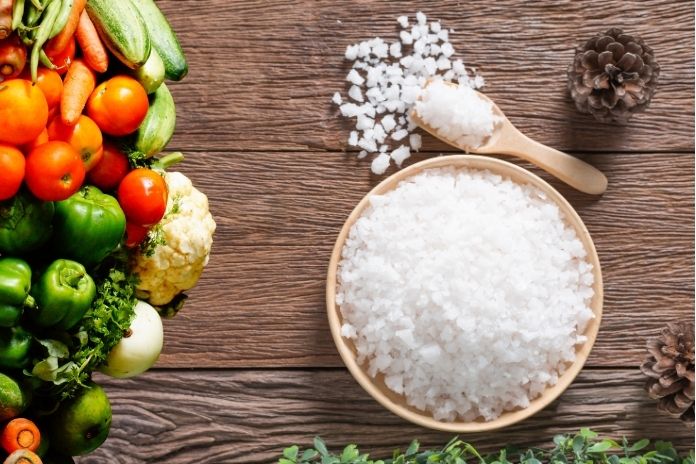
When you eat too much salt, it sets off a chain of effects that strain your kidneys. Understanding the link between sodium and kidney health is important because the damage often happens quietly over time.
High Sodium → Elevated Blood Pressure → Kidney Strain
Your kidneys help regulate sodium levels. But when there’s too much sodium, it builds up in your blood. This makes your heart work harder to pump, driving up blood pressure.
This constant pressure stresses your kidneys, making them filter blood under tougher conditions. Over time, this is one of the key ways salt damages kidneys.
Long-Term Effects: Worsening Chronic Kidney Disease (CKD)
That extra strain doesn’t just stay temporary. It can reduce kidney function and speed up chronic kidney disease (CKD). For people already diagnosed with CKD, lowering salt intake has shown benefits in reducing complications, though more research is needed to confirm long-term survival effects.
Linda Ulrich, Member of the National Kidney Foundation and Council of Renal Nutrition, explains, “Diets high in sodium increase blood pressure levels. High blood pressure damages the kidneys over time and is a leading cause of kidney failure.”
Hypertension and Fluid Retention: A Vicious Cycle
Excess salt pulls more water into your bloodstream, raising both blood volume and blood pressure. This leads to fluid retention, swelling, and extra stress on your kidneys. Over time, the kidneys may start leaking protein into urine, an early warning sign of damage.
Experts consistently warn that high sodium intake not only worsens blood pressure but also sets up a damaging cycle that weakens the kidneys further.
The relationship between sodium and kidney health is clear: eating too much salt raises blood pressure, causes fluid retention, and overworks the kidneys. This long-term stress accelerates CKD and makes it harder for your body to remove waste.
Being mindful of hidden salt in processed foods and cutting back can go a long way in preventing salt damage to the kidneys and supporting overall health.
Read More: Kidney-Approved Mediterranean Chicken Bake
Hidden Sources of Salt in Everyday Foods

Salt is not limited to the dinner table; it is concealed in numerous everyday meals and beverages. These hidden salt sources frequently infiltrate your diet unnoticed, facilitating the consumption of quantities above the prescribed limits.
Here is a concise analysis to assist you in identifying foods high in sodium and making informed dietary choices for improved health.
a) Packaged and Processed Foods
- Bread, bagels, breakfast cereals
Everyday staples like bread, bagels, and cereals don’t taste salty but often contain significant sodium. Just a couple of slices of bread can add hundreds of milligrams of sodium to your diet.
- Processed meats (bacon, sausage, deli meats)
Bacon, sausages, and deli meats are preserved with salt, making them among the foods high in sodium that people eat regularly.
- Canned soups, sauces, instant noodles
These pantry favorites can contain a whole day’s worth of sodium in one serving. They are classic examples of hidden salt sources in processed meals.
b) Restaurant and Fast Foods
- Burgers, fries, pizza
Fast food items like burgers, fries, and pizza are loaded with sodium. A single slice of pizza or a serving of fries can put you well over safe limits.
- Sauces, marinades, and seasoning mixes
Flavor enhancers used in restaurants—such as marinades, sauces, and spice blends—often add a large amount of salt, even when the dish doesn’t taste overly salty.
c) “Healthy” Foods With Hidden Sodium
- Cottage cheese, plant-based meat substitutes
Cottage cheese may look like a light option, but it’s often packed with sodium. Likewise, plant-based meats incorporate salt for texture and flavor, serving as hidden sources of sodium that many individuals neglect.
- Electrolyte beverages and sports drinks
These beverages are formulated to replenish minerals depleted by perspiration, although they frequently include unnecessary sodium for the average person.
- Salad dressings, “light” or “diet” packaged meals
Foods labeled as “light” or “healthy” may nonetheless include high levels of sodium to increase flavor, contradicting their marketing claims.
d) Snacks and Condiments
- Pickles, chips, crackers, popcorn
Popular snacks are often heavily salted to improve taste and shelf life. Pickles, in particular, are one of the most common hidden salt sources.
- Soy sauce, ketchup, hot sauce
Just a small serving of these condiments can add a big sodium load. Soy sauce, for example, contains more than 900 mg of sodium in a single tablespoon.
Why It Matters and What You Can Do
The majority of excess sodium in our diets doesn’t come from the salt shaker—it comes from hidden salt sources in processed and restaurant foods. Consuming too many foods high in sodium increases blood pressure and strains the kidneys, raising the risk of heart disease and stroke.
Tips to reduce sodium intake:
- Prepare meals at home using fresh ingredients.
- Examine nutritional labels and select “low-sodium” alternatives.
- Utilize herbs, spices, and lemon for taste enhancement instead of salt.
- Consume fresh fruits, veggies, or unsalted almonds as snacks.
By recognizing hidden sources of salt and restricting sodium-rich meals, you can implement straightforward measures to safeguard your heart, kidneys, and overall well-being.
Read More: 12 Ways to Maintain Good Kidney Health
How to Spot Hidden Salt on Labels

Reading nutrition labels is one of the best ways to avoid hidden salt sources and protect your health. Too much sodium, especially from sodium in packaged foods, is linked to high blood pressure and long-term kidney strain. Here’s how to read labels wisely:
Watch for Sodium-Related Names
Salt comes in many forms on labels. Look for words such as “sodium,” “baking soda” (sodium bicarbonate), and “monosodium glutamate (MSG).”
Even if the product doesn’t taste salty, these ingredients can add up quickly. Packaged snacks, soups, and sauces are common examples of sodium in packaged foods that often go unnoticed.
Use % Daily Value (%DV) to Spot Foods High in Sodium
Nutrition labels show the % Daily Value (%DV) for sodium.
- High sodium = 20% DV or more per serving.
- Low sodium = 5% DV or less per serving.
For reference, foods labeled “Low Sodium” have 140 mg or less per serving, while items with 500 mg or more are considered foods high in sodium and should be limited.
Since most of our sodium intake comes from processed foods and kidneys are responsible for filtering excess salt, understanding these numbers is essential for long-term kidney health.
“Reduced Sodium” ≠ Low Sodium
Food labels like “Reduced Sodium,” “Less Sodium,” or “Light in Sodium” can be misleading.
- “Reduced Sodium” means at least 25% less sodium than the regular version.
- “Light in Sodium” usually means 50% less than the standard product.
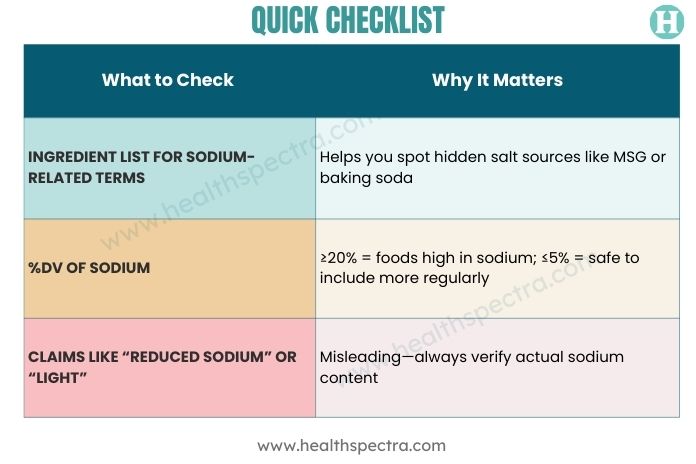
But these products can still be high in sodium overall. For example, a “reduced sodium” soup might still contain 600 mg per serving—far from low. Always compare the actual sodium numbers, not just the claims.
Most sodium sneaks into your diet through sodium in packaged foods and meals from restaurants. By checking labels for hidden salt terms, monitoring the %DV, and not relying solely on “reduced sodium” claims, you can limit salt intake.
This is especially important because processed foods and kidneys don’t mix well, excess sodium overworks your kidneys, and increases long-term health risks.
Read More: New Study About a Drug That Reduces Risks of Kidney Diseases
Healthier Alternatives and Kidney-Friendly Swaps

The key to promoting kidney health is to make small, deliberate adjustments, such as consuming whole foods, substituting salt for natural flavors, purchasing low-sodium versions, and cooking at home.
With these straightforward kidney-friendly diet substitutions, you can relish delectable meals while safeguarding your kidneys and mitigating the hazards associated with salt intake and hypertension.
Fresh Fruits, Vegetables, and Whole Foods
A kidney-friendly diet is built around fresh, natural foods. Instead of reaching for packaged snacks or fast food, choose fruits, vegetables, and whole grains. These provide important vitamins, fiber, and energy without the hidden salt, unhealthy fats, or additives often found in processed items.
For example, swapping a sugary pastry for oatmeal with apples or peaches (in juice, drained) gives you a filling, nutritious breakfast that supports kidney health.
Flavor Without Salt
Too much salt can damage your kidneys over time, and it also raises the risk of high blood pressure. But that doesn’t mean food has to be bland. Replace salt with fresh herbs, garlic, ginger, lemon juice, or vinegar to add flavor without extra sodium.
Simple swaps, like sprinkling herbs over roasted vegetables or adding lemon to grilled chicken, help keep meals tasty and kidney-friendly. This not only protects your kidneys but also lowers blood pressure and improves overall health.
Low-Sodium or No-Salt-Added Options
Many packaged products, from soups to canned beans, come in “no-salt-added” or “low-sodium” varieties.
Choosing these versions makes a big difference, since sodium is one of the biggest hidden threats to kidney health. Reading labels carefully and picking items with less than 140 mg of sodium per serving is a smart way to keep your salt intake in check.
Preparing Meals at Home
Cooking at home gives you control over what goes into your food. Restaurant meals and fast food are often high in sodium, unhealthy fats, and additives that strain your kidneys.
By preparing simple, homemade dishes, like grilled fish with steamed vegetables or brown rice, you can enjoy meals that are flavorful, nutritious, and kidney-safe. Batch cooking and freezing portions also make it easier to avoid relying on processed foods.
Affordable Kidney-Friendly Superfoods
Eating well for your kidneys doesn’t have to be expensive. Budget-friendly options like beans, lentils, apples, cabbage, and oats provide protein, fiber, and essential nutrients without costing much. These foods can be bought in bulk and stored easily, making them practical and healthy staples for your diet.
Read More: Why Kidney Stones in Women are Often Misdiagnosed as UTIs
How Much Salt Is Safe?
It is common for the majority of us to consume more sodium than we are aware of, particularly from packaged or restaurant foods.
The primary method of safeguarding one’s heart, kidneys, and blood pressure is to adhere to the daily limit, which is less than 2,300 mg for healthy adults and less than 1,500 mg for those with hypertension or renal disease. Create a sustainable, kidney-friendly diet by reducing hidden salt and making modest substitutions.
General Guidelines
Salt is an essential part of our diet, but most people eat far more than their bodies need. According to health experts, the general guideline for adults is to keep sodium intake under 2,300 milligrams per day, which is roughly the amount in just one teaspoon of table salt.
This limit helps reduce the risk of heart disease, stroke, and kidney problems linked to excess sodium.
For Kidney Disease or Hypertension
If you have kidney disease or high blood pressure (hypertension), the safe limit is even lower. Doctors usually recommend staying below 1,500 milligrams of sodium per day.
High salt intake and hypertension are strongly connected, and too much sodium can speed up the progression of chronic kidney disease (CKD). Reducing salt helps take the pressure off your kidneys and supports overall heart health.
Why Cutting Back Matters
“High sodium intake can even affect non-heart-related diseases like kidney disease,” lead study author Dr. Jessica Cheng said in a news release. Cheng is a postdoctoral research fellow in epidemiology at the Harvard T.H. Chan School of Public Health in Boston.
Excessive sodium consumption can result in fluid accumulation within the body, which can impede the correct functioning of the heart and kidneys.
In addition, it elevates the likelihood of salt and chronic kidney disease progression by overtaxing the kidneys. People with pre-existing health conditions are not the only ones who benefit from reducing sodium; it is also crucial for prevention.
Tips for Reducing Salt
- Check food labels carefully: Learn to spot and start reducing hidden salt in packaged foods like bread, sauces, canned soups, and snacks.
- Cook at home: Preparing meals yourself helps you control how much salt goes in.
- Use alternatives: Try herbs, spices, lemon juice, or salt substitutes with potassium (only if approved by your doctor).
- Limit processed foods: Most of the sodium we eat comes from sodium in packaged foods, not from the saltshaker.
When to See a Doctor or Dietitian
To protect your kidneys and stay healthy in the long run, it’s important to keep an eye on their health and stick to your personalized sodium goals.
If You Have Hypertension, CKD, or Diabetes
It’s important to see your doctor regularly if you have diabetes, hypertension, or chronic kidney disease. The kidneys are already under a lot of stress, and eating too much salt can make things worse.
Getting professional help to control your salt intake and kidney health can help slow down damage and keep your health in general in good shape.
Need for Personalized Sodium Targets
Because everyone’s health is different, a doctor or certified dietitian can help you set your own sodium goals. As a general rule, you should limit your sodium intake to 2,300 mg per day, or 1,500 mg if you have CKD or high blood pressure.
However, depending on your situation, your doctor may tell you to follow stricter limits. There is no one-size-fits-all kidney-friendly diet, so getting personalized help is the best way to make sure you’re eating the right foods for your body.
Importance of Monitoring Kidney Function
To keep track of how well your kidneys are working, you need to get regular checkups and blood tests. eGFR (estimated glomerular filtration rate) and creatinine readings are often checked by doctors to see how well your kidneys are working.
If these numbers are going down, it could mean that your kidneys are under a lot of stress. Then, your care team may change your food, medications, or lifestyle suggestions to help slow the disease’s progress.
Working With a Dietitian
A kidney dietician can help you with more than just cutting back on salt. They can also help you pick foods that are good for your kidneys and keep you from eating foods that are bad for them.
It can be hard to avoid the salt that is hidden in processed or packaged foods, but getting help from a professional can make planning your meals every day easier and healthier.
Conclusion: Small Changes, Big Kidney Protection
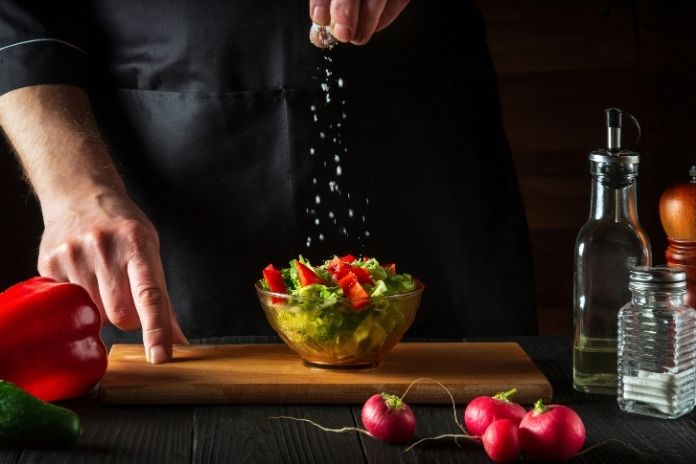
To protect your kidneys, you don’t always have to make big changes. You can start by making small, everyday choices. Cutting back on the sodium that is found in packaged snacks, breads, sauces, soups, and even so-called “healthy” foods is one of the most important things that can be done.
When you eat too much salt, your kidneys have to work harder. This can cause you to retain water, have high blood pressure, and eventually damage your kidneys further. However, being aware does a lot of damage control.
You can cut back on salt without feeling starved if you learn to carefully read labels and spot words like sodium, baking soda, or MSG. It makes a big difference to make easy changes, like using fresh fruit instead of packaged desserts or herbs instead of salt to season food.
Every little thing you do helps your long-term health and lessens the stress on your kidneys. Make one smart change today, and take a step forward towards healthy kidneys.
References
- https://nutrikonnect.in/sources-of-hidden-salt-a-must-know-for-ones-on-a-renal-diet/
- https://www.kidney.org/news-stories/10-common-habits-may-harm-your-kidneys
- https://newsnetwork.mayoclinic.org/discussion/mayo-clinic-minute-can-extra-salt-hurt-your-kidneys/
- https://www.sugamhospital.com/how-too-much-salt-affects-your-kidney-function/
- https://www.actiononsalt.org.uk/salthealth/salt-and-the-kidneys/
- https://www.gundersenhealth.org/health-wellness/eat-move/8-surprising-sources-of-sodium
- https://www.henryford.com/blog/2017/05/hidden-sources-sodium-diets
- https://www.ucsfhealth.org/education/guidelines-for-a-low-sodium-diet
- https://healthymaster.in/blogs/english/how-to-read-a-nutrition-label-avoiding-hidden-sugars-and-salts
- https://health.ucdavis.edu/blog/good-food/your-guide-to-low-sodium-eating-and-how-to-lower-blood-pressure/2022/09
- https://www.maxhealthcare.in/blogs/hidden-sodium-in-healthy-packaged-foods
- https://davita.com/diet-nutrition/articles/healthy-food-swaps-for-a-kidney-diet/
- https://kidneycareuk.org/get-support/healthy-diet-support/kidney-friendly-food-and-drink/6-healthy-kidney-friendly-breakfasts/
- https://www.kidney.org.uk/healthy-eating-for-people-with-chronic-kidney-disease-ckd
- https://www.kidney.org/news-stories/5-low-cost-kidney-disease-superfoods-to-add-to-your-plate-2025
- https://www.fda.gov/food/nutrition-education-resources-materials/sodium-your-diet
- https://www.who.int/news-room/fact-sheets/detail/sodium-reduction
In this Article