














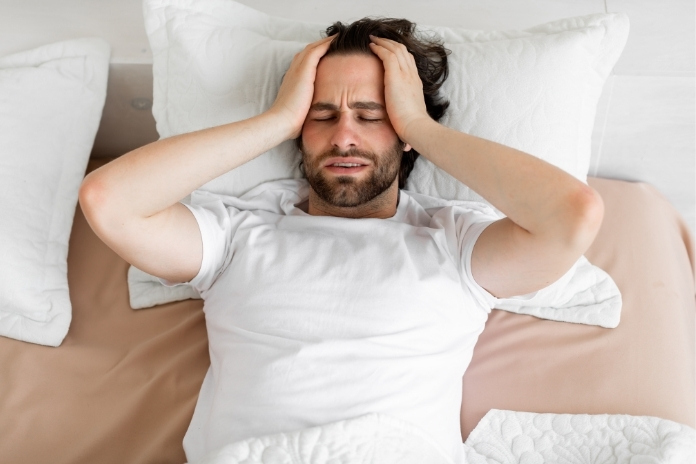
You took a rest day. Skipped the gym. Didn’t lift, run, or even stretch much. But somehow, you woke up the next morning sore all over, again. No PRs, no intense circuits, just… soreness. And it’s frustrating.
If this sounds familiar, you’re not alone. A lot of people assume rest days mean their bodies will bounce back effortlessly. But muscle recovery isn’t always that simple. In fact, that unexpected soreness might be your body waving a red flag, not from overexertion, but from under-recovery.
Here’s the thing: rest and recovery aren’t the same. Rest is passive. Recovery is active. And if you’re waking up sore on your rest days, it’s a clear sign your recovery strategy might be missing something. Maybe it’s poor sleep. Maybe it’s nutrition. Maybe it’s stress. But one thing’s for sure, it’s not just about what you didn’t do yesterday. It’s about what your body still needs today.
In this article, we’ll unpack what’s really going on when you feel sore without recent exertion, the science behind delayed muscle recovery, and the small but essential recovery habits that can change the game. Because if your rest day leaves you more tired than refreshed, it’s time to rethink what “rest” really means.
What Causes Muscle Soreness in the First Place?

Most post-workout soreness comes down to one culprit: DOMS, or delayed onset muscle soreness. It’s that tight, achy, “walking-down-the-stairs-hurts” kind of feeling that usually sets in a day or two after you’ve trained. DOMS is completely normal, and in many cases, expected, especially when:
- You’re trying a new workout or movement pattern.
- You increase your training volume, weight, or intensity.
- You emphasize eccentric contractions (like the lowering phase of a squat, push-up, or bicep curl).
But what’s actually happening beneath the surface?
When you work out, particularly with strength training or high-intensity intervals, your muscles undergo microscopic damage. Think of it as tiny tears in the muscle fibers. This isn’t a bad thing. It’s how your body adapts and grows stronger. In response, your immune system sends in inflammatory cells to begin the repair process. That inflammation leads to swelling, stiffness, and soreness, especially as waste products from the breakdown (like lactic acid and prostaglandins) build up in the tissue.
DOMS typically hits hardest 24 to 72 hours after the workout. That’s when the inflammatory response is peaking, and your nervous system is most sensitive to the pain signals from those damaged fibers.
Now, soreness in and of itself isn’t a red flag. In fact, mild DOMS can be a sign that your muscles are adapting and growing. But if you’re constantly sore, sore in muscles you didn’t train, or feeling pain even on your rest days, that’s not DOMS. That’s a recovery problem.
Your body might be struggling to heal. And that usually points to missing pieces in your recovery puzzle: poor sleep, under-eating, stress overload, hydration issues, or not enough active recovery. In other words, soreness isn’t just about the workout; it’s about how well your body rebounds from it.
A 2003 review concluded that delayed onset muscle soreness (DOMS) stems from microscopic damage to muscle fibers, especially during eccentric movements like lowering weights or downhill running. The body’s repair response triggers inflammation, which explains why soreness, stiffness, and aching typically peak one to two days after exercise.
Why You Feel Sore Even on Rest Days
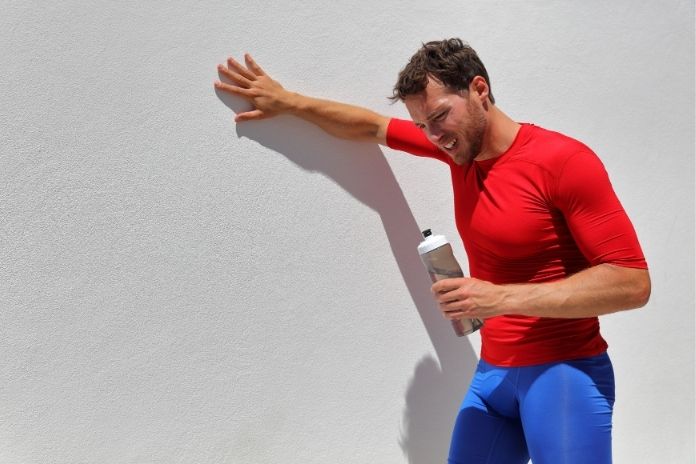
You didn’t lift. You didn’t run. You didn’t even stretch hard. And yet, your muscles feel like they’ve been through a war. That deep, dull ache that should’ve eased up by now is somehow getting worse. So what gives?
Here’s the deal: soreness on a rest day doesn’t mean your rest day caused the soreness. It means your recovery system isn’t doing its job. Recovery isn’t just a break from training. It’s an active process, and when key parts of that process are off, soreness lingers or shows up late to the party.
Let’s break down the main reasons your muscles still feel sore on days when you’re not even training:
1. Delayed DOMS Is Catching Up
Sometimes, rest days just happen to line up with peak soreness. DOMS (delayed onset muscle soreness) typically kicks in 24 to 72 hours after a tough workout. So if you trained hard on Monday and took Tuesday off, the real soreness might not show up until Wednesday, making it feel like your rest day caused the soreness, when really, it just revealed it.
This is especially true if your training includes a lot of eccentric movements, like slowly lowering weights, controlled push-ups, or running downhill. These types of contractions cause more micro-damage in the muscle and, in turn, trigger more intense DOMS.
So the soreness you feel on your day off might just be your body catching up with the damage you did two days ago.
2. You Slept Like Crap
Muscle recovery happens while you sleep, not while you’re scrolling at 2 AM. During deep sleep, your body releases growth hormone, which is essential for repairing damaged muscle fibers.
When sleep quality suffers, even if you’re technically hitting 6 or 7 hours, recovery slows down. That means inflammation stays elevated, muscle protein synthesis drops, and your body doesn’t flush out waste products as efficiently.
According to studies published in the Journal of Sports Sciences, sleep deprivation doesn’t just reduce performance; it actively delays tissue healing and muscle glycogen restoration. So if you’re feeling sore and foggy the next morning, don’t just blame the barbell, blame the broken sleep.
3. You Took ‘Rest’ a Bit Too Literally
There’s rest, and then there’s doing absolutely nothing, and the latter can actually make you feel worse. On rest days, if you’re barely moving, circulation slows down, which means nutrients and oxygen aren’t reaching your recovering muscles as efficiently. Waste products like lactic acid also linger longer.
This can lead to stiffness, increased soreness, and that heavy-legged, sluggish feeling. The fix? Active recovery. Gentle movement like walking, cycling, yoga, or mobility drills can keep blood flowing without stressing your system. It helps flush out the junk and bring in what your muscles need to heal.
In short: don’t confuse recovery with being motionless.
4. Your Nutrition’s Missing Key Pieces
Even if your workouts are on point, your muscles won’t repair themselves out of thin air. Recovery requires raw materials, and if your diet is low on those, your body struggles to rebuild.
Here’s what matters most:
- Protein – for rebuilding muscle tissue.
- Magnesium – for muscle relaxation and nerve function.
- Potassium and Sodium – to maintain electrolyte balance and hydration.
- Omega-3s – to reduce inflammation.
If you’re consistently low on any of these, especially post-training, you’ll notice soreness dragging on longer than it should. You might also deal with cramps, sleep issues, and energy dips, all signs that your recovery nutrition needs attention.
A systematic review found that dietary protein supplementation significantly enhanced changes in muscle strength and size during prolonged RET in healthy adults. Increasing age reduces and training experience increases, the efficacy of protein supplementation during RET. With protein supplementation, protein intakes at amounts greater than ~1.6 g/kg/day do not further contribute to RET-induced gains in FFM.
5. Stress Is Hijacking Your Recovery
Mental and emotional stress doesn’t just live in your head; it shows up in your body. When you’re stressed, your body releases cortisol, a hormone that disrupts recovery by increasing inflammation and suppressing the tissue repair process.
Cortisol can also increase your perception of pain, making you feel sore even if your muscles are physically fine. High stress levels are linked to longer recovery times, poor sleep, and even physical tension in areas like the neck, back, and shoulders, even if you didn’t train those muscles.
If you’re feeling sore, fatigued, and irritable on rest days, your stress might be doing more damage than your workouts.
6. You’re Dehydrated (and Don’t Know It)
Muscles are roughly 75% water. When you’re dehydrated, even mildly, your body can’t flush out waste, circulate nutrients, or repair tissue efficiently. You might not be sweating buckets on a rest day, but recovery is still in progress, and water plays a central role in that process.
Lack of hydration can lead to:
- Muscle cramps
- Joint stiffness
- Sluggish blood flow
- Increased inflammation
If you’re sore and feeling unusually tired, dizzy, or foggy, don’t overlook hydration. Sometimes, a glass of water can do more for soreness than any other supplement ever will.
Bottom Line
Soreness on your rest day doesn’t mean you overdid it. It means something in your recovery chain is weak. Whether it’s sleep, stress, hydration, or nutrition, lingering soreness is your body’s way of asking for better support, not just more rest.
Recovery isn’t passive. It’s a skill. One you can train just like your muscles.
Could It Be Overtraining or Inflammation?
If you’re always sore, not just after intense workouts but even when taking it easy, you could be dealing with something bigger.
Overtraining Syndrome (OTS)
Overtraining happens when your body doesn’t get enough time to recover between sessions. It’s not just about physical fatigue; it’s systemic.
Common symptoms of OTS include:
- Persistent muscle soreness.
- Insomnia or restless sleep.
- Mood swings or irritability.
- Loss of appetite.
- Decreased performance.
- Hormonal imbalances.
Overtraining is more common in people who train intensely without adjusting their recovery, sleep, or nutrition. If this sounds like you, it may be time to scale back or periodize your training.
Chronic Inflammation
Long-term inflammation, whether due to poor diet, high stress, autoimmune conditions, or lifestyle habits, can create a lingering sense of soreness.
You may feel inflamed even without muscle damage. This kind of “invisible soreness” can be systemic and hard to pin down, but it’s often linked to poor recovery hygiene and metabolic stress.
How to Support Recovery and Reduce Rest Day Soreness

Let’s get one thing straight: recovery isn’t a passive process. It doesn’t just happen because you skipped a workout. Your body doesn’t magically repair itself while you lie on the couch scrolling through your phone.
To reduce soreness on your rest days and actually feel better the next time you train, you need to take recovery seriously. That means giving your muscles what they need: movement, nutrients, sleep, hydration, and smart tools.
Here’s how to build a real recovery plan that works behind the scenes, even when you’re not training.
1. Prioritize Active Recovery
Rest day doesn’t mean couch day.
Sitting still all day can actually make soreness worse, blood flow slows, muscles tighten, and inflammation lingers. The goal is to stay gently active to keep nutrients circulating and help your body clear out waste products.
What to do:
- Go for a 20–30 minute walk.
- Try low-intensity cycling or swimming.
- Do dynamic stretching, foam rolling, or light mobility work.
- Join a gentle yoga session focused on breath and movement.
This low-effort movement supports muscle repair without adding new stress to your system. It’s one of the simplest ways to feel better faster.
Read More: Active Recovery: Why Rest Days Don’t Have to Mean Doing Nothing
2. Get Better, Deeper Sleep
This is where real recovery happens. While you’re asleep, your body enters full repair mode, rebuilding tissue, balancing hormones, and flushing out inflammation. Skimping on sleep means you’re stalling all of that.
Aim for:
- 7–9 hours per night, consistently.
- A cool, quiet, dark room (around 65–68°F or 18–20°C).
- Minimal blue light 1–2 hours before bed.
- A consistent wind-down routine (same sleep and wake times).
If you’re struggling with sleep:
- Consider magnesium glycinate or citrate, which helps promote relaxation (check with your doctor).
- Try a small glass of tart cherry juice in the evening, which naturally contains melatonin.
- Avoid caffeine after 12 PM.
- Cut screen time, or use blue light blockers.
The quality of your sleep is just as important as the quantity. Muscle soreness is often your body’s way of saying, “I didn’t get enough recovery time last night.”
Sleep is your ultimate recovery tool. During deep sleep, your body releases growth hormones that are essential for muscle repair and regeneration. “Shortchanging yourself of deep sleep doesn’t just leave you tired, it can disrupt hormone balances, slow recovery, and even impact cognitive and immune function,” explains Dr. Ashley Mason, professor of psychiatry and behavioral sciences and director of the UCSF Osher Center Sleep Clinic.
3. Optimize Your Nutrition for Recovery
You can’t out-train (or out-rest) a poor diet. Recovery starts with what you eat, even on your off days. Muscles need protein to rebuild, carbs to restore energy, and anti-inflammatory nutrients to reduce soreness and swelling.
Build your meals around:
- Lean proteins: chicken, eggs, tofu, lentils.
- Complex carbs: oats, brown rice, quinoa, sweet potatoes.
- Healthy fats: avocado, olive oil, fatty fish, nuts.
- Electrolytes: bananas, coconut water, dark leafy greens.
- Anti-inflammatories: turmeric, ginger, green tea, berries.
Your post-workout meals matter, but so do your meals the day after. Even when you’re not training, your body’s still in rebuild mode, so feed it like it’s working.
Read More: The Role of Heat Shock Proteins in Muscle Recovery and Longevity
4. Hydrate Smarter (Not Just More)
Water might seem basic, but it’s one of the most overlooked aspects of recovery. Your muscles are 75% water; without enough of it, nothing in your system functions properly.
Dehydration can increase perceived soreness, reduce nutrient delivery, and slow down tissue repair.
Hydration tips:
- Don’t wait until you’re thirsty; sip water throughout the day.
- Add electrolytes (like sodium, potassium, magnesium), especially if you sweat a lot.
- Use urine color as a guide: pale yellow = good hydration.
- Drink extra water after caffeine or alcohol, which can dehydrate you.
- Keep a water bottle nearby; visual cues help build better habits.
If your rest day soreness comes with fatigue, dry mouth, or headaches, chances are, you’re under-hydrated.
5. Use Recovery Tools That Actually Help
You don’t need fancy tech or expensive treatments to boost recovery, but smart, consistent use of simple tools can make a difference.
What’s worth trying:
- Foam rolling: helps increase circulation, reduce tightness, and break up adhesions.
- Epsom salt baths: a relaxing way to absorb magnesium and reduce muscle tension.
- Cold exposure (ice packs or cold showers): may reduce inflammation and numb soreness.
- Heat therapy (hot baths or heating pads): great for stiff muscles and promoting blood flow.
- Compression gear: may improve circulation and decrease DOMS when used after workouts.
You don’t have to use all of these. The goal is to find what feels good for your body and use it regularly, not just when soreness hits.
You can’t avoid muscle soreness forever, but you can make it manageable, shorter, and less disruptive. Recovery isn’t a passive thing that just “happens” between workouts. It’s a full-body process that relies on sleep, movement, fuel, hydration, and a little bit of intention.
So if your rest days are leaving you more sore than strong, it’s time to stop just “resting” and start recovering on purpose.
Read More: 7 Top-Rated Massage Guns for Post-Workout Recovery
When to Be Concerned
Not all soreness is harmless. Know when to seek help.
Red flags:
- Pain that lasts more than 4–5 days.
- Sharp, stabbing, or localized pain (vs. dull, general ache).
- Swelling, bruising, or reduced range of motion.
- Muscle weakness or inability to perform daily tasks.
- Feeling sore without having trained in several days or weeks.
These could indicate strains, tears, or underlying medical conditions. Don’t push through; get evaluated.
Final Thoughts
Rest days are supposed to help you bounce back stronger, not leave you wondering why your legs feel like concrete and your shoulders ache for no reason. If you’re feeling sore even when you’re not training, it’s a sign that your recovery system is underperforming. And that system goes far beyond just skipping the gym.
Muscle repair doesn’t begin and end with a protein shake or a few hours off your feet. It’s built on the small, unsexy things: consistent sleep, hydration, nutrient-dense meals, active movement, and managing the mental noise that wears your body down. When even one of those pillars is missing, your body feels it. And that soreness is the symptom, not the problem.
So the next time you find yourself stiff and achy on a day off, don’t assume it’s just DOMS or a badge of honor. Look closer. Are you really recovering, or are you just not training? There’s a difference, and that difference shows up in how you feel the next morning, how you move through the day, and how well you show up for your next workout.
Recovery isn’t passive. It’s an active commitment to treating your body like it matters, not just when you’re pushing it, but especially when you’re giving it space to heal. The better you recover, the harder you can train. And the fewer your rest days will feel like punishment instead of preparation.
References
- https://my.clevelandclinic.org/health/symptoms/myalgia-muscle-pain
- https://www.mayoclinic.org/symptoms/muscle-pain/basics/causes/sym-20050866
- https://www.hingehealth.com/resources/articles/muscle-soreness-relief/
- https://www.medicalnewstoday.com/articles/322869
- https://www.physio-pedia.com/Delayed_Onset_Muscle_Soreness
- https://www.houstonmethodist.org/blog/articles/2021/sep/muscle-soreness-after-a-workout-can-it-be-prevented/
- https://www.pfizer.com/news/articles/science_fact_or_science_fiction_lactic_acid_buildup_causes_muscle_fatigue_and_soreness
- https://pmc.ncbi.nlm.nih.gov/articles/PMC59671/
- https://www.healthline.com/health/muscle-recovery
- https://www.henryford.com/blog/2025/02/8-ways-to-ease-post-workout-muscle-pain
- https://ukhealthcare.uky.edu/wellness-community/blog-health-information/how-reduce-muscle-soreness-after-exercise
- https://www.webmd.com/fitness-exercise/what-to-know-active-recovery-workouts
- https://www.healthline.com/health/exercise-fitness/rest-day
- https://www.technogym.com/en-US/stories/5-tips-beat-doms-workout/
In this Article