












Periods are a part and parcel of every woman’s life. And so is the period pain. We often feel that painful periods are natural and need no medical help until they become unbearable.
I am sure it is similar for most women. The menstrual cycle and period pain become a routine. But what do you do when once-tolerable cramps start to become more severe, heavier, or downright debilitating as you age? It’s a question many women in their 30s and 40s ask themselves.
The reality is, period pain isn’t always consistent across a lifetime. Although many women find relief after their teenage years, others find the opposite to be true: increasingly severe cramps, heavier flows, or entirely new symptoms. This change isn’t simply “part of getting older”. It can be associated with hormonal shifts, lifestyle changes, and occasionally underlying gynecological conditions that increase in frequency with age.
Knowing why it occurs is the beginning of relief. In this article, we’ll discuss why menstrual cramps get worse in adulthood, when to consult a doctor, and what’s best to treat them. These remedies range from traditional medicine to natural solutions that help reclaim control of your period.
Read More: Can Heavy Periods Be a Sign of Something Serious?
Why Period Pain Gets Worse as You Age
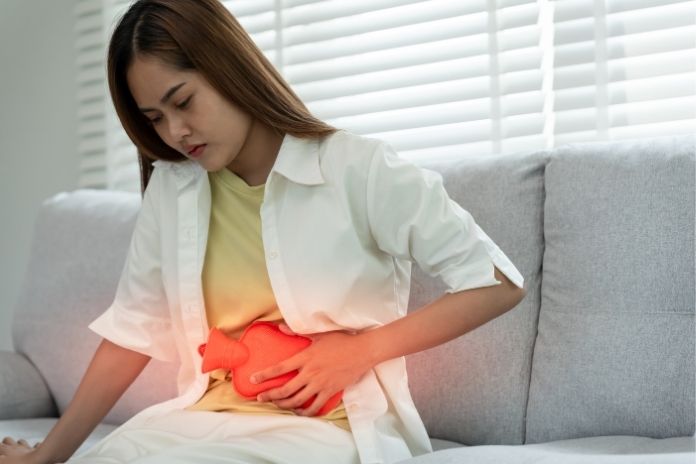
As mentioned earlier, period pain might be extreme in later stages of life. Here are a few factors that make it worse for certain women as they age.
Hormonal Changes in the 30s and 40s:
Hormones play a key role in regulating the menstrual cycle. In your teens and early 20s, levels of estrogen and progesterone rise and fall in a relatively consistent pattern. But as you enter your 30s and 40s, those hormones begin to fluctuate more unpredictably, particularly as you approach perimenopause.
Estrogen, on the other hand, is responsible for regulating uterine lining thickness. Progesterone attempts to balance its growth. When these hormones get out of balance, the uterine lining can become thicker than it’s supposed to be, resulting in more severe shedding and more intense contractions when your period comes. This hormonal imbalance can lead to more bleeding, clotting, and cramps that hurt more and linger longer.
Reduced Breakdown of Prostaglandins:
Another lesser-known but significant factor in menstrual cramps is prostaglandins. These are hormone-like substances that induce uterine contractions to facilitate shedding of the lining. In those with intense cramps, prostaglandin levels are higher.
As you get older, your body will metabolize them less effectively, so prostaglandins remain active and increase pain. The result: longer, more powerful contractions that can cause pain to extend down to the lower back, thighs, or even the digestive system.
Underlying Gynecological Conditions:
Yet another reason why cramps tend to get worse is the development of underlying medical conditions that are more likely to occur in adulthood. Teenagers are more likely to have primary dysmenorrhea, period pain without a disease.
Women in their 30s and 40s, however, often have secondary dysmenorrhea, where the cramps are associated with conditions like endometriosis, fibroids, or adenomyosis. These conditions not only make your pain worse but can also change the nature of your periods, causing them to become heavier or irregular.
Read More: What Endometriosis Pain Feels Like (And Why It’s Often Misdiagnosed)
Medical Conditions That Make Cramps Worse
Here are a few medical conditions that lead to worse period cramps:
Endometriosis:
Endometriosis is one of the most common causes of increasing period pain. Endometriosis happens when tissue that looks like the lining of the uterus grows in places outside the uterus. These can include, on the ovaries, the fallopian tubes, the bladder, or the intestines. This tissue grows and thickens with each monthly hormonal shift, similar to the lining of the uterus, but since it can’t leave the body, it leads to inflammation, scarring, and typically significant pain.
Women with endometriosis frequently report cramps that start before their period, last longer than usual, and interfere with daily activities. It can also cause pain during sex, digestive problems, and infertility. Since endometriosis often progresses over time, many women who had manageable cramps in their 20s notice far more intense pain by their 30s.
Adenomyosis:
Adenomyosis is another condition that occurs with increasing frequency with age, particularly in women beyond age 30. In this case, endometrial tissue implants itself into the uterine muscular wall. This thickening of the uterine wall causes contractions to be much more painful.
Adenomyosis causes heavy bleeding, blood clots, and deep, long-lasting cramps. For some women, the pain becomes so severe in their 40s that it becomes an everyday burden, not merely a monthly one.
Fibroids:
Uterine fibroids are benign growths that occur in or near the uterus. They range in size from small nodules to huge growths that change the uterine shape. Fibroids tend to cause heavy, prolonged bleeding accompanied by severe cramps. Since fibroids are estrogen-sensitive, they usually appear or enlarge in the reproductive years and regress after menopause.
Fibroids do not occur in every woman. However, women who have them experience a change in their period pain and also have profuse bleeding.
Pelvic Inflammatory Disease (PID):
PID is an infection of the reproductive tract that, if not treated, usually occurs as a result of sexually transmitted diseases such as chlamydia or gonorrhea. Untreated PID results in scarring of the fallopian tubes and pelvic pain.
Women with a history of PID may experience worsening cramps beyond the menstrual period, together with tenderness of the pelvis and irregular menstruation.
Lifestyle and Health Factors That Contribute to Pain
It is not just medical issues that cause worsening period cramps. Lifestyle changes that tend to happen in adulthood may also increase the intensity of cramps.
Stress and Poor Sleep:
Your 30s and 40s can be stressful. You have career, family, and financial pressures mounting. Stress can keep cortisol levels up, a hormone that can disrupt reproductive hormones and heighten pain sensitivity. Poor sleep, commonly associated with stress, has the same impact, reducing your pain tolerance and making the cramps even more unbearable.
Weight Gain and Decreased Physical Activity:
Another typical age-related change is a decrease in metabolism and weight gain. Additional body fat might cause more estrogen production, upsetting hormonal balance. Additionally, hectic schedules can leave less time for frequent exercise, which is very important for healthy blood flow and reduced inflammation. The combination of increased weight and less exercise can intensify cramps.
Dietary Patterns:
Diet also plays a surprisingly large part. A diet that is heavy on processed foods, sugar, caffeine, or alcohol can cause more inflammation and aggravate cramps. Conversely, diets full of anti-inflammatory foods, such as omega-3 fatty acids, leafy greens, and turmeric, are associated with lighter, less painful periods.
Smoking:
Smoking impacts circulation and blood oxygen delivery to all parts of the body, including the uterus. Smokers are likely to have more intense and more prolonged menstrual cramps.
Read More: Best Non-Toxic Period Products for a Healthier Cycle: Eco-Friendly & Safe Alternatives
When Pain Worsening May Indicate an Issue
One should be aware of when period cramps go from “normal” to extreme. Cramps are expected, yet you must look out for certain worrisome signs, including:
- Pain that interferes with daily activities, making you miss work, call off plans, or need to take lots of medication.
- Profuse bleeding with clots, particularly if you’re saturating through pads or tampons in fewer than two hours.
- Pain that persists outside of your period, extending into the days leading up to or following menstruation.
- Sudden or drastic changes in cramps, like pain worsening after many years of tolerable cycles.
These are red flags that could be warning of conditions such as fibroids, endometriosis, or adenomyosis—all of which need medical testing and treatment.
Medical Treatments That Help
When cramps become worse, many women don’t know where to begin. The good news: there are several effective treatments.
Over-the-Counter Pain Relievers:
Nonsteroidal anti-inflammatory drugs (NSAIDs) like ibuprofen or naproxen are the initial choice. They operate by preventing the manufacture of prostaglandins, which have both contraction and inflammatory effects. For most women, NSAIDs taken upon the initial onset of cramps can substantially decrease discomfort.
Hormonal Birth Control:
Hormonal contraceptives are also a highly effective choice. By inhibiting or halting ovulation, these can lighten periods, lower prostaglandins, and curb cramps.
Surgical Treatments:
In women with fibroids, endometriosis, or adenomyosis that’s not treatable by medications, surgery can be a must. Laparoscopy can eliminate endometrial growths, while myomectomy or hysterectomy can treat serious fibroid or adenomyosis cases.
In an interview with Medium, world-renowned Endometriosis surgeon Tamer Seckin shared his thoughts on surgical treatments and surgery. He said,” Surgeons should relate to patients very honestly and transparently. If a patient comes with symptoms, nothing will get rid of endo entirely. They may subside symptoms. People can live with those symptoms using things like birth control pills… for a while. It doesn’t get rid of endometriosis, but you could live a normal life and not need surgery. But if pain medication and birth control pills don’t help, surgery would be necessary.”
Importance of Medical Evaluation:
Even if you’re not ready for surgery or hormonal birth control, talking to your doctor is essential. Worsening pain should never be ignored. This extreme pain could be your body’s way of signaling a condition that needs attention.
Natural and Lifestyle Remedies for Relief
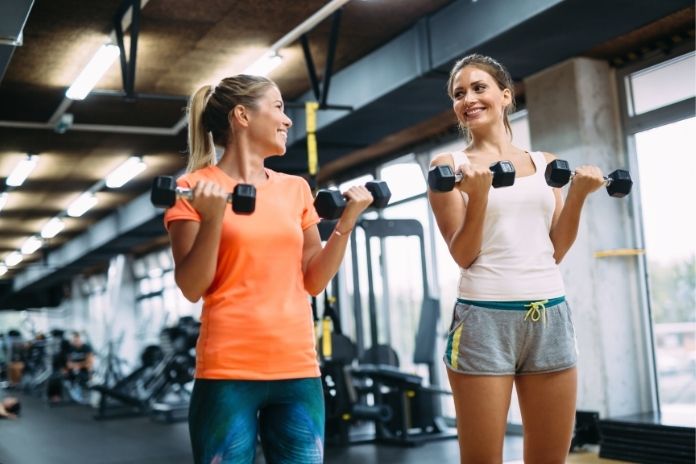
Not everyone wants or needs medical intervention right away. Fortunately, several natural remedies and lifestyle changes can make a big difference.
Exercise and Yoga:
Exercise regularly enhances blood flow, eases stress, and releases endorphins that are natural painkillers. Certain yoga poses, such as child’s pose, cat-cow, and reclining bound angle, can ease pelvic tension.
Heat Therapy:
Heat eases the uterine muscles and increases circulation, and is one of the easiest and most effective treatments. A heating pad, hot water bottle, or warm bath will be instantly comforting.
Anti-Inflammatory Diet:
Opting for a diet high in anti-inflammatory foods like salmon, flaxseeds, walnuts, leafy greens, ginger, and turmeric can treat inflammation and soothe cramps in the long run. Reducing consumption of caffeine and processed foods also improves hormonal balance.
Stress Management:
Mindfulness, meditation, and deep breathing lower cortisol levels, making it easier for the body to handle menstrual cramps.
Herbal Teas:
Some herbal teas, such as chamomile, ginger, and cinnamon, contain slight antispasmodic and anti-inflammatory effects. Though not a treatment, they may give relief when used in conjunction with other measures.
Long-Term Perspective and the Link with Perimenopause
Worsening cramps are a symptom of perimenopause for some women—the period before menopause when hormone levels swing wildly. Unpredictable cycles, heavier flow, and more intense cramps all occur during this stage.
The good news is that once menopause sets in and periods stop, cramps tend to vanish completely. But until that point, pain control is important. Pain that becomes chronic doesn’t just hurt quality of life but can result in complications such as anemia from excessive bleeding or chronic pelvic pain syndromes.
Taking action now. It can either be achieved through medical intervention, lifestyle adjustments, or a combination of both. Think of a plan that you can stick to until perimenopause and beyond.
Conclusion
Period pain that gets worse with age isn’t something to endure. Whether hormonal changes, lifestyle elements, or underlying disorders such as endometriosis or fibroids, increasing cramps are your body’s cry for help.
Rather than plowing forward month after month, be proactive. We suggest you:
- Monitor your symptoms meticulously.
- See a healthcare provider if pain is interfering with your daily activities or quality of life.
- Try medical and natural treatments to see what works for you.
Most of all, keep this in mind: intense period pain isn’t “normal,” and it’s not a natural part of growing up. By finding answers and getting help, you can take back control of your cycle and your health.
References
- https://www.thefamilychemist.co.uk/how-to-relieve-period-cramps-naturally/
- https://www.sciencedirect.com/science/article/pii/S0015028218300323
- https://www.thewomens.org.au/health-information/periods/healthy-periods/exercise-diet-periods
- https://medagghealthcare.com/blog-post/uterine-fibroids-heavy-bleeding
- https://www.ncbi.nlm.nih.gov/books/NBK279324/
In this Article