














Bloating, gas, abdominal pain. If these sound like your regular post-meal companions, you’re not alone. Millions deal with digestive discomfort every single day, often brushing it off as “normal” or blaming the usual suspects like stress or fast eating. But here’s what most people don’t realize: sometimes the real culprit is what’s actually in your food, and not just the greasy or spicy stuff.
Enter FODMAPs. These are a group of fermentable carbs found in a ton of everyday foods, from garlic and onions to apples and wheat. For most people, they pass through without much fuss. But for anyone with a sensitive gut or IBS, they can lead to chaos: bloating that makes you unbutton your jeans mid-lunch, stabbing cramps, unpredictable bathroom habits, the works.
The good news? You don’t have to live like this. A low-FODMAP diet can offer serious relief. And before you panic, no, it doesn’t mean you’re stuck eating boring, tasteless food. This guide will walk you through how to eat in a way that’s kind to your gut and genuinely enjoyable. We’ll break down what FODMAPs are, what to avoid, what to swap in, and share easy, actually-good recipes that won’t leave you missing the old stuff.
Because digestive health shouldn’t come at the cost of flavor.
What Is the Low-FODMAP Diet?

The low-FODMAP diet isn’t some trendy cleanse or restrictive fad; it’s a clinically validated approach to managing chronic digestive issues, especially Irritable Bowel Syndrome (IBS), Small Intestinal Bacterial Overgrowth (SIBO), and other functional gut disorders where symptoms flare without clear structural disease.
Let’s break it down.
FODMAPs stands for:
- Fermentable
- Oligosaccharides (like fructans in wheat, rye, onions, garlic, and galacto-oligosaccharides in legumes)
- Disaccharides (primarily lactose in milk, yogurt, and soft cheeses)
- Monosaccharides (excess fructose found in apples, pears, honey, and high-fructose corn syrup) and
- Polyols (sorbitol and mannitol in stone fruits, mushrooms, cauliflower, and sugar-free gum or candies)
These are short-chain carbohydrates that your small intestine doesn’t fully absorb. Instead, they pass into the colon, where gut bacteria ferment them. This fermentation produces gas, and because FODMAPs also pull water into the intestine, it leads to bloating, abdominal pain, diarrhea, or constipation, depending on your gut’s sensitivity.
The Diet Has 3 Phases:
- Elimination: You avoid all high-FODMAP foods for 2–6 weeks. This gives your gut a break and helps calm symptoms so you have a clear baseline.
- Reintroduction: One group at a time, you slowly reintroduce foods like garlic, milk, or apples to see which specific types of FODMAPs trigger your symptoms. This phase requires patience and structure, but it’s the most revealing.
- Personalization (Maintenance): Once you know your triggers, you build a long-term way of eating that avoids only what bothers you, while keeping your diet as broad and satisfying as possible.
A 2025 MDPI study confirmed ~70% relief with a personalized approach. Following the elimination, reintroduction, and personalization protocol, nearly 70% of participants experienced adequate symptom relief, and microbiota stayed stable.
But it’s also complex; many foods contain hidden FODMAPs, and over-restriction can hurt your gut microbiome. That’s why it’s strongly recommended to follow this plan with a trained dietitian who understands the nuances.
Read More: 10 Mistakes to Avoid When Trying to Improve Your Gut Health
Common High-FODMAP Foods to Avoid
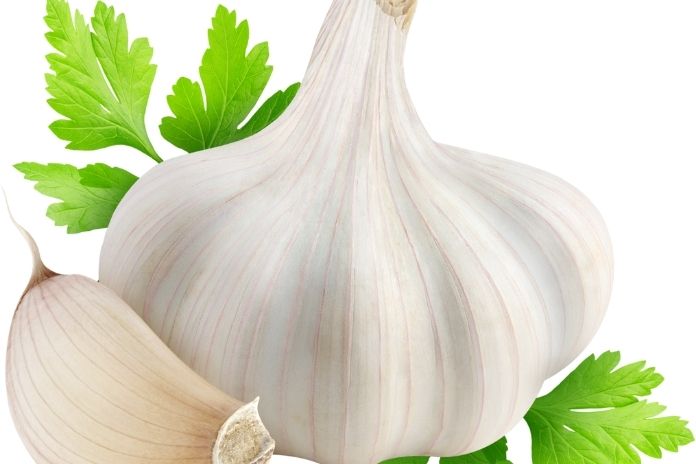
If you’ve ever felt bloated after eating what seemed like a healthy meal, it might be due to hidden FODMAPs. These foods can be problematic for people with sensitive digestive systems, especially those with IBS or SIBO. Here’s a breakdown of the common culprits across food groups:
Vegetables
- Garlic (especially raw or in powder form).
- Onions (white, red, shallots, onion powder).
- Cauliflower, asparagus, Brussels sprouts.
- Mushrooms (especially button and portobello, which contain polyols).
Fruits
- Apples, pears, mangoes, watermelon.
- Cherries, peaches, nectarines.
- Dried fruits like apricots and dates.
- Fruit juice concentrates (especially apple or pear juice).
Legumes and Grains
- Lentils, chickpeas, and kidney beans (even canned varieties can be problematic).
- Wheat, rye, and barley (especially in larger quantities or unrefined forms like whole wheat bread or pasta).
Dairy Products
- Milk (cow, goat, and sheep).
- Yogurt (especially traditional, non-lactose-free versions).
- Soft cheeses (like ricotta, cream cheese, and cottage cheese).
Sweeteners
- Sorbitol, mannitol, and xylitol (common in sugar-free gum, mints, candies, and even some medications).
None of these foods is unhealthy in a general sense. But for those on a low-FODMAP diet, even small amounts can trigger significant digestive distress. Identifying and limiting them is a crucial part of the elimination phase.
Low-FODMAP Ingredients That Keep Your Gut Happy
The beauty of the low-FODMAP diet is that it doesn’t mean deprivation. It’s about smart substitutions that support digestion without sacrificing flavor or variety. Here’s what you can enjoy:
Proteins
- Eggs
- Chicken and turkey (unseasoned or seasoned with low-FODMAP spices).
- Firm tofu and tempeh (check for added high-FODMAP ingredients).
- Fish and seafood (fresh or canned in water or olive oil).
These are naturally low in FODMAPs and form the foundation of a satisfying, nutrient-dense meal.
Grains
- Gluten-free pasta made from corn, rice, or quinoa.
- Oats (ensure they’re uncontaminated and certified gluten-free).
- White rice and jasmine rice.
- Polenta and cornmeal.
These grains are easy on the digestive system while still providing energy and fiber when prepared correctly.
Vegetables
- Carrots, spinach, zucchini, eggplant.
- Bell peppers (all colors), green beans.
- Potatoes (white and sweet, in moderate portions).
- Cucumbers and lettuce.
These options provide essential vitamins and minerals without the bloating that comes from high-FODMAP vegetables.
Fruits
- Strawberries, blueberries, oranges, kiwi, grapes.
- Cantaloupe, papaya, pineapple (watch portion sizes).
Low-FODMAP fruits satisfy sweet cravings while keeping gut symptoms in check. Fresh is best, but frozen varieties without added juice or syrup are also fine.
Dairy Substitutes
- Lactose-free milk, cheese, and yogurt.
- Plant-based milks like almond, rice, or oat (avoid added inulin or chicory root).
Dairy alternatives allow you to enjoy creamy textures and flavors without triggering symptoms linked to lactose.
Flavor Enhancers
- Garlic-infused oils (FODMAPs are water-soluble, not oil-soluble, so the flavor is there without the gut-irritation).
- Fresh herbs: ginger, turmeric, basil, thyme, rosemary.
- Acidity boosters: lemon juice, apple cider vinegar, and balsamic vinegar in small amounts.
With these, you don’t need to sacrifice flavor just because you’re avoiding certain ingredients.
What this really means is: the low-FODMAP diet isn’t a bland, boring regimen; it’s a reframe. Once you focus on what fuels you without the fallout, meals become enjoyable again.
A small 2022 study showed that a low-FODMAP diet may help with celiac disease symptoms. The study followed 70 people with celiac disease whose symptoms continued even after following a gluten-free diet. The researchers found that a short-term low-FODMAP diet for four weeks significantly reduced gastrointestinal symptoms and increased celiac disease-specific health compared to a traditional gluten-free diet.
Read More: Gut Health and Diet: Foods that Promote a Healthy Digestive System
Flavor-Packed Low-FODMAP Recipes to Try
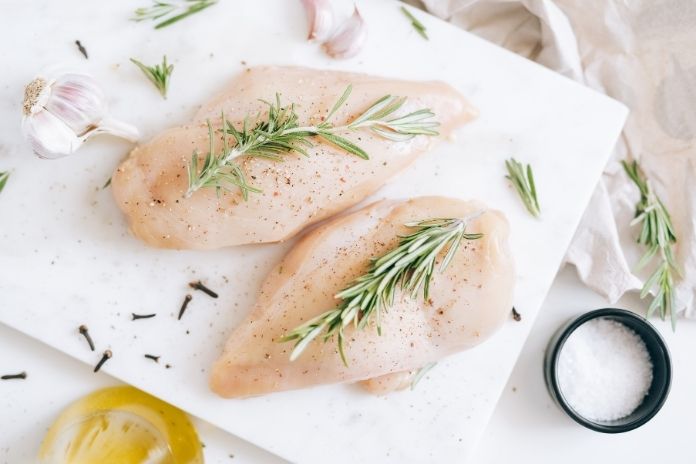
Eating low-FODMAP doesn’t have to mean eating boring food. With the right ingredients and a little creativity, you can build meals that support your gut while still tasting great. These recipes are balanced, flavorful, and simple to make, perfect for everyday eating, whether you’re meal-prepping or cooking on the fly.
1. Lemon Herb Grilled Chicken with Zucchini Noodles
Ingredients
- 1 chicken breast
- 1 tbsp olive oil
- 2 tbsp lemon juice
- 1 tsp dried thyme
- 1 medium zucchini (spiralized)
- Garlic-infused oil (FODMAP-friendly)
Instructions: Marinate the chicken breast in lemon juice, olive oil, and thyme for at least 30 minutes. Grill on medium heat until cooked through. In a pan, lightly sauté zucchini noodles in garlic-infused oil for 2–3 minutes. Serve hot alongside the chicken.
Why It Works: This dish is low-carb, high-protein, and rich in antioxidants from the citrus and herbs. Garlic-infused oil adds flavor without the FODMAPs.
2. Quinoa Salad with Bell Peppers and Parsley
Ingredients
- 1 cup cooked quinoa
- 1/2 cup chopped cucumber
- 1/2 cup diced red bell pepper
- 1/4 cup fresh parsley, chopped
- Lemon-olive oil dressing (1 tbsp olive oil + 1 tbsp lemon juice)
Instructions: Mix all ingredients in a large bowl. Drizzle with the lemon-olive oil dressing. Chill for 30 minutes before serving.
Why It Works: This salad is light but filling, fiber-rich, and ideal for lunch or meal prep. Quinoa is naturally gluten-free and easy to digest.
3. Egg and Spinach Muffins
Ingredients
- 4 large eggs
- 1 cup chopped spinach
- 1/4 cup grated lactose-free cheese
- A pinch of herbs (thyme or parsley)
Instructions: Whisk eggs in a bowl. Add spinach, herbs, and cheese. Pour into a greased muffin tin and bake at 180°C (350°F) for 15–20 minutes, or until set.
Why It Works: These are portable, protein-packed, and can double as a breakfast or midday snack. They freeze well, too.
4. Ginger Carrot Soup
Ingredients
- 2 cups chopped carrots
- 1 tbsp fresh grated ginger
- 1 cup low-FODMAP vegetable broth
- 1/2 cup canned coconut milk
- 1 tbsp garlic-infused oil
Instructions: In a saucepan, sauté ginger and carrots in garlic oil for 5 minutes. Add broth and simmer until carrots are soft. Blend with coconut milk until smooth and creamy.
Why It Works: Warm, soothing, and gentle on the gut. Ginger and carrots are both anti-inflammatory and digestion-friendly.
5. Maple Blueberry Chia Pudding
Ingredients
- 2 tbsp chia seeds
- 3/4 cup unsweetened almond milk
- 1 tsp pure maple syrup
- A handful of fresh or frozen blueberries
Instructions: Combine all ingredients in a bowl or jar. Stir well. Cover and refrigerate overnight. Top with extra blueberries before serving.
Why It Works: Naturally sweet, high in fiber, and healthy fats, this pudding makes a great breakfast or dessert.
6. Grilled Salmon with Roasted Pumpkin and Green Beans
Ingredients
- 1 salmon fillet
- 1 cup pumpkin cubes
- 1/2 cup green beans
- Olive oil, salt, pepper
- Lemon wedge (for serving)
Instructions: Toss pumpkin cubes and green beans with olive oil, salt, and pepper. Roast at 200°C (400°F) for 20 minutes. Grill salmon for 4–5 minutes on each side. Serve with roasted vegetables and a squeeze of lemon.
Why It Works: This dish brings healthy fats, fiber, and a solid source of protein to your plate. It’s satisfying without being heavy.
Read More: Gut Health Hacks: The Best Morning Foods to Kickstart Digestion
Maximize Flavor Without FODMAPs:
- Garlic-infused oil – You get the taste, without the fermentable sugars.
- Fresh herbs – Basil, parsley, thyme, mint, rosemary – they brighten any dish.
- Umami hits – Tomato paste (small amounts), oyster sauce (FODMAP-checked), nutritional yeast.
- Acidity – Lemon juice, vinegars, and tamarind add depth and balance.
- FODMAP-friendly spice blends – Or make your own with paprika, cumin, turmeric, ginger, and coriander.
Low-FODMAP doesn’t have to mean low taste; you just need to be clever with your substitutions.
Who Should Try a Low-FODMAP Diet?
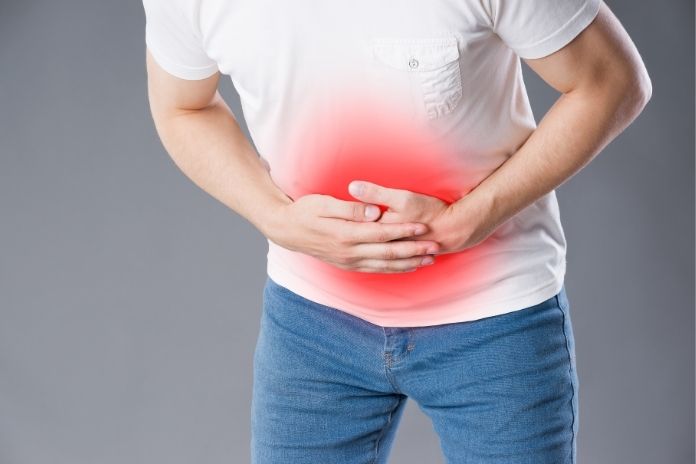
The low-FODMAP diet isn’t a lifelong plan or a wellness trend to casually try. It’s a targeted clinical tool, and when used correctly, it can dramatically ease digestive symptoms. But it’s not for everyone.
Best Suited For
- Irritable Bowel Syndrome (IBS): This is the most common and well-studied condition for which the low-FODMAP diet is recommended. Research shows that up to 75% of people with IBS experience significant symptom relief, less bloating, reduced gas, and more regular bowel movements.
- SIBO (Small Intestinal Bacterial Overgrowth): While the evidence is less robust compared to IBS, many people with SIBO benefit from the temporary reduction in fermentable carbohydrates, which can feed excess bacteria in the small intestine.
- Functional Gastrointestinal Disorders: People dealing with persistent bloating, abdominal pain, or altered bowel habits, even without a formal IBS diagnosis, may see improvement when following a structured low-FODMAP plan.
Not for Long-Term Use, and Not Without Help
The diet is highly restrictive in its initial phase. That’s why it should be done under the guidance of a trained dietitian who can help you:
- Avoid unnecessary food eliminations.
- Reintroduce the FODMAPs methodically (to identify personal triggers).
- Prevent nutrient deficiencies and avoid damaging your gut’s microbial diversity.
Not Recommended For
- People with a history of disordered eating or food anxiety.
- Those seeking it for general “gut health” without specific symptoms.
- Children, unless specifically advised by a pediatric GI specialist.
“Anyone who is underweight shouldn’t try this on their own,” says Hazel Galon Veloso, M.D. “The low FODMAP diet isn’t meant for weight loss, but you can lose weight on it because it eliminates so many foods. For someone at an already too low weight, losing more can be dangerous.”
Making Low-FODMAP Work in Real Life
Reading about the low-FODMAP diet is one thing. Living it is another. And let’s be honest, any dietary change that involves eliminating half your pantry overnight can feel overwhelming at first. But the key isn’t doing it all at once. It’s building a system that works in your real life.
Start by organizing your kitchen. Keep a separate shelf or basket for FODMAP-friendly staples, like canned lentils (rinsed well), gluten-free pasta, lactose-free dairy, or garlic-infused oils. This makes cooking less of a guessing game and more of a flow.
Next, rethink your go-to meals. What do you already eat that’s almost compliant? Maybe your morning eggs just need a swap from toast to gluten-free bread. Maybe your favorite stir-fry works fine without onions; just use the green part of spring onions instead.
Dining out? Check the menu ahead of time. Most restaurants are open to modifying dishes if you explain clearly, hold the garlic, skip the cream, and swap the sides. And if you’re not sure what’s in something, ask. You’re not being picky, you’re advocating for your health.
Traveling or eating with family? Prep snacks and bring backups. FODMAP-friendly protein bars, rice cakes, or hard cheeses travel well and can be lifesavers when options are limited.
This diet isn’t meant to be forever. It’s a tool. Use it to identify your triggers, build confidence, and then move toward reintroducing foods with more clarity.
Final Thoughts
The low-FODMAP diet isn’t just a list of foods to avoid. It’s a strategy. A lifeline for people who’ve spent years navigating bloating, cramps, bathroom anxiety, and a constant sense that something just isn’t right. It offers clarity where there’s been confusion, relief where there’s been discomfort, and control in a space that often feels completely out of your hands.
But here’s the thing, it’s not about perfection. It’s not about overhauling your entire life overnight or cutting out everything you love. It’s about tuning in. Swapping one high-FODMAP ingredient at a time. Trying one recipe. Paying attention to what your body says back.
So take your time. Get support. Keep a food and symptom journal if it helps. But above all, remember this: You don’t have to settle for feeling “kind of okay.” You deserve to feel good, really good, in your gut and in your life.
References
- https://my.clevelandclinic.org/health/treatments/22466-low-fodmap-diet
- https://www.hopkinsmedicine.org/health/wellness-and-prevention/fodmap-diet-what-you-need-to-know
- https://med.virginia.edu/ginutrition/wp-content/uploads/sites/199/2023/12/Low-FODMAP-Diet-and-Instructions-2023.pdf
- https://www.medicalnewstoday.com/articles/319722
- https://www.va.gov/WHOLEHEALTHLIBRARY/tools/fodmap-diet.asp
- https://pmc.ncbi.nlm.nih.gov/articles/PMC4622128/
- https://en.wikipedia.org/wiki/Low-FODMAP_diet
- https://www.hopkinsmedicine.org/health/wellness-and-prevention/fodmap-diet-what-you-need-to-know
- https://my.clevelandclinic.org/health/treatments/22466-low-fodmap-diet
- https://www.monashfodmap.com/about-fodmap-and-ibs/high-and-low-fodmap-foods/
- https://www.medicinenet.com/low_fodmap_diet_list_of_foods_to_eat_and_avoid/article.htm
- https://www.dietvsdisease.org/high-fodmap-ingredients-list/
- https://www.mountsinai.org/health-library/selfcare-instructions/low-fodmap-diet
- https://www.medicalnewstoday.com/articles/320876
In this Article