












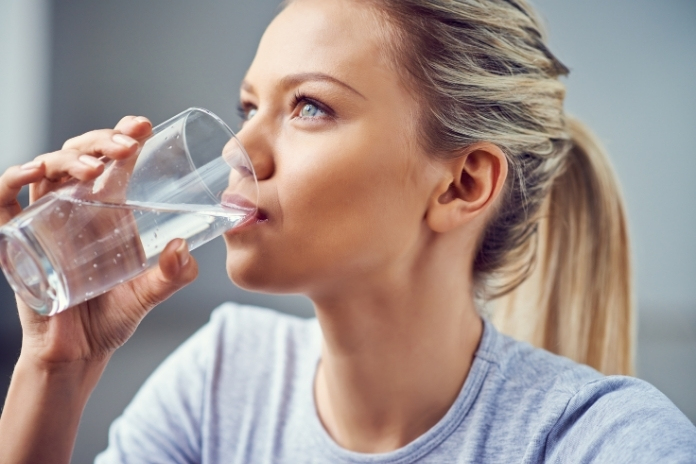
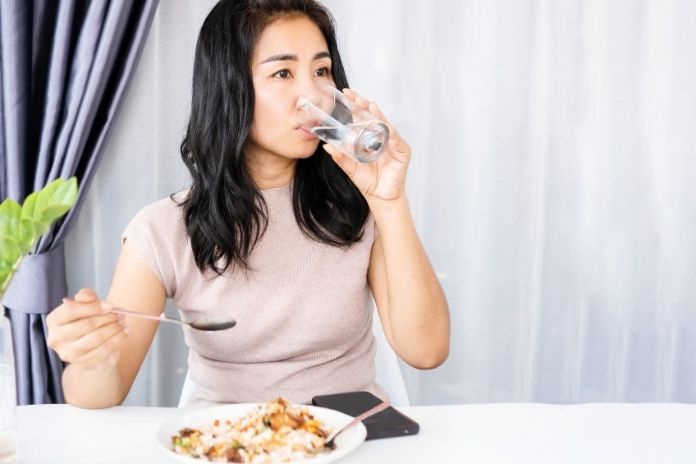
Hydration is so important. This rule makes me drink water often after having a full meal. And here’s when I feel if it works? The bloating feeling I get after drinking water makes me wonder if this does more harm than good.
Isn’t this a common thing? You’ve just eaten a heavy lunch or dinner, and without even thinking, you grab yourself a large glass of water to wash it down. For most of us, it’s second nature. Water is good for you, isn’t it? It keeps you hydrated, flushes out the toxins, and helps in bodily functions. Therefore, more water must always be better, even after eating.
Not exactly.
Drinking water after meals has become a debate among doctors, nutritionists, and health enthusiasts. Some believe it’s absolutely okay, even good, to drink water at any time. Others advise that drinking water at specific times, particularly after meals, may be significant when it comes to digestion, comfort, and nutrient assimilation.
So, do you drink water after a meal, or do you wait? It all depends on knowing how digestion works, what the result is of water being added to the process, and your body’s individual needs. We will learn more about this in the article.
Read More: Drinking Water Before Bed: Is It Healthy or Harmful? What Science Says
What Happens When You Drink Water During or Right After Meals
To know the impact of water on digestion, let’s first understand how digestion takes place.
When you consume food:
- Mouth: Chewing macerates food into tiny fragments while saliva softens it and starts to break down carbohydrates with enzymes such as amylase.
- Stomach: Food is blended with gastric juices. It is a strong mixture of hydrochloric acid and digestive enzymes to digest proteins and ready nutrients for absorption.
- Small Intestine: Liver bile and pancreatic enzymes complete the breakdown process, and nutrients are absorbed into the bloodstream.
It is often believed that water with food weakens the strength of stomach acid and digestive enzymes, thus reducing their efficiency. The reason is that increasing the amount of liquid too much dilutes the concentration of gastric juices, possibly impacting digestion.
In normal people, the body adapts by secreting more acid and enzymes when needed. So, a reasonable amount of water generally will not create significant problems. But in those with low stomach acid, slow digestion, or diseases such as GERD, introducing a great deal of fluid during or shortly after meals may exacerbate symptoms.
Read More: The Impact of Hydration: How Water Influences Your Diet and Health
Possible Downsides of Drinking Water Immediately After Meals
While moderate sipping is generally harmless, there are potential risks of drinking water immediately for certain people.
Bloating and Fullness:
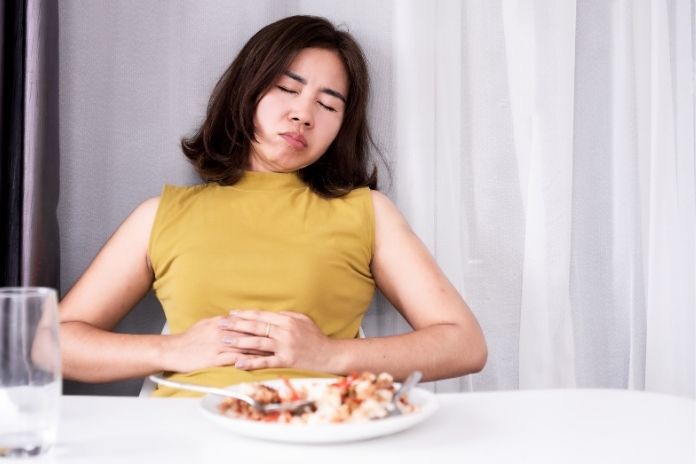
Your stomach can comfortably stretch to hold both food and fluid, but adding a lot of water right after a large meal increases its volume significantly. This can lead to:
- A heavy, uncomfortable sensation.
- Increased gas production, especially after high-fiber meals.
- Distension that slows your willingness to move or be active.
Individuals who tend to experience bloating after eating will find that consuming a glass of water directly following a meal enhances the sensation.
Acid Reflux Trigger:

Acid reflux occurs when acid in the stomach flows upward into the esophagus. In gastroesophageal reflux disease (GERD), the lower esophageal sphincter (LES) fails to close tightly. Drinking a full glass of water with a meal can:
- Add pressure to the stomach.
- Push acid and partially digested food upward.
- Trigger heartburn and discomfort.
For people with reflux, waiting first before drinking large quantities of water can reduce flare-ups.
Slower Digestion in Some Individuals:
For people who have poor digestive function or low stomach acid, too much fluid consumption after meals can:
- Impact the gastric juices that are required to digest proteins and minerals.
- Delay gastric emptying, causing bloating.
- Decrease nutrient absorption effectiveness, particularly for minerals such as iron and calcium.
While this effect is mild for healthy digestion, it’s more noticeable for individuals already struggling with slow stomach emptying.
When It’s Usually Fine (and Even Helpful)
There are situations where drinking water after meals isn’t harmless but can be beneficial.
- Opt for small sips to aid swallowing. If you’re eating dry or dense foods, a bit of water helps moisten them and prevent choking.
- Proper hydration helps ease digestion. Drinking enough water during the day keeps stools loose, helps fiber work in the intestines, and dissolves nutrients so that they’re easier to absorb.
- Warm water after a meal has been part of some traditions. Food can move easily through the digestive system, and it may ease cramping for nervous stomachs.
For healthy adults in general, moderate amounts of water before, with, and after meals will not disrupt digestion.
Best Practices for Timing Water Intake

If you wish to maximize digestion and continue staying hydrated, try the following timing practices:
- 30 Minutes Before Mealtime: Having a glass of water ahead of time, 30 minutes before meals, may induce a sense of fullness, precluding excessive eating.
- At Mealtime: Have small amounts of water as needed, but not large quantities that increase the stomach size greatly.
- After Meals: Wait about 30–60 minutes before drinking a full glass, especially if you’re prone to reflux or bloating. This allows your stomach acid and enzymes to do their work without extra dilution.
The goal isn’t to avoid water but to space it out, so it complements digestion rather than competing with it.
Read More: 10 Reasons to Start Drinking Water Stored in Copper Vessels
Special Considerations
Different lifestyles and health conditions can influence how water affects digestion after meals.
- Athletes and Post-workout Hydration: When you’ve had a strenuous workout, fluid replenishment is essential. If you’ve eaten after exercising, having water with your meal might be required; just go slow to keep your stomach from getting upset.
- People with Digestive Disorders: In individuals with GERD, IBS, or gastroparesis, it may be helpful to space out large amounts of water away from meals in order to prevent bloating, cramping, and reflux.
- Older persons: Aging tends to decrease stomach acid levels. Drinking huge quantities of water with food may further weaken gastric juices and make digestion less effective.
Other Habits That Support Digestion
While water timing is important, overall digestion relies on a variety of habits:
- Eat slowly and chew well. This mechanical food breakdown lessens the load on your stomach.
- Add fiber-containing foods. They encourage normal bowel movement and support healthy gut bacteria.
- Handle stress while eating. Excessive stress withdraws blood supply from the digestive system, decelerating the process.
- Opt for proper hydration. Having water in regular intervals during the day eliminates the necessity of drinking large volumes while eating.
Final Thoughts
For all but a few with health issues, drinking water after eating isn’t problematic. Your stomach can learn to process both food and fluid. If you feel bloated, have acid reflux, or digest too slowly, however, trying to time your water intake differently might help with comfort and nutrient uptake.
Here are a few quick tips to follow:
- Drink water throughout the day as needed.
- Take small sips with meals if necessary.
- Wait 30–60 minutes post-eating for drinking more water.
Digestion and hydration are both crucial to good health. The secret is allowing them to work together rather than against one another.
References
- https://sahyadrihospital.com/blog/can-too-much-water-cause-indigestion/
- https://www.patrika.com/en/health-news/optimal-water-drinking-times-when-and-why-hydration-matters-19672015
- https://www.healthdirect.gov.au/drinking-water-and-your-health
- https://www.nhs.uk/live-well/eat-well/digestive-health/good-foods-to-help-your-digestion/
- https://timesofindia.indiatimes.com/life-style/health-fitness/health-news/is-drinking-water-after-meals-safe-for-health-benefits-and-potential-drawbacks/articleshow/122384687.cms
In this Article