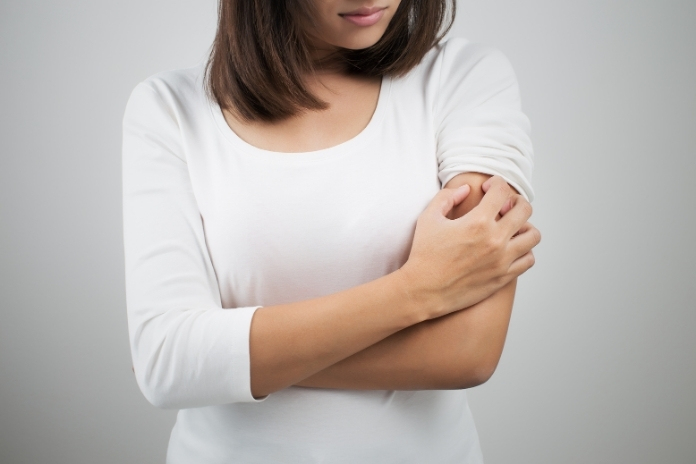
The fact that common foods might be a hidden cause of hives (also known as urticaria) comes as a surprise to many. Food sensitivities are more subtle and may result in recurring flare-ups without a clear reason, whereas food allergies can produce abrupt reactions.
Although the reason for chronic hives is generally unknown, some people may experience worsening of their symptoms due to specific foods. For example, foods high in histamine or additives like preservatives, spicy foods, tomatoes, and alcohol can occasionally cause itching and swelling.
The good news is that you can better control your symptoms by keeping a food journal and noting which foods seem to trigger sensitivities. A low-histamine or elimination diet developed in consultation with a physician or dietician can have a significant impact.
This article will discuss the foods to avoid and provide healthy substitutes to help calm your skin from the inside out.
Read More: Hives in Children: Causes and Symptoms
How Food Can Trigger Hives

Urticaria, another name for hives, are itchy, elevated welts that can develop on the skin for a number of causes, but one of the most common is your food habit. These eruptions can occasionally be the consequence of allergy-related urticaria, in which your body interprets particular foods as harmful.
The Immune Response: Histamine and Hives
A food that your body perceives as dangerous may cause your immune system to overreact, causing substances like histamine to be released.
This is particularly true for food allergies, as the immune system reacts to proteins in particular foods; histamine production results in inflammation, which manifests as hives, redness, and swelling. This chain reaction is one of the primary causes of urticaria brought on by allergies.
Immediate vs. Delayed Reactions
Allergy reactions can be divided into two categories. The first is IgE-mediated, which happens instantly. It can occur minutes after consuming a trigger food or as long as two hours later. Hives, itching, difficulty breathing, and in extreme situations, anaphylaxis, are some of the symptoms.
A delayed hypersensitivity reaction, which occurs hours later and could be more difficult to track, is the other allergic response. Rather than actual allergies, food sensitivities are frequently the cause of these delayed reactions.
Who Is Affected?
Food allergies can occur late in life for many adults, although they are more common in children. Some children outgrow their food allergies, while for many others, certain allergies persist throughout adulthood. Awareness is important at any age because allergy-related urticaria can affect both adults and children.
Chronic Hives and Food Sensitivities
Certain foods can worsen chronic hives, which are hives that persist longer than six weeks, even in people who do not have an actual allergy. In these situations, foods that cause hives include spicy foods, tomatoes, aged cheeses, alcohol, and foods that contain artificial additives or high histamine.
Although they don’t always trigger an allergic reaction, these can aggravate the body and result in flare-ups.
Foods that cause hives should be recognized and avoided, regardless of whether they are caused by a sensitivity or an allergy. Keeping a food journal and consulting a professional can help you control your symptoms and live a more comfortable life.
Read More: Food that Triggers Hive; What to Avoid
Common Foods That May Trigger Hives
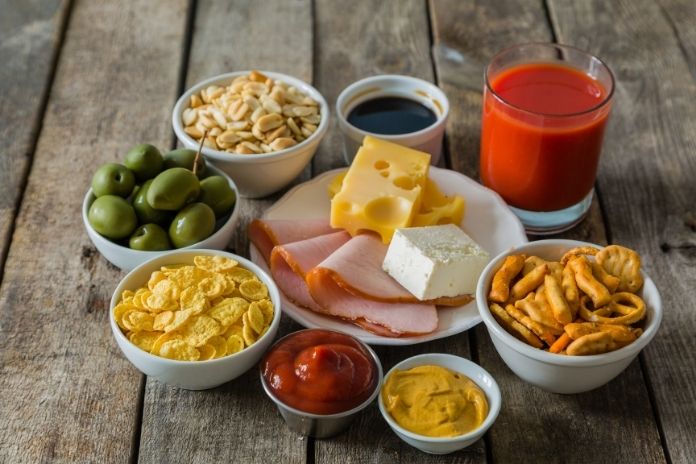
Hives, also known as urticaria, are itchy, red, raised rashes that often appear suddenly and may last for hours or days. While many people associate hives with insect bites or medications, foods that cause hives are a frequently overlooked culprit.
Whether due to allergies, food sensitivities, or histamine intolerance, the foods you eat can play a major role in triggering or worsening skin flare-ups.
Here’s a helpful hives food allergy list broken down into key categories to help you identify and avoid potential triggers.
a. High-Histamine Foods
These foods naturally contain high levels of histamine, which can aggravate the skin and immune system, especially in people with histamine intolerance or chronic hives.
- Aged cheese (cheddar, blue cheese, Swiss, Parmesan)
- Fermented foods like kimchi, yogurt, sauerkraut, and pickles
- Cured meats such as salami, bacon, and pepperoni
- Vinegar, wine, and beer, all of which are fermented and high in histamine
- Canned or smoked fish, including tuna, sardines, and mackerel
If you’re prone to hives, reducing your intake of histamine-releasing foods and high-histamine foods may help manage symptoms.
b. Foods That Cause Histamine Release
These foods don’t contain much histamine themselves, but they can trigger your body to release histamine, which can still cause a hives reaction.
- Citrus fruits (oranges, lemons, limes, grapefruits)
- Strawberries are often a trigger in children
- Tomatoes, particularly raw or in sauces
- Shellfish, such as shrimp, crab, and lobster
- Egg whites, especially when undercooked
These histamine-releasing foods may contribute to flare-ups, especially when eaten in large amounts or frequently.
c. Food Additives and Preservatives
Many processed foods contain additives that are known to provoke allergic-like responses and worsen hives in sensitive individuals.
- Artificial food dyes, such as Red 40 and Yellow 5, are commonly found in candies and sodas
- MSG (monosodium glutamate), a flavor enhancer in processed and takeout foods
- Sulfites, used in dried fruits, wine, and canned vegetables
- Benzoates and nitrates, found in sodas, processed meats, and packaged snacks
These chemicals don’t always cause a true allergy, but can act as irritants that increase the likelihood of hives in sensitive people.
d. Common Allergens
Classic food allergies often show up as hives. These reactions can happen within minutes of eating the food and may be part of a more serious allergic reaction.
- Milk and dairy products
- Peanuts and tree nuts, including almonds, walnuts, and cashews
- Wheat and gluten-containing products
- Soy and soy-based products (like tofu, soy milk)
- Eggs, especially egg whites
- Fish and shellfish
This food allergy list includes the most well-known food allergens, all of which can cause allergy-related urticaria.
If you regularly experience hives and can’t find a clear cause, your diet may be playing a bigger role than you think. By identifying foods that cause hives, whether due to allergies, histamine content, or chemical additives, you can take important steps toward preventing flare-ups.
Consult with a healthcare provider or allergist, and consider keeping a food and symptom journal to track patterns. Small dietary changes can lead to big improvements in your skin and overall comfort.
Read More: How to Tell the Difference Between Hives and Rash?
Signs You May Have a Food-Triggered Hive Reaction
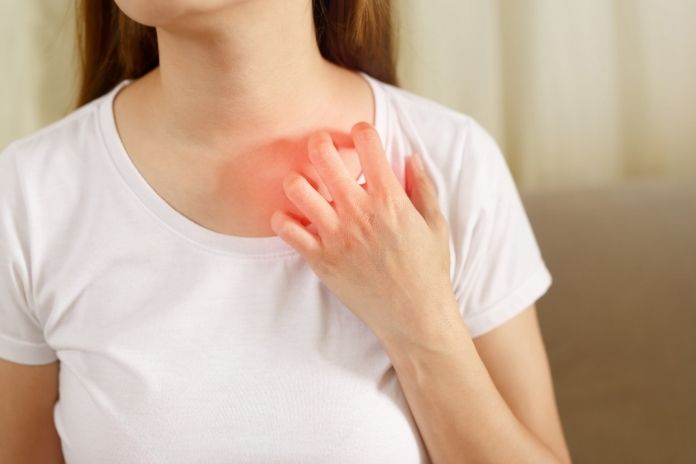
What you consume can occasionally cause hives, which are itchy, red welts on your skin. A food intolerance or a real food allergy could be the source of these reactions, and both conditions can result in unpleasant symptoms.
You can take prompt action and prevent future flare-ups by being aware of the warning indications of a food-triggered hive reaction.
Hives Appear Soon After Eating
A common symptom of food triggers for skin allergies is the onset of hives within two hours of eating. Red or skin-colored, these hives resemble elevated, bumpy rashes. They frequently show up on the back, arms, legs, or face. They can also travel throughout the body or vanish and then reappear.
Itching, Swelling, or Redness
The skin surrounding hives may grow swollen or red, and they are nearly always itchy. Puffiness around the hands, eyes, or lips may also be noticeable in more sensitive cause. When your immune system responds to the meal, it releases molecules like histamine, which causes these symptoms.
Other Symptoms: Stomach Upset or Facial Swelling
Aside from skin damage, food responses can occasionally result in:
- Cramping in the stomach, bloating, or nausea
- Having diarrhea or vomiting
- Swelling of the lips, tongue, or face
- Mouth or throat itching, tingling, or swelling
- Respiratory symptoms: cough, wheeze, shortness of breath, hoarse voice, or tight throat.
- Dizziness, lightheadedness, faintness, or feeling “like passing out
A food intolerance, which does not involve the immune system, can occasionally cause comparable symptoms to a food allergy, particularly in those with sensitive digestion or chronic urticaria.
Repeating Pattern After Certain Foods
If you frequently break out in hives or feel ill after eating particular foods or snacks, you may be responding to one or more food triggers for skin allergies.
Dairy products, soy, seafood, nuts, eggs, and processed foods containing dyes or preservatives are frequently the causes. Identifying trends and avoiding troublesome foods are two of the few benefits of keeping a food journal.
Read More: How to Get Rid of Hives?
What to Eat Instead: Hive-Friendly Food Alternatives
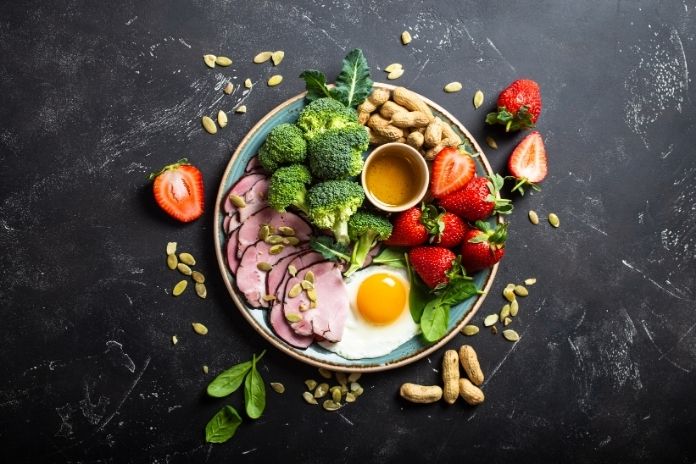
A hidden trigger for recurrent skin flare-ups, particularly persistent or unexplained hives, may be your food. There can be a significant impact from a few clever food substitutions.
Knowing what to eat when you have hives is essential for reducing inflammation and soothing your immune system. Anti-inflammatory foods, gut-friendly options, and a low-histamine diet can all help to lessen symptoms and promote long-term skin health.
a. Low-Histamine Diet Basics
Foods on a low histamine diet are those that neither naturally contain nor cause the body to release histamine. It is frequently used in conjunction with an exclusion diet for hives in order to determine the potential causes of flare-ups.
- Fresh meats (steer clear of processed, aged, or smoked varieties)
- The majority of veggies, including broccoli, zucchini, and carrots (but excluding tomatoes, spinach, and eggplant)
- Watermelon, mangoes, pears, apples, and other fresh fruits (avoid citrus and strawberries if sensitive)
- Rice, quinoa, oats, and other grains that are calming and simple to digest
- Dairy products, such as coconut milk, might be a common trigger
Because they are less likely to irritate your system, these foods are perfect for a diet for chronic hives.
b. Anti-Inflammatory Foods
Including anti-inflammatory items in your diet can boost your immune system and help lower general inflammation.
- Walnuts, flaxseeds, and chia seeds are examples of foods high in omega-3.
- Both ginger and turmeric are well-known for their inherent anti-inflammatory properties
- Leafy greens, such as spinach if you’re histamine sensitive, and kale and arugula
- Blueberries, raspberries, and other berries, but only if they are well tolerated
These additions promote internal healing and could help stop outbreaks in the future.
c. Hydration & Gut Health
A healthy stomach and staying hydrated are equally as vital as avoiding trigger foods.
- Water consumption can aid in the removal of pollutants and histamine.
- Pick low-histamine probiotics, including some yogurts made with coconut or well-chosen supplements (avoid fermented goods).
- Drinking sugary or carbonated beverages might aggravate hives and disturb digestion.
When it comes to controlling symptoms, knowing what to eat can make a major difference. Identifying triggers and calming your skin from the inside out can be accomplished by beginning with a low-histamine diet or an elimination diet for hives.
Rajani Katta, MD, a dermatologist and award-winning educator, thinks that “everyone would benefit from an anti-inflammatory diet. Even if it doesn’t help your skin, it will help the health of all of your organ systems. Just make sure that your healthy, anti-inflammatory diet doesn’t contain any of your known triggers”.
Read More: What is Lazy Colon and How to Fix it?
Tips for Identifying Food Triggers

Your diet can be the source of your frequent itchy rashes, hives, or skin discomfort after meals. One of the best strategies to lessen and avoid flare-ups in the future is to identify the foods that trigger your symptoms.
Determining the cause of the reaction, whether it’s a food allergy, intolerance, or histamine sensitivity, can give you a greater sense of control over your health. Here are a few easy, doable steps to get you going.
1. Use a Food and Symptom Diary
Begin by recording your daily food and liquid intake, as well as any symptoms you encounter and their timing. This can assist you in identifying trends, such as the emergence of hives a few hours following a certain meal.
Take note of the meal kind, portion quantity, time, and any side effects, such as redness, itching, or upset stomach. Your journal may eventually show connections between particular foods and your symptoms.
2. Try an Elimination Diet (Under Medical Guidance)
Eliminating common trigger items from your diet for a few weeks and then gradually returning them one at a time is the goal of an elimination diet for hives. Usually, the first foods to be cut out are dairy, wheat, eggs, soy, nuts, and seafood.
A doctor or a dietician should always be present to supervise this process, particularly if you experience severe reactions. It’s an essential tool for determining histamine-related reactions as well as dietary intolerances.
3. Consider Food Allergy Testing
Your doctor can suggest allergy testing if you think you might have a real food allergy. A blood test to look for IgE antibodies or a skin prick test, which involves applying tiny amounts of allergens to your skin, can be used for this.
These tests assist in determining whether your symptoms are due to urticaria from an allergy or something else.
4. Work with an Allergist if Symptoms Persist
A board-certified allergist should be consulted if your symptoms are severe, frequent, or difficult to monitor. They can offer a customized plan, evaluate test results, and assist in directing your elimination diet.
Non-allergic reasons, such as stress or temperature fluctuations, can occasionally cause hives; a specialist can assist in ruling these out.
Dr. Dylan Timberlake, MD, says that there are a few factors that can contribute to chronic hives. “There are certain medications, such as nonsteroidal anti-inflammatory drugs (NSAIDs), that can irritate allergy cells. Those cells are more likely to get activated and release their chemicals. Also, for people with chronic hives, drinking alcohol can make chronic hives worse or trigger those hives.”
Read More: Zoloft Side Effects and its Common Reactions
When to See a Doctor

Hives are normally not dangerous and go away on their own, but they might sometimes mean something more serious is going on.
It’s vital to know when to get medical treatment, especially if your symptoms are bad or persist for a long time, when you should cease taking care of it at home, and when to talk to a doctor.
Hives Last More Than 6 Weeks
You can have chronic urticaria if your hives keep coming back or don’t go away for more than six weeks. There are various reasons that might cause this kind of hives, such as stress, illnesses, or certain foods.
Most of the time, there is no definite explanation. Chronic hives aren’t usually hazardous, but they can be uncomfortable and make your life worse. A doctor can help you figure out what might be causing your problems and provide long-term therapy alternatives.
You Suspect a Severe Food Allergy
If you get hives right after eating and have other symptoms like stomach cramps, vomiting, dizziness, or a tight feeling in your throat, you may be having anaphylaxis, which is a very deadly allergic reaction.
This can be deadly and usually happens within minutes to an hour of eating a food that causes it. Nuts, shellfish, eggs, and milk are some food variants that can cause an allergic reaction. If you suspect you could be having this kind of reaction, get medical help immediately.
Over-the-Counter Medication Doesn’t Work
Over-the-counter antihistamines can assist with mild hives by reducing itching and swelling. But if these drugs cease functioning or only help for a short time, you should see a doctor. To find out what’s wrong, they might suggest stronger medicines or allergy tests.
Emergency Signs: Swelling or Trouble Breathing
If your lips, face, tongue, or throat are swelling, or if you have trouble breathing, wheezing, or chest tightness, you need to see a doctor very soon.
These signs could mean a serious allergic reaction, and you need to get help right away. Get in touch with emergency services or head to the closest hospital immediately.
Read More: Is Your Child’s Hyperactivity Actually a Food Sensitivity?
Final Thoughts
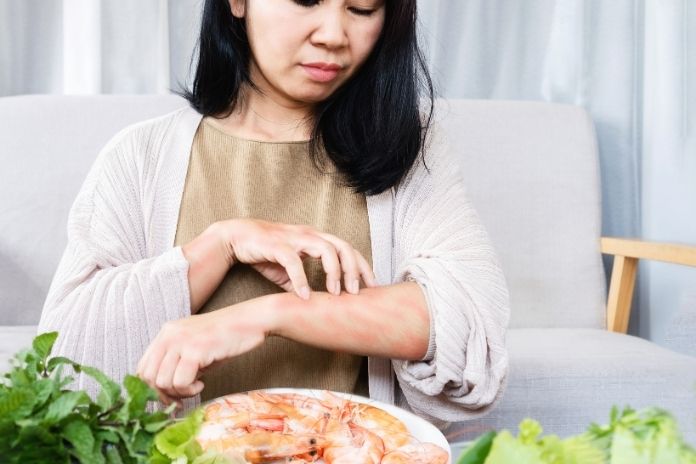
Managing food-related hives can be difficult, particularly if symptoms appear suddenly. Nevertheless, with the appropriate strategy, they are frequently controllable. By monitoring your diet and your body’s responses, you can pinpoint possible causes.
Flare-ups and discomfort can be greatly decreased by avoiding certain items and adhering to a low-histamine or elimination diet under physician supervision. As you determine what is most effective for your body, it is important to remain patient and persistent.
Thankfully, there are several tasty, healthy substitutes that you may eat without having to worry about getting hives. Your meals don’t have to be dull with nutritious grains, dairy-free alternatives, and fresh fruits and veggies.
Speak with a healthcare provider first if you’ve been dealing with food allergies, persistent hives, or want to know more about what to eat if you have hives. Then, take charge of your health, one meal at a time.

References
- https://www.aad.org/public/diseases/a-z/hives-chronic-relief
- https://www.mayoclinic.org/diseases-conditions/food-allergy/symptoms-causes/syc-20355095
- https://acaai.org/allergies/allergic-conditions/food/
- https://my.clevelandclinic.org/health/diseases/9196-food-allergies
- https://www.mayoclinic.org/diseases-conditions/food-allergy/symptoms-causes/syc-20355095
- https://www.mayoclinic.org/diseases-conditions/hives-and-angioedema/symptoms-causes/syc-20354908
- https://www.medanta.org/patient-education-blog/which-food-items-may-cause-allergies-and-rashes-on-your-skin
- https://www.webmd.com/allergies/food-triggers
- https://www.clarityne.com.sg/living-allergies/skin-allergies/rashes-on-skin-from-food-allergy
- https://www.heartandhealth.com/urticaria-hives-symptoms-causes-and-treatment/
- https://www.seasonhealth.com/blog/low-histamine-anti-inflammatory-diet-food-list
- https://acaai.org/allergies/allergic-conditions/food/
- https://my.clevelandclinic.org/health/diseases/9196-food-allergies
- https://www.virtual-college.co.uk/resources/food-based-allergic-reaction-advice
- https://www.eroftexas.com/hives-the-common-and-surprising-causes/
- https://www.nhsinform.scot/illnesses-and-conditions/skin-hair-and-nails/hives/
- https://www.hopkinsmedicine.org/health/wellness-and-prevention/anti-inflammatory-diet
In this Article