













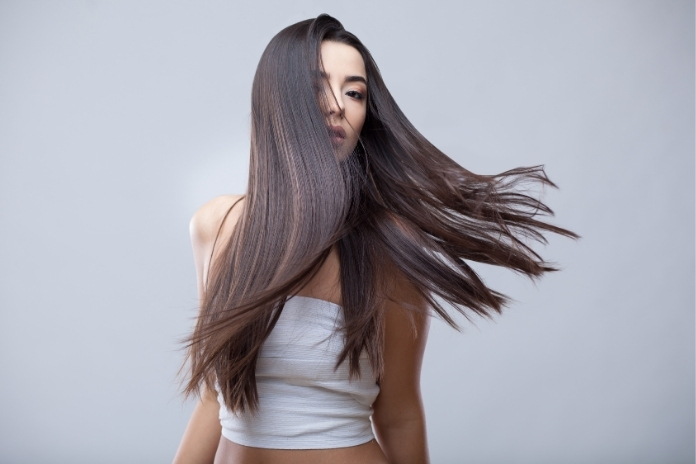
While we’re busy nourishing our skin, we sometimes overlook the care our hair needs just as much. The last time I saw myself in the mirror, there was a change in me. And this wasn’t on my face, but the hair. The hair felt brittle and thin, making me wonder if it’s really ‘healthy’ as I had thought.
Do you also feel that healthy hair looks fine to the eye?
Hair health is so much more than length or volume. It’s about the way your locks feel, react to treatment, and hold up over time. Have you ever wondered, “Is my hair healthy?” Or maybe you just want to boost its shine and strength. Knowing the real signs of healthy hair can help you avoid unnecessary damage and costly treatments.
In this article, we will share how to identify whether your hair is healthy, easy home tests that you can perform, and learn a few proven methods to naturally enhance your hair health.
Read More: Healthy Hair, Happy You: Top 8 Hair Growth Supplements for Stronger Locks
What Healthy Hair Means
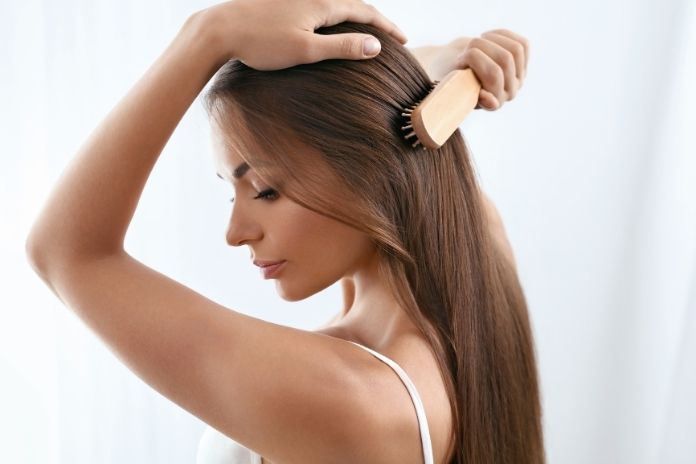
Hair health is an indication of inner balance and outer care. Although it appears different based on the type of hair you have (straight, wavy, curly, coily), there are a few universal characteristics of healthy hair:
- Strength: Healthy strands are strong and resist breakage. These don’t snap easily when brushed or styled.
- Hydration: Moisture-rich hair feels supple, unlike hair that lacks hydration, which is brittle or straw-like.
- Elasticity: Healthy hair is elastic and stretches slightly when pulled and bounces back instead of breaking.
- Shine: Shine is another way to know hair health. A healthy cuticle reflects light, making your hair look naturally shiny.
- Scalp Health: If you have a clean, balanced scalp, be sure that the hair is healthy, as this is the foundation of good hair growth.
Keep in mind, your hair’s health is also determined by lifestyle influences, including diet, stress, hormones, and environmental factors. This is why what’s inside matters just as much as the appearance of your hair.
Top Signs That Your Hair Is Healthy
Healthy hair speaks for itself. Here are a few ways you can know if it’s in good health:
It Has a Natural Shine:
Shiny hair is perhaps the most obvious indicator of healthy hair. Shine occurs when the hair cuticle (outer coating) is flat and smooth and allowing light to bounce off evenly.
- What it means: Your hair is well-moisturized, with minimal damage to the cuticle.
- If it’s missing: Dull or lifeless hair means there might be a buildup from products, dehydration, or chemical damage.
- Fix it: Correct it by using a clarifying shampoo once a month to remove residue. You can also apply hydrating treatments containing ingredients like argan oil or glycerin.
It’s Smooth to the Touch (Even Without Products):
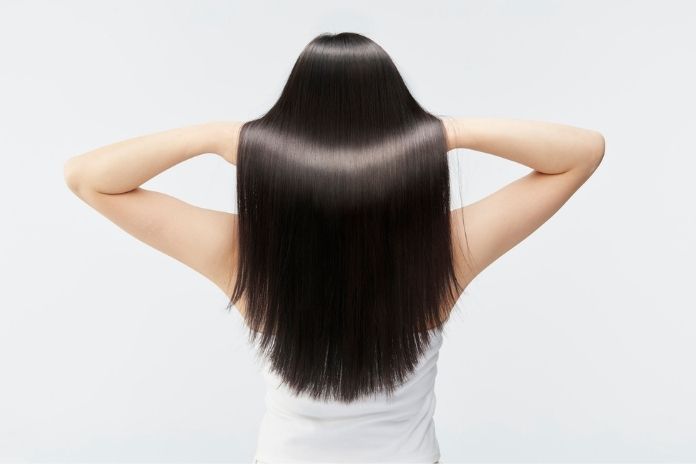
Healthy hair should feel soft and manageable. This should be the case even when air-dried or without any smoothing serums or masks.
- What it means: The cuticle is intact and lies flat, preventing friction.
- If it’s missing: These frizzy, rough strands could point to weathering, dehydration, or too much heat styling.
- Fix it: To make your hair smooth, use leave-in conditioners and limit heat tools or treatments. Opt for products with silk proteins or ceramides. These help repair the cuticle.
Minimal Breakage or Split Ends:
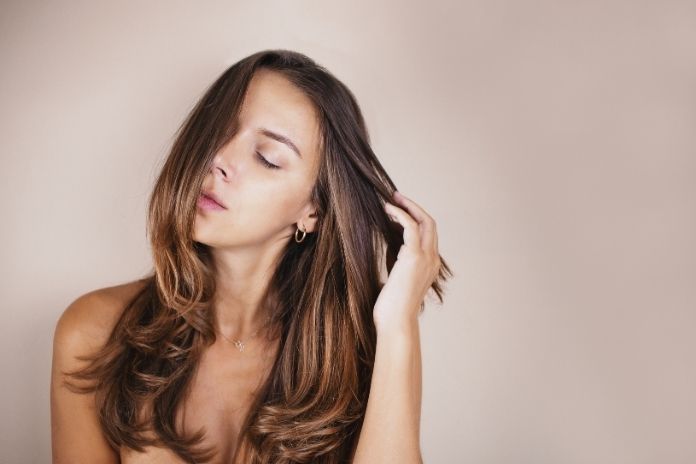
It’s common to lose 50–100 hairs daily, but split ends and breakage are another story.
- What it means: Stronger hair shafts that can survive brushing, tying, and styling.
- If it’s missing: Breakage and split ends make your hair look thin. Especially split ends give hair a thinning, damaged, frizzy appearance.
- Fix it: Have trims every 8–10 weeks, and avoid brushing wet hair harshly. Use wide-tooth combs and gentle detangling sprays.
Strong Elasticity (Stretch Without Snapping):
To test the strength and elasticity of your hair, stretch a strand between your fingers. If it extends and resumes shape, it’s healthy. If it snaps readily or is stiff, elasticity is lost.
- What it means: Your hair contains the optimal level of moisture and protein.
- If it’s missing: Dry hair frizzes from over-processing, dehydration, or protein excess.
- Fix it: Switch between moisturizing masks and protein treatments. Apply products containing hydrolyzed keratin or rice protein.
Read More: 5 Products That Stimulate Hair Growth in Men
Balanced Scalp (Not Too Dry or Oily):
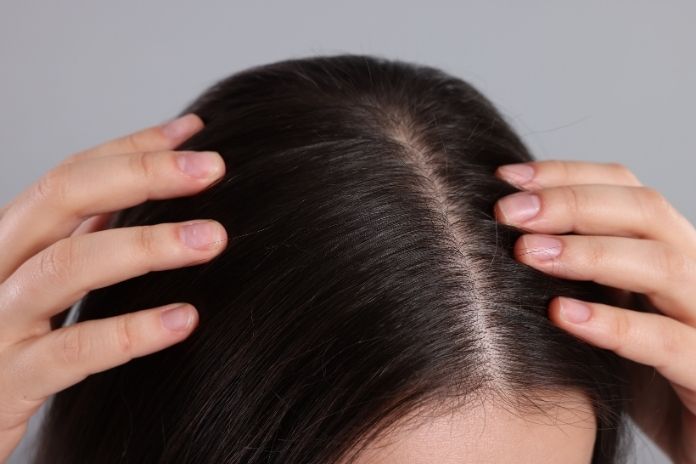
A healthy scalp is neither itchy nor flaky, oily, nor irritated. It has healthy follicles and constant hair growth.
- What it means: Your sebaceous glands are in harmony with your skin barrier.
- If it’s missing: Dry flakes, oiliness, or soreness can signal seborrheic dermatitis, dandruff, or product sensitivity.
- Fix it: Use the appropriate shampoo for your scalp type (e.g., tea tree for oily, moisturizing for dry). Cleanse your scalp weekly with a mild scrub or scalp brush.
Regular Growth:

You should notice regular hair growth eventually, around half an inch every month.
- What it means: Your hair cycle (anagen, catagen, telogen) is in good working order.
- If it’s missing: Sudden thinning, shedding, or stopped growth may be due to stress, hormonal disorder, iron deficiency, or illness.
- Fix it: Get a diet high in nutrients, learn to handle stress, and take supplements such as biotin or collagen after consulting a physician.
Signs Your Hair Might Be Damaged or Unhealthy
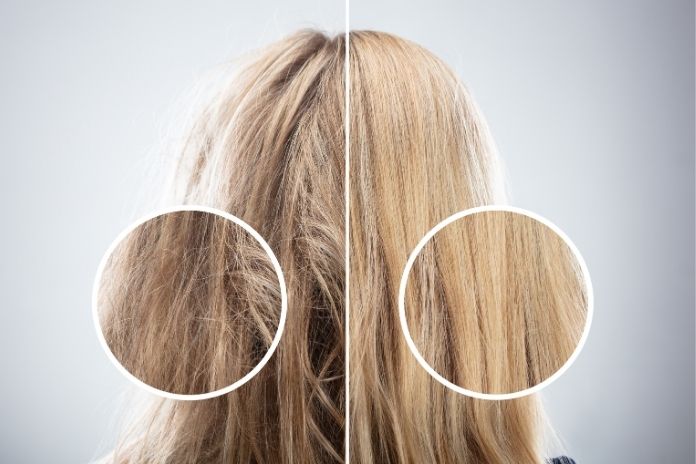
It’s not always easy to notice and understand when your hair is in trouble. But here are some typical warning signs:
- Too much frizz, breakage, or tangling
- Sticky or gummy texture when wet
- Hair that is greasy at the roots but dry at the ends
- Loss of the curl pattern or elasticity of textured hair
- Excessive split ends or the requirement for trims
- Sudden bald patches or shedding
If your hair demonstrates more than one of these signs, it might be time to switch your hair care routine or consult a professional.
Quick At-Home Hair Health Tests
To fix the damage (if any), you must first understand if your hair is really unhealthy. And don’t worry, you don’t need elaborate tests for this. We will help you with a few quick and easy tests to analyze your hair:
1. Strand Stretch Test (Elasticity Check):
Hold a wet strand of hair and very gently pull it apart:
- Healthy: It stretches a little and goes back to its original shape.
- Unhealthy: It breaks or stays stretched and limp.
2. Porosity Test (Water Float Test):
Dip a clean, dry strand of hair in a glass of water:
- Floats: Low porosity (resists water).
- Sinks slowly: Medium/normal porosity (ideal).
- Sinks rapidly: High porosity (absorbs but dries out quickly).
3. Tangle Test:
Wash your hair and air-dry it without conditioner:
- Healthy: Healthy hair has very little tangling and is effortless to comb.
- Unhealthy: Unhealthy hair is often difficult to detangle.
4. Shine Test:
Go out in the natural sunlight and take a look at your hair:
- Healthy: Healthy hair shines evenly.
- Unhealthy: Unhealthy hair looks dull, patchy, or uneven in shine.
Read More: Hair Cycling Explained: The TikTok Trend That’s Changing Hair Care Routines
How to Fix and Improve Hair Health
You don’t need to spend a fortune on salon visits. These tried and tested tips can repair your hair:
Change Your Wash Routine:
- Shampoo only 2–3 times a week, or less often if you have curly or dry hair.
- Opt for sulfate-free shampoos to help retain moisture.
- Condition mid-length to ends.
- Don’t neglect scalp health, as healthy scalps equal healthy hair.
Apply Heat Protection:
- Always use heat tools on damp hair only with thermal protectant.
- Use the lowest heat setting possible.
- Air dry where possible or use microfiber towels.
Deep Condition Once a Week:
- Opt for masks containing glycerin, aloe, shea butter, argan oil, or coconut oil.
- Use on wet hair, leave on 10–30 minutes, then rinse with cold water.
Get Regular Trims for Split Ends:
- Every 8–10 weeks is best to stop splits from getting deeper.
- Micro-trims keep the length without cutting off.
Eat a Hair-Nourishing Diet:
Diet plays a major role in maintaining hair health. To have the best hair, opt for foods high in:
- Protein: Eggs, lentils, tofu, chicken
- Iron: Spinach, red meat, pumpkin seeds
- Zinc: Chickpeas, shellfish, nuts
- Omega-3s: Flaxseeds, salmon, walnuts
- Biotin: Eggs, almonds, avocados
Remember to stay hydrated too, and drink lots of water every day.
Reduce Stress and Hormonal Imbalance:
- Ongoing stress can drive hair into the resting (telogen) phase, causing it to fall out.
- Do relaxation methods such as yoga, journaling, or meditation.
- Talk to a healthcare professional if you think you have a thyroid or hormonal imbalance.
When to See a Dermatologist or Trichologist
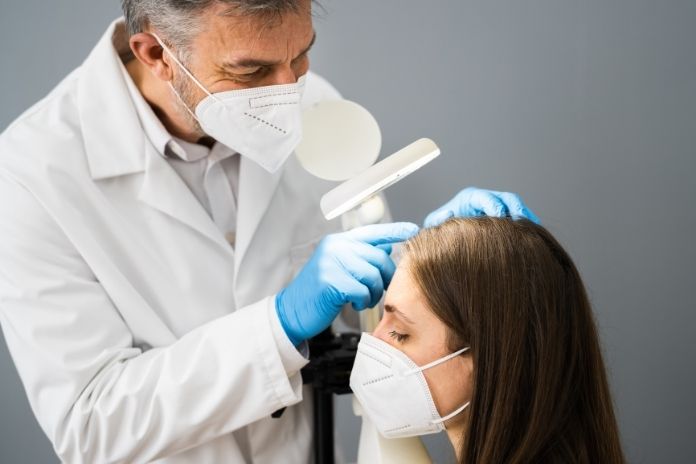
If you’ve done all of the above and your hair condition continues to worsen, it’s time to see an expert.
Consult an expert if:
- You suddenly lose lots of hair.
- Your scalp is inflamed, sore, or itchy.
- You notice bald patches, scarring, or redness.
- You think there might be an underlying medical condition, such as PCOS, thyroid disease, or alopecia.
They can suggest treatments such as topical minoxidil, laser therapy, or prescription treatments depending on the underlying cause.
Final Thoughts
Perfect hair isn’t the same as healthy hair. Healthy hair is balanced, healthy, and well-maintained strands that indicate your overall health.
If you’re unsure whether or not your hair is healthy, the answers tend to be staring you right in the face: shine, strength, smoothness, and consistent growth. A few easy tests and regular care rituals can turn your stressed hair into strong hair.
With patience, dedication, and a few subtle adjustments to your regimen, your healthiest hair is closer than you think.
In this Article