













Your 30s are a formative decade. You’re establishing a career, maybe having a family, juggling responsibilities, and continuously adjusting to life. With everything happening, you can easily neglect your heart health, particularly when you’re young and full of energy. Heart disease does not, however, wait until you are old. It starts quietly, sometimes during your 20s or 30s, much earlier than any symptoms occur.
As per Olusola Orimoloye, M.D., M.P.H., postdoctoral fellow at the Johns Hopkins Ciccarone Center for the Prevention of Cardiovascular Disease, “Our study suggests an important public health message: that even when people perceive themselves to be healthy, they may still have significant cardiovascular disease.”
Olusia, presently a Cardiologist at Northwestern Memorial Hospital, adds, “This means that all adults would benefit from seeing a health care provider to get a more definitive assessment for their risk of disease, even if they think they’re healthy and feel they don’t need to visit the doctor.”
“Younger people aren’t invincible when it comes to heart health,” says preventive cardiologist and MyFitnessPal scientific advisory member, Danielle Belardo, MD. “The increasing prevalence of cardiovascular conditions in younger people has many factors. Key contributors include obesity, sedentary behavior, and diets rich in ultra-processed foods,” she explains.
The silver lining? You’ve got time. Your 30s are the ideal time to develop strong, preventive habits. This article details eight science-supported, lifestyle-driven approaches that can safeguard your heart now and down the line. Whether you’re already living a health-conscious life or just starting to do it, this article will help.
Why Heart Health in Your 30s Matters
Heart disease itself remains the top cause of death globally, accounting for roughly 1 death out of every 5 in the U.S. alone. Yet few people understand that heart issues seldom happen overnight. They quietly develop over the years, usually without symptoms, via a process known as atherosclerosis, or the accumulation of plaque within the arteries.
So why is your 30s such a crucial decade? Because most of the risk factors for heart disease, high blood pressure, high cholesterol, obesity, diet, lack of exercise, stress, and sleep deprivation, become increasingly prevalent during this stage of life.
What happens in your 30s?
- Metabolism slows down naturally, making you gain weight and more difficult to lose it.
- Career and family demands are at an all-time high, often causing chronic stress and irregular schedules.
- Exercise and self-care are often ignored, especially in our busy lives.
- Late nights, fast food, and convenience eating are more common.
Younger adults are increasingly getting diagnosed with high blood pressure and type 2 diabetes. This combination puts them at high risk of heart disease, according to studies. Luckily, these are preventable with the right kind of decisions.
Read More: Heart-Healthy Exercise Gear: 6 Essential Equipment for Exercising for Heart Health
8 Habits for a Healthy Heart in Your 30s
I am in my 30s, and here are a few habits that I adopted to reduce the chances of heart disease in the future:
1. Know Your Numbers
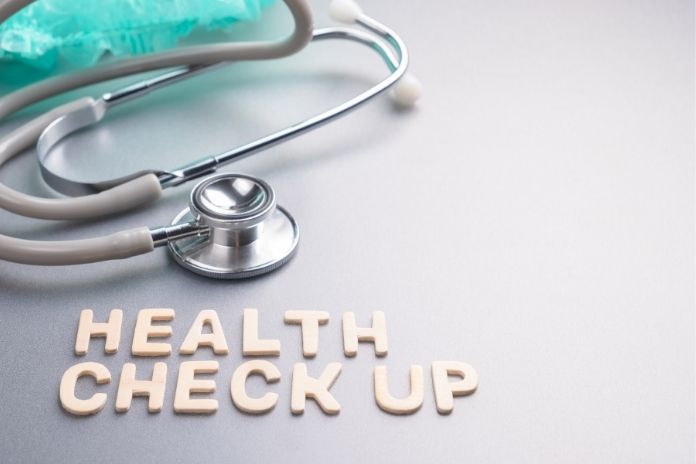
If you don’t measure it, you can’t manage it. Check-ups on a yearly basis are more than routine; they’re the front lines of prevention. A simple blood test can tell you a lot about your cardiovascular health.
Have these tested:
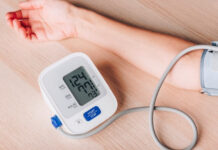
- Blood Pressure: Ideal is below 120/80 mmHg. High readings indicate a greater risk of heart attack and stroke.
- Fasting Glucose and HbA1c: These can detect early insulin resistance or diabetes.
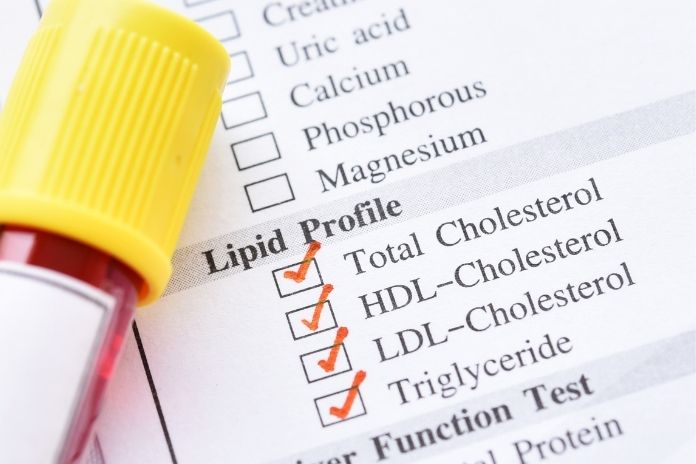
- Cholesterol Panel: LDL (bad), HDL (good), total cholesterol, and triglycerides all count.
- Resting Heart Rate: Generally 60–100 bpm, but lower is better.
- BMI and Waist Circumference: Belly fat (central obesity) is a major heart risk factor.
If there’s a family history of heart disease, discuss with your doctor if further testing (such as CRP, lipoprotein(a), or calcium score) is indicated.
2. Make Movement a Daily Priority
You don’t have to be a runner or sports enthusiast to protect your heart; just move. Exercise works to control weight, lower blood pressure, raise cholesterol levels, and lift your mood.
Recommended weekly activity:
- 150 minutes per week of moderate-intensity physical activity (e.g., walking quickly, dancing, swimming)
- You can also take up 75 minutes per week of vigorous physical activity (e.g., running, spinning, cardio kickboxing)
- 2 strength-training sessions/week for lean muscle and metabolic health
Even short bursts of consistent activity, 10 minutes at a time, add up. Try:
- Taking walking meetings
- Stretching between breaks
- Parking in a spot farther away or using the stairs
- Quick morning yoga flow
3. Eat with Your Heart in Mind
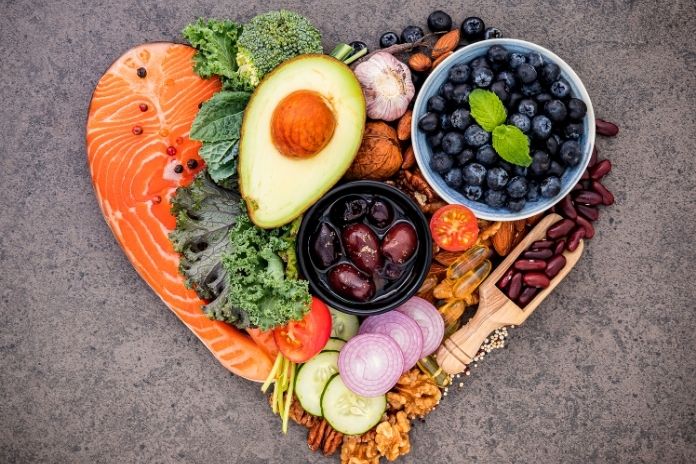
Diet either fuels inflammation or defeats it. Processed foods, refined sugars, and trans fats encourage plaque accumulation. A plant-based, whole-food diet protects your arteries.
You can try and plan meals around:
- 5+ servings of vegetables and fruits daily
- Whole grains, including oats, brown rice, and quinoa
- Lean proteins such as fish, chicken, legumes, and tofu
- Healthy fats such as olive oil, nuts, seeds, and avocados
- Omega-3 rich foods like fatty fish (salmon, mackerel) or flax/chia seeds
Limit:
- Fried or fast foods
- Sugary drinks and sweets
- Packaged snacks with preservatives
- Excess sodium (limit to <2300 mg/day)
A little meal prepping every week or two can save you from last-minute, less heart-friendly choices.
4. Quit Smoking and Rethink Alcohol
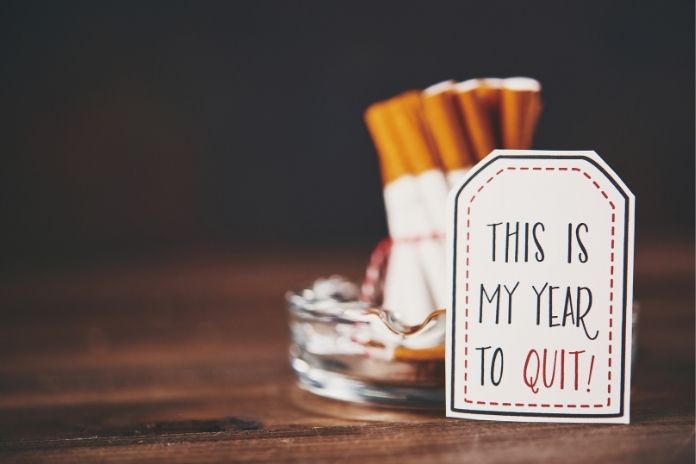
Smoking causes heart disease and is responsible for 1 of every 4 cardiovascular deaths. Smoking harms the inner lining of blood vessels, decreases HDL or good cholesterol, and boosts the tendency for blood to clot.
If you smoke, quit. Nicotine replacements, medications, and behavioral therapies can help you in this journey.
For alcohol, moderation is the word. Even one glass of red wine from time to time is okay, but drinking too much increases blood pressure and gradually causes damage to the heart muscle.
Recommended Levels:
- Women: No more than 1 drink a day
- Men: No more than 2 drinks a day
- Best: Select non-drinking days during the week
Read More: Monitoring Heart Health at Home: 7 Essential Devices You Need
7. Focus on Metabolic Health, Not Just Weight
It’s easy to get lost and focus solely on your weight. Thin people may have poor heart health, and heavier individuals can have good metabolic health. It’s more about how your body metabolizes food and stores fat.
The most important indicators of metabolic health:
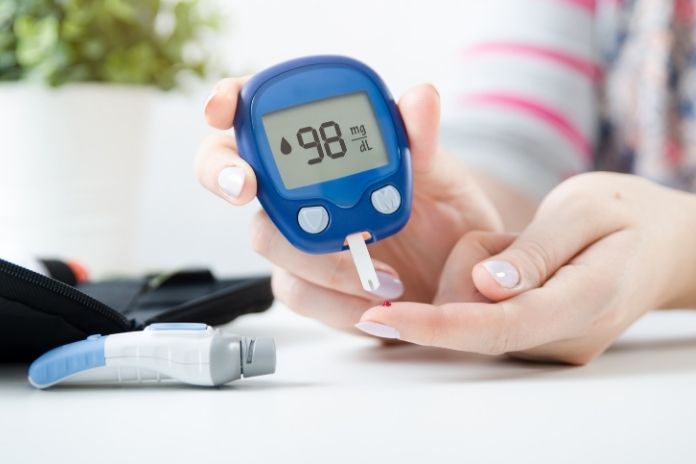
- Fasting blood sugar <100 mg/dL
- Triglycerides <150 mg/dL
- HDL cholesterol >50 mg/dL (female), >40 mg/dL (male)
- Waist circumference <35 in (female), <40 in (male)
Improving your metabolic health begins with a few lifestyle changes:
- Reduce added sugars and refined carbohydrates
- Increase daily activity
- Get adequate sleep and manage stress
Even a 5–10% reduction of your current weight, if you’re overweight, can make a huge difference in lowering the risk of a heart disease.
8. Make Routine Preventive Screenings a Part of Your Life
Most severe heart issues fly beneath the radar until it’s too late. That’s why check-ups are so important, even if you’re feeling fine.
Speak with your doctor about certain things, such as:
- Yearly physical with blood pressure check and cholesterol screening
- Blood sugar testing (particularly with PCOS, diabetes, or family history)
- Thyroid function and vitamin D levels
- An electrocardiogram (ECG) is needed if you have irregular heartbeats or palpitations.
If you’re at increased risk, your doctor might order more advanced testing, such as a coronary calcium scan or stress test.
Bonus: Are Heart Supplements Worth It?
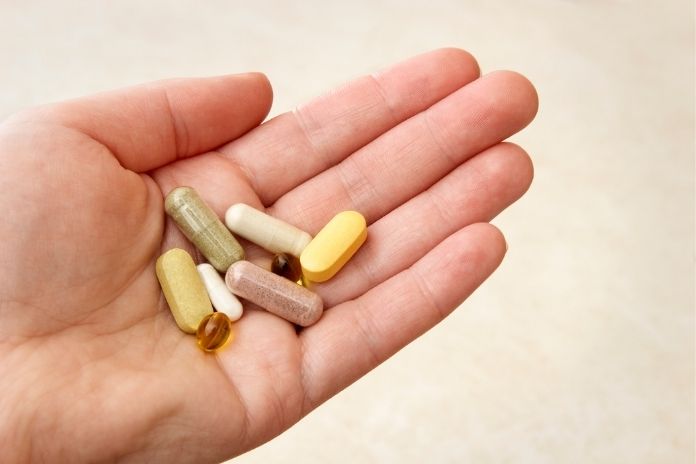
Supplements won’t substitute for a healthy heart lifestyle, but some can offer added protection, particularly if your diet lacks it.
Popular heart-supporting supplements:
- Omega-3s (EPA/DHA): Reduce triglycerides and inflammation
- Magnesium: Helps with managing blood pressure, muscle function, and heart rhythm
- CoQ10: Promotes mitochondrial energy and can be of value to statin users
- Vitamin D: Deficient levels have been linked with increased risk of heart disease
Always consult your physician before taking supplements, especially if you’re on medications. Your doctor may order tests to verify deficiencies and establish dosage.
Read More: Daily Supplements for Heart Health: Vitamins and Minerals to Manage Cholesterol
Final Thoughts
Your 30s are not just a transition decade; they’re a foundation for a lifetime of energy. Heart disease can seem like something far away, but the foundation is being established right now with your lifestyle.
This isn’t perfection. It’s proactivity. Eat more greens. Move more frequently. Sleep more soundly. Stress less often. Get your labs done. Then do it all again.
Each small step you take today is an investment in a more resilient, healthier, stronger you.
References
- https://www.obesityaction.org/resources/benefits-of-5-10-percent-weight-loss/
- https://www.sciencedirect.com/science/article/pii/S221339842500137X
- https://www.norfolk.gov.uk/article/42308/The-recommended-levels-of-physical-activity
- https://www.prevention.va.gov/Healthy_Living/Limit_Alcohol.asp
- https://www.linkedin.com/in/solaorimoloye/
- https://www.hopkinsmedicine.org/news/newsroom/news-releases/2019/05/feeling-healthy-a-good-start-but-not-always-a-good-indicator-of-heart-disease-risk
In this Article