














Shredded wheat has always had that quiet, serious reputation. No cartoon mascot. No flashy health halo. Just compact wheat biscuits sitting on the shelf like they don’t need to prove anything.
But here’s the real question people are asking now: is shredded wheat healthy, or is it just another carb-heavy cereal hiding behind a “whole grain” label?
With so many breakfast options marketed as high-protein, low-carb, keto-friendly, or superfood-infused, shredded wheat can feel outdated. The truth is more nuanced. It does a lot right. It also has limitations. And whether it deserves a regular spot in your kitchen depends on how you eat it and on your goals.
Let’s break it down: nutrition, impact on blood sugar, cholesterol benefits, potential for weight loss, comparisons with other cereals, and who should avoid it.
Read More: How Stress Hormones Spike Blood Pressure and 6 Strategies to Reduce Stress for Heart Health
Quick Answer: Is Shredded Wheat Healthy?
Before we go deep, here’s the short version. Yes, plain shredded wheat is a healthy cereal option for most people.
It’s made from 100 percent whole wheat, contains no added sugar, is high in fiber, low in sodium, and supports heart and digestive health. However, it’s moderate on the glycemic index, low in protein, and not suitable for people with gluten intolerance or celiac disease.
What this really means is this: shredded wheat is a strong base. But it works best when you build a balanced meal around it.
What Is Shredded Wheat?
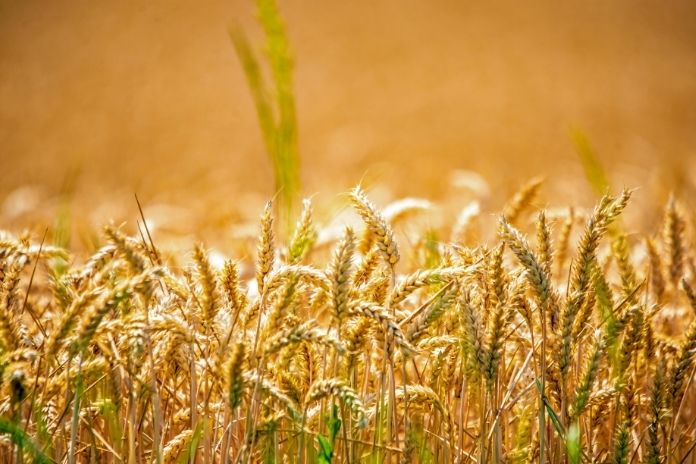
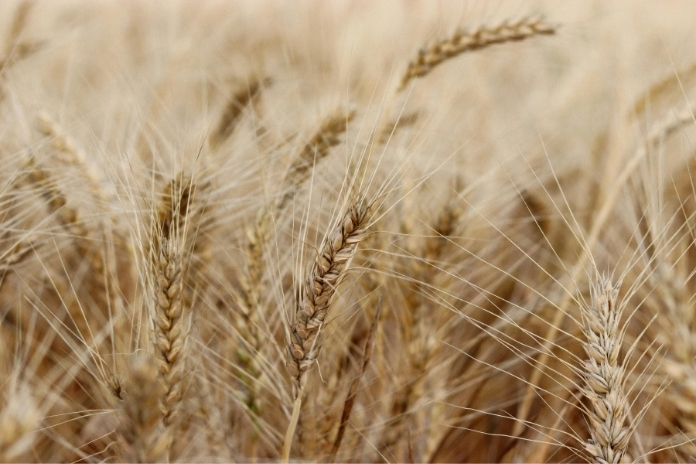
At its core, shredded wheat is about as simple as cereal gets. Whole wheat kernels are steamed, pulled into long strands, pressed into biscuit shapes, and baked until crisp. That’s the full process. No added sugars. No syrups. No artificial preservatives or coloring agents.
The original version contains just one ingredient: 100 percent whole wheat. That’s why it’s often held up as a benchmark for minimally processed breakfast cereals.
Over time, manufacturers introduced variations to suit different preferences, including large traditional biscuits, bite-sized pieces, and frosted or flavored versions. Those can be fine occasionally, but the plain, unfrosted shredded wheat is where the real nutritional value lives. It delivers the grain in its most intact form, without distractions.
Here’s the thing about whole grains: they matter. Because shredded wheat uses the entire wheat kernel, it retains the bran, germ, and endosperm. That means more fiber, more minerals, and more naturally occurring phytonutrients than refined grain cereals.
According to guidance from Mayo Clinic, regularly eating whole-grain foods is associated with lower LDL cholesterol, improved blood pressure, better weight control, and a reduced risk of heart disease and type 2 diabetes. Plain shredded wheat fits squarely into that category.
What this really means is simple. If you’re looking for a cereal that prioritizes nutrition over marketing, plain shredded wheat is one of the cleanest options on the shelf. It’s not flashy. It’s not sweet. But it’s honest food, built around a single, intact whole grain.
Shredded Wheat Nutrition Facts (Per 60g Serving)
Understanding whether shredded wheat is good for you starts with its numbers. Below is the nutritional profile for a standard 60g serving of plain bite-sized shredded wheat.
- Calories: ~210
- Carbohydrates: 40–44g
- Fiber: 6–7g
- Protein: 6–7g
- Fat: 1g
- Sugar: 0g (plain version)
- Sodium: 0–5mg
- Iron: ~10–15% DV
- Magnesium, zinc, and B vitamins: Moderate amounts
The standout here is fiber. You get roughly a quarter of your daily fiber needs in one serving. That’s significant for digestion, cholesterol management, and appetite control. Also important: zero added sugar. In a cereal aisle where many “healthy” options still sneak in 6 to 12 grams of sugar per serving, shredded wheat’s clean label stands out.
However, protein is moderate. Six grams won’t sustain most adults on its own. That becomes relevant when we talk about satiety and blood sugar stability.
Glycemic Index and Blood Sugar Impact
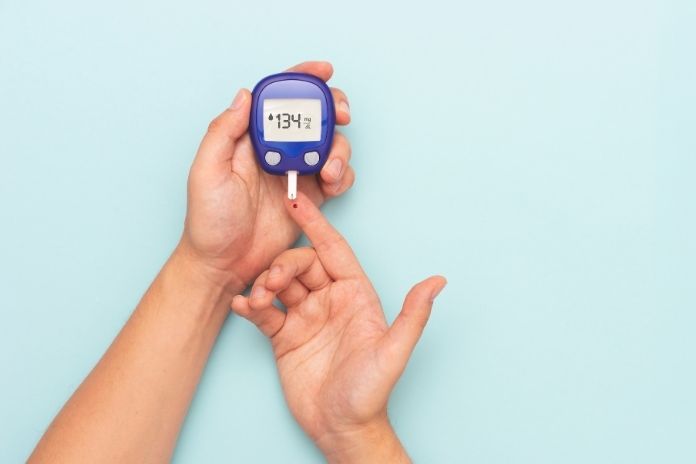
Plain shredded wheat has a moderate glycemic index, usually cited as around 69. That puts it higher than steel-cut oats, which digest more slowly, but lower than highly refined cereals like cornflakes or puffed rice. Foods above 70 are classified as high GI, so shredded wheat sits right on the edge, not low, not truly high.
Here’s what this really means. The glycemic index measures how quickly a carbohydrate raises blood sugar when eaten alone. On its own, shredded wheat can raise blood glucose moderately quickly because there’s no sugar to slow absorption, and the wheat strands break down faster than denser grains like intact oats or barley.
But GI is only part of the picture. Glycemic load matters more in daily eating. It accounts for portion size, fiber content, and how much digestible carbohydrate you’re actually consuming in a typical serving.
As Priyanka Satish, MBBS, FACC, writing for the American College of Cardiology, explains, “The glycemic index only tells you how quickly a carbohydrate can raise blood sugar, but it doesn’t reflect how much blood sugar will rise when you actually eat a normal portion. Glycemic load does both, quality and quantity, giving a more accurate picture of the real‑life effect of a food on blood glucose.”
In practice, this means shredded wheat’s moderate GI isn’t the whole story. Its actual impact on blood sugar depends on how much you eat and what else is on your plate.
Because shredded wheat is:
- High in fiber
- Free from added sugars
- Made from intact whole wheat
Its real-world blood sugar impact improves significantly when it’s eaten as part of a balanced meal.
Add protein or fat, and the digestion curve changes. Milk, Greek yogurt, nuts, seeds, or even a spoonful of nut butter can slow gastric emptying. Glucose enters the bloodstream more gradually. Instead of a sharp spike and drop, you get a steadier rise and better post-meal control.
For people with prediabetes or type 2 diabetes, shredded wheat is not automatically off-limits. The key is context. Portion size matters. Pairings matter. Eating it alone versus with protein and fat leads to very different metabolic responses.
Used thoughtfully, plain shredded wheat can still fit into a blood-sugar-conscious diet. Treated like a sugary cereal and eaten in isolation, it behaves like one.
Plain vs Frosted Shredded Wheat: What’s the Difference?
Not all shredded wheat products are equal. The difference between plain and frosted varieties is significant.
Below is a nutritional comparison per serving.
Breakfast Breakdown
Plain vs Frosted Shredded Wheat: What’s the Difference?
| Nutrient | Plain Shredded Wheat (60g) | Frosted Shredded Wheat (60g) |
|---|---|---|
| 🔥 Calories | ~210 | ~200–220 |
| 🌾 Fiber | 6–7g | 3–5g |
| 💪 Protein | 6–7g | 5–6g |
| 🍬 Added Sugar | 0g | 10–12g |
| 🍭 Total Sugar | 0g | 11–14g |
| 🧂 Sodium | 0–5mg | 150–220mg |
The key difference is sugar. Frosted versions can contain nearly half of the recommended daily limit of added sugar in a single serving. If your goal is heart health, stable energy, or weight management, the plain version is the smarter choice.
Shredded Wheat Benefits
Shredded wheat doesn’t win on taste or trends. Its value lies in fundamentals. Made from whole wheat with no added sugar and minimal processing, it delivers fiber, structure, and predictability. When you look past the packaging and focus on metabolic and heart health, these benefits are what make shredded wheat a reliable breakfast option rather than just another cereal.
High in Fiber: Shredded wheat provides a solid dose of fiber that supports digestion, improves stool regularity, feeds healthy gut bacteria, and helps lower LDL cholesterol by reducing cholesterol absorption in the gut.
Heart-Healthy Choice: With whole grains, very low sodium, and zero added sugar, shredded wheat aligns well with guidance from the American Heart Association. Regular whole grain consumption is associated with a lower risk of heart disease, and shredded wheat supports that pattern without additives.
Supports Cholesterol Control: Its soluble fiber helps reduce LDL cholesterol. Pair it with nuts, seeds, or fruit, and it becomes a cholesterol-friendly breakfast that’s easy to sustain.
Naturally Low Sugar: Plain shredded wheat contains no added sugar and no artificial sweeteners. Any sweetness comes from what you add, not from the cereal itself.
Less Processed Than Most Cereals: Compared to many packaged cereals, shredded wheat stays close to its whole-grain form. No refined flour, no syrups, no artificial ingredients.
Comparison: Shredded Wheat vs Other Popular Cereals
It helps to see where shredded wheat stands among other healthy cereal options.
Fuel Your Morning
Shredded Wheat vs. Other Popular Cereals
| Cereal | Protein | Fiber | Calories | Notes |
|---|---|---|---|---|
| 🥣 Shredded Wheat Standard serving |
6–7g | 6–7g | ~210 | 0g Sugar, 0–5mg Sodium |
| 🥣 Cheerios Standard serving |
5g | 3g | ~140 | 1g Sugar, 140mg Sodium |
| 🥣 Oatmeal Standard serving |
5g | 4g | ~150 | 0g Sugar, 0mg Sodium |
| 🍯 Granola Standard serving |
4–6g | 3–5g | ~250–300 | 8–15g Sugar, 50–150mg Sodium |
| 🥣 Cornflakes Standard serving |
2g | <1g | ~150 | 2–4g Sugar, 200mg Sodium |
Shredded wheat wins on fiber and sugar control. Oatmeal has a slightly lower glycemic impact and similar benefits. Granola often carries higher sugar and calorie loads. Cornflakes lag in fiber. This makes shredded wheat one of the stronger whole-grain cereal healthy choices available.
Is Shredded Wheat Good for Weight Loss?
The short answer is yes, but only if you use it correctly. Shredded wheat can support weight loss because it’s high in fiber, contains no added sugar, and is naturally low in fat. Fiber increases fullness, slows digestion, and helps reduce mindless snacking later in the day.
The lack of added sugar also means fewer cravings and less rebound hunger compared to sweetened cereals. Shredded wheat is not high in protein. Eaten on its own, it may leave you hungry sooner than you’d expect. That’s not a flaw; it just means it needs structure.
When paired with protein and healthy fats, shredded wheat becomes far more effective for appetite control. Greek yogurt, nuts or seeds, soy milk, or even a boiled egg on the side can slow digestion and improve satiety. Built this way, it functions as a fiber-protein balanced breakfast rather than just a bowl of carbs.
According to registered dietitian Lainey Younkin, M.S., RD, “Protein stimulates the release of hormones like GLP‑1 and peptide YY that decrease appetite and increase satiety after meals, and fiber slows digestion and helps keep you full longer.”
Dietitians often recommend building meals around both nutrients for better appetite control and sustained weight loss. What this really means is simple. Shredded wheat is good for weight loss if you build around it rather than expecting it to do all the work on its own.
Who Should Be Cautious or Avoid It?
Shredded wheat isn’t for everyone, and context matters here, too. Because it’s made from whole wheat, it contains gluten. People with celiac disease or gluten sensitivity should avoid it entirely.
For those with IBS or very sensitive digestion, the high fiber content may cause bloating or discomfort, especially if introduced suddenly. Starting with small portions and increasing gradually can help, but it’s not always a perfect fit.
If you follow a very low-carb or ketogenic diet, shredded wheat likely won’t align with your goals due to its carbohydrate content. For people with diabetes, shredded wheat is not automatically off-limits. Portion control and protein pairing are essential. Eaten alone and in large amounts, it can spike blood sugar. Eaten thoughtfully, it can still fit into a balanced plan.
Best Brands and What to Look For
Not all shredded wheat products are equal, so the label matters more than the front of the box. The best versions contain whole wheat as the first and only ingredient, with no added syrups, flavorings, or sweeteners. Ideally, sugar should stay under 6 grams per serving, and for plain versions, it’s often zero.
Several brands commonly offer unsweetened options, including Post Consumer Brands, Nestlé, and Barbara’s. Always double-check the ingredient list and nutrition panel, especially outside the US, since formulations can vary by region. With shredded wheat, simpler is always better.
How to Make Shredded Wheat Healthier
Shredded wheat alone is high in fiber but incomplete as a meal. Building a balanced bowl makes all the difference.
Here are practical combinations:
Healthy Hacks
How to Make Shredded Wheat Healthier
| Combination | Key Add-ins | Benefits | Notes |
|---|---|---|---|
| 🥣 Greek Yogurt Bowl Shredded Wheat + Yogurt |
Berries | Antioxidants | Adds protein and antioxidants |
| 🥛 Omega Boost Shredded Wheat + Almond Milk |
Chia Seeds | Omega-3 | Boosts healthy fats and fiber |
| 🥜 PB & Banana Shredded Wheat + Banana |
Peanut Butter | Balanced | Balances carbs with healthy fats |
| 🌳 Plant Power Shredded Wheat + Soy Milk |
Walnuts | Satiety | Improves satiety and plant protein |
| 🧀 High Protein Savory Shredded Wheat + Cottage Cheese |
Cinnamon | Protein+ | Increases protein significantly |
Each combination improves satiety, blood sugar control, and overall nutritional balance.
Portion Size Guidance
A standard serving is about 60 grams, which usually equals the following:
- Two large biscuits
- Approximately one cup of bite-sized pieces
A study looking at how people actually pour breakfast cereal found that most people pour significantly more cereal than the recommended serving size, especially with denser cereals like shredded whole‑grain types, which can lead to higher calorie and carbohydrate intake than intended.
Overserving is common because the cereal looks light and airy, and it also has a clear implication for energy intake and, over time, body weight. Measuring once or twice helps you understand what a proper serving looks like. If weight loss or blood sugar control is your goal, portion awareness matters.
Read More: Top 7 Products to Kickstart Your Weight Loss Journey
Final Verdict: Is Shredded Wheat Healthy?
For most people, the answer is yes, with a little context. Plain shredded wheat earns its place among healthier cereal options because it keeps things basic. It’s made from whole wheat, delivers meaningful fiber, and contains no added sugar or artificial ingredients.
This combination supports digestion, helps manage cholesterol, and fits well into a heart-healthy eating pattern. However, its glycemic index is moderate, so eating it on its own can raise blood sugar faster than denser whole grains. It’s also low in protein, which means it works best when paired with foods that add satiety.
For anyone with celiac disease or gluten sensitivity, it’s simply not an option. When eaten in reasonable portions and combined with protein or healthy fats, shredded wheat holds up surprisingly well in a cereal aisle crowded with refined grains and sugar-heavy products. It doesn’t rely on health claims or added nutrients to look good on paper.
If your goal is a straightforward, heart-healthy breakfast built on whole grains rather than marketing, plain shredded wheat is still a smart, defensible choice.
Frequently Asked Questions
1. Is shredded wheat good for you?
Yes. Plain shredded wheat is made from whole grain wheat, contains no added sugar, and is naturally high in fiber. It supports digestion, heart health, and cholesterol management. Its simplicity is what makes it nutritionally reliable.
2. Is shredded wheat good for weight loss?
It can support weight loss because fiber increases fullness and helps reduce overeating. On its own, it may not keep you satisfied for long. Pairing it with protein and healthy fats makes it far more effective for appetite control.
3. Can diabetics eat shredded wheat?
Yes, but portion size and pairing matter. Shredded wheat has a moderate glycemic index, so eating it alone can raise blood sugar quickly. Combining it with protein or fat helps slow the glucose response.
4. Is frosted shredded wheat healthy?
Not in the same way as the plain version. Frosted shredded wheat contains added sugar, which reduces its metabolic and heart-health benefits. It’s better treated as an occasional option rather than a daily staple.

References
- American College of Cardiology. (2021, May 26). Glycemic index, glycemic load, and cardiovascular disease.
- BBC Good Food. (n.d.). Discover why shredded wheat isn’t just for breakfast.
- EatingWell. (n.d.). Expert habits that support weight loss after 50.
- Encyclopaedia Britannica. (n.d.). Shredded wheat.
- Mayo Clinic. (n.d.). Whole-grain foods and high blood pressure.
- Merriam-Webster. (n.d.). Shredded wheat.
- Nestlé Cereals UK. (n.d.). Shredded Wheat.
- Nestlé Cereals UK. (n.d.). Shredded Wheat Original.
- Nestlé UK. (n.d.). Shredded Wheat: Beyond the bowl.
- Post Consumer Brands. (n.d.). Shredded Wheat.
- PubMed. (2021). Portion size and cereal serving study (PMID: 33593471).
- Smithsonian Magazine. (n.d.). What Shredded Wheat did for the Navy.
- Uncle Tobys. (n.d.). Shredded Wheat cereal.
- Vively. (n.d.). Is shredded wheat healthy?
- Wikipedia contributors. (n.d.). Shredded wheat.
- Wisdom Library. (n.d.). Shredded wheat.
In this Article